We live inside an orchestra of quiet reverence. A clerk notices the gentleness in your “thank you.” A colleague watches the way you hold the door a second longer than necessary. A stranger on the street catches the soft concentration on your face and thinks, they look like someone who cares. None of them say anything. The notes rise, swirl, and vanish into the air.
But the music is real.
You have been seen more often than you know. Admired more generously than you realize. Loved more widely than your doubts will allow.
Tonight, let’s gather those unsent messages, unmailed letters, and unvoiced praises — and lay them in your hands like fireflies in a jar. Let them glow. Let them prove a simple, stubborn truth: you matter — in ways you can feel and in ways you can’t.
The Arithmetic of Quiet Praise
There is a soft mathematics to the world’s affection. Every spoken compliment is a lighthouse — visible, unmistakable. But for every lighthouse, there are a thousand small lanterns flickering in windows you pass by: the friend who quotes your words in another room, the teammate who copies your steadiness, the child who never forgot your smile from the elevator. We don’t count the lanterns because they’re not announced. Yet they add up. They multiply. They light the map of your life.
If you could eavesdrop on the rooms you’ve left, you would hear it:
“They make meetings feel lighter.”
“I love how they ask, ‘How are you — really?’”
“Have you noticed how they never rush the last person in line?”
“They’re not loud about it, but they’re brave.”
The world is generous with its witnessing. It simply forgets to speak.
Why You Matter (Even on the Ordinary Days)
We’re taught to measure ourselves by finalities: the big win, the promotion, the certificate you can frame. But the universe keeps a different ledger. It writes in small script and quiet ink. It celebrates the day you showed up tired and still tried anyway. It underlines the afternoon you forgave yourself — just a little — and found room to begin again.
You matter because of the weight you lift from mornings by choosing kindness when frustration is easier. You matter because there are people who breathe easier when you enter the room; your presence adjusts the weather. You matter because a story you’re living — right now, messy and unfinished — has already given someone else the courage to continue theirs.
If you’ve ever:
answered a message you could have ignored,
watered a plant that was leaning,
changed your mind when better evidence arrived,
apologized first,
laughed at your own mistake, or
remembered a name —
you have mended the fabric. You’ve done invisible work that keeps the gears from grinding, the air from tearing, the day from tipping the wrong way. The world notices. Maybe it doesn’t post about it; maybe it doesn’t even tell you. But it notices.
Why You Are More Loved Than You Think
Love isn’t only what is proclaimed; often it is what is prepared. The tea set out on the counter before you wake. The article bookmarked for you. The playlist someone made and never admitted was for you. The way a friend recalls the exact brand of pen you prefer. Love is the cushion placed under your fall, even if you never see the hands that set it there.
We underestimate the quiet loves, the ones that don’t perform themselves. Yet they are the ones that hold. They’re steady, durable, ordinary enough to be mistaken for furniture — but try living without them.
There is a constellation of people who would defend you in rooms you’re not in, who would grieve your absence in ways they don’t yet have language for, who silently count on the fact that you are you. You might not see the constellation because you’re standing inside it. But the stars are there.
On Compliments: The Currency of Care
Compliments are small acts of justice. They match the world’s reality to our words. When we withhold them, we allow beauty to remain unacknowledged and effort to go underpaid. When we offer them — genuinely, specifically — we settle a debt that kindness is always accruing.
A timely compliment does more than lift a mood. It arrests time. It pins a moment to the bulletin board of memory and writes, This mattered. It tells the nervous beginner, keep going. It tells the quiet expert, we see you. It tells the weary soul, rest if you must — but don’t you dare doubt your worth.
We sometimes resist giving compliments because we think they’ll make us smaller. But appreciation multiplies. Your praise does not diminish you; it enlarges the room you both share. When you name the good in others, you tune your mind to notice more good — like adjusting a radio until the static clears and the music comes through.
Validation is not a throne to sit upon forever; it’s a bridge. We cross it to reach each other. We cross it to learn how to stand. We cross it until we can carry some of the weight ourselves. To say, “This is good,” doesn’t trap us in the need to always hear it — if anything, it trains us to recognize what goodness feels like, so we can grow more of it.
The Practice of Saying What Is True
Let this be your gentle practice:
Be specific — “You’re smart” is pleasant; “The way you explained that concept made it feel possible for me” is a keepsake.
Be timely — Praise given fresh is a warm loaf — it nourishes different than something reheated.
Be generous, not performative — Compliment to connect, not to transact. People can feel the difference, and so can you.
Include the invisible — Notice effort, character, and growth, especially when outcomes are still arriving.
Speak to the person, not the room — Public praise is lovely; private truth can be life-changing.
Consider this your daily ritual: before you close your eyes, name three things someone did today that were good, beautiful, or brave. If you can, tell them. If you can’t, write it down. Either way, you are tuning your heart to the right frequency.
If You Need to Hear It (You Do)
Here is the letter the world meant to send:
You are not an accident in this universe. You are a chosen arrangement of wonder and dust, patience and lightning. There are mornings you do not believe this; that’s okay. The tide returns whether you watch it or not, and love returns, too — sometimes as a lighthouse, often as a lantern in a window you haven’t noticed yet.
You are beautiful in the way bridges are beautiful — because you carry others. You are important in the way seasons are important — because you make change livable. You are precious because there is no replica of your way of seeing, your way of listening, your way of making room.
Thank you for staying. Thank you for trying again. Thank you for being the kind of person who cares about being kind. The world is better with you in it. It always has been.
The Thousand Unsaid
Return to the beginning: For every compliment you have received, a thousand have gone unspoken. Imagine those thousand now, gathering like birds on a wire. Hear the murmuration of their wings. They are not imaginary; they are simply unrecorded. Let them surround you until the air is thick with recognition. Let them remind you that your life has been raining goodness on people who never learned to forecast.
And then — let one of those birds fly from you to someone else. Catch a person doing something quietly excellent and give it a shape, a sentence, a smile that lands. Do not hoard the light. Spend it. The economy of grace is the only market that grows by giving everything away.
A Small Pledge
If you’re willing, place your hand over your heart and say softly:
“I will not wait for perfection to acknowledge what is good. I will not be stingy with truth. I will notice, I will name, and I will nurture the light — in others, and in myself.”
The world does not need louder echoes; it needs clearer voices. Yours can be one.
So the next time doubt leans close and whispers that you are ordinary, answer with this: Even ordinary stars light entire nights. And the next time you think a kind thought about someone — say it. Text it. Write it on a sticky note. Leave it in a margin. Make timely praise your habit, and watch how the universe answers.
Because somewhere, someone is walking home a little taller today — because of you. And perhaps you are, too, because of them. The compliments we give are bridges we get to cross together.
And if no one has told you lately:
You are loved more than you think.
Thanks for reading. Have a good one!
|| श्रीकृष्णार्पणमस्तु ||
]]>Samarth DeyagondJAPAN: A ‘Civilization’ Personified2026-01-31T00:00:00+00:002026-01-31T00:00:00+00:00https://axiomsamarth.github.io/writing/2026/01/31/japan-a-civilization-personified-507bb1bde9d7JAPAN: A ‘Civilization’ Personified
My first international journey took me to Japan , referred to as ‘Nihon’ in Japanese — and it was nothing short of a revelation & transformation! Words can barely capture what I witnessed, but I will try.
Japan is not just a nation; it is the pinnacle of human civilization in today’s world!
It is a living manifesto of how humanity, nature, culture, and even the untamed wild can coexist in perfect harmony. It exemplifies governance done right, citizens living with dignity and responsibility, and a society built on empathy, order, and mutual respect. Every detail — from clean, spotless streets and unwavering politeness to futuristic technology, flawless infrastructure, seamless connectivity, and an aesthetic sense that permeates fashion and design — speaks of a country operating at its highest potential. Japan is proof that progress and tradition can thrive together, creating a homogeneous rhythm that feels almost utopian. Experiencing this changed me!
Day 0: Packing purposes; not just bags
Beyond the Suitcase
For many, packing is a chore of logistics — counting socks and checking chargers. But for me, packing is a ritual of intent. I have never travelled to escape my life; I travel to evolve with it. As I laid out my gear for Japan, I wasn’t just preparing for a flight; I was preparing for an encounter with a culture that has lived in my heart long before this itinerary existed.
A Debt of Gratitude
My admiration for Japan is rooted in more than just its neon lights or serene temples. It is grounded in history. As an Indian, I carry a profound sense of gratitude for Japan’s role in our story — specifically their support of Netaji Subhas Chandra Bose and our freedom movement. To visit Japan is, for me, a quiet nod of thanks to a nation that stood by ours in a defining hour.
Engineering the Experience
I wanted to wear my admiration — literally. Since I view this trip through the lens of progress and precision, I decided to merge the ancient with the cutting-edge before even leaving home.
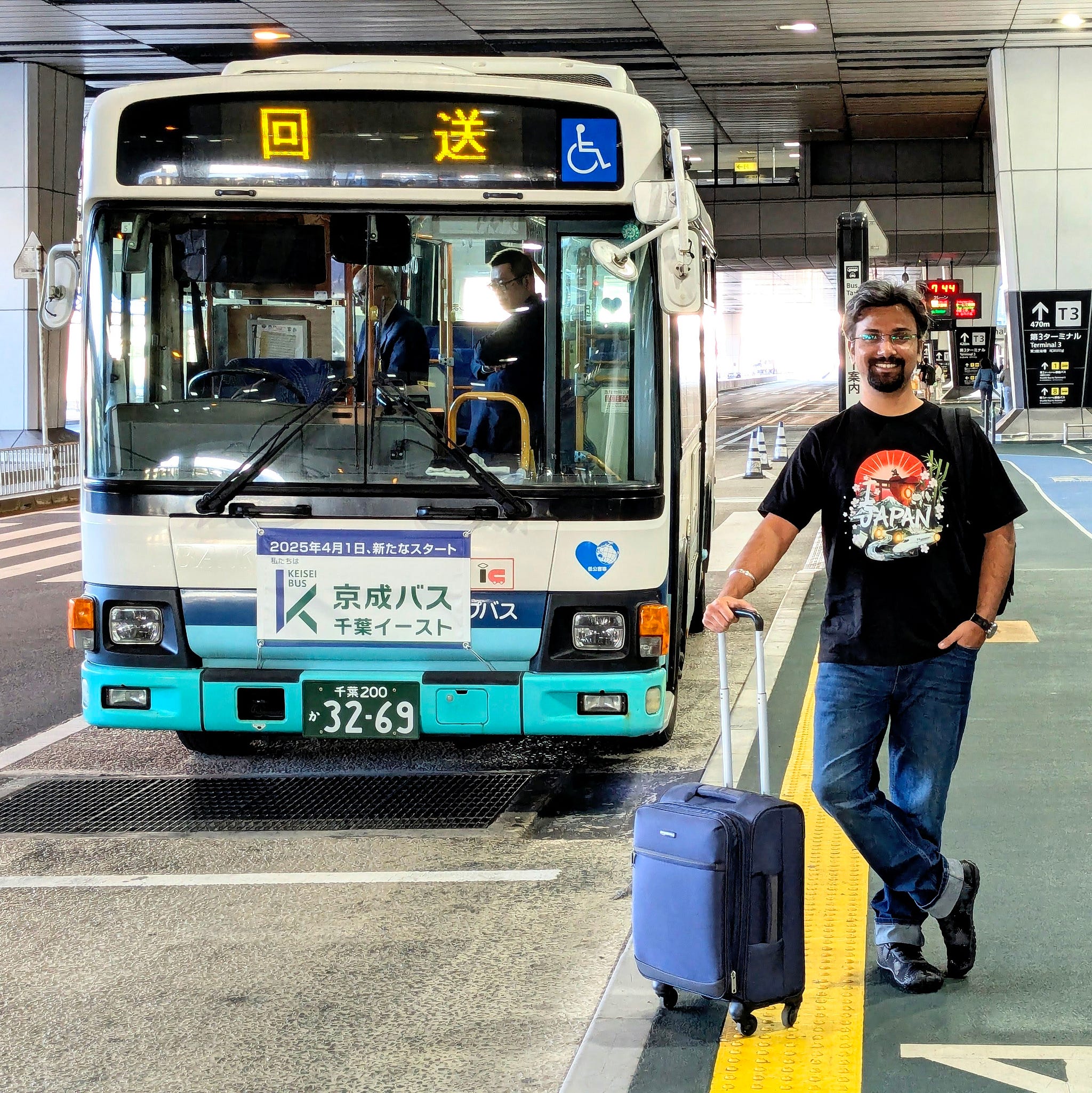
Using Google Gemini and a series of intentional prompts, I set out to design a piece of wearable art: a custom T-shirt that would serve as my “uniform” for the journey. It wasn’t just a graphic; it was a visual manifesto of everything I came to find.
The design became a landscape of the Japanese soul:
The Silhouette: A radiant Rising Sun (Nihon) forming the backdrop of the world.
The Serenity: Bamboo groves and cherry blossoms whispering of fleeting beauty.
The Strength: Majestic castles, traditional ships, and the legendary Great Wave.
The Spirit: Sacred Torii gates and lanterns guiding the way to the spiritual.
The Speed: The sleek Shinkansen, a marvel of human precision.
The Soul: Mount Fuji standing eternal, while a Samurai standing on a heart anchored the design — a reminder that the “Way of the Warrior” is, at its core, an act of the heart.
As I tucked that shirt into my bag, the trip felt real. I wasn’t just going to see Japan; I was going to meet it..
With that T-shirt packed, along with a few essentials like currency notes of Yen with a loaded Forex Card — I travel light — I boarded Japan Airlines (JAL), an airline whose reputation is second only to the nation it represents. My mind was already racing ahead to the experiences waiting for me: the breathtaking Shinkansen slicing through landscapes, and the first glimpse of Mount Fuji towering in serene grandeur and so many other things. It was now time to say Konnichiwa (こんにちは) to Japan.
True travel begins not when you board the plane, but when you pack your intentions and dress your soul in gratitude
Day 1: Touchdown in Japan
A Prelude in the Clouds
The journey began with a childhood friend: Mario. Watching the Super Mario Bros movie at 30,000 feet felt less like a flight and more like a homecoming. It was poetic to trace the path to Japan while celebrating the digital icons that shaped my youth.
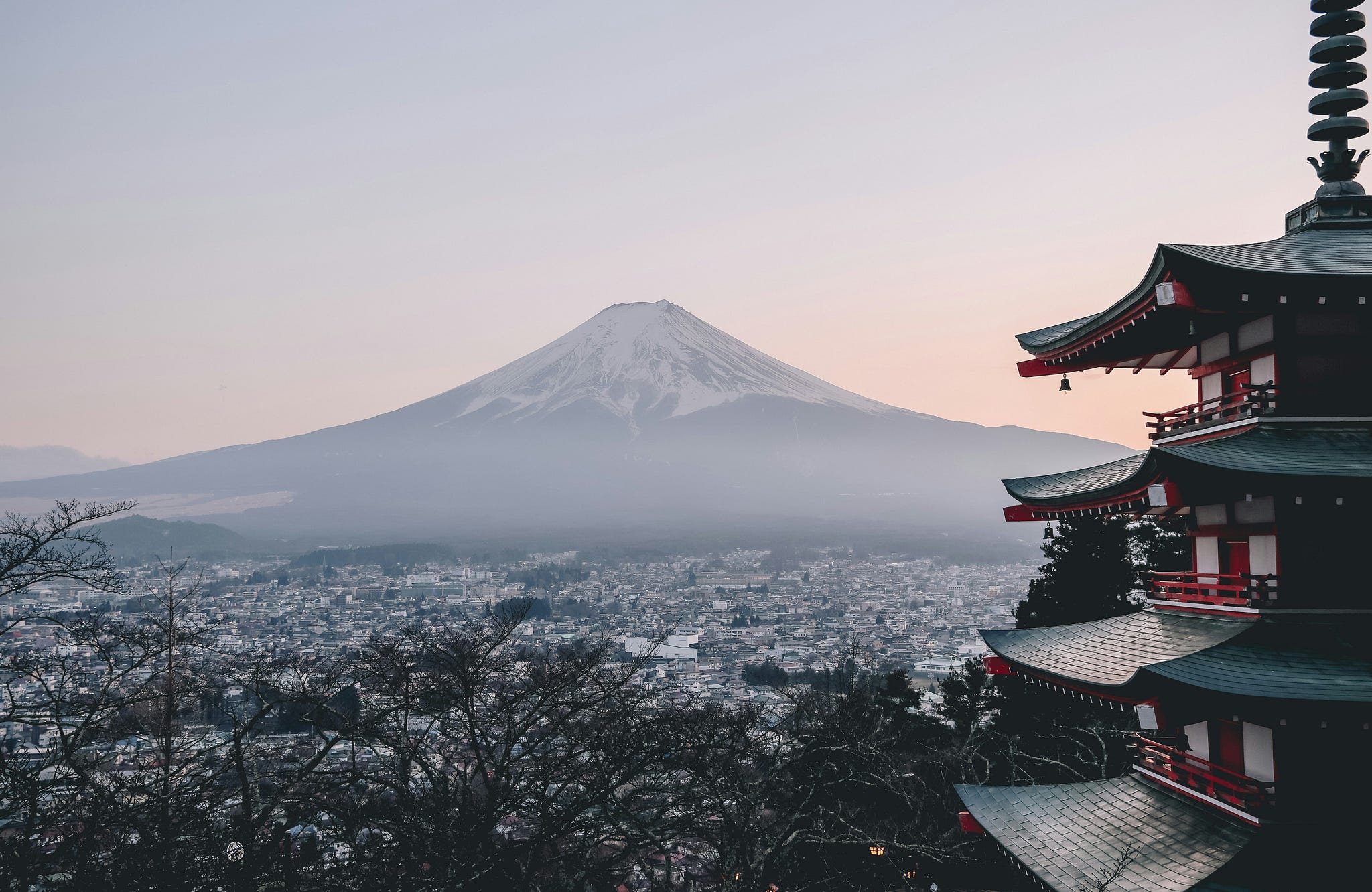
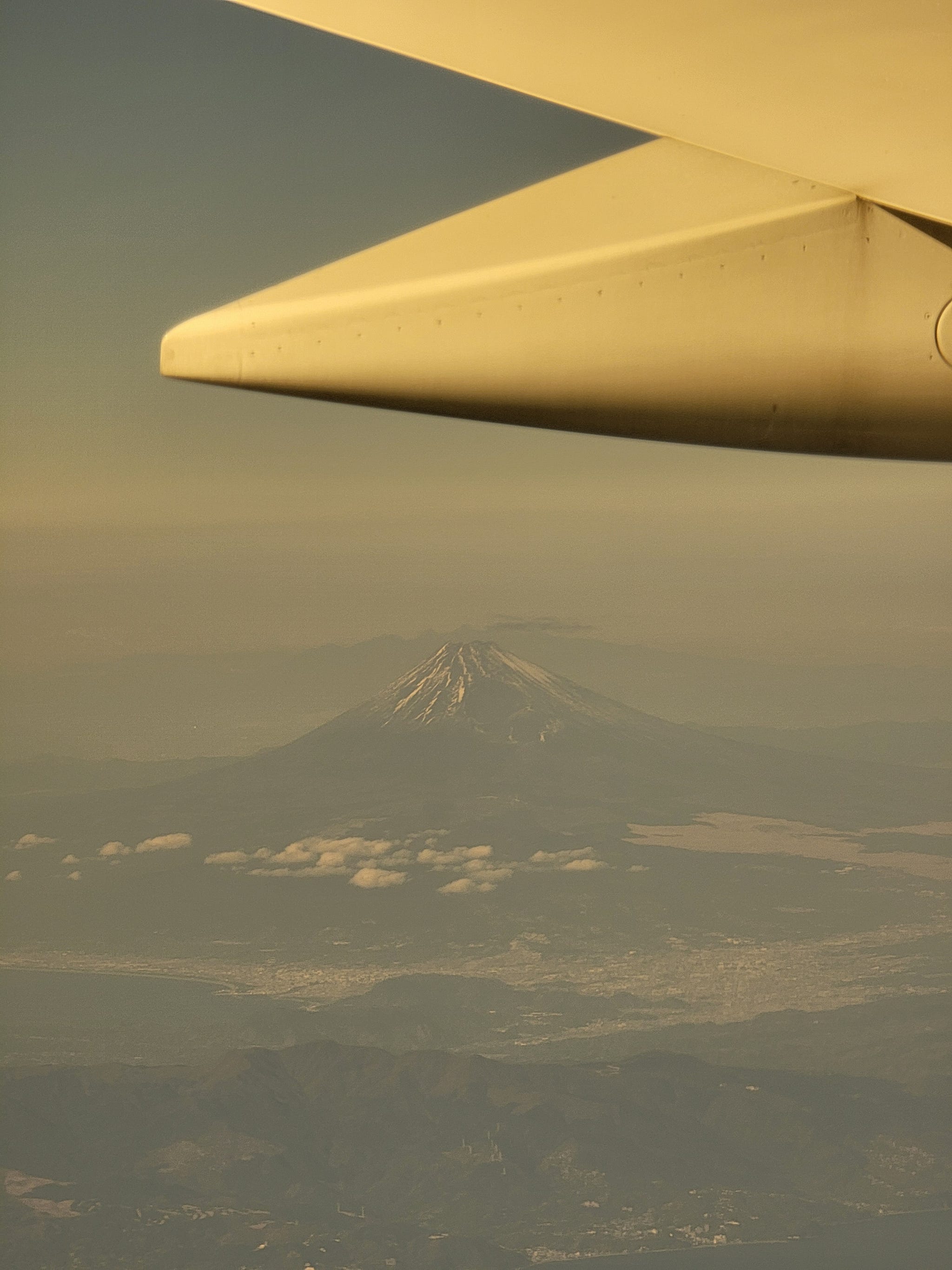
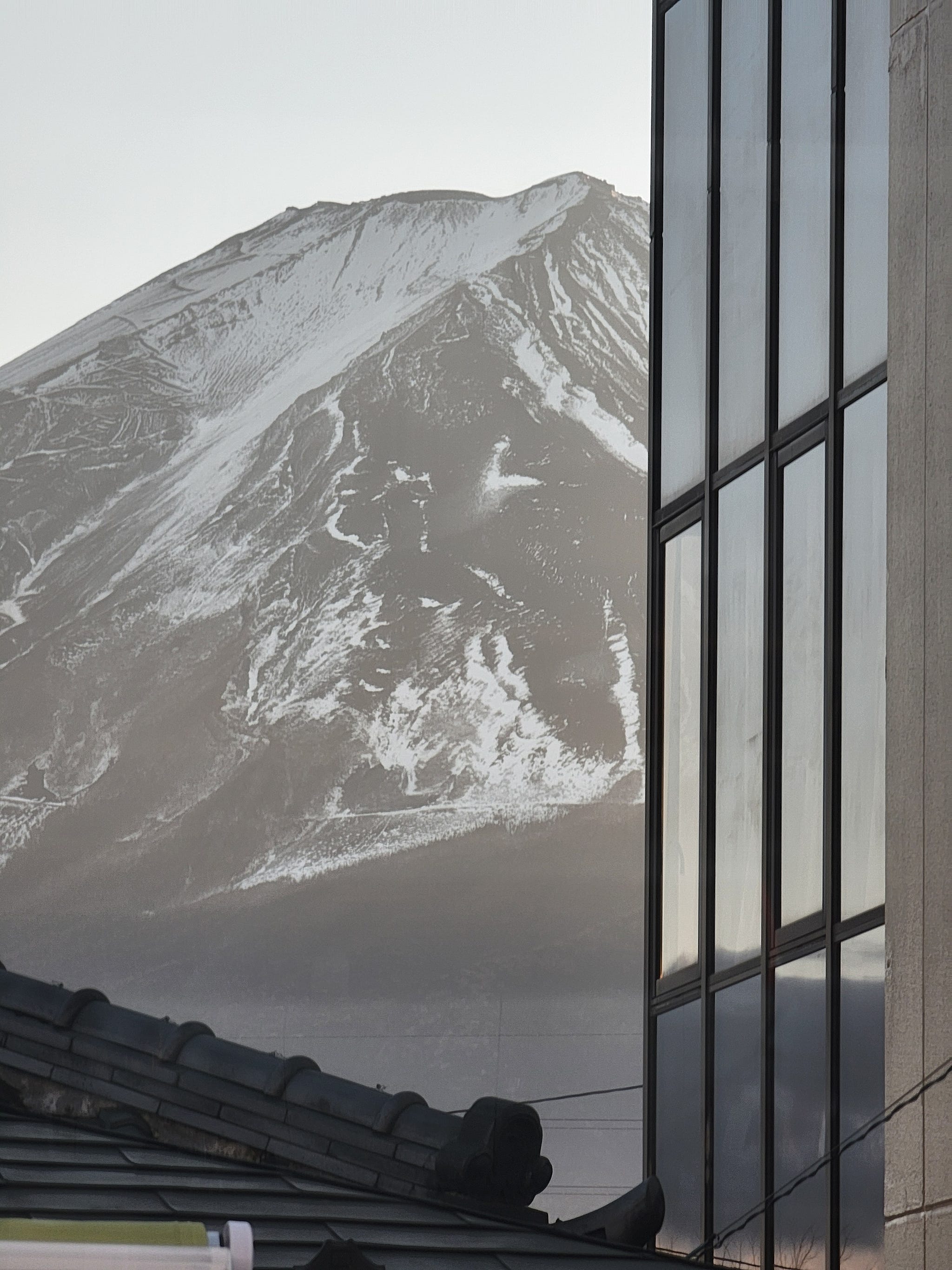
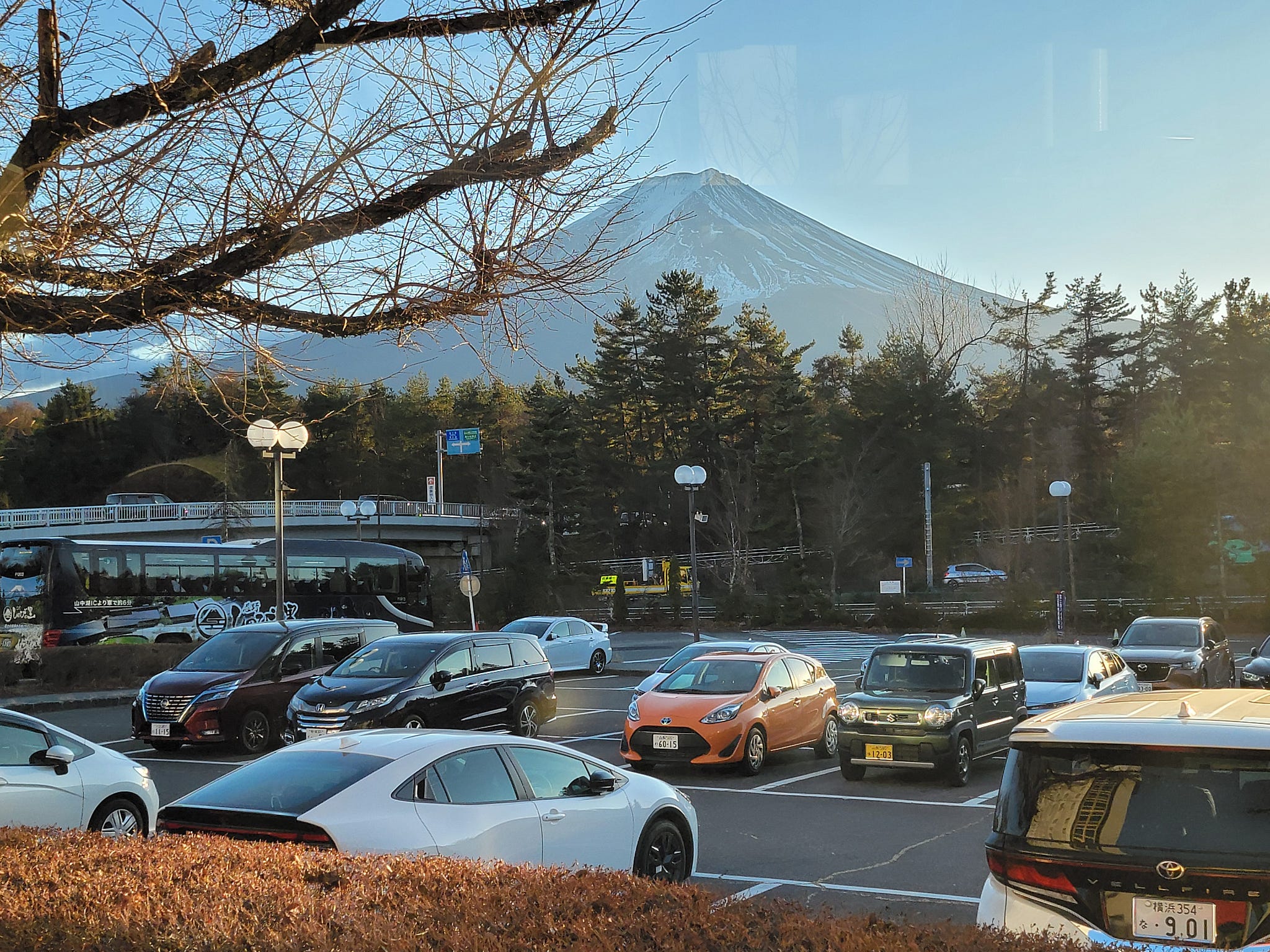
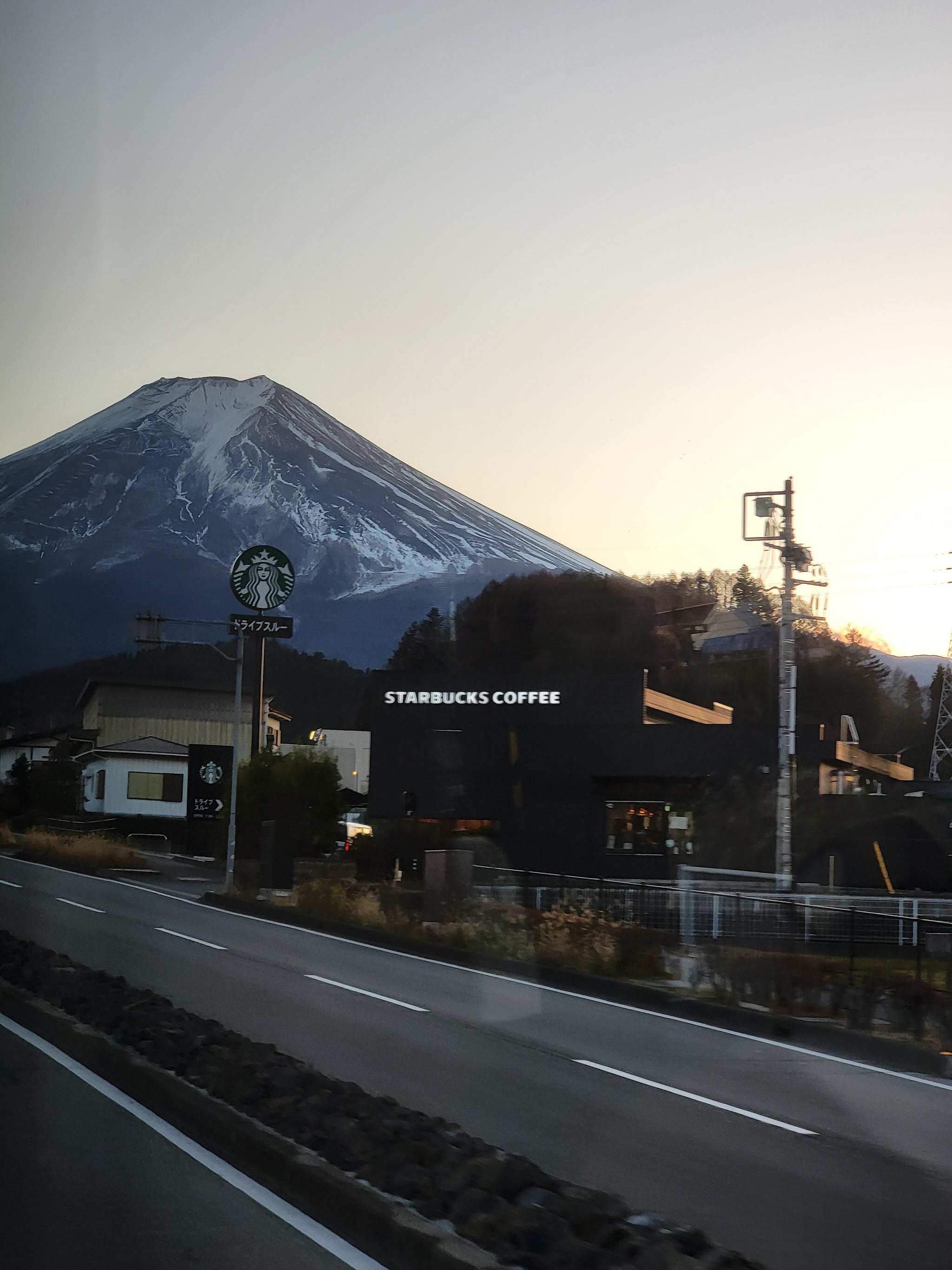
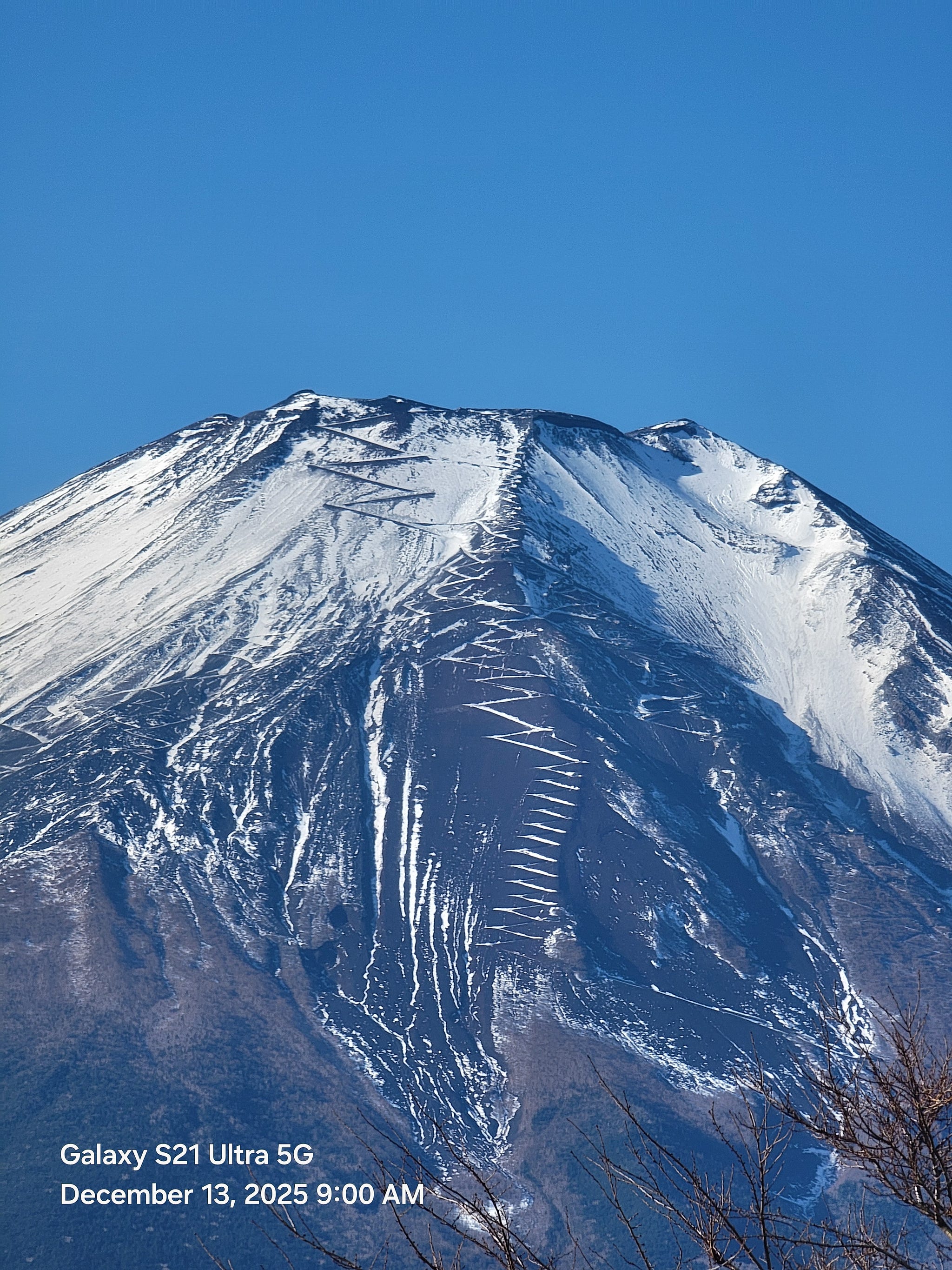
Then, the clouds parted. There it was — Fuji-san. Shy, veiled in a thin mist, but undeniably majestic. In that moment, looking down at the snow-capped peak, the anticipation in my chest settled into a deep, quiet certainty: this was going to be the best time of my life.
Aerial view of Mount Fuji from inside of JL754 route
The Welcome Committee
Stepping off the plane, Japan didn’t just greet me; it charmed me. In many countries, immigration feels like a barrier; here, it was an invitation. As I descended the escalators, I was met by the vibrant faces of Power Rangers and anime legends. It was a colourful whisper from the nation itself: “You’ve arrived in the land of imagination.”
The Art of the Seamlessness
The first hour on the ground was a masterclass in efficiency.
The Suica Card: More than just plastic, it’s the “skeleton key” to the country. From a single vending machine, I held the power to navigate trains, buses, and convenience stores with a simple tap.
The Human Touch: At the tourist help desk, the precision was matched only by the warmth. The lady didn’t just give me directions to Mount Fuji; she mapped out my tomorrow with a level of care that felt personal, as if she were planning a trip for a dear friend.
3:05 PM Means 3:05 PM
I stood at the platform for the Hotel Toyoko Inn shuttle. In many parts of the world, a 3:05 PM bus is a suggestion. In Japan, it is a promise. At exactly 3:05 PM, the bus rolled to a stop. No delays, no excuses.
“Welcome to Japan,” I whispered to myself. “The amusement has begun.”
The Sanctuary of Thoughtfulness
The Toyoko Inn Narita Shinkan was my first taste of Japanese hospitality (Omotenashi). The lobby was a curious, elegant blend — a vintage car, a Harley Davidson, and a self-playing piano that filled the air with melody.
But it was the room that truly moved me. It wasn’t just the “sacred” level of cleanliness; it was the radical thoughtfulness. From the relaxing gowns and slippers to the shoe polish kits and ironing boxes, every item was a silent message: We have thought of your needs before you even realised you had them. In Japan, amenities aren’t just perks; they are tools of empowerment, designed to make you feel ready for whatever the next day holds — be it a boardroom meeting or a mountain trail.
The true magic of touchdown wasn’t in the sights, but in the realisation that I had entered a culture that had been thoughtfully preparing for my arrival long before I even knew I was coming.
Day 2: The Heart of the Mountain
The Architecture of Convenience
My second day began with a realisation: Japan is not just a country; it is a perfectly synchronised ecosystem. The transition from Narita Airport to the railway, then to the Shinjuku bus terminal, was effortless. In Japan, transport isn’t a series of hurdles; it’s a “perfectly designed maze” where every path leads exactly where you need to go.
I followed the instructions from the help desk lady with total trust — no cross-verification needed. Her precision had inspired a confidence I’ve rarely felt while travelling. As the Narita Express glided toward Shinjuku, the world outside was a “living postcard” — spotless, organised, and deeply satisfying to my soul.
The Highway to Serenity
Boarding the bus to Yamanashi, I witnessed the Omotenashi (hospitality) in action again. The crew didn’t just load bags; they organised them by station with a level of grace that made a simple chore feel like a ceremony.
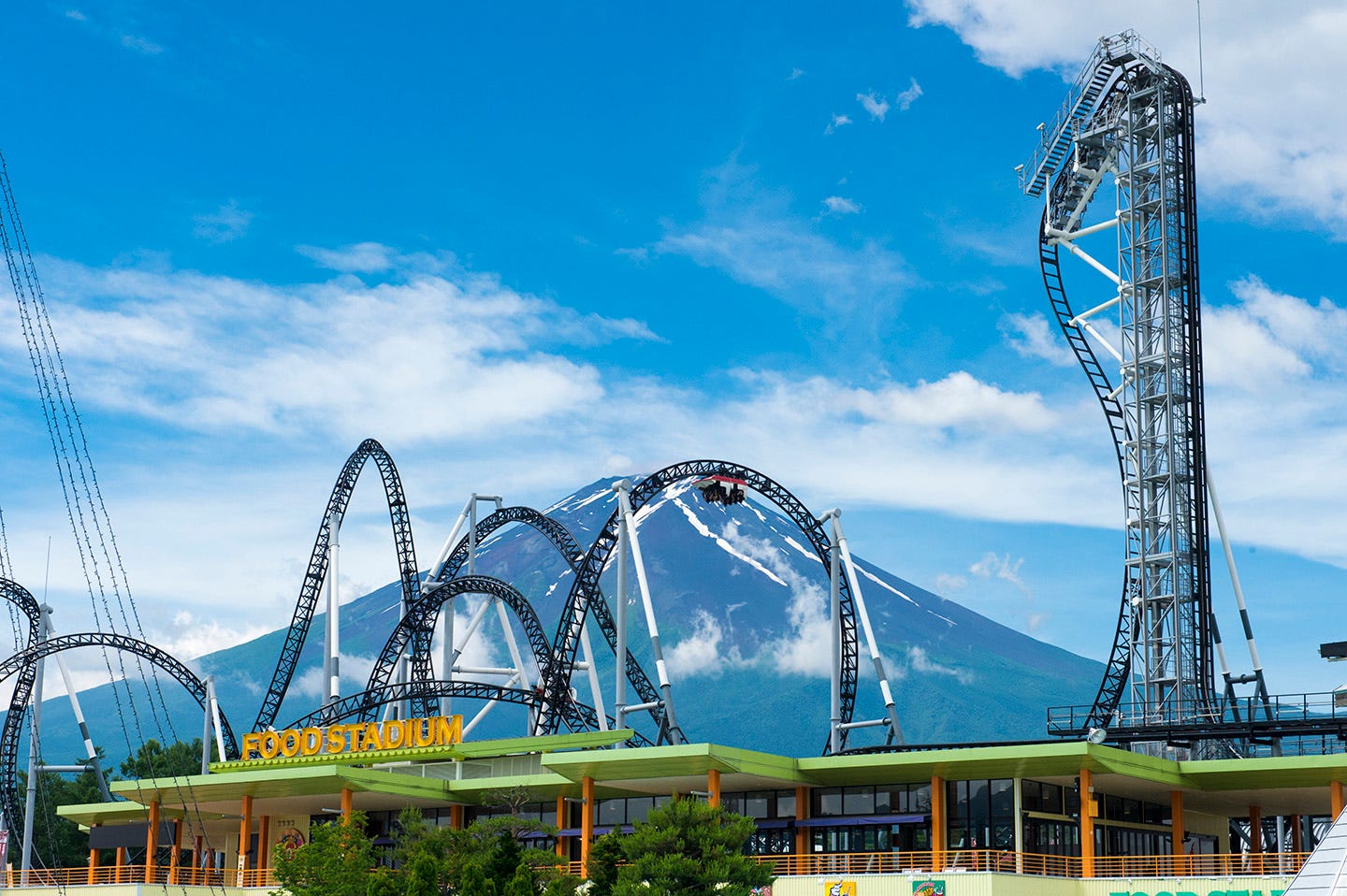
The journey was a masterclass in peace. On a highway of smooth tar and crisp markings, the bus remained a sanctuary of silence. No blaring music, no loud chatter. I drifted into a deep sleep, only to be awakened by a vision: Fuji-san. There she was, towering over the neon lights of Fuji-Q Highland, looking straight at me. It felt less like a landmark and more like an old friend waiting to wrap me in a hug.
A Lesson in Kindness
By 5:00 PM, darkness had swallowed Lake Yamanakako. I found myself standing in the rain, my phone signal dead, and my hotel — Hotel Mount Fuji — perched two kilometres away on a steep, forested hill. I was unable to reach my Hotel seeking my pick up shuttle.
But Japan has a way of taking care of you. I found a small tutoring hall and met a teacher who, with a simple bow and a warm smile, became my guardian angel. Without hesitation, she called my hotel and let me wait in the warmth of her classroom. It was a small gesture, but it spoke volumes: in Japan, you are never truly lost. My shuttle arrived in 5 minutes & warmly greeted by the staff.
Legacy and the 40°C Bliss
Reaching Hotel Mount Fuji was like stepping back into a grand, timeless legacy. Operating since 1963, the property radiates a polished history. The staff handled my passport with a delicacy that bordered on reverence, and every detail — from explaining about the in house Onsens, panoramic deck, schedules to the shuttle reservations — was handled with surgical precision.
The night ended in a way I will never forget. Outside, the mountain air was a biting -1°C. Inside, I was submerged in a 40°C Jacuzzi, the steam rising into the dark night. That contrast — the freezing air and the healing water — was pure bliss. As I slipped into bed with Mount Fuji standing guard outside my window, I realised: Japan doesn’t just welcome you; it transforms you.
This wasn’t just a trip anymore. It was a dialogue between me and a nation that has mastered the art of living.
Day 3: A Date with the Shy Mountain
The Spirit of Fuji-san
Why does a single peak hold the heart of a nation? Mount Fuji isn’t just geology; it is a Kami — a divine spirit. Dedicated to Konohanasakuya-hime, the Goddess of volcanoes and cherry blossoms, the mountain is a symbol of purification. But she is also famously elusive. They call her the “Shy Mountain” because she often hides behind a veil of clouds, revealing her perfect cone only to those she chooses to bless.
The “Factory Reset”
That morning, I woke up feeling like a “perfect factory reset” — refreshed, happy, and light. I stepped onto the panoramic deck of the hotel, and there she was. No clouds, no veil. Just Fuji-san, bathed in the liquid gold of the morning sun.
I took a few photos, but then I put the camera away. Some moments are too sacred to be viewed through a lens; they must be felt with the heart. As I peered through the telescope in the silence, a realisation washed over me. I wondered why I was being granted such a clear audience when so many wait years for this glimpse.
In that stillness, I felt a whisper in my soul: “I know you are a devotee of Shri Giriraj Ji Bhagwan (Lord Sri Krishna). Today, I open myself to you because your heart carries His grace.” This wasn’t travel luck. It was a blessing. I bowed in total submission and gratitude.
The Unplanned Walkathon
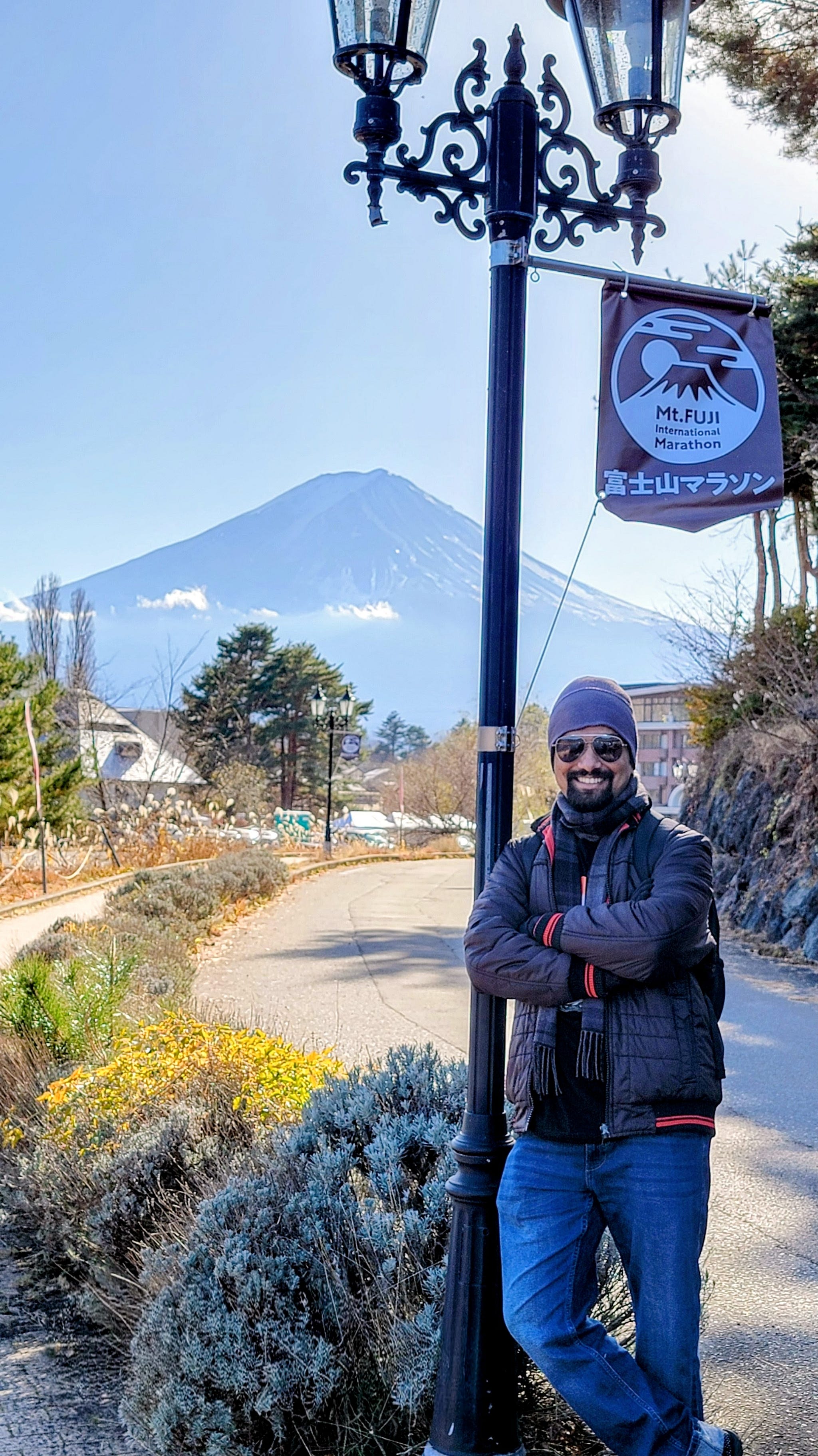
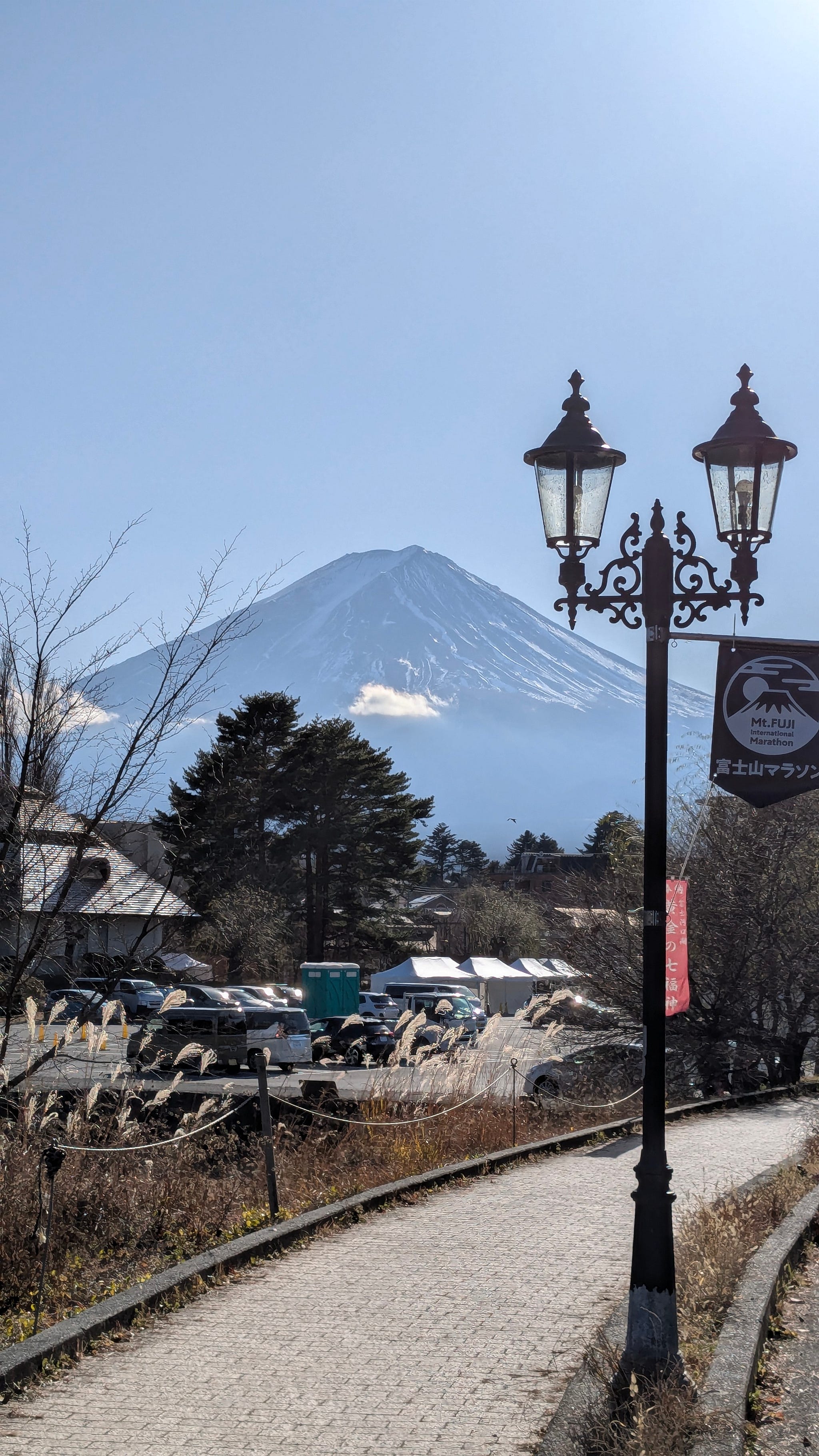
By 9:00 AM, I was at Mount Fuji Station, heading toward Lake Kawaguchiko. While most tourists flocked to the rope-ways and museums, I stumbled upon something better: an international Mount Fuji walkathon.
Though I hadn’t registered, the organisers welcomed me with that signature Japanese warmth. I joined a group of strangers from across the globe. We walked 10 kilometres around the vastness of the lake, the cool breeze on our faces and Fuji-san watching over us like a silent guardian. It was a timeless trek — no rush, no chaos, just the rhythmic sound of footsteps on a spotless path.
A Symphony of Firsts
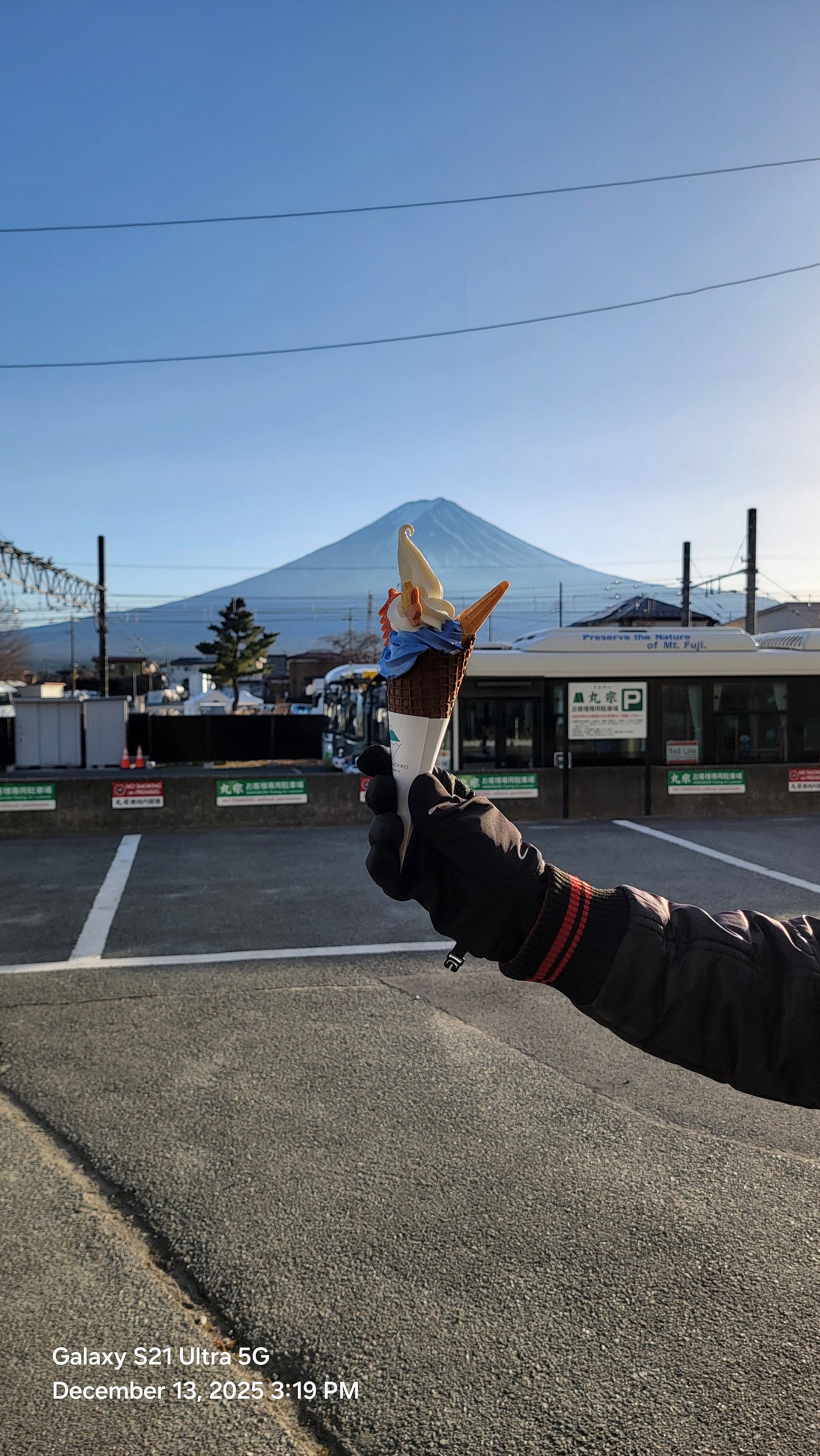
After the walk, I did the most “tourist” thing possible: I ate ice cream in the freezing cold. There is a specific kind of joy in that irony! I collected my first Mount Fuji stamp — a physical mark of a spiritual journey — and headed back.
As the sun dipped below the horizon at 5:00 PM, the world changed. Suddenly, white flakes began to drift from the sky. My first-ever snowfall. I stepped outside, laughing like a child, watching the flakes melt against my skin. The world turned into a pristine, white dream, and every step I took made a soft, satisfying crunch. There I was, dancing in the snow, while the silhouette of Mount Fuji stood witness in the dark.
Japan doesn’t just show you sights; it gives you gifts you didn’t even know you were looking for.
Day 4: The Speed of Transition
A Foggy Farewell
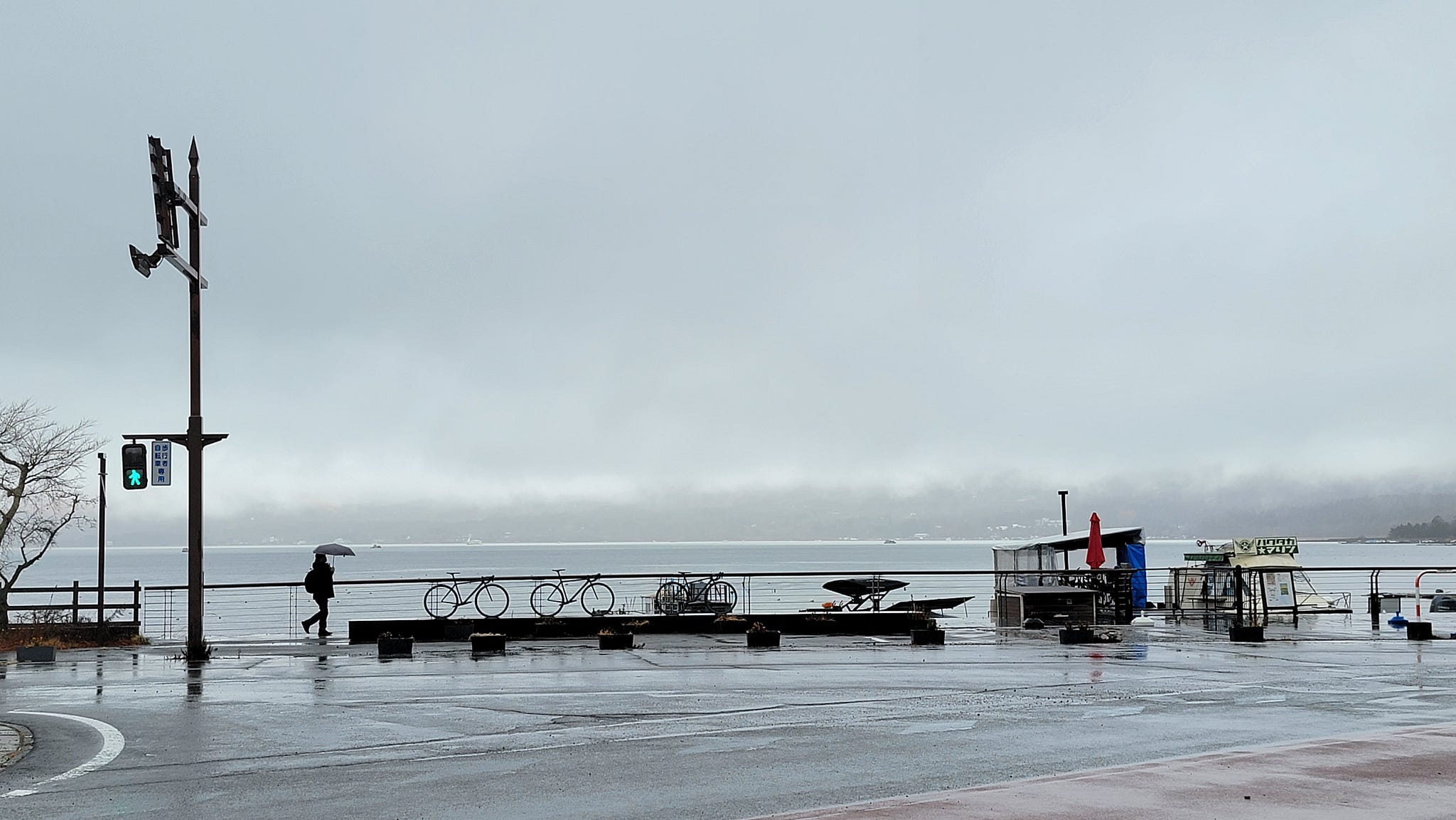
My final morning at the foot of Mount Fuji felt like a scene from a dream. I stood by the shores of Lake Yamanakako, watching the graceful swans glide across the water. But Fuji-san was nowhere to be seen, hidden behind a thick, heavy veil of fog. I couldn’t help but smile; it felt as if the mountain was sulking, saddened by my departure.
The truth was, the feeling was mutual. With snowflakes dancing in the mist around me, I whispered a promise to the hidden peak: I will return. I asked for a blessing for our next reunion, a grander one, before turning my back on the mountain to face the future.
The Bullet to the Heart of Culture
To get to Kyoto, I had to experience a marvel of human ingenuity: the Shinkansen.
I boarded the Hikari Shinkansen, opting for the “Green Car” — a first-class sanctuary of plush recliners and massive windows. Then, the acceleration began. It wasn’t just a train ride; it was like flying on rails. To see these machines running with the frequency of a local metro, yet with the precision of a Swiss watch, is to see Japan’s brilliance in its purest form.
As we sliced through the landscape, Japan became a blur of contrasts: bustling steel cities melting into tranquil green countryside, mountains standing like sentinels, and rivers glistening like silver threads.
A Celestial Welcome
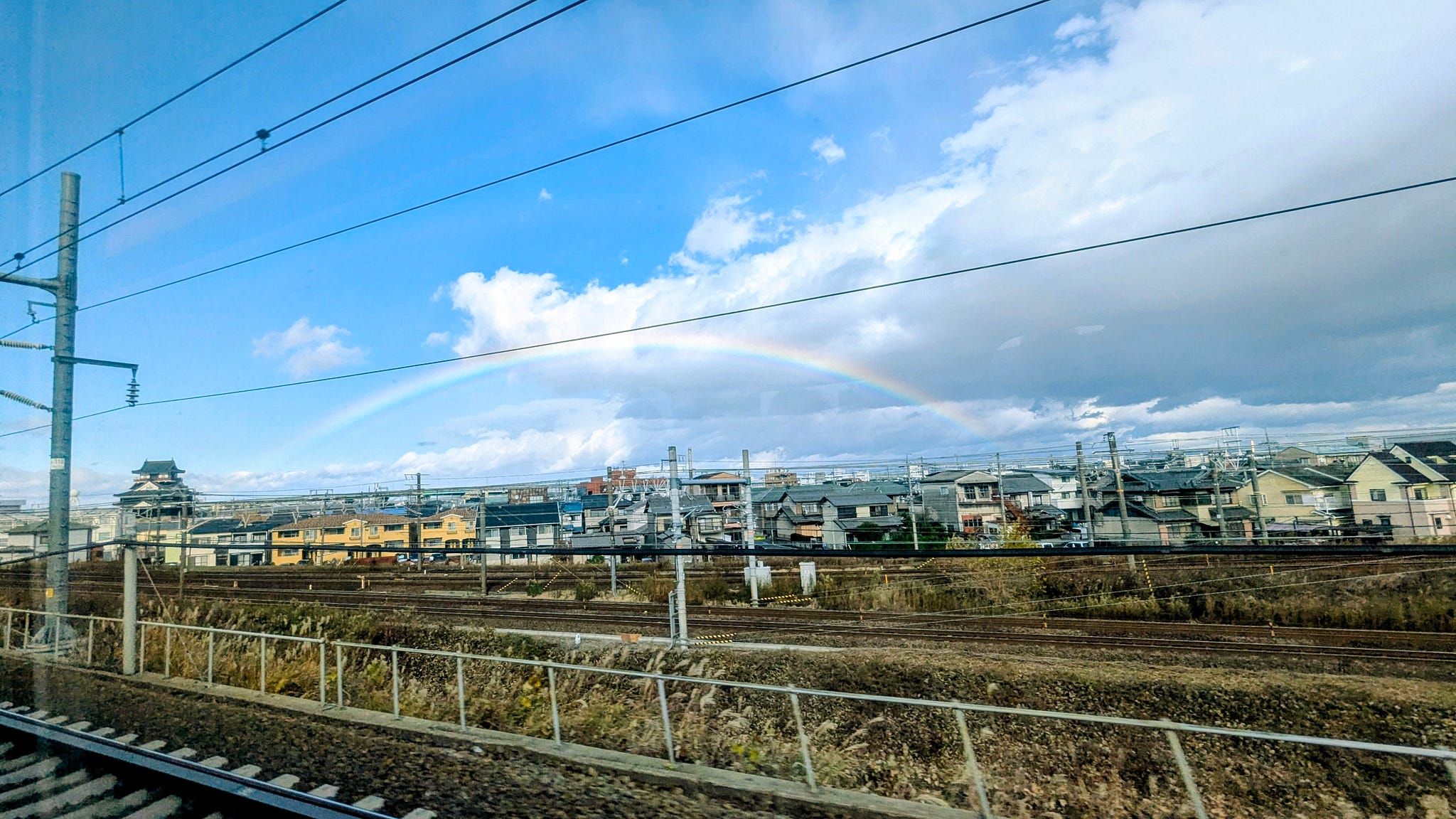
And then, as if the universe wanted to top the magic of the morning’s snow, a rainbow appeared. Not just a fragment, but a complete, vivid arc stretching across the sky. I had never seen a full rainbow in my life. Every colour was sharp and distinct, a celestial welcome mat rolled out by Kyoto as I approached. Kyoto — the spiritual heart of Japan, filled with shrines, Geisha culture, and hidden gardens
At exactly 2:00 PM — because the Shinkansen does not believe in “almost” — I stepped out at Kyoto JR Station and walked into Miyako Hotel Kyoto Hachijo.
Day 5: The Ancient Boss & The Bowing Deer
The City That Remembers
Kyoto doesn’t just have history; it is history. Having served as the capital for over a millennium, the city landscape carries a specific kind of dignity — the charm of a “boss” is still in the city.
To navigate this vast cultural treasure, I joined a guided tour with Klook. Our itinerary was a trio of Japan’s most iconic sights: Nara Park, the Arashiyama Bamboo Grove, and the vermillion corridors of Fushimi Inari.
Departure First: A Lesson in Respect
The day began with a sharp lesson in Japanese philosophy. When one group arrived late, our guide didn’t hesitate. At exactly 9:00 AM, the engine started. His policy was simple: “Departure First.” It was a revelation. He explained that because the Japanese are so deeply apologetic if they cause a delay to others, they have every right to be unapologetic about starting on time. It wasn’t about being rude; it was about honouring the commitment made to those who were there. “Departure First” is a principle I’ve decided to carry home with me — a way to value both my own time and the time of others.
The Story of “Sayonara”
As we wound our way toward Nara, the guide shared the story behind one of the world’s most famous goodbyes. He spoke of the era when the Emperor decided to move the capital from Nara to Kyoto. For the people of Nara, this was a moment of profound loss and transition.
Out of this era of change came the word “Sayonara.” Rooted in the phrase “Sayo nara, saba” — meaning “If it must be so…” — it wasn’t just a farewell. it was an act of surrender. It was the people’s way of saying: “If the era must change, and the King must depart, then we accept it with grace.” It transformed a goodbye into a recognition of life’s fleeting nature.
The Sacred Citizens of Nara
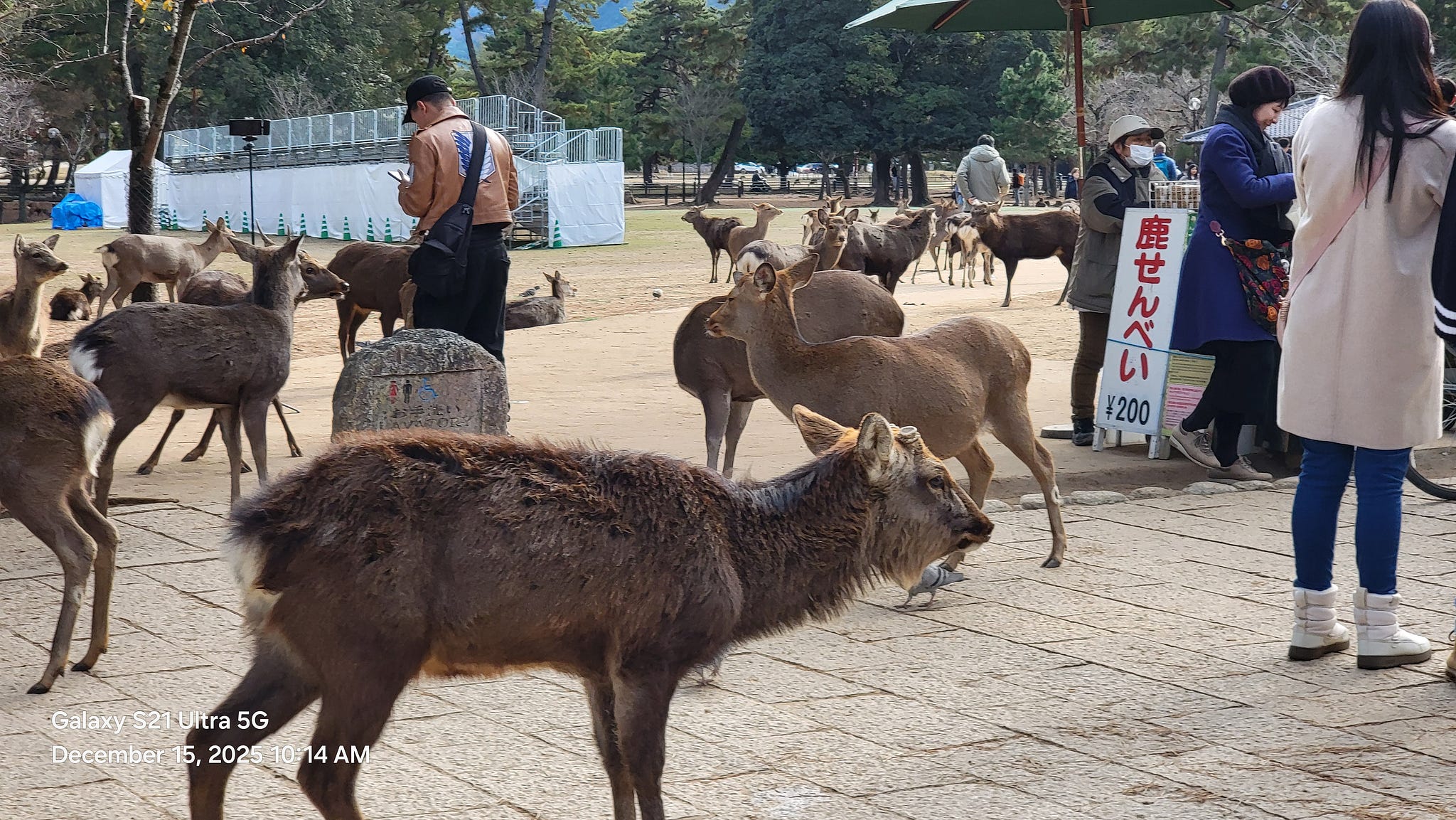
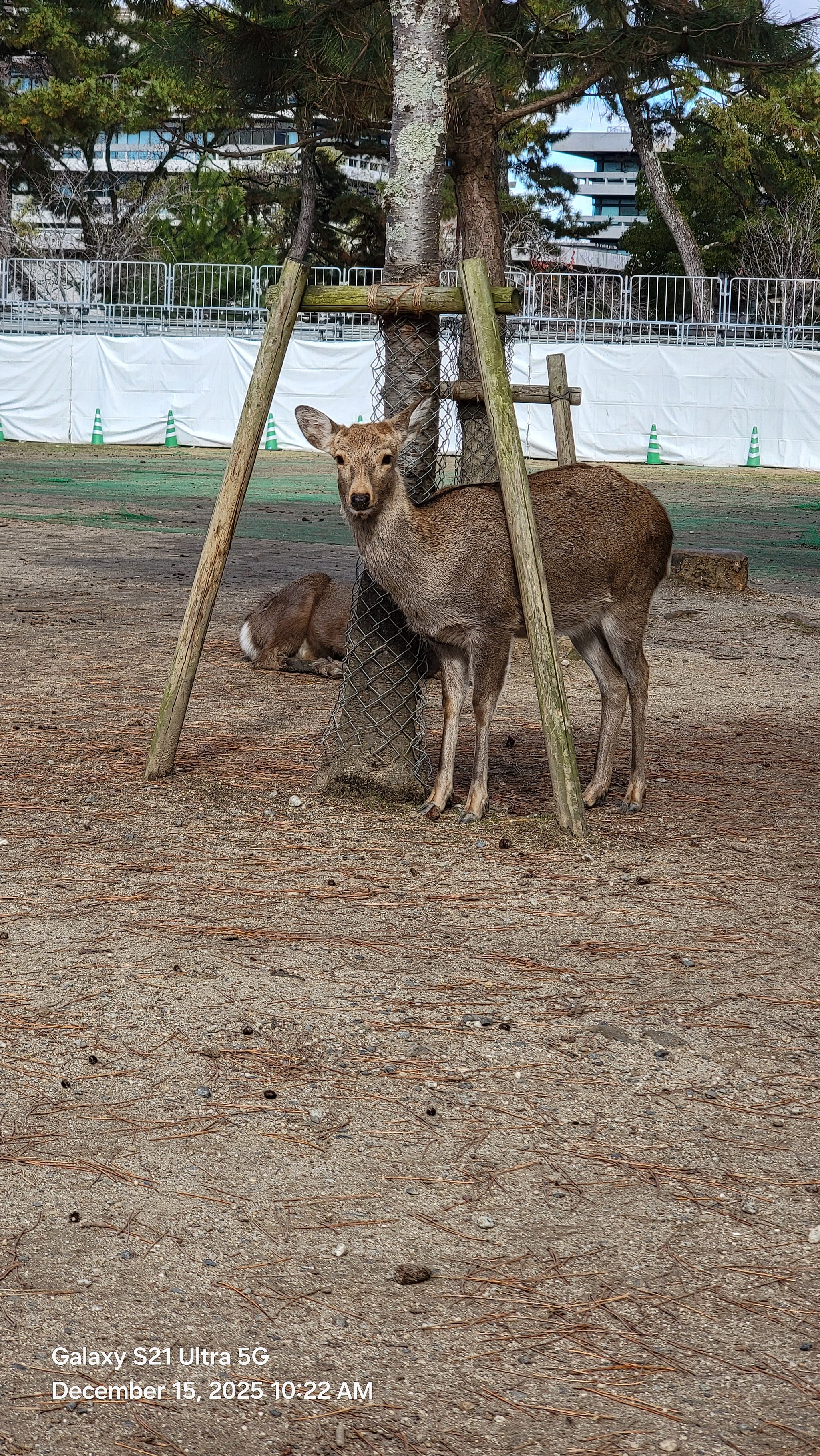
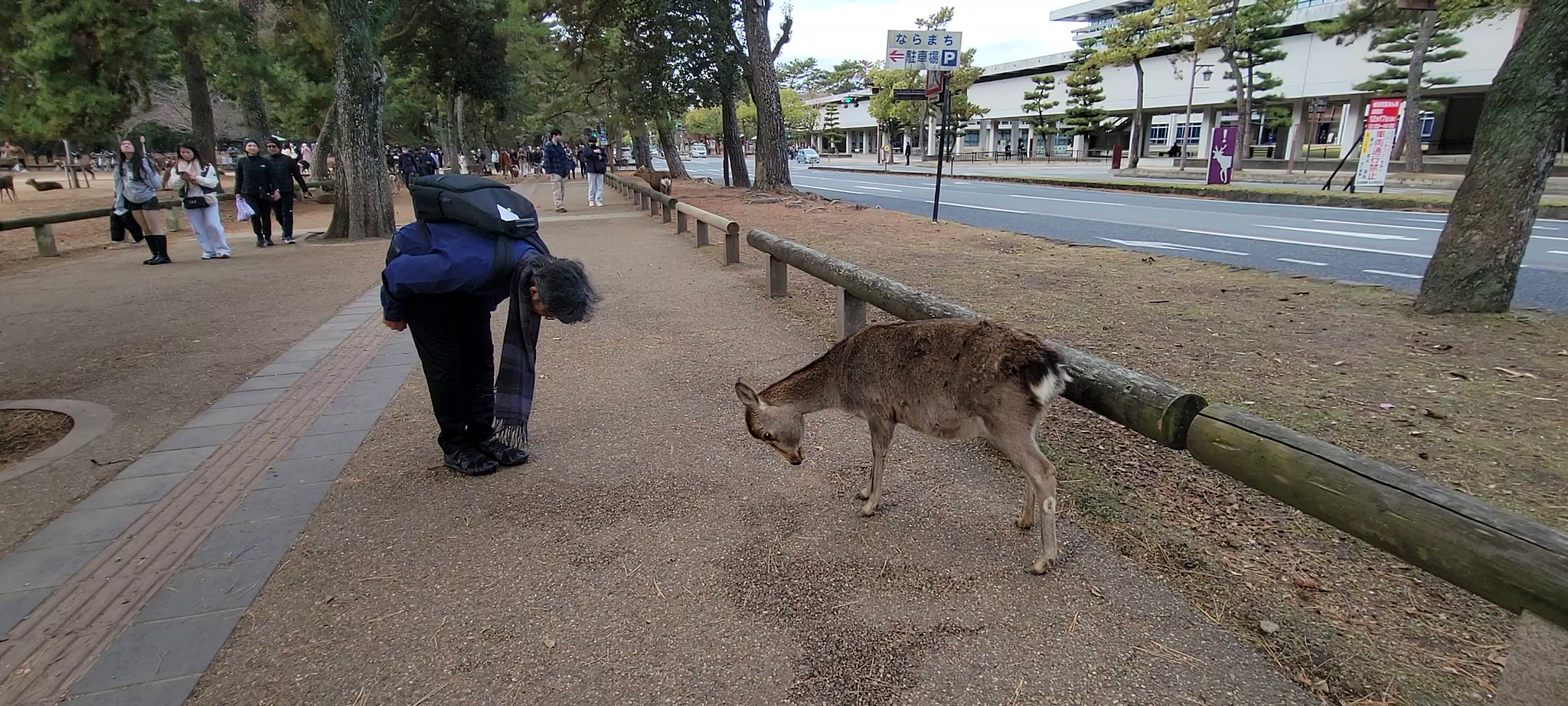
With that sense of history, we entered Nara Park. I repeat: I have never seen so many deer in my life. But these are not wild animals; they are the Shika — sacred messengers of the gods living in absolute harmony with millions of visitors.
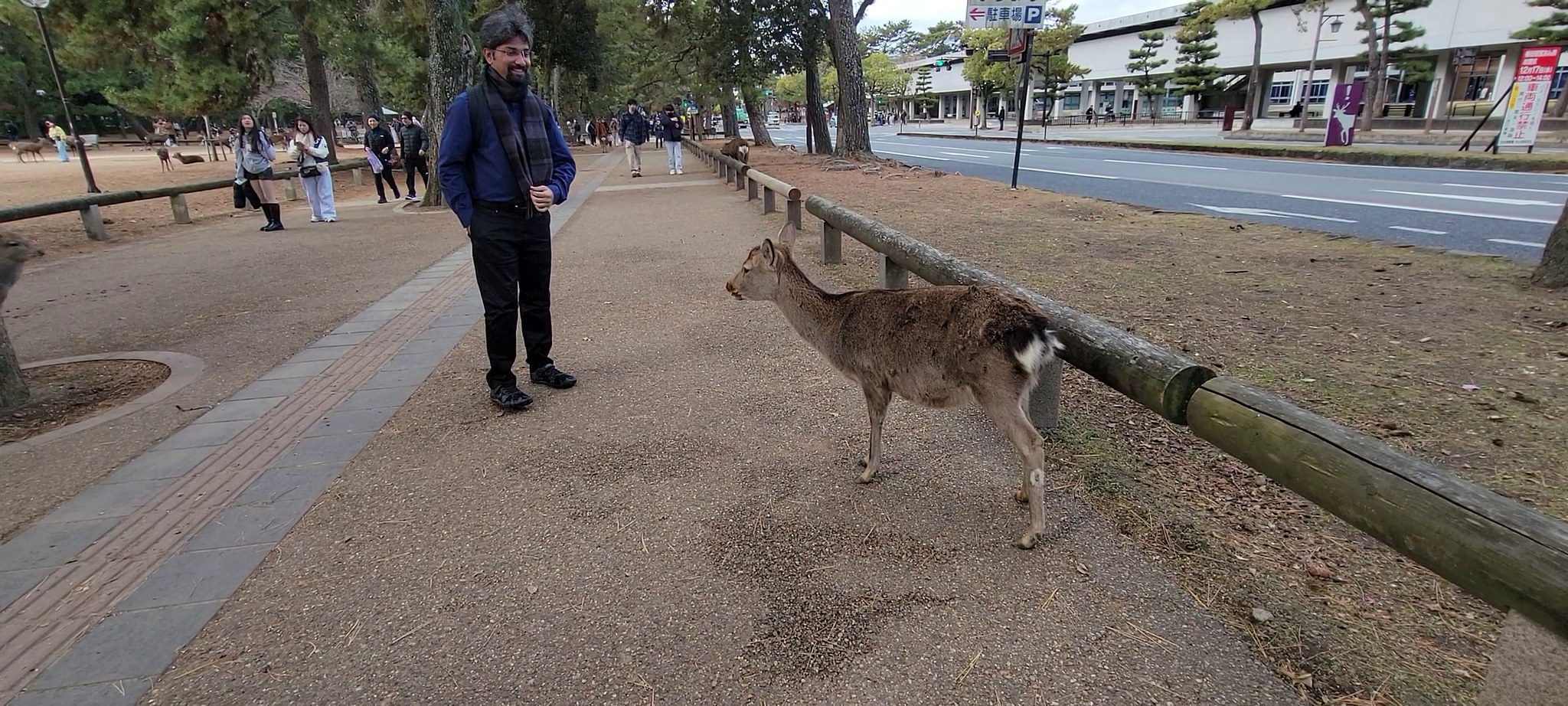
The discipline of these “divine messengers” was staggering. I watched, mesmerised, as deer waited patiently at the curb to cross the road using the zebra crossings. But the true spiritual connection happened when I approached them. In Nara, respect is a two-way street: when you bow to a deer, they bow back.
I sat and interacted affectionately with them, feeling a surge of gratitude. Some say if a deer refuses to bow, the divine isn’t ready to hear you — but in that moment, as heads dipped in mutual respect, I felt an overwhelming sense of being “seen” by the spirit of Japan.
Arashiyama: The Language of the Mountains
Leaving the blessing deers of Nara behind, we headed toward the western outskirts of Kyoto to a place called Arashiyama. Our guide explained that in Japanese, Yama means mountain — and here, the mountains don’t just sit on the horizon; they embrace you.
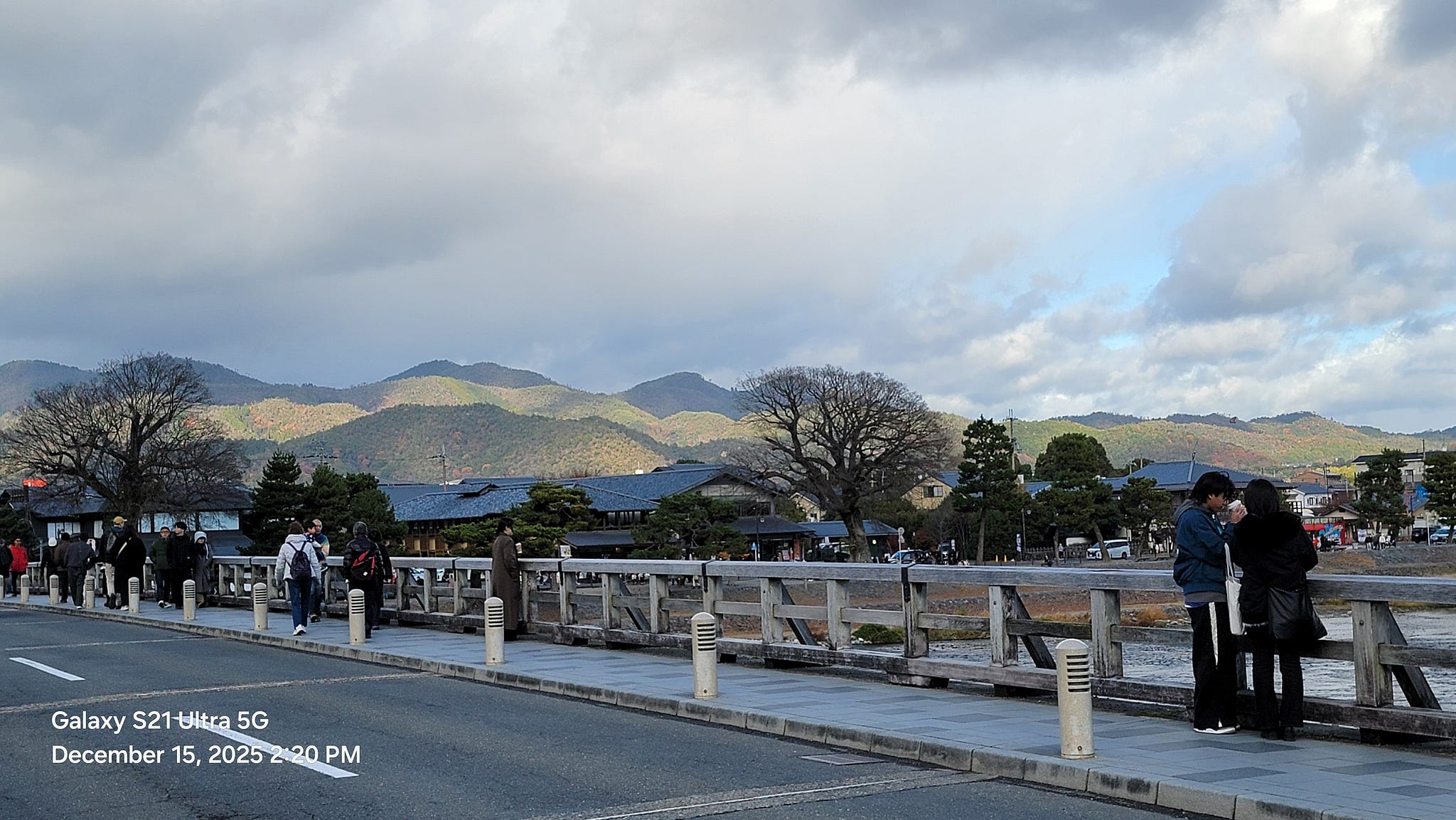
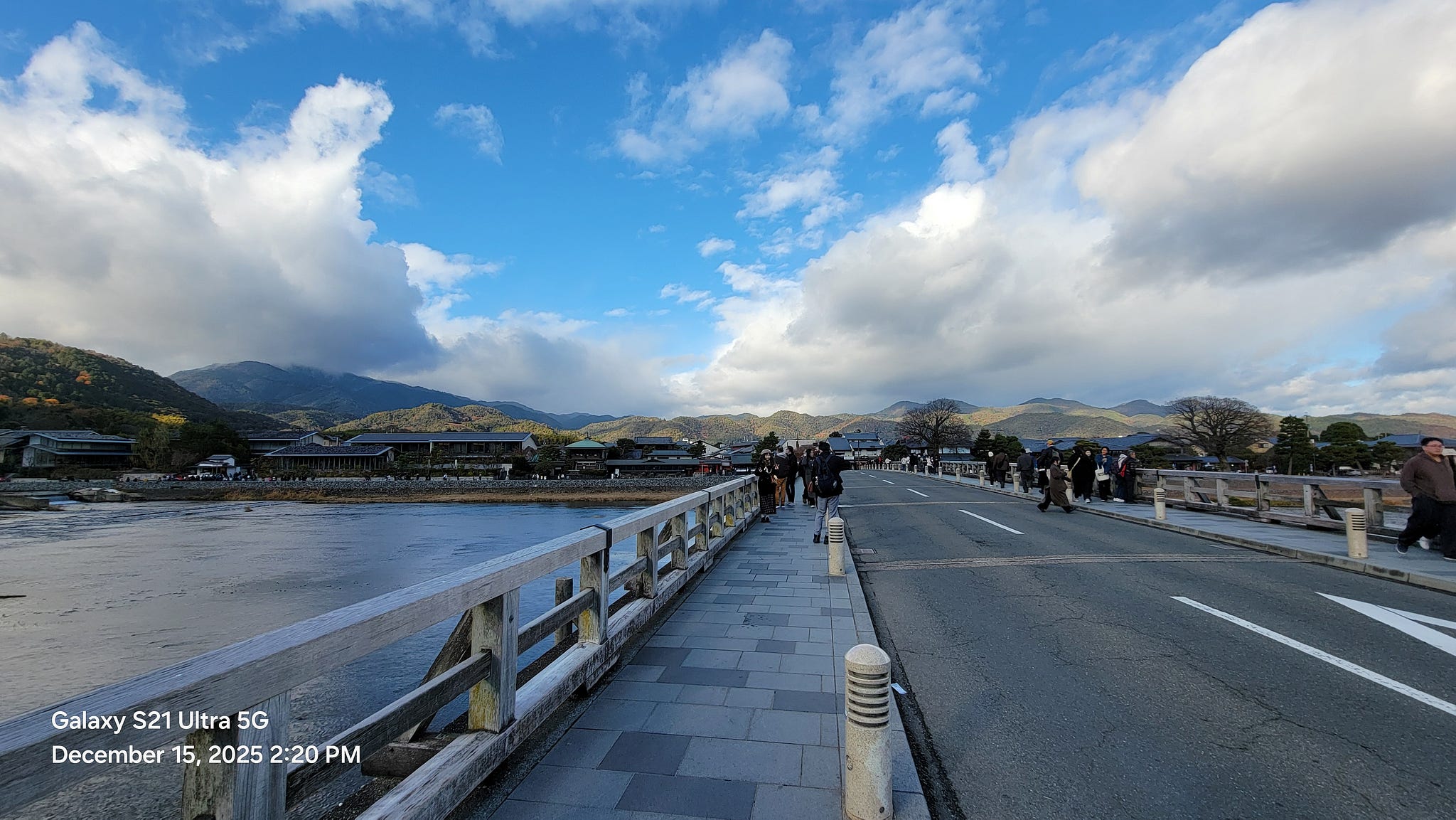
Arashiyama is a canvas of specialised “forests,” each with its own soul. We passed the Togetsukyo Bridge, or the “Moon Crossing Bridge.” Standing there, watching traditional wooden boats glide along the river against the backdrop of forested hills, it felt as though the modern world had simply ceased to exist. It was a picturesque scene that looked less like a tourist spot and more like a silk-screen painting come to life.
Then, we entered the heart of it all: the Sagano Bamboo Forest.
Walking into the grove is like stepping into a different frequency of reality. The stalks of bamboo don’t just grow; they soar, stretching so high they seem to hold up the sky. But the most striking part wasn’t what I saw — it was what I heard. When the wind moves through Arashiyama, the bamboo stalks clack and whistle against each other. It is a rhythmic, hollow sound that feels like the mountain is breathing. In that forest, the noise of the world fell away, replaced by an intense, towering serenity.
Fushimi Inari: The Path of Ten Thousand Prayers
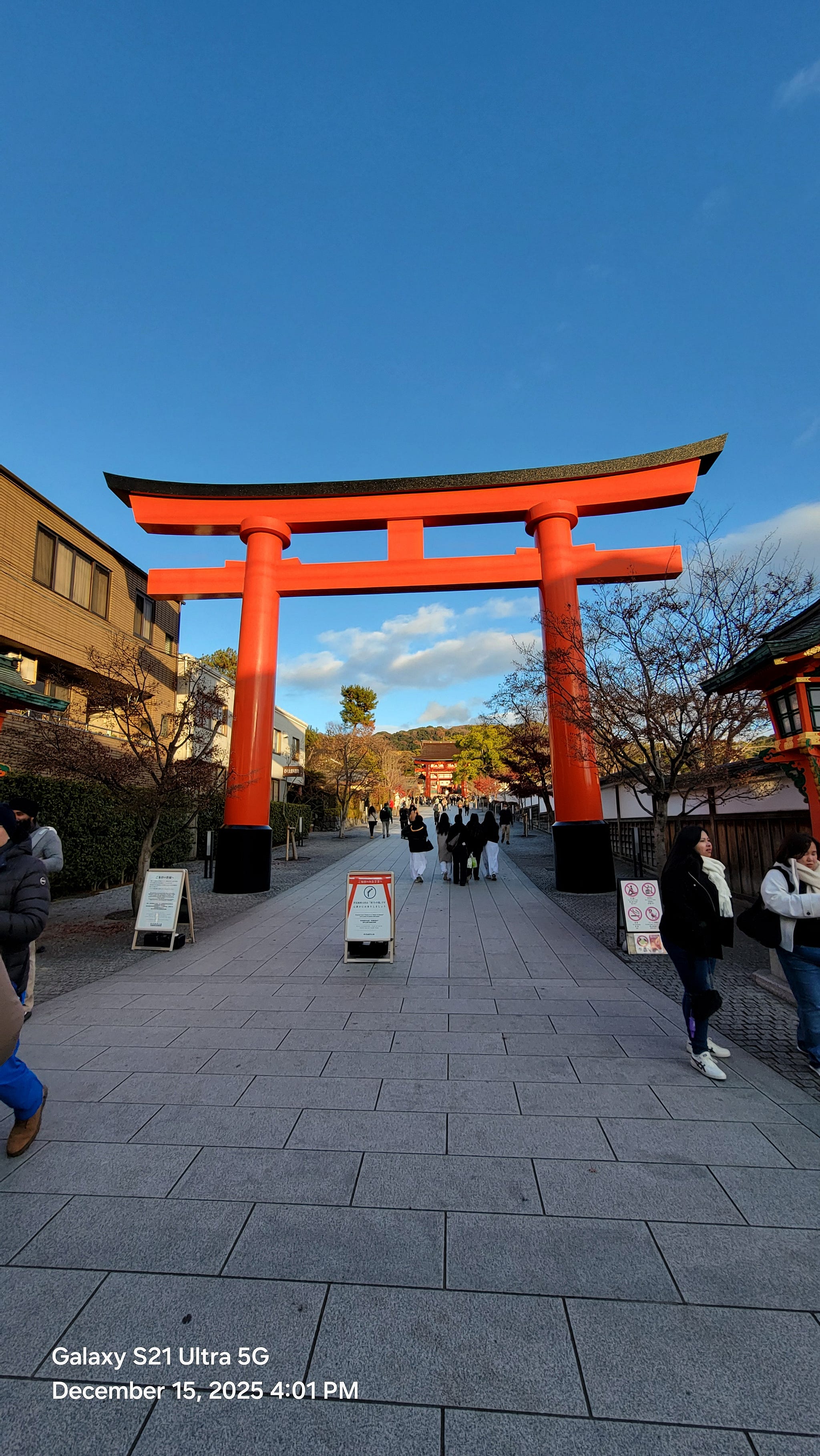
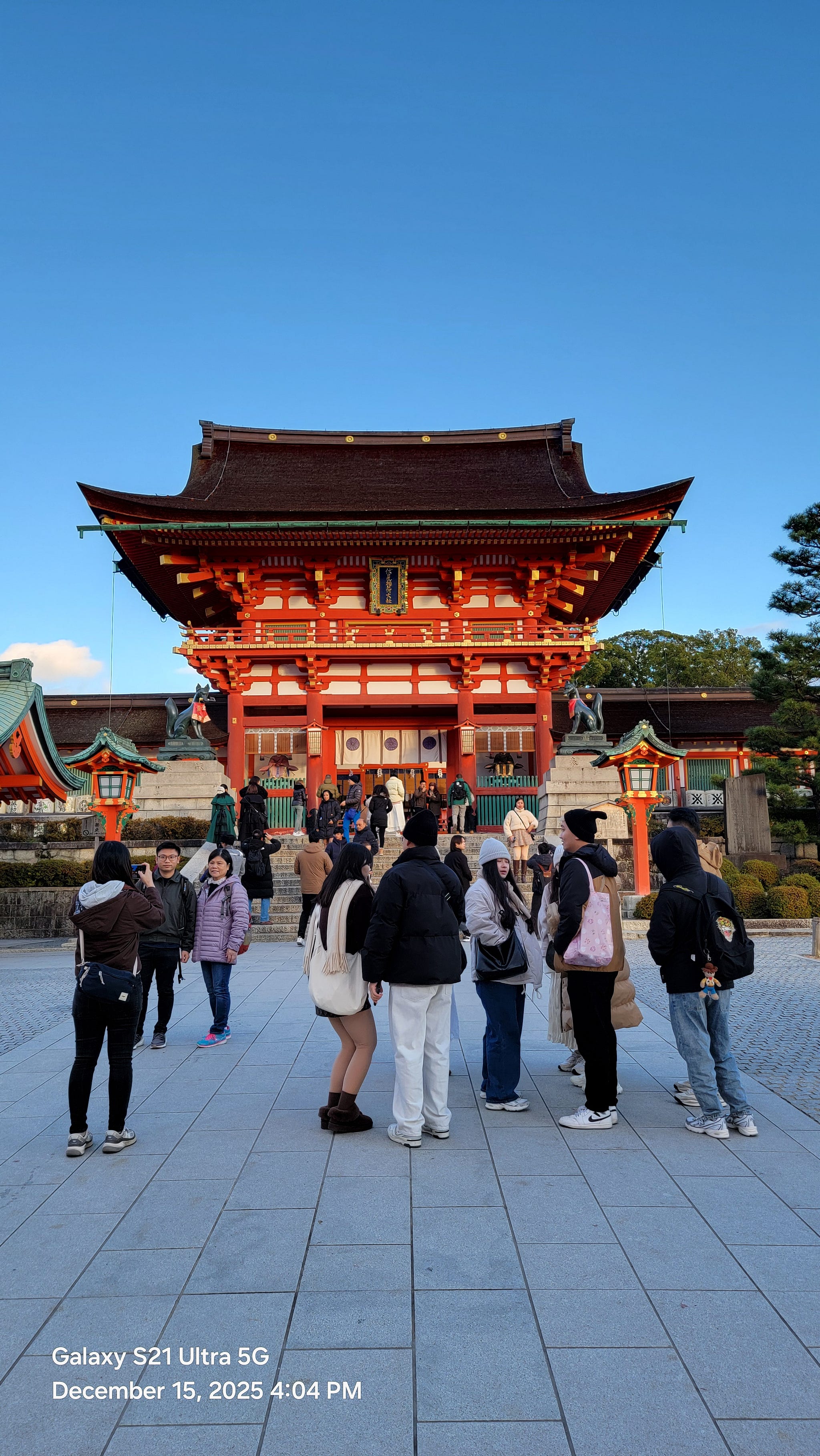
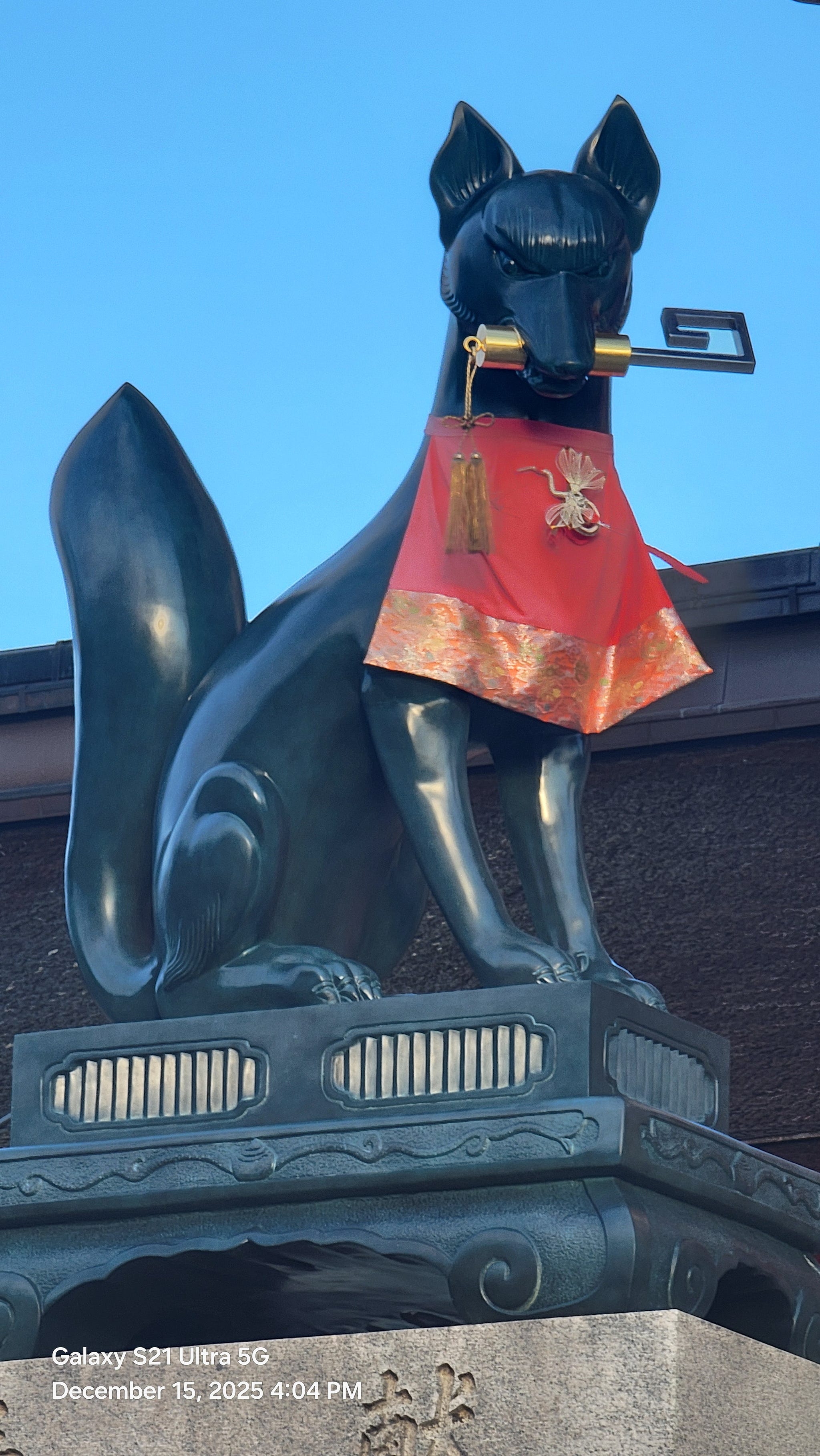
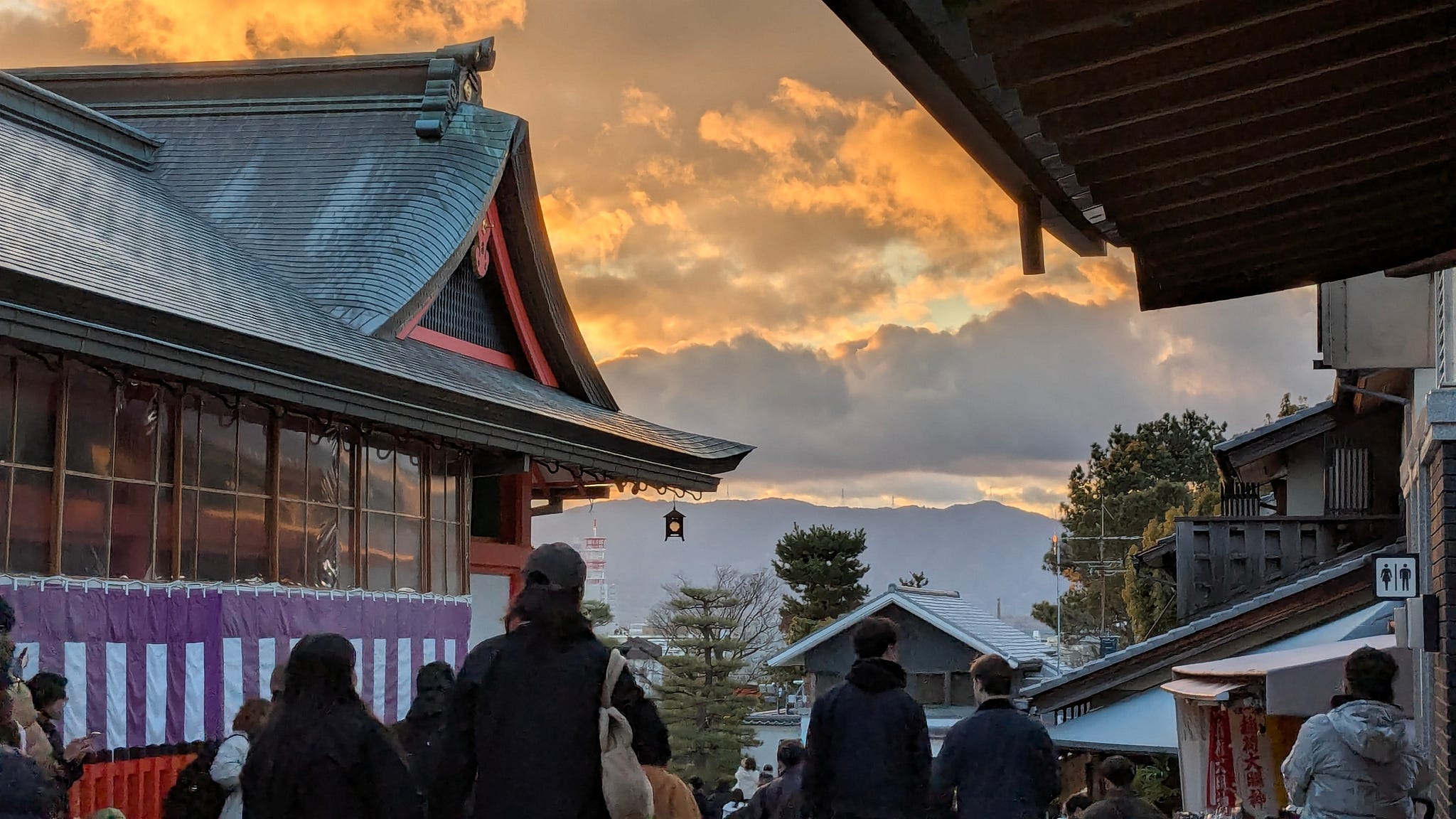
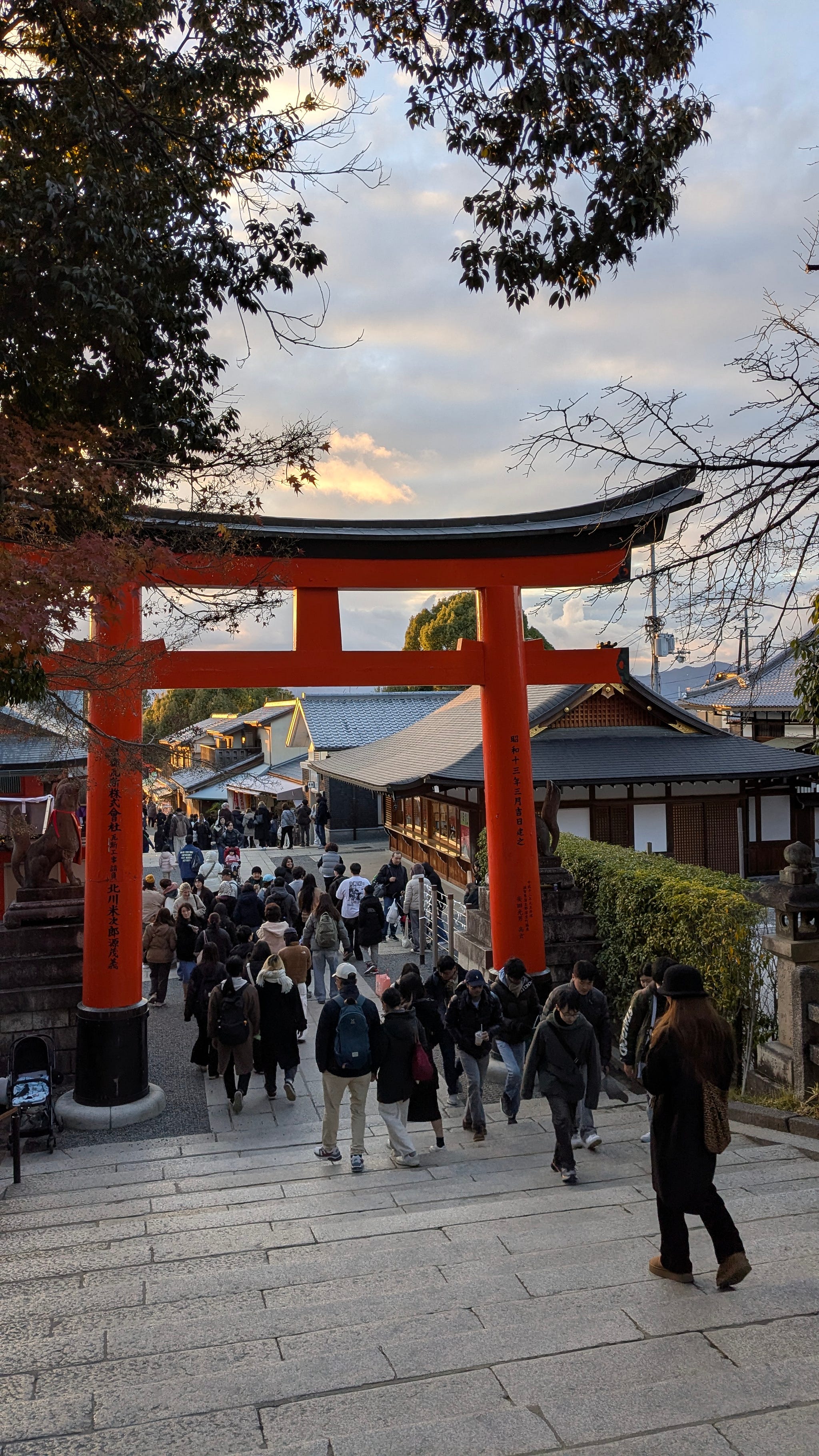
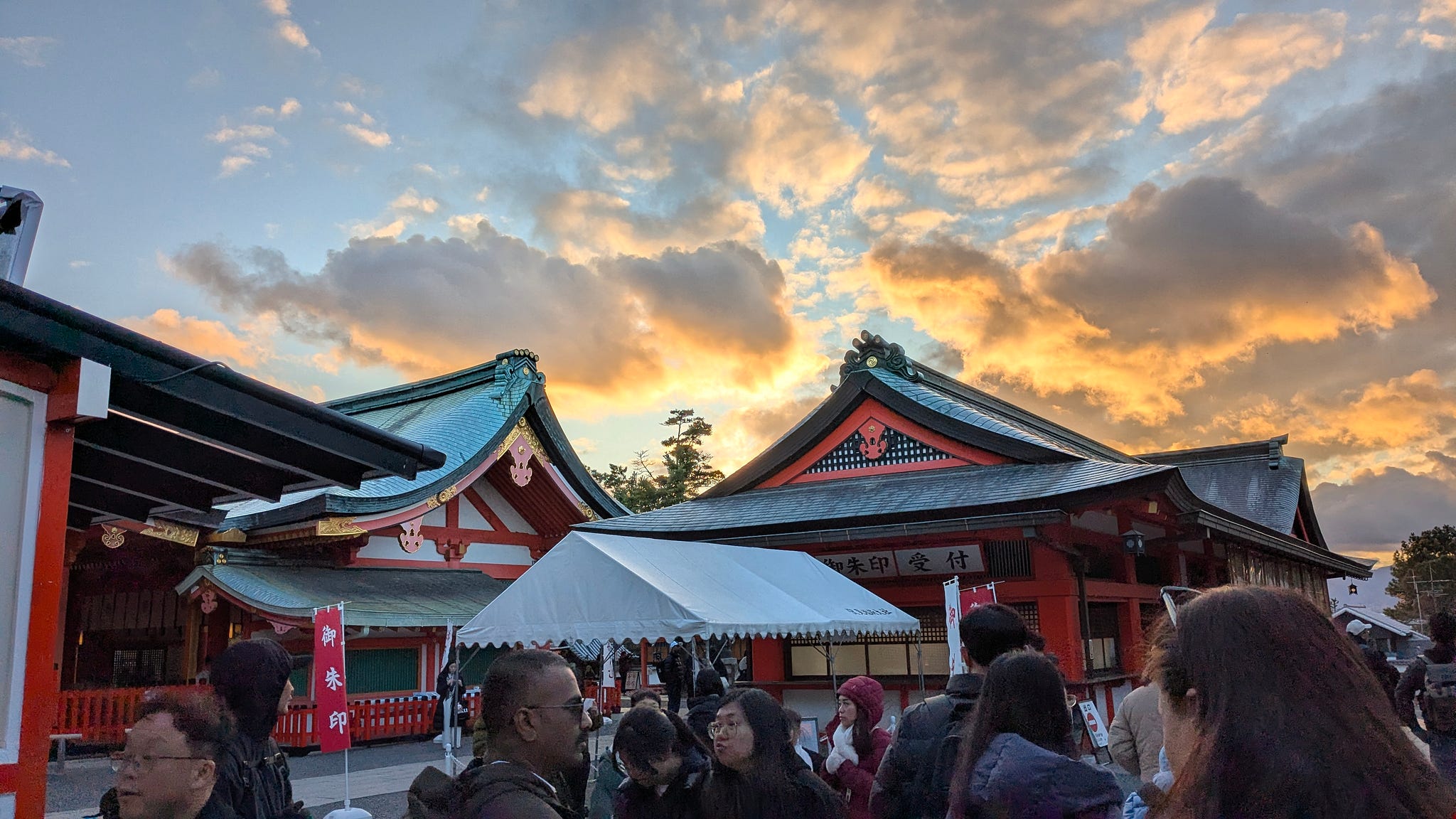
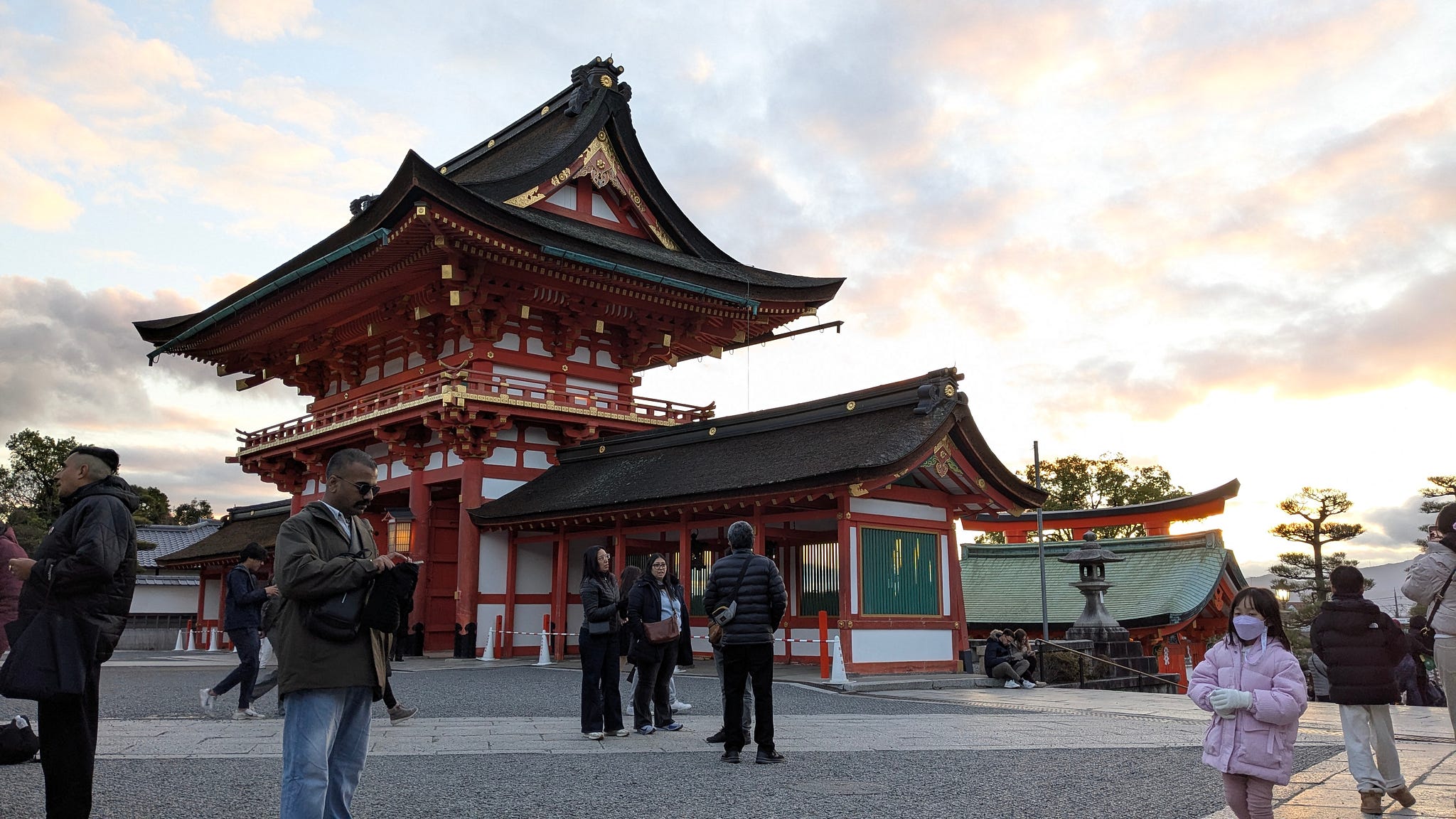
The final destination of our day was perhaps the most iconic image of Japan: Fushimi Inari Taisha. As we approached the grand entrance, our guide shared the legend of the Kitsune — the stone foxes that stand guard with keys or scrolls in their mouths.
In ancient times, foxes appeared out of nowhere to protect the grain from rodents. To the farmers, this was divine intervention. These foxes became the sacred messengers of Inari, the deity of rice and the patron of business and professional success. Today, people from all over the world travel here to seek prosperity and the “opening of doors” in their lives.
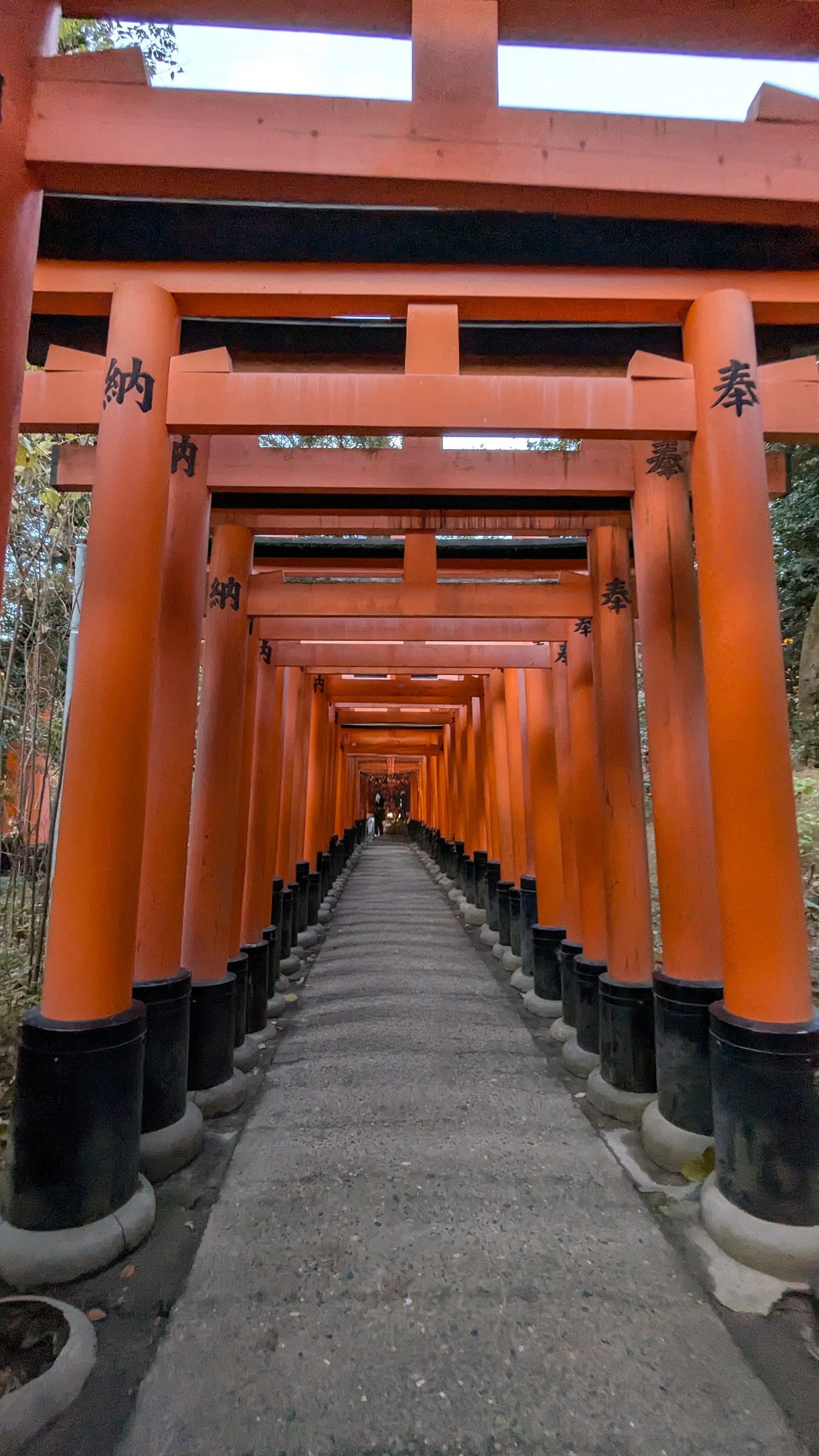
The sight of the Senbon Torii (thousands of torii gates) is overwhelming. Each of these vibrant orange gates has been donated by an individual or a company — some as a prayer for the future, others as an act of deep gratitude for a desire already fulfilled. To walk through the gates is to walk through a physical tunnel of human hope.
A Mission of Selfless Intent
While many visit Fushimi Inari to ask for their own fortune, my heart took a different turn. I found myself thinking of a dear friend who is currently navigating a very difficult season of her life.
I decided to engage in the ritual of the Ema — the small wooden plaques used to send messages to the divine. I carefully engraved her name on the wood, pouring my intentions for her strength and healing into every stroke. I have always believed that prayers for others are heard more clearly than prayers for ourselves; there is something about selflessness that the divine deeply appreciates. It is a pure frequency, unburdened by our own egos.
I carried her name under the orange gates, seeking a blessing of resilience for her. After hanging the plaque, I didn’t wait to get back to the hotel. I wrote her an email about it that night, trying to bridge the distance and send that mountain energy and those blessings to her across the miles. It was my way of ensuring that, even from across the world, she knew she wasn’t walking her path alone.
True prosperity is the light we ask the heavens to shine upon someone else’s path.
Day 6: The Gold and the Garden
The Kyoto Imperial Palace: A Hierarchy of Art
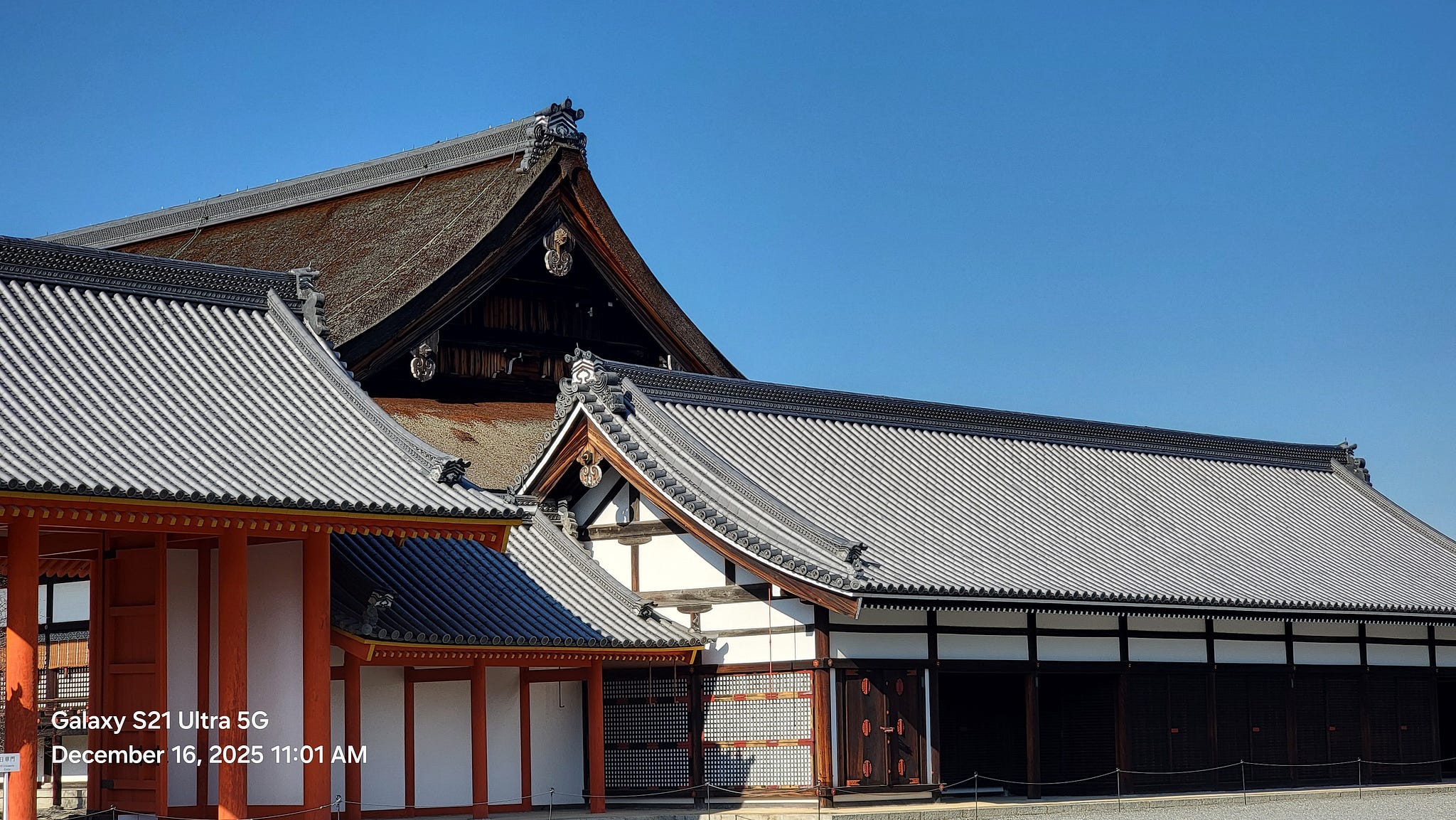
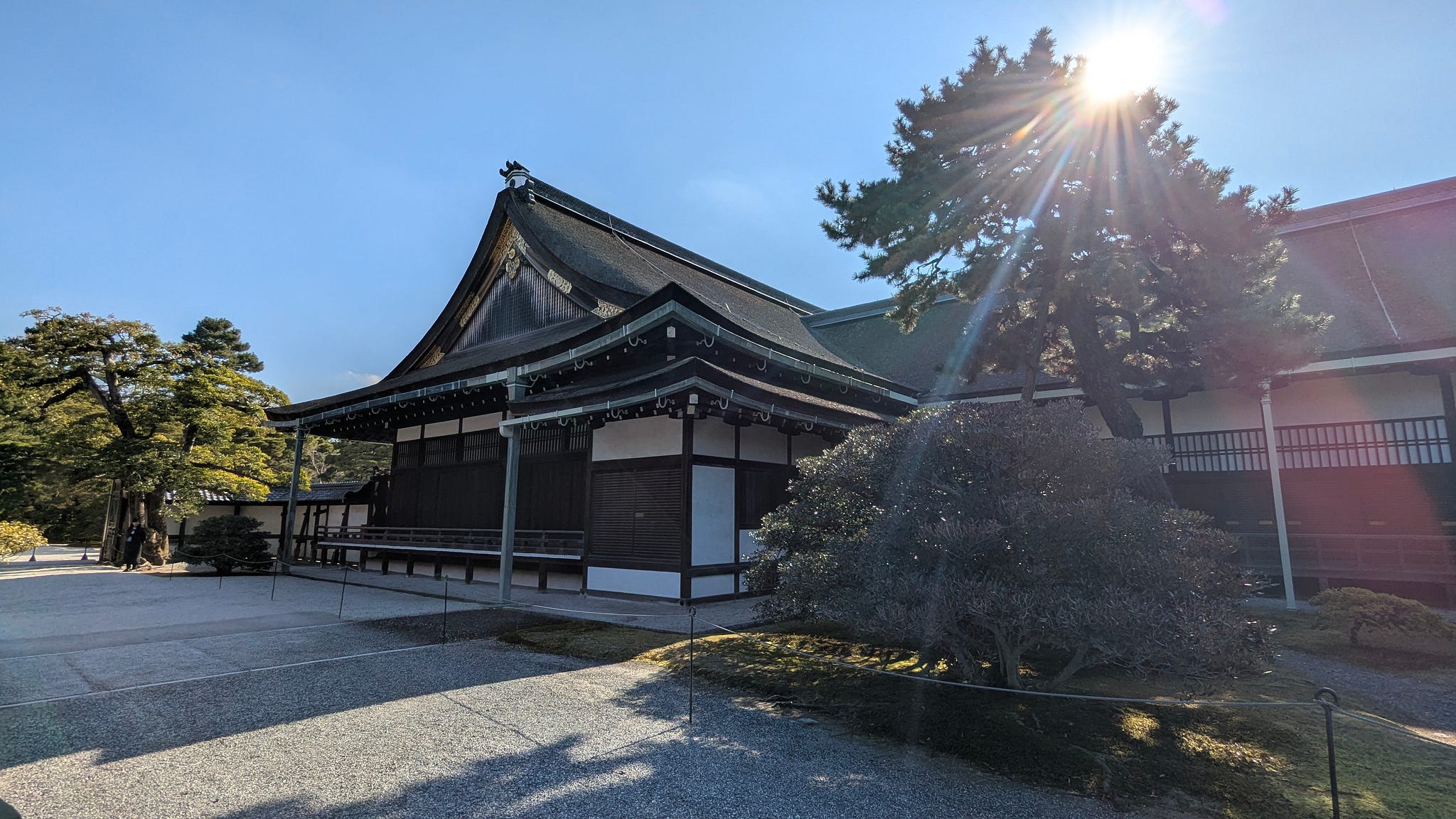
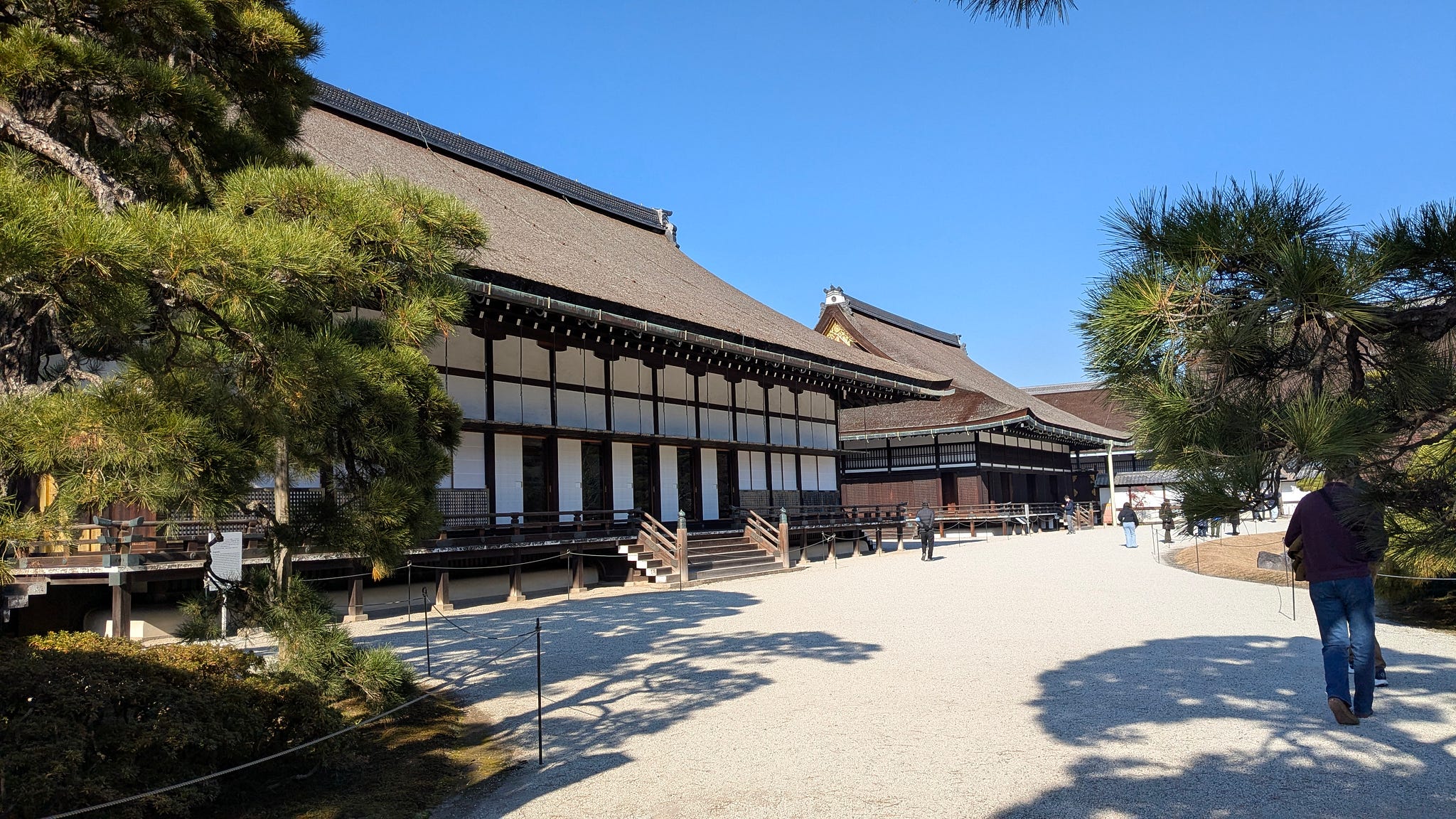
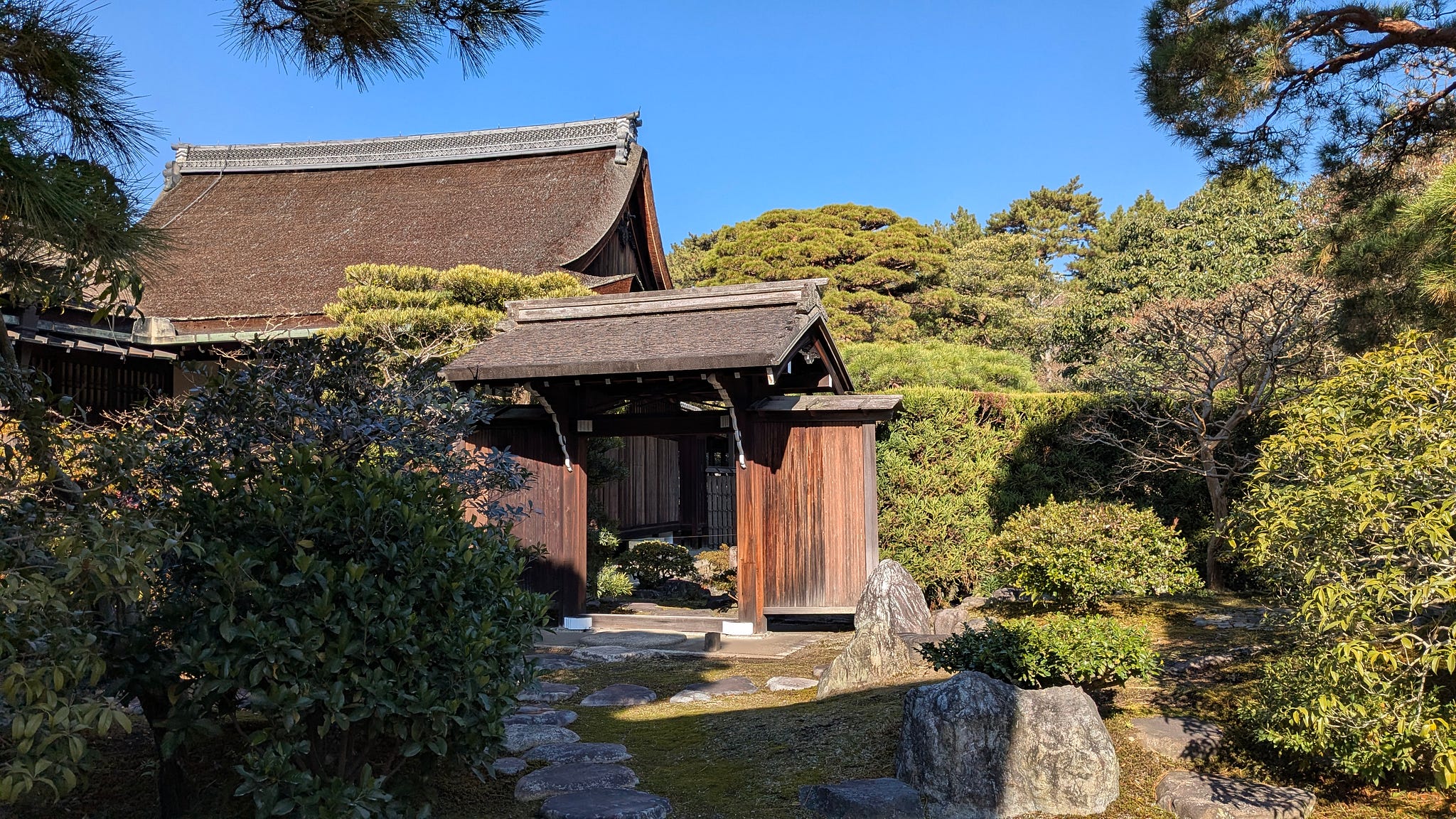
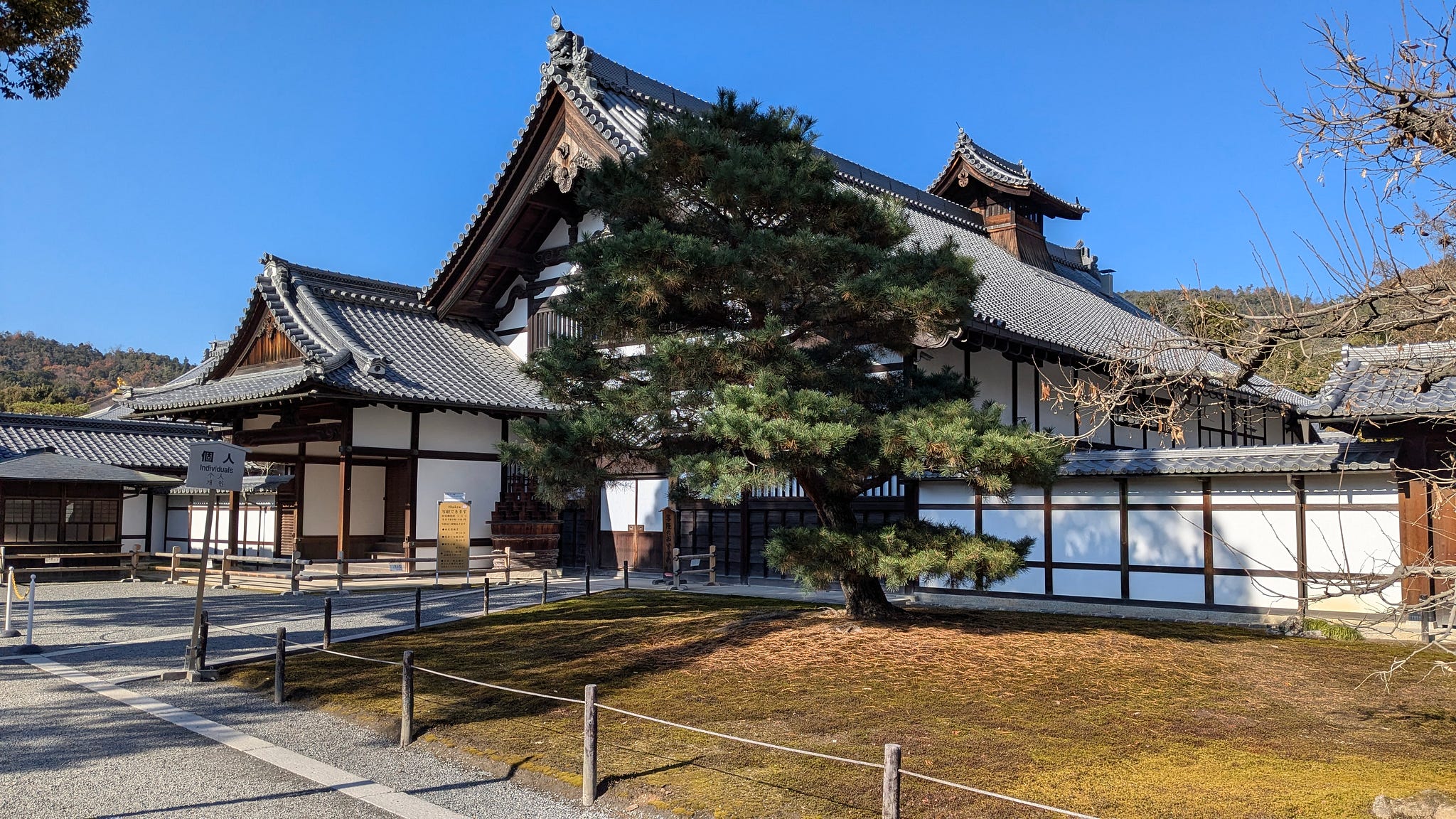
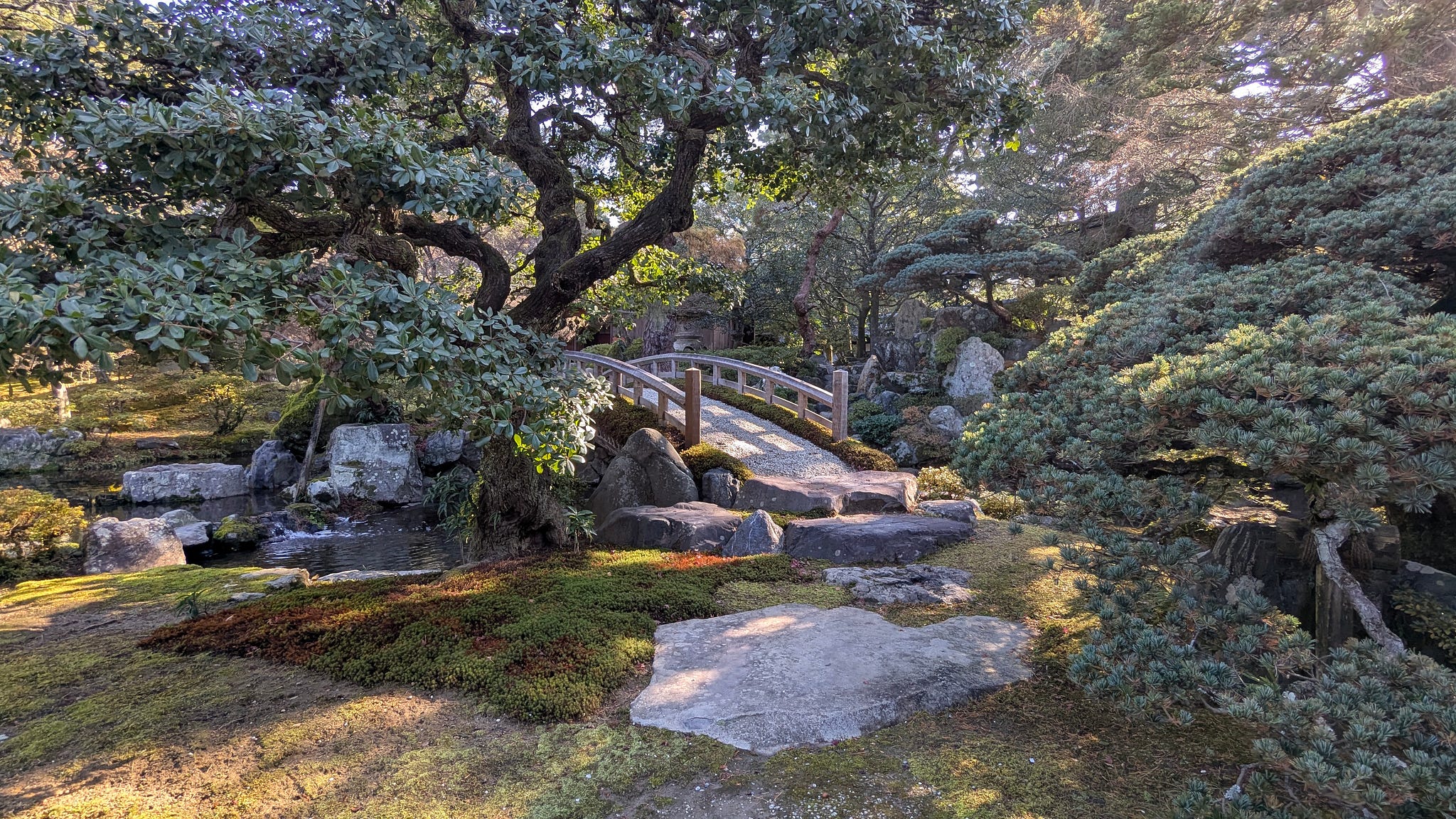
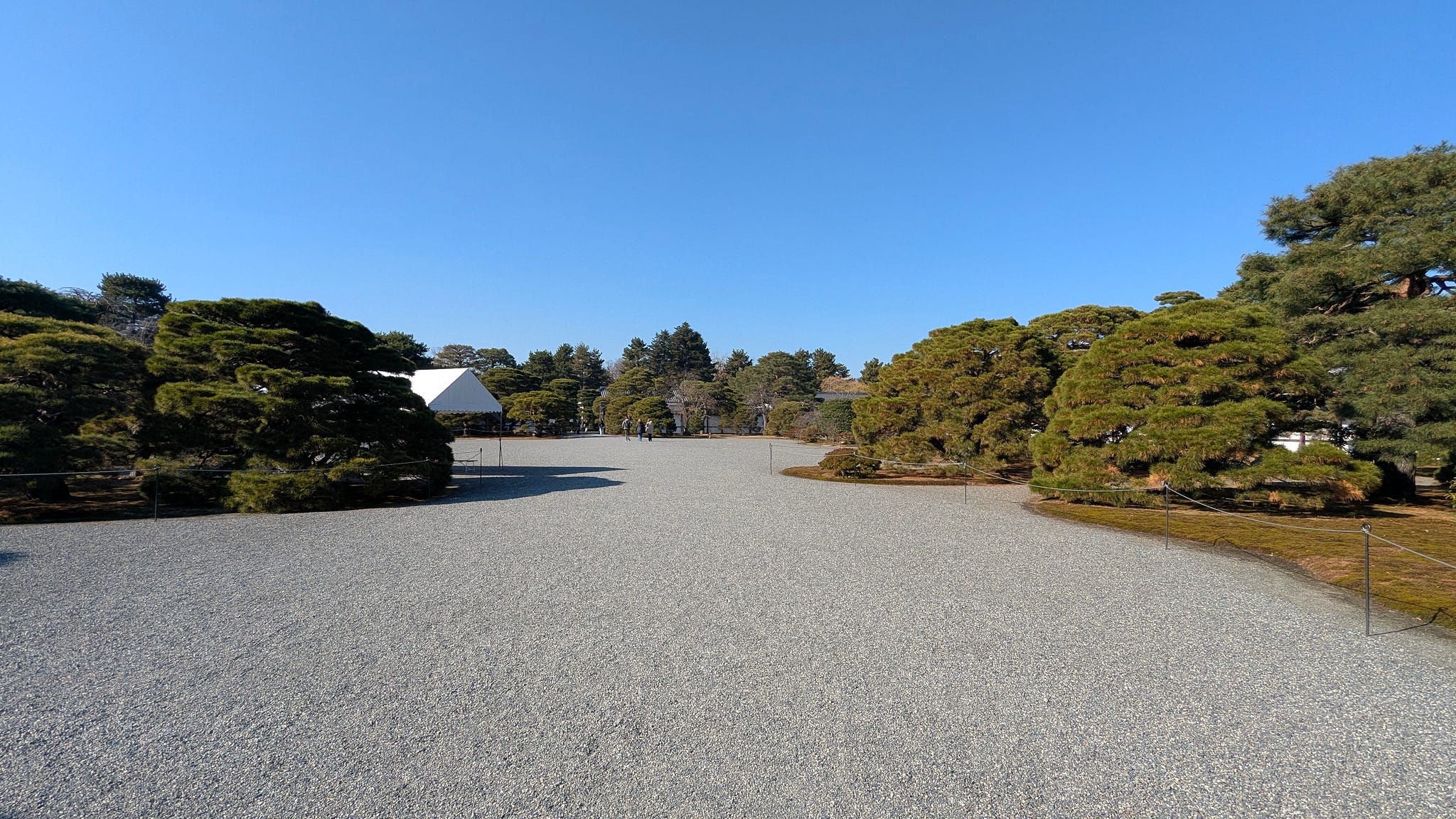
The morning began at the Kyoto Imperial Palace, a sprawling estate that served as the residence of Japan’s Emperors for over five centuries. The first thing that strikes you isn’t just the scale, but the absolute stillness of the vast garden grounds. It is a place that breathes history, maintained with a level of cleanliness that feels almost meditative.
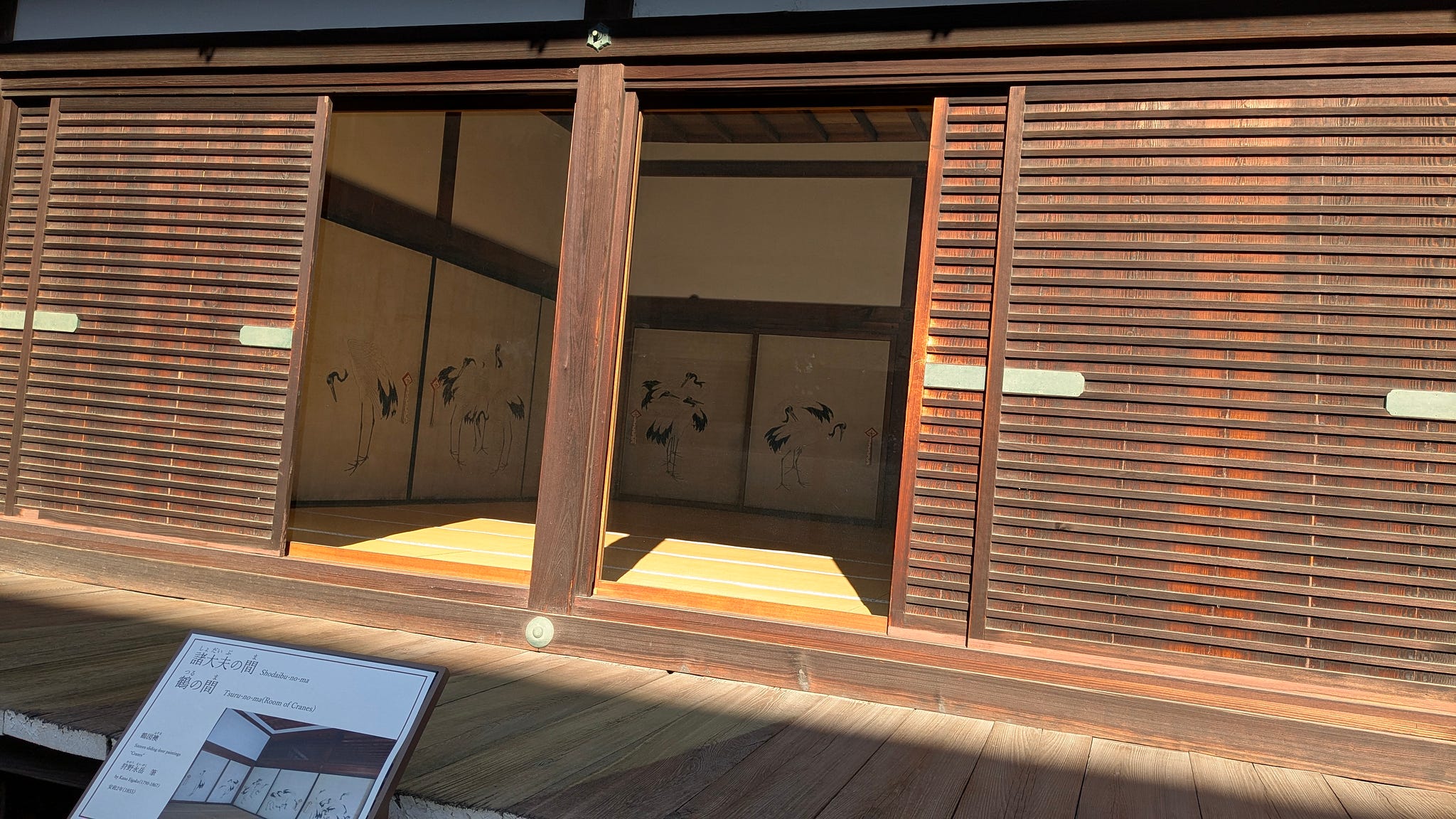
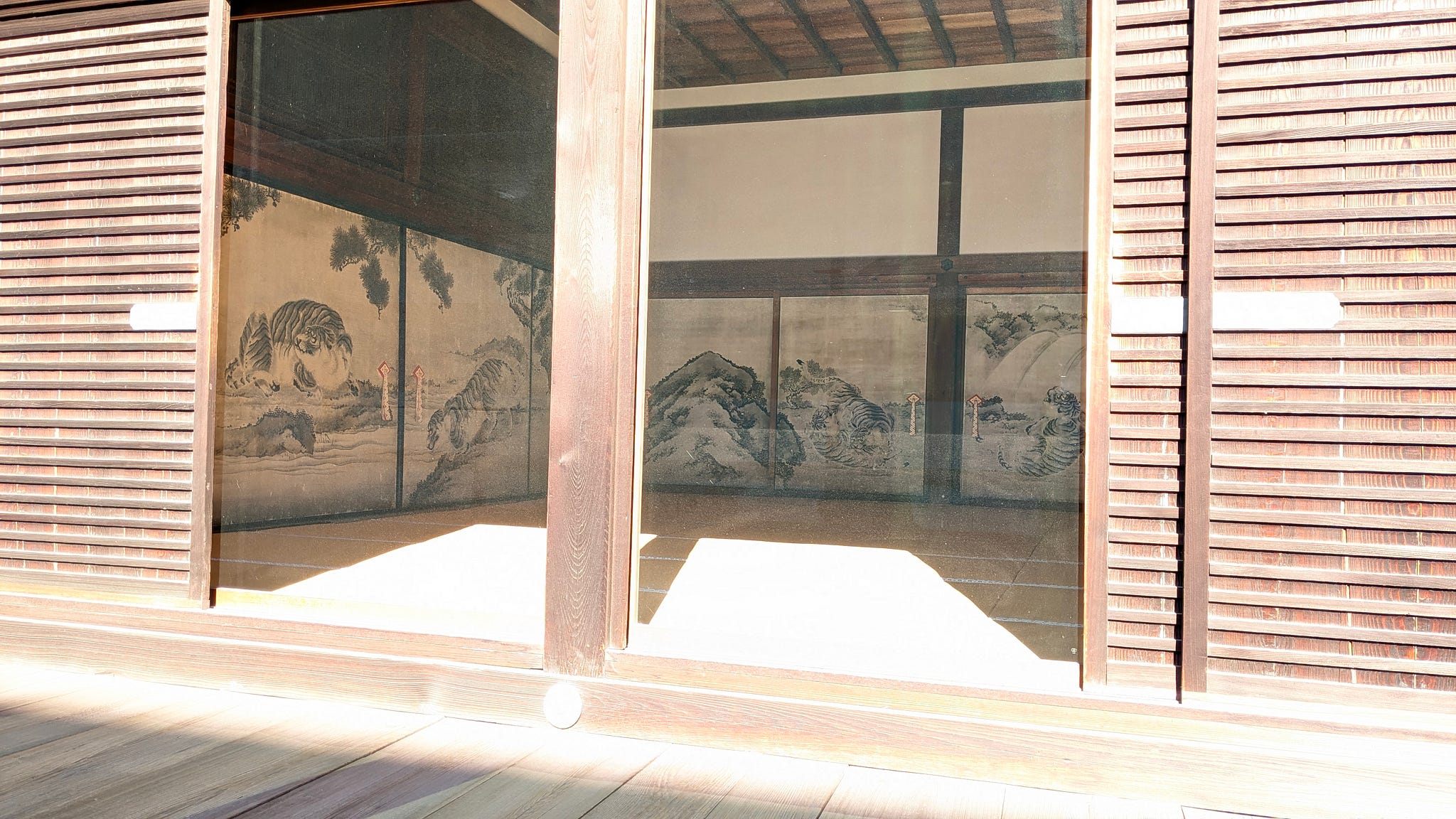
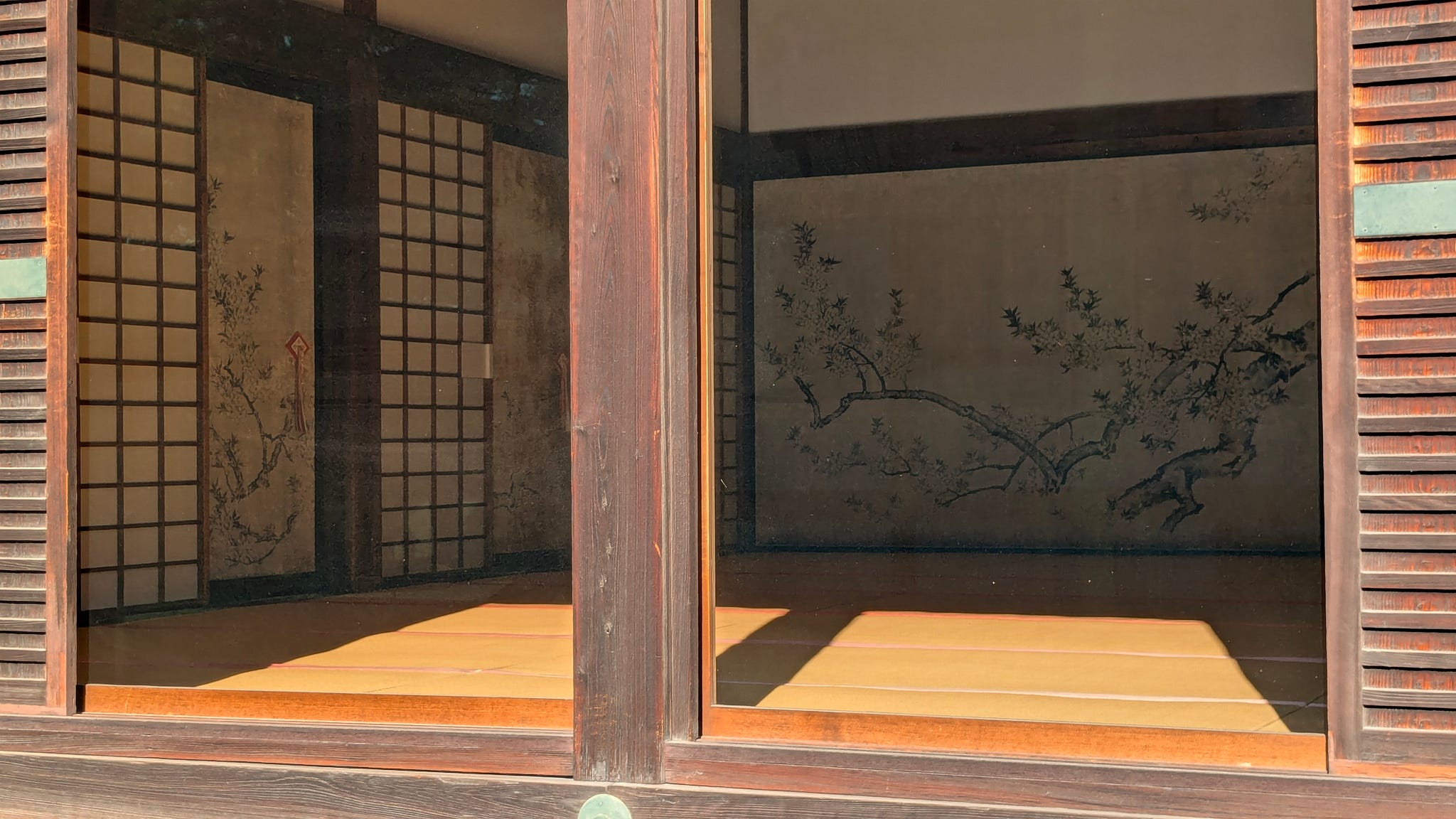
As I walked through the palace grounds, I was fascinated by the Shodaibunoma — the waiting rooms for visitors. In the Imperial court, even the walls spoke of your rank. Guests were assigned to rooms based on their status, each adorned with breathtaking screen paintings:
The Cherry Blossom Room: For those of lower rank, representing the fleeting beauty of the seasons.
The Crane Room: For mid-level officials, symbolising longevity and wisdom.
The Tiger Room: Reserved for the highest-ranking guests, embodying power, strength, and authority. Walking past these rooms, you realise that in Japan, art isn’t just decoration; it is a language of respect and social order.
Kinkakuji: The Golden Reflection
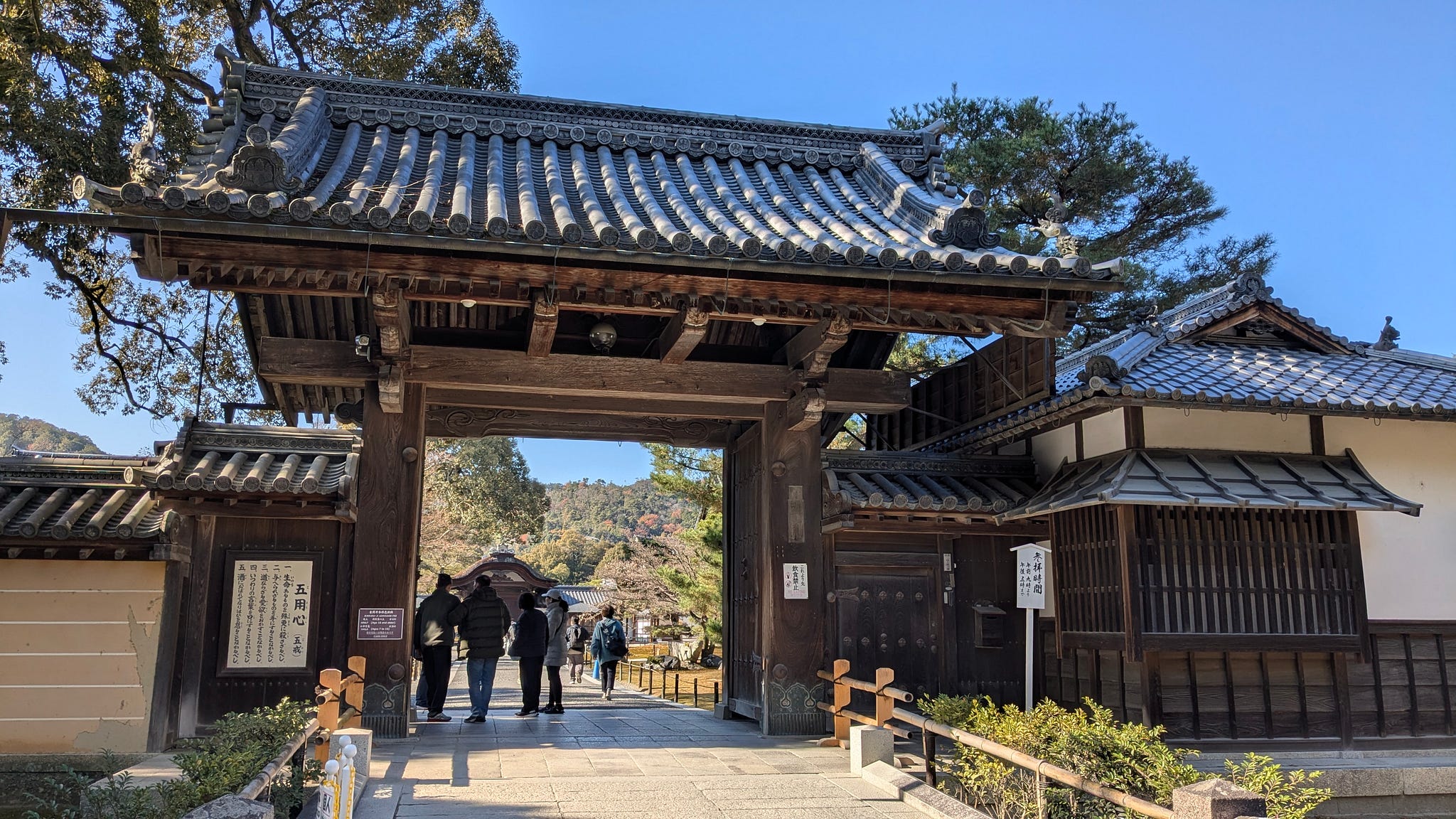
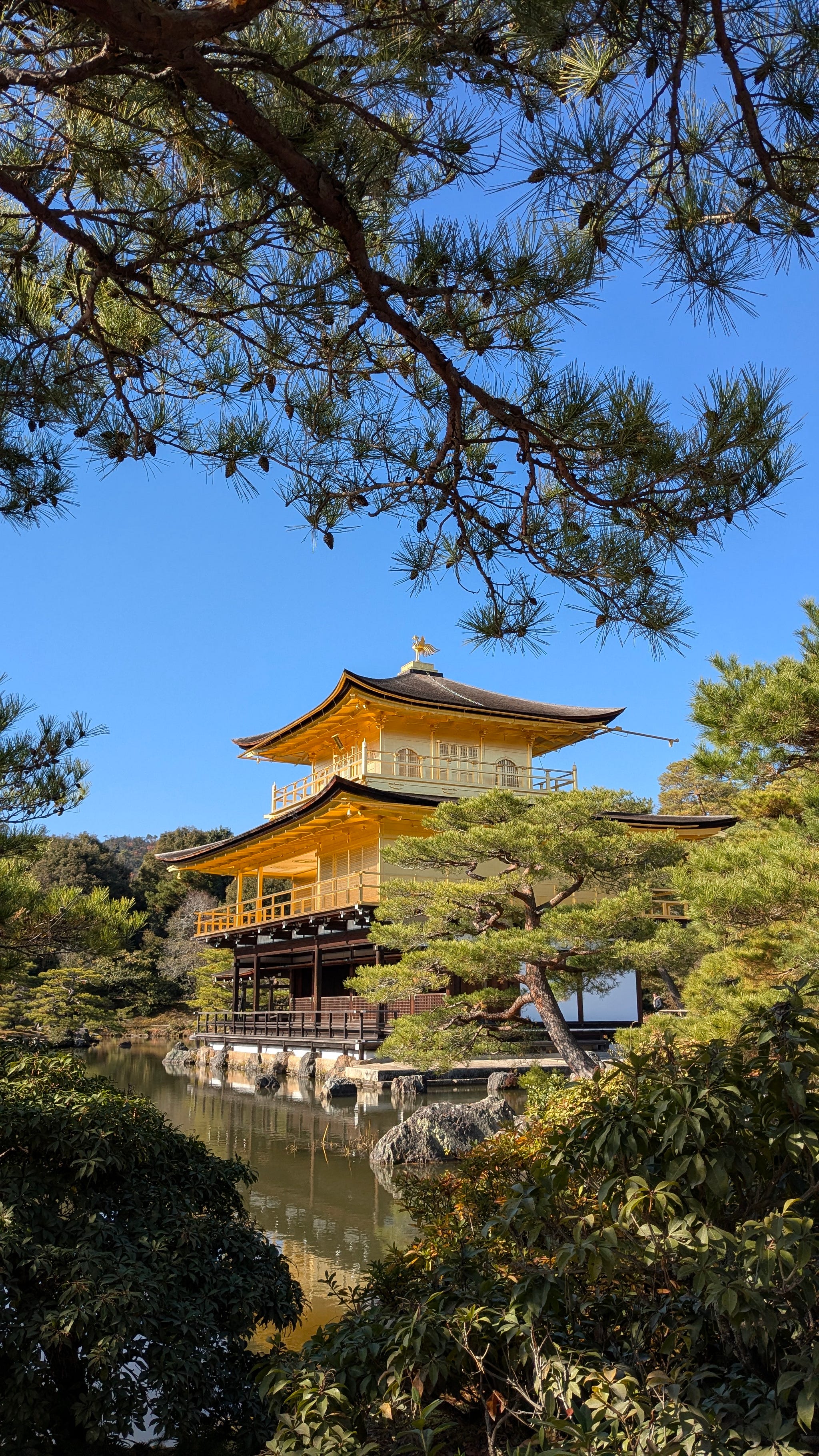
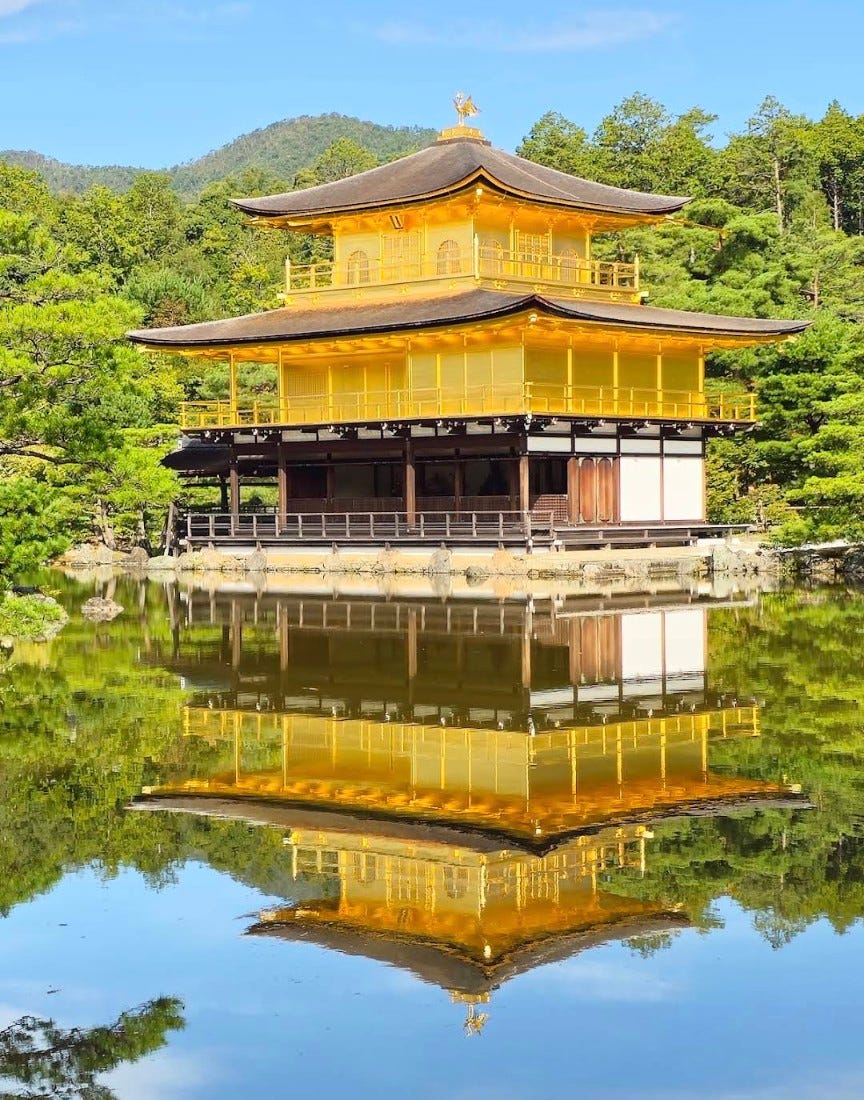
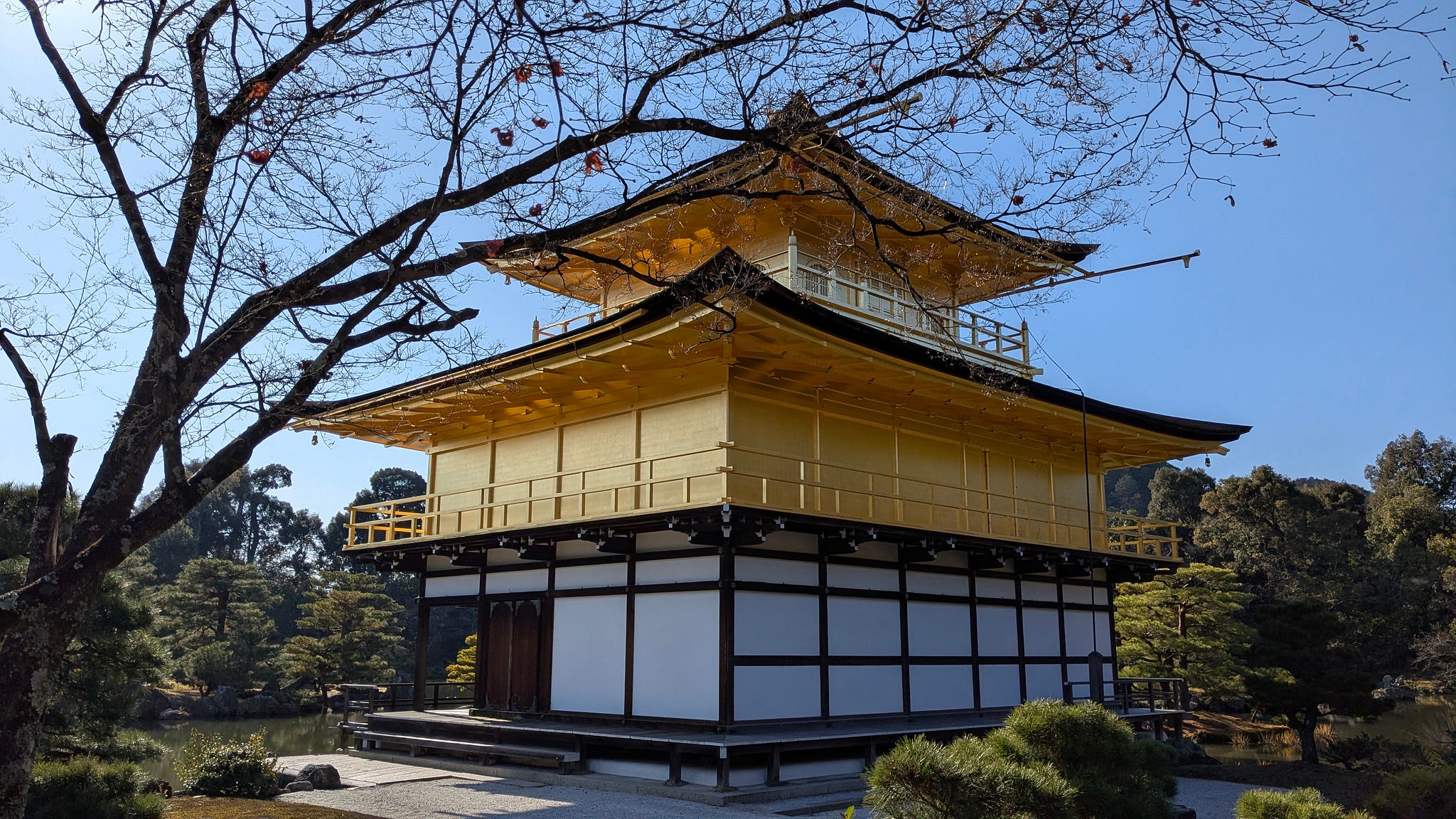
From the understated elegance of the palace, I moved to the dazzling brilliance of Kinkakuji, the famous Golden Pavilion. This Zen temple is a sight that defies words. The top two floors are completely covered in pure gold leaf, standing as a testament to the Muromachi period’s opulence.
But the true magic isn’t just the building; it’s the Kyoko-chi (Mirror Pond). On a clear day, the temple casts a perfect, shimmering reflection on the water’s surface, creating a symmetry so flawless it feels like a doorway to another world. It is a masterpiece of landscape design, intended to represent a bridge between heaven and earth.
Modern Traditions and Future Promises
As evening approached, I shifted gears from the ancient to the modern, visiting the Aeon Mall. There is a specific kind of joy in Japanese retail — even in a bustling mall, the service remains impeccable. I picked up my first “useful” souvenir: an authentic strap for my Casio wrist watch. Casio is a titan of Japanese engineering, and getting a replacement from an authentic store felt like a small way to carry a piece of Japanese precision on my wrist every day.
Kyoto is a city of endless layers. I didn’t have time to see the Railway Museum or the immersive world of TeamLab, but I’ve decided to see that as a gift rather than a loss. Just like my promise to Fuji-san, these missed spots are anchors for my return. In Japan, you never truly “finish” a city; you only start a lifelong relationship with it.
A journey is truly successful only when it leaves you with more reasons to return than reasons to leave.
Day 7: From Samurai Strongholds to the Infinite Sea
The Warrior’s Fortress — Himeji
To witness the pinnacle of Japanese feudal architecture, I boarded the Nozomi early this morning — the fastest of all the Shinkansen. Slicing through the landscape from Kyoto to Himeji, it felt as though the bullet train was a time machine, transporting me from the high-tech present to the stoic past of Himeji Castle, the legendary “White Heron.”
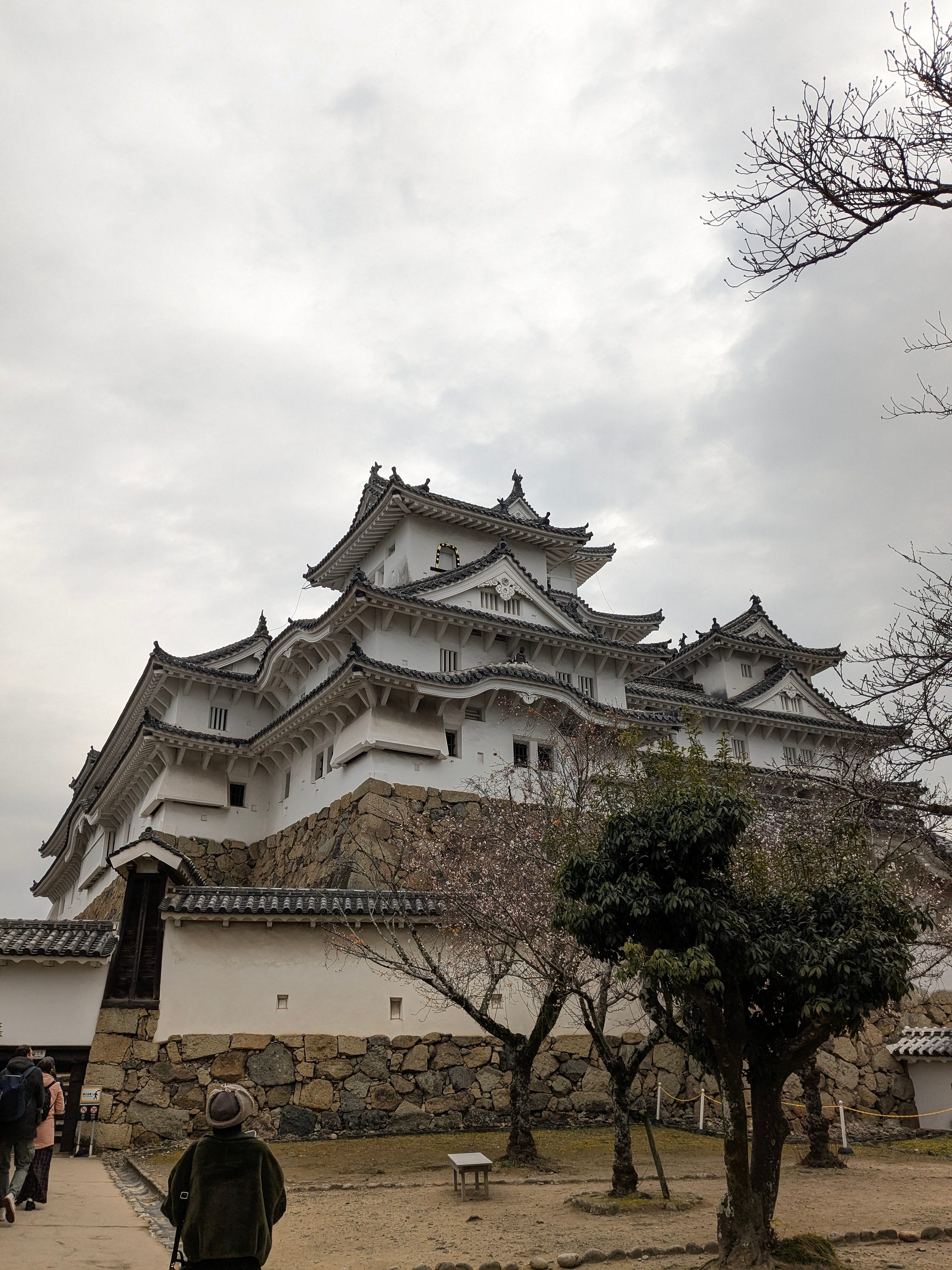
Himeji is a masterpiece of clever engineering and hidden stories. I climbed through its six stories, struck by the massive wooden pillars and the legend of “The Old Widow’s Stone.” When materials were scarce during construction, a poor lady offered her only grinding stone — the tool of her livelihood — to the King. He accepted it with gratitude, weaving her humble sacrifice into the fortress’s very strength.
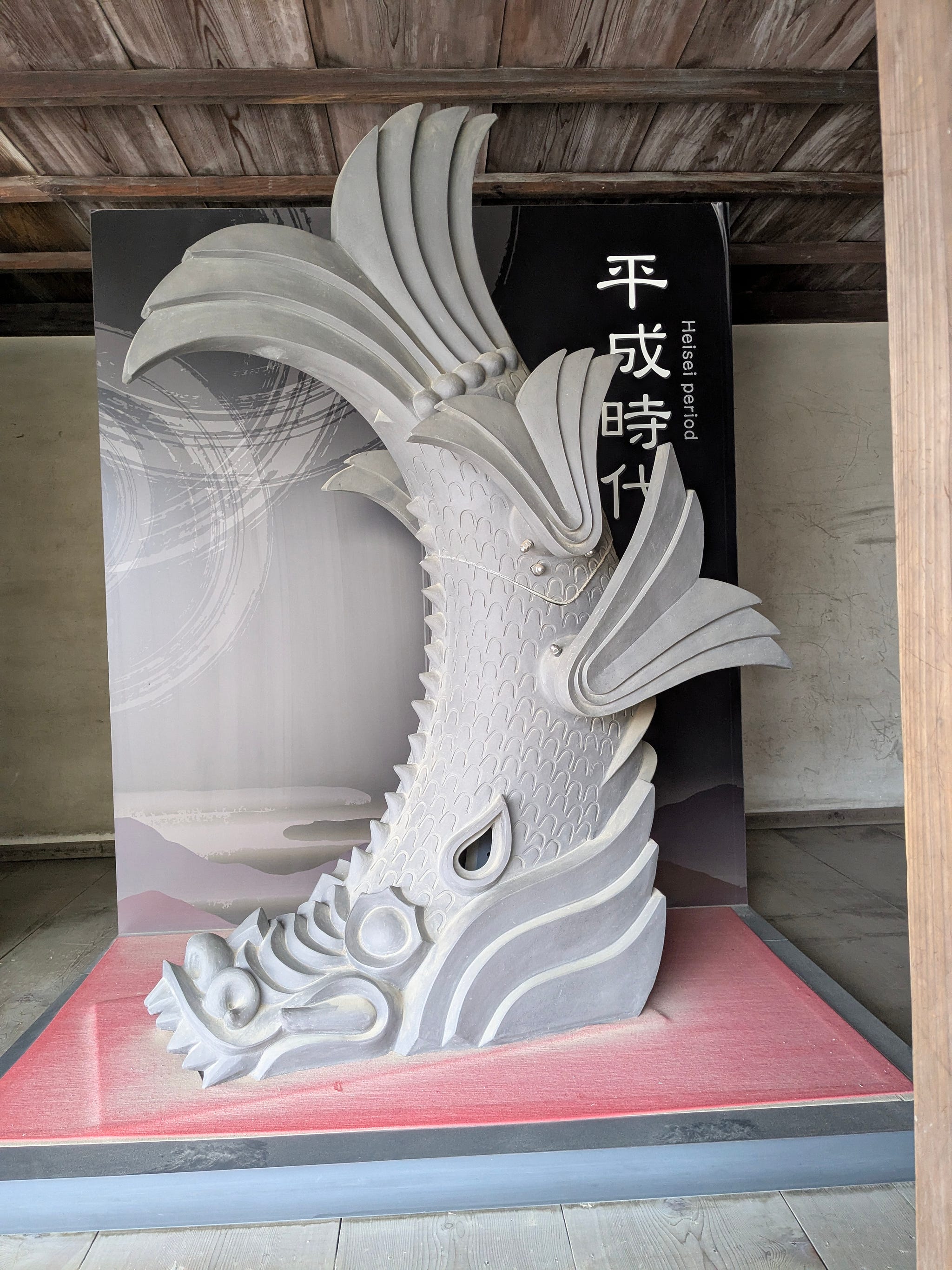
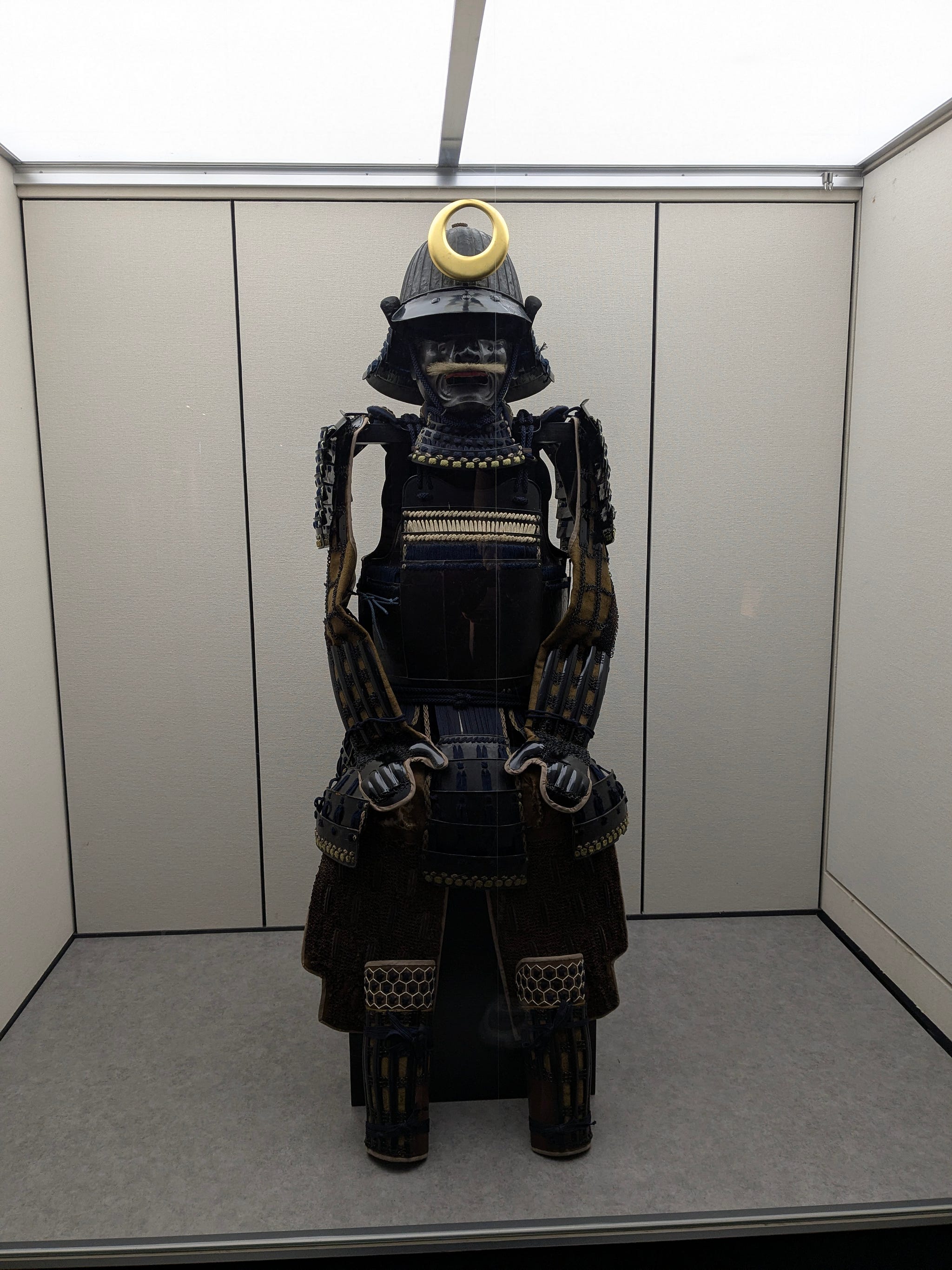
The castle itself is designed with the soul of a warrior; its silhouette resembles a Samurai standing at attention. Inside, I explored the watch rooms and the specialised racks for Katana storage, imagining a time when these halls echoed with the discipline of the elite. As a Pisces, I was especially delighted to see the Shachihoko — mythical fish-shaped roof guardians meant to protect the castle from fire. It felt like a personal nod from the universe: even a fortress needs the protective spirit of the fish.
The Precision of Kindness
Returning from the stoic towers of Himeji, I arrived back in Osaka to prepare for another “first”: an overnight voyage to Kyushu (an island of Japan). Navigating a massive city to find a specific ferry dock could be daunting, but the Japanese spirit of Omotenashi (hospitality) made it effortless.
The lady at the JR information centre guided me with surgical precision. She handed me a map, hand-marked with every transfer and station. It was so perfect that as I moved through the Osaka train network, I didn’t feel like a tourist; I felt like a local who had walked this route a thousand times. In Japan, they don’t just give you directions; they give you confidence.
The Sunflower at Sea
At exactly 6:30 PM — because in Japan, time is a sacred promise — boarding began for the Sunflower Ferry.
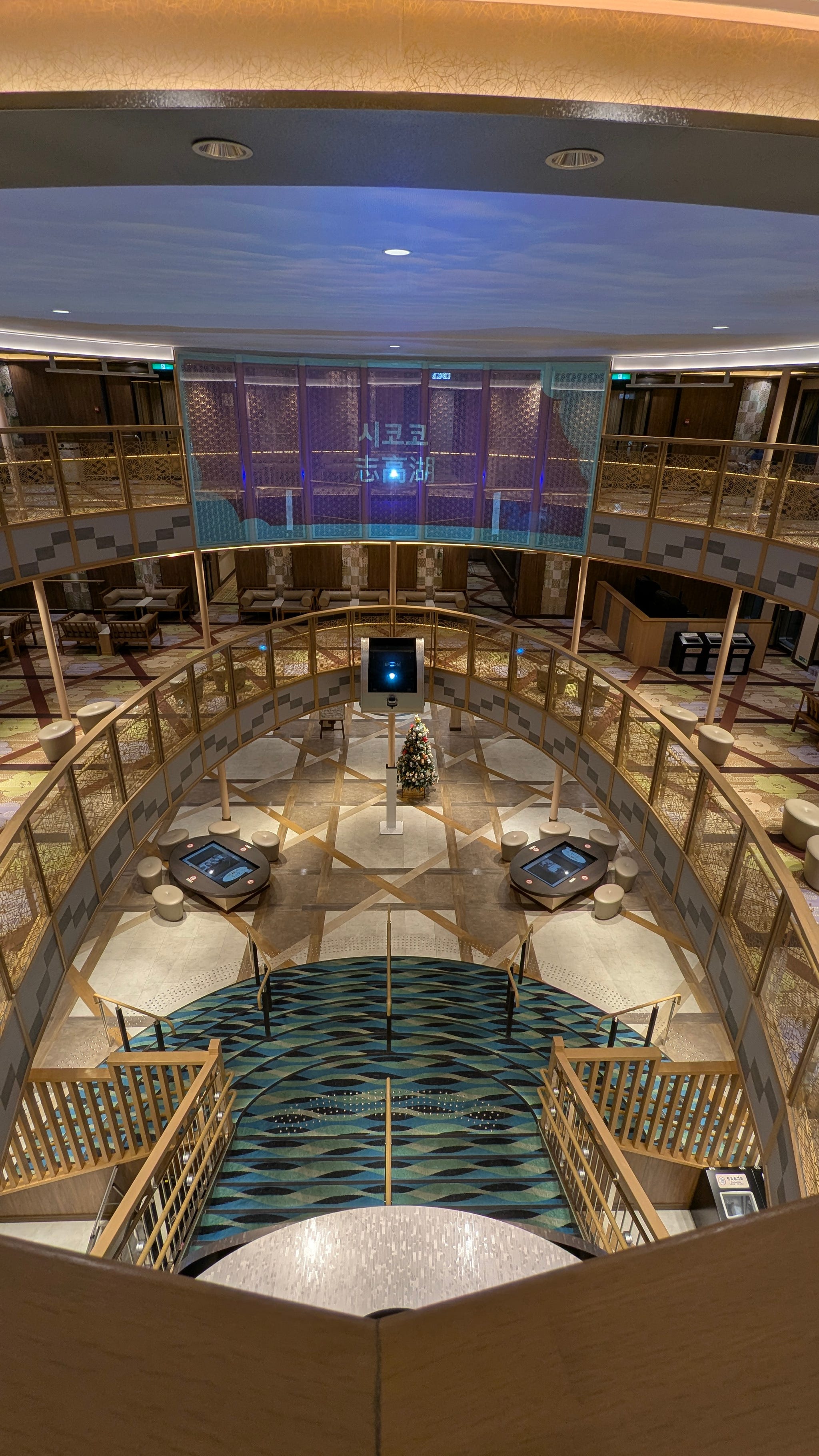
Stepping inside was like entering a floating grand hotel. I had opted for a private suite, and as I walked onto my personal balcony, the scale of the experience hit me. To my left, the city lights of Osaka began to shrink; to my right, the vastness of the Seto Inland Sea opened its arms.
I spent hours on the observation deck, dwarfed by the massive machinery of the ship. There is a humility in standing on a man-made vessel, realising that we have built such iron giants to “conquer” the mighty oceans. As we sliced through the dark water, I found myself leaning over the railing, playfully scanning the waves for mermaids (hey, if there are fish-gods on castle roofs, anything is possible!).
Between the deep indigo of the sea and the limitlessness of the sky, my mind drifted to the very nature of existence. It is rare to find a silence that is loud enough to make you think about the whole universe, but the ferry provided exactly that. It was a meditative bridge between two worlds.
Day 8 — Arrival in the Hells
The Warmth of Arrival
I arrived in Beppu early, refreshed from a morning bath on the cruise, and headed straight to my hotel. Even though check-in wasn’t until 2:00 PM, the legendary Japanese hospitality didn’t skip a beat. They took my luggage without hesitation, freeing me to explore the “City of Hells” unburdened.
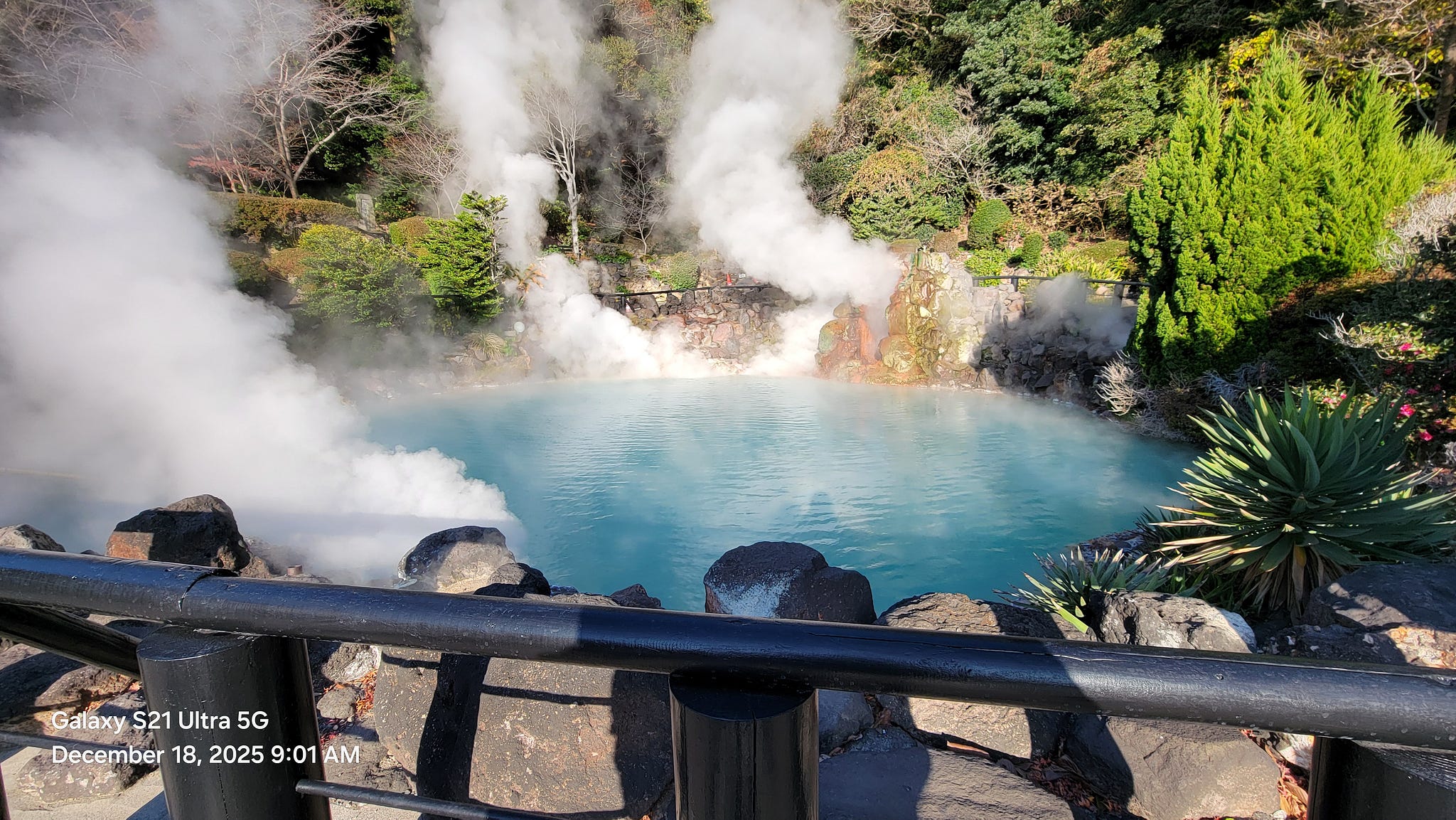
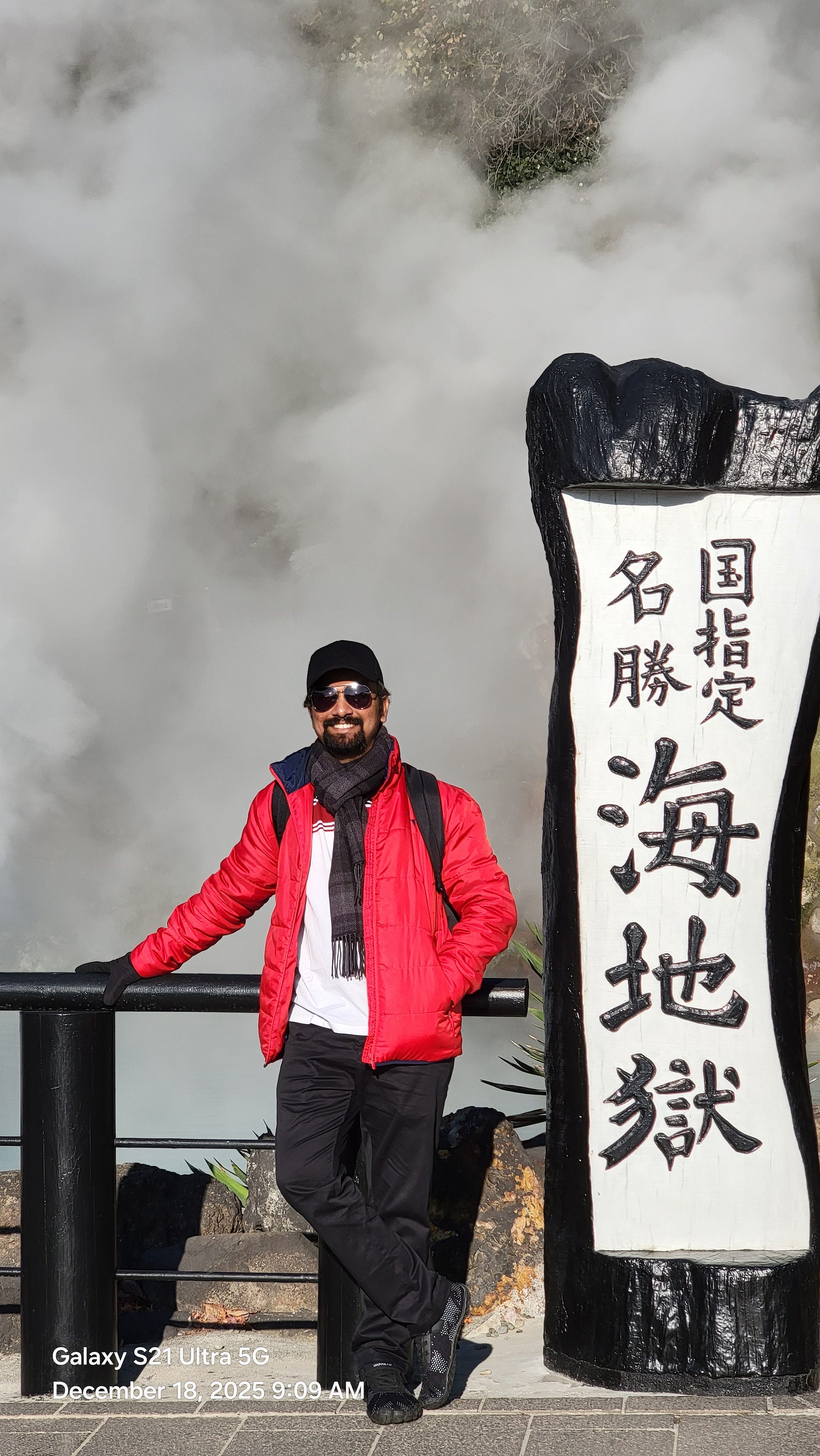
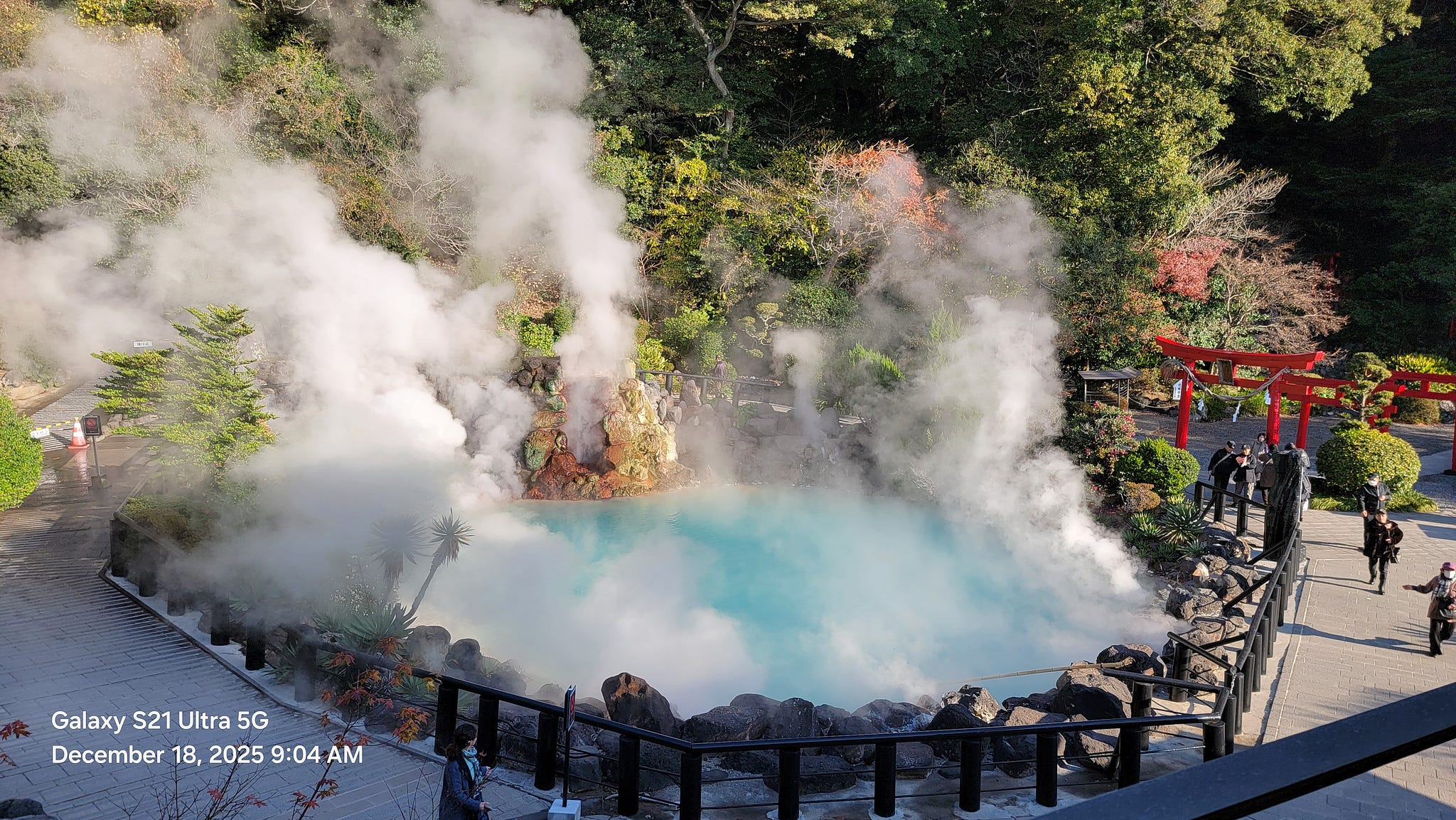
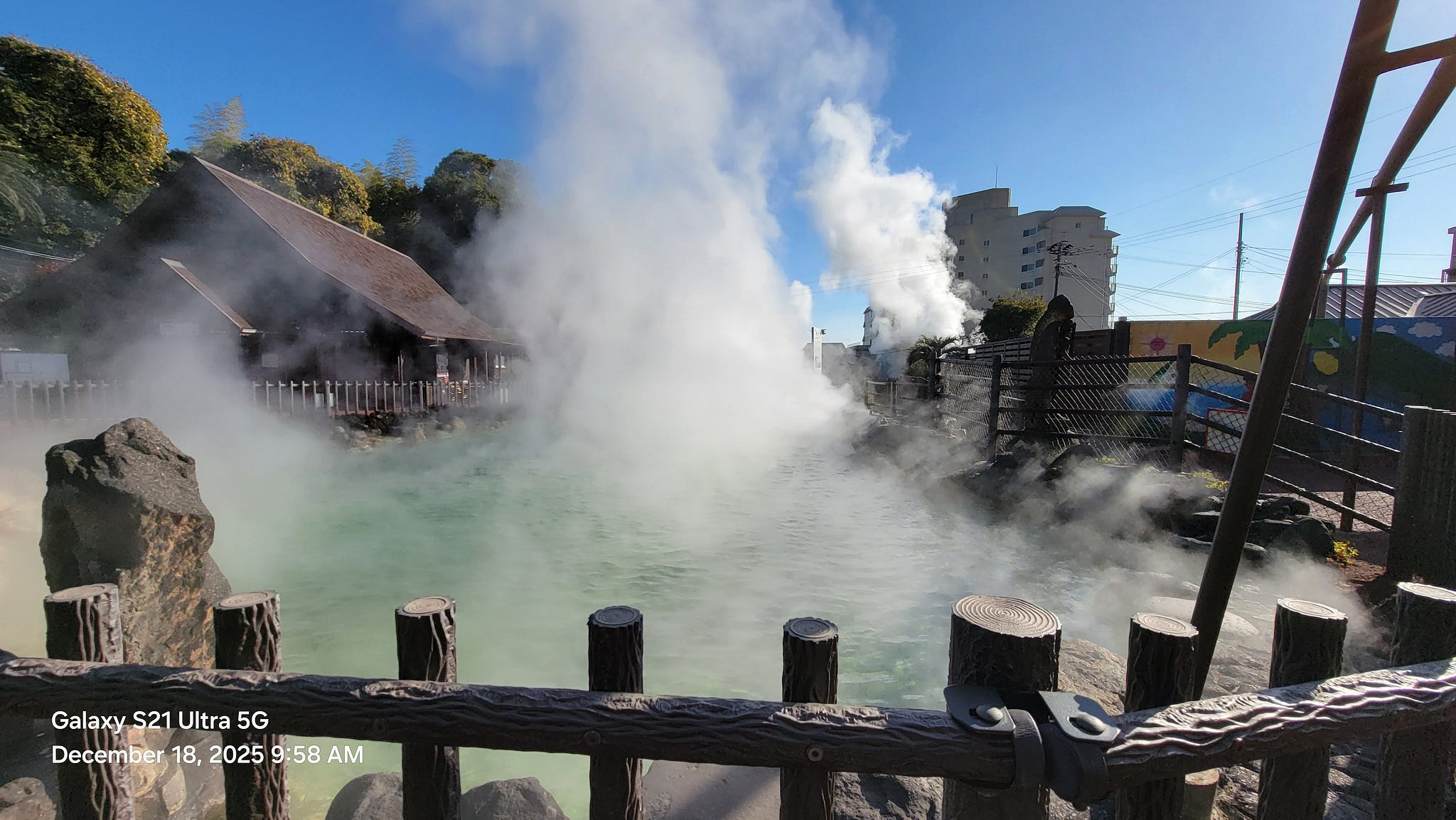
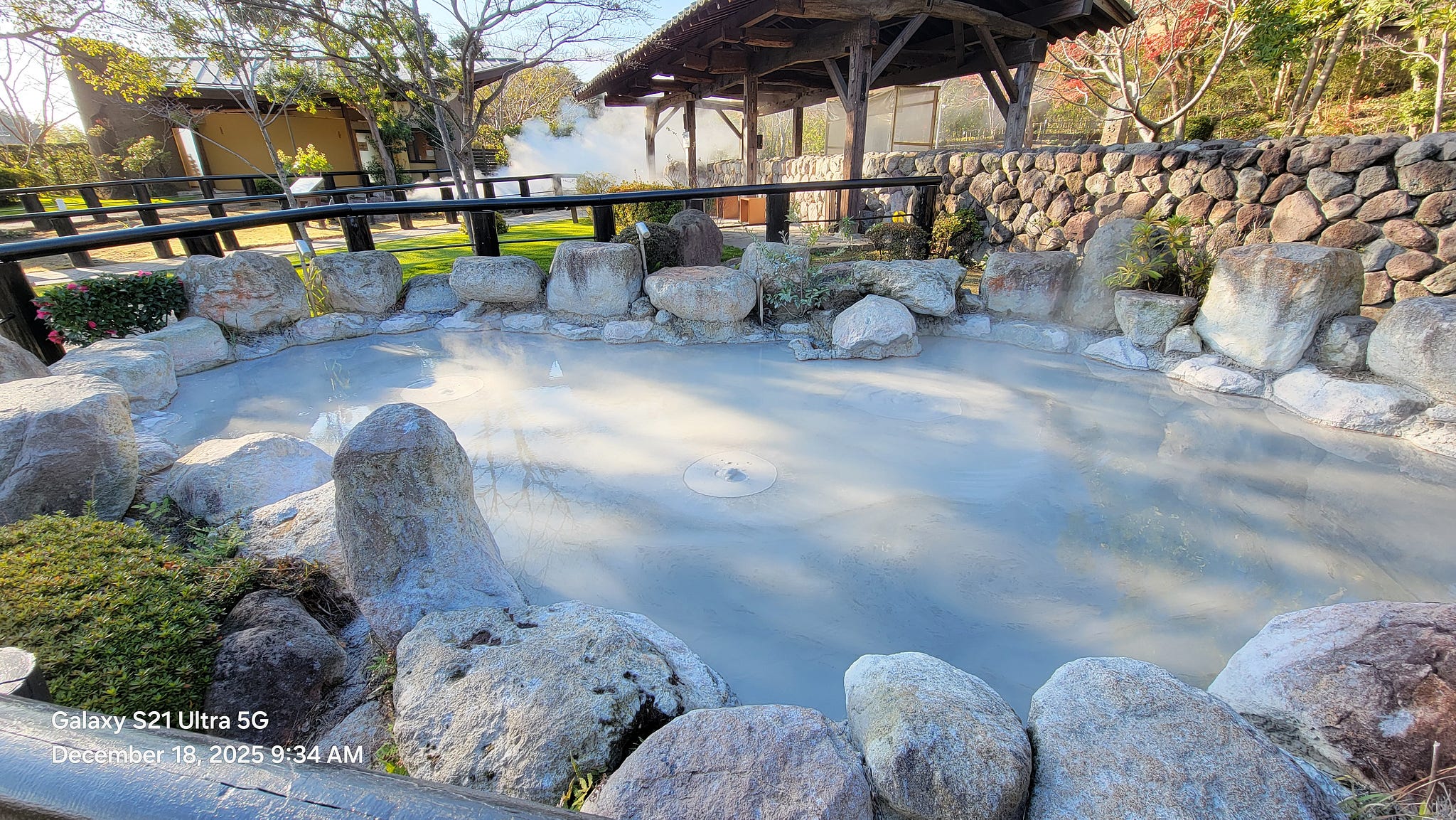
Beppu is famous for its Jigokus — seven spectacular geothermal hot springs that are meant for viewing rather than bathing. Each one felt like a different portal into the earth’s raw power:
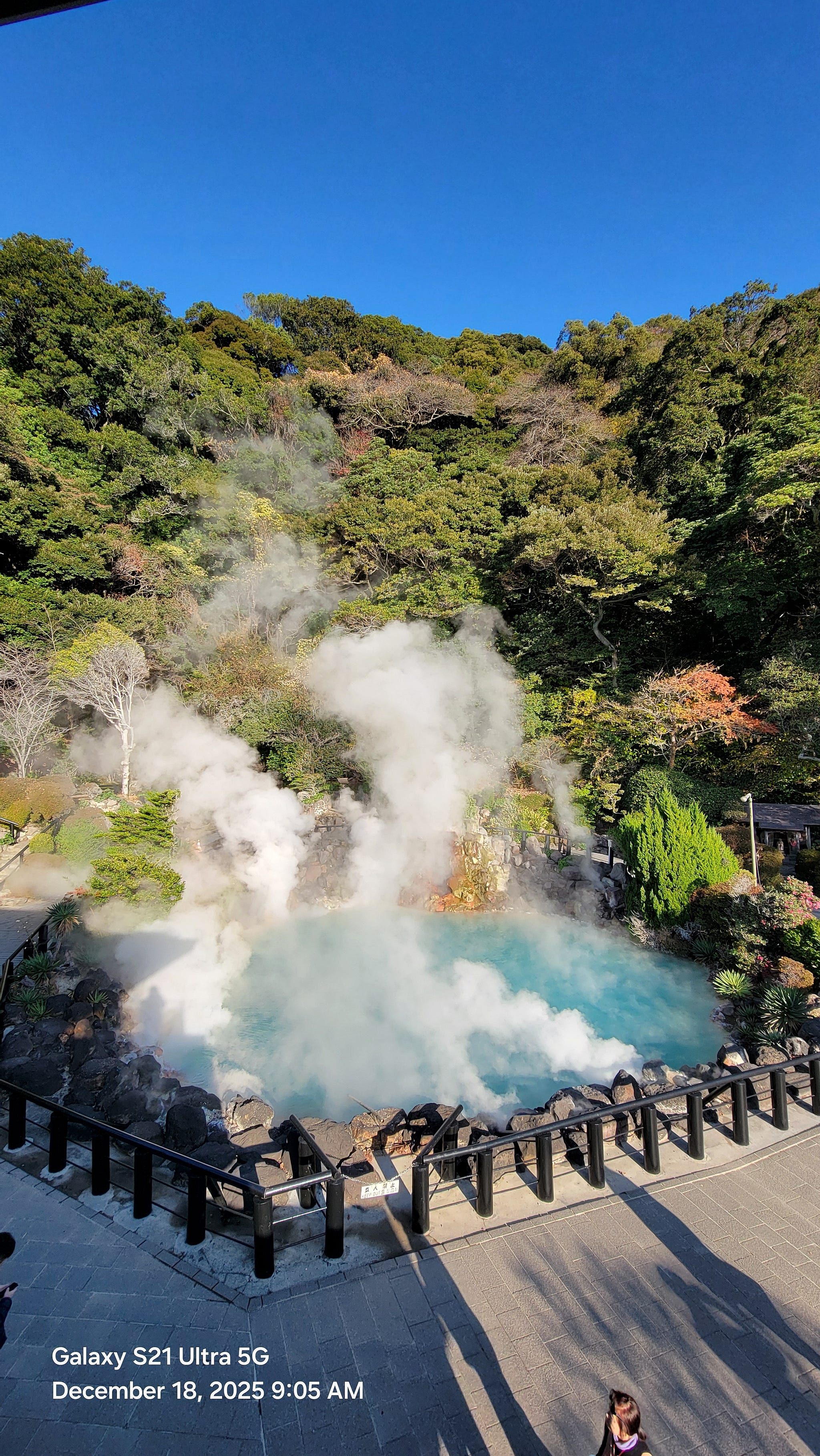
Umi Jigoku (Sea Hell): A stunning, deceptive shade of cobalt blue that looks as cool as the ocean but burns at a staggering 98 degrees.
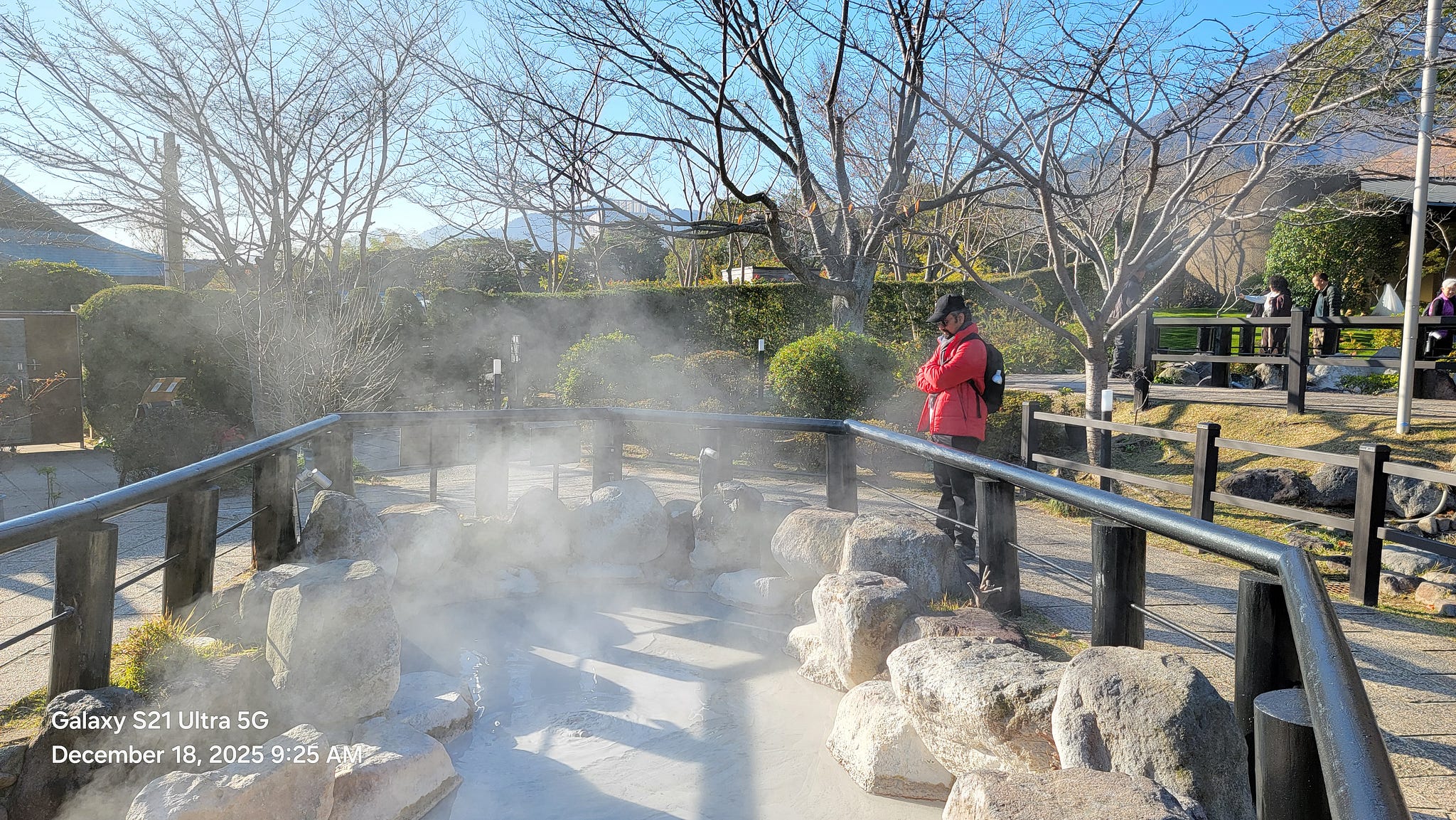
Oniishibozu Jigoku (Shaven Head Hell): Fascinating bubbles of gray mud that rise to the surface, looking exactly like the smooth, bald heads of monks.
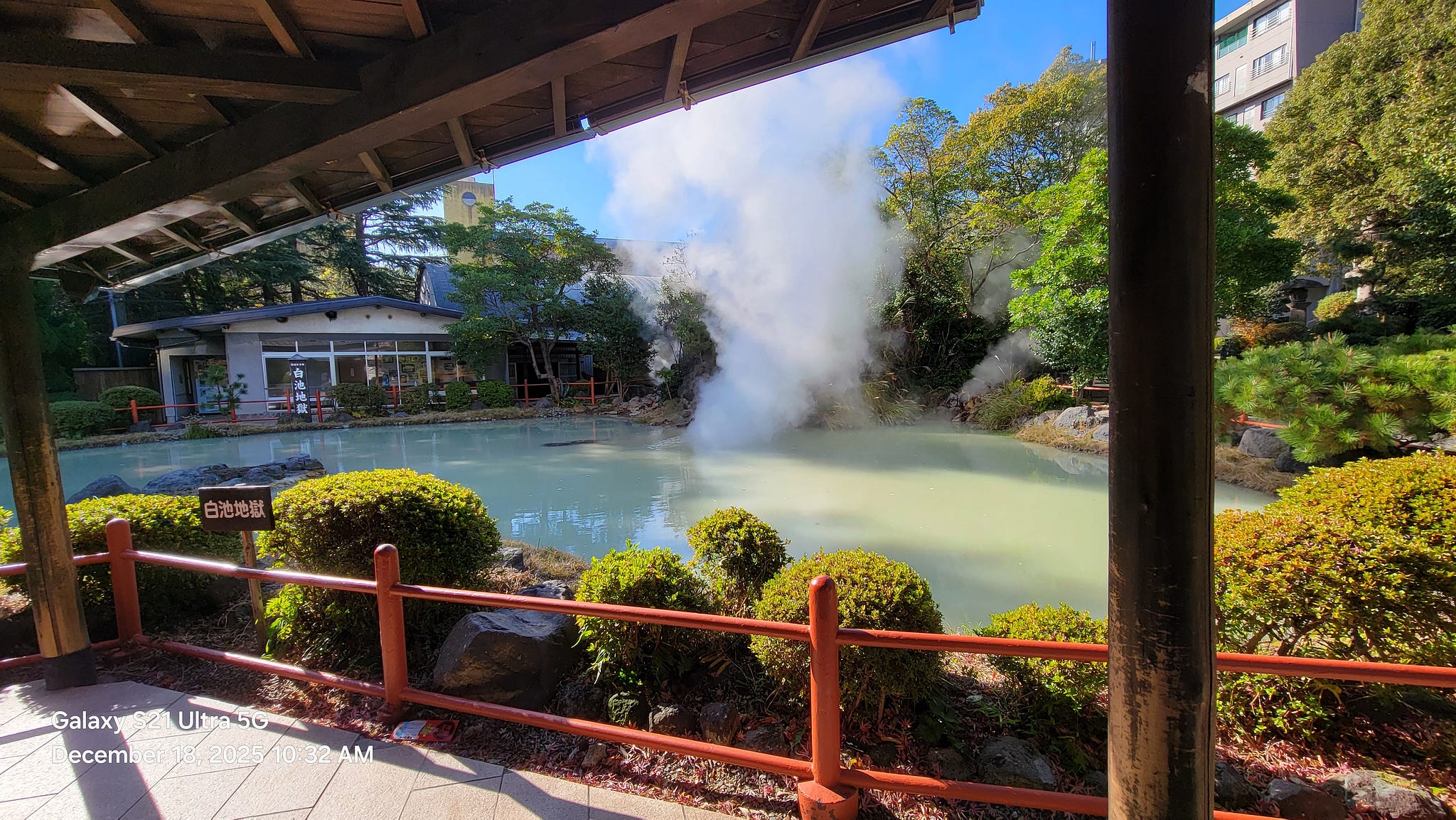
Shiraike Jigoku (White Pond Hell): A serene, milky-white pond surrounded by a traditional garden, hiding its boiling intensity behind a mask of calm.
Kamado Jigoku (Cooking Pot Hell): A vivid collection of boiling ponds where, historically, the steam was used to cook ritual offerings to the gods.
Oniyama Jigoku (Crocodile Hell): A surreal place where the geothermal heat is used to breed hundreds of crocodiles, looking like a scene from a prehistoric era.
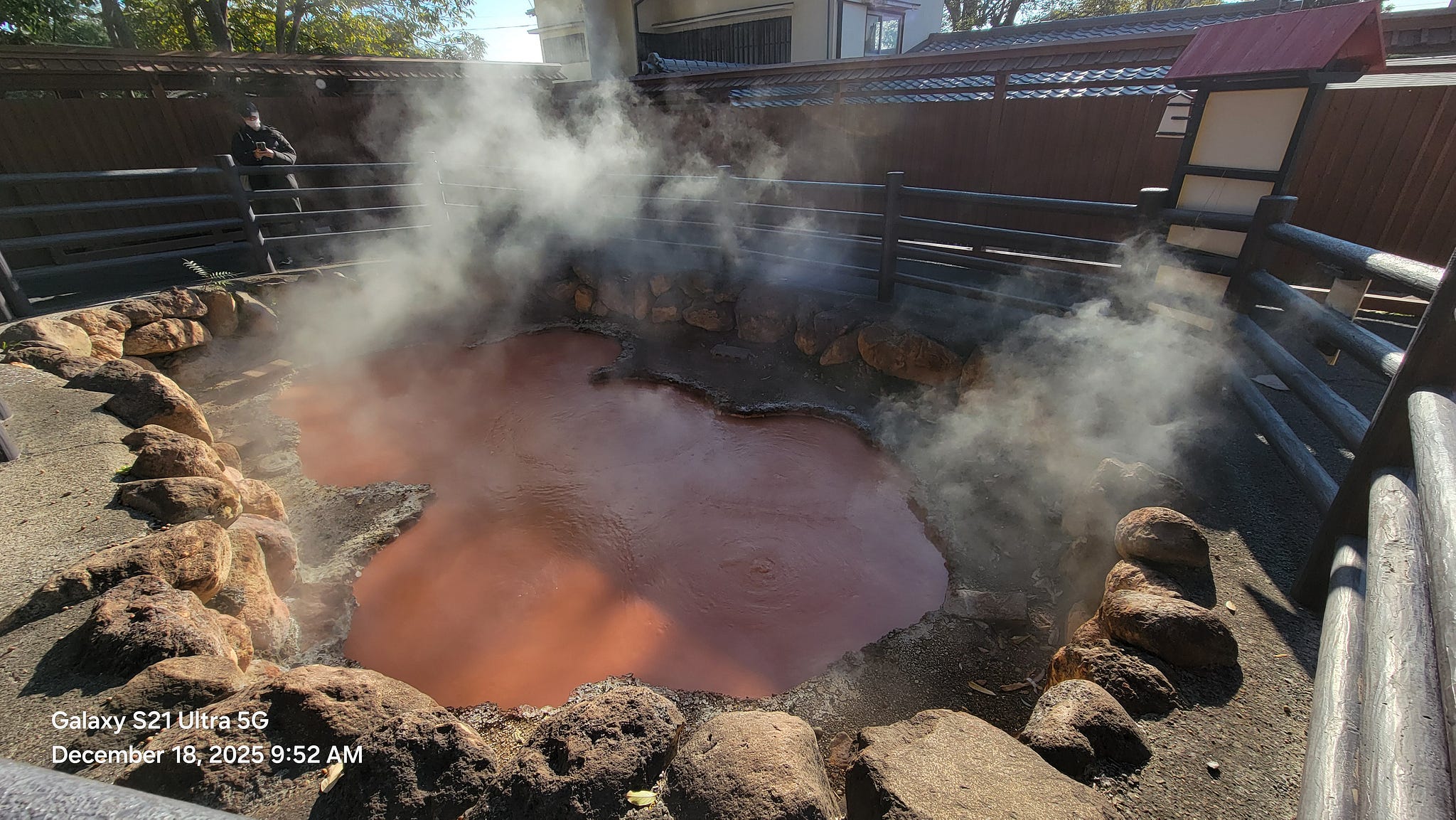
Chinoike Jigoku (Blood Pond Hell): The most photogenic of them all, with steaming, clay-red water that looks like a literal pool of liquid fire.
The Pulse of the Earth: Tatsumaki Jigoku
The final stop was the Tatsumaki Jigoku (Tornado Hell), and it deserves a special mention. Unlike the other springs that bubble or flow, this is a powerful geyser. There is a palpable tension in the air as you wait for it to “erupt.” Every 30 to 40 minutes, the earth releases its pressure, shooting a violent, vertical pillar of boiling water high into the air. Standing there, feeling the ground vibrate and the hot mist on my face, I realised I wasn’t just looking at a sight — I was witnessing the earth’s heartbeat.
A Taste of Home in the City of Steam
After walking through the intense heat of the seven Hells, I stumbled upon a hidden gem that felt like a sanctuary: an Indian restaurant called Avatar. As someone who had been travelling for days, I was craving the familiar comfort of vegetarian spices, and their “all-you-can-eat” offering was music to my ears. Let’s just say, I “batted” quite well — I made the most of every unlimited serving!
But the real highlight wasn’t just the food; it was the owner. Originally from Darjeeling, India, she sat with me and shared her incredible journey of settling in Beppu. She spoke of the early challenges of navigating a new culture and the hard work it took to scale her business into multiple branches across the city. Her story was a testament to the same “warrior heart” I had been admiring throughout Japan — the courage to build something beautiful in a foreign land.
When I was ready to leave, she handed me a small gift: cardamom, cloves, and betel nuts. It was a gesture that spoke volumes. She knew exactly what a traveller from home would miss, and that simple act of understanding made the thousands of miles between me and home disappear for a moment.
Day 9 & 10: The Return of the Voyager
The Calm Before the Voyage
Before leaving the coast of Kyushu, I spent my final hours in Beppu at the Port Area. In most parts of the world, dockyards are gritty and industrial, but in Japan, they are masterpieces of urban planning. I wandered through a dockyard park so pristine it felt more like a manicured garden than a port. Sitting there, watching the waves lap against the clean concrete, I took a final breath of the sea air before heading back to the “Sunflower.”
One More Night Under the Stars
Why the ferry again? Because one voyage simply wasn’t enough to satisfy the soul. I boarded the Sunflower Ferry back to Osaka, eager for another night of limitless horizons and the rhythmic hum of the ocean. There is something addictive about the way the sea strips away the noise of life. It gave me a final night of quiet reflection before I re-entered the high-velocity world of the mainland.
The Nozomi Dash to Tokyo
From the docks of Osaka, I transitioned directly back to the steel rails, boarding the Nozomi Shinkansen for the final dash to Tokyo. Watching the Japanese countryside blur into a green-and-grey streak at 300 km/h never gets old. It is the heartbeat of the country — efficient, silent, and unstoppable.
Tokyo: Gearing Up for the Future
I checked into Hotel JAL City, but I decided to skip the usual tourist crowds of Shibuya or Shinjuku this time. Tokyo is a giant that requires its own dedicated chapter, and I am saving those stories for a future return. Instead, I turned my focus to something more personal: preparation.
I went on a mission to gather high-quality gear for the traveller I am becoming:
The Apparel: Picking up Japanese-designed clothing that blends style with the resilience needed for the road.
Regal Tokyo Oxfords: There is something special about owning a pair of “Regal” shoes — a brand synonymous with Japanese craftsmanship and timeless elegance. The way he took the measurements of my feet & noted them down to bring the perfect Oxfords showed their seriousness about quality & comfort.
Innovator Aluminium Trolley from Sac’s Bar: This was the most symbolic purchase of all. I chose a rugged, aluminium 100L trolley because, during this journey, I didn’t just see a country; I made a decision. I decided to travel more. I wanted a companion that could handle the miles I intend to put behind me.
I may have left many of Tokyo’s sights for another time, but I left with the equipment — and the mindset — to conquer them later.
The Final Farewell: A Promise in the Sky
The Rhythm of the Exit
On my final morning, the transition was as seamless as a heartbeat. The Hotel JAL City shuttle whisked me to Haneda, and from there, I boarded the “classic” Airport Limousine bus to Narita.
In many countries, a bus ride on an expressway is a chaotic affair, but here, it was a masterclass in civility. The driver navigated the expressway with a disciplined grace that felt almost like a dance. Inside the cabin, there was a respectful, heavy silence — a shared space where everyone honoured each other’s peace. It gave me one last hour to look out the window and watch the Japanese landscape roll by, reflecting on how much this country had changed me in just ten days.
The Seamless Goodbye
Immigration at Narita was a breeze — no friction, no stress, just the quiet efficiency that defines this nation. As I sat at the gate waiting for my flight, I felt a deep sense of melancholy.
How do you say goodbye to a place that feels like it was designed for your soul?
A Sign from the Universe
Then, Japan gave me a gift — a moment of communication from nature that I will carry with me forever.
As I looked out over the airport tarmac, a perfect, full-arc rainbow appeared, stretching across the sky as if to frame my departing plane. In a journey filled with bowing deer, whispering bamboo, and sacred gates, this felt like the most direct message of all. It wasn’t just a weather phenomenon; it was Japan fondly saying, “See you again.”
I sat there in the terminal, overwhelmed with a sense of gratitude. I love this country — not just for its trains, its food, or its history, but for the way it makes you feel seen and respected. I cannot fully express the happiness this trip has brought me, but as I boarded my flight, I knew one thing for certain: “I shall return to find my heart again!”.
2024 started with an extremely good note. From settling my home loan in mere 38 installments (read my financial framework for home loan here) to nurturing my career with good show, learning and preparations for progressions; this year is already on a good momentum. Amidst the rhythm of work & personal growth, there was a whisper that reminded me of the travelling spirit that I had embraced in 2023 with my ‘One place per month’ resolution.
The moment I saw an opportunity of a 10 day window in April, I decided to reclaim the thrill of open roads, beautiful destinations and memorable experiences. With leave requests submitted and anticipation building, the planning of my next journey began! 😍
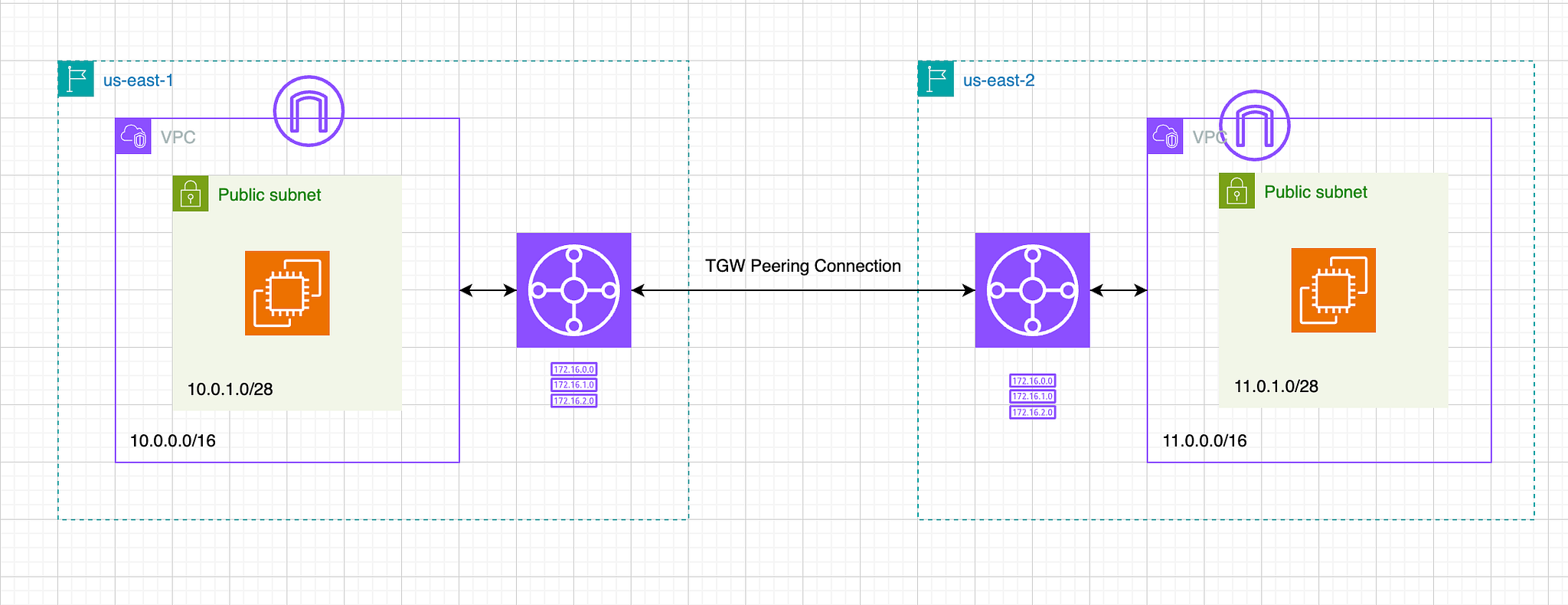
There was a catch though! My mentor from whom I am learning Cloud Networking had given me a bunch of assignments. I would definitely be guilty to not prioritise the assignments because there is someone serving a much complex role & still taking out time to nurture my skills to help me succeed. It is my duty to ensure that their time & efforts become worthwhile. Hence, out of the 10 days, I took out 3 days to learn & complete my assignments on AWS. It was an amazing learning. I loved how AWS has designed their networking. I learnt multiple conceptual things thoroughly which were probably due since my engineering days 😆
For the curious — The assignment was to establish connectivity between AWS resources with 2 VPCs across different regions via Transit Gateways
As I delved into researching potential destinations for my upcoming road trip, I was overwhelmed by the sheer abundance of places waiting to be explored. However, my last-minute planning left me facing a common traveler’s dilemma: fully booked accommodations at every turn. Feeling a bit desperate, I decided to take a rather unconventional approach to finalize my itinerary.
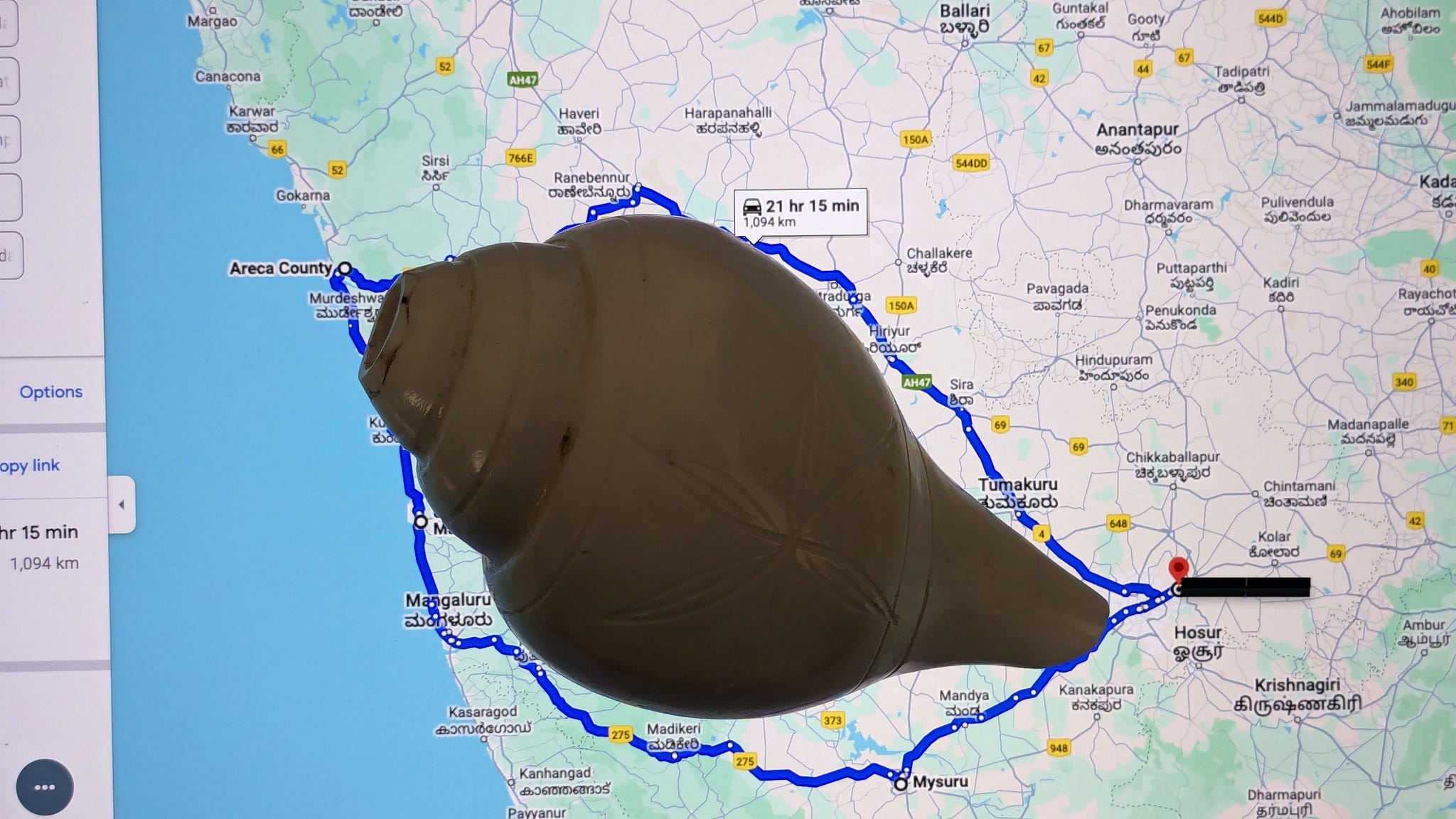
In a moment of whimsy, I turned to a cherished symbol of guidance — Sri Krishna’s Conch Shell 🐚, known as Panchajanya. With a mixture of curiosity and hope, I placed the siphonal canal of shell within my home and spun it around, letting chance dictate my next adventure. And just like that, my journey took shape, guided by the simple twist of fate.
The route resembling the shape of a Conch Shell
The Conch Shell overlapped with the routes that would lead me to explore Honnavar, Kundapura, Maravanthe Beach, Udupi and Madikeri covering about 1000 km of drive along the scenic Western Ghats & the vast Arabian Sea. Did you also notice that this includes Udupi? Udupi happens to be one of the significant places of Sri Krishna like Mathura-Vrindavan, Dwaraka, Puri, Guruvayur of Thrissur, etc.
It was at this moment, I was both spell-bound as well as “Shell-Bound!”
Day #1 — Bengaluru to Honnavar
The road trip started with all excitement & preparations. I had ganged up with my mother and elder brother for the trip. We started pretty early in the morning and stopped by Apoorva Resorts & Restaurant for breakfast near Davangere where I made new friends with laughing Buddha! 👬
I asked, “What’s the joke? Why do you keep laughing?” “Humans”, he said and continued to laugh 😆
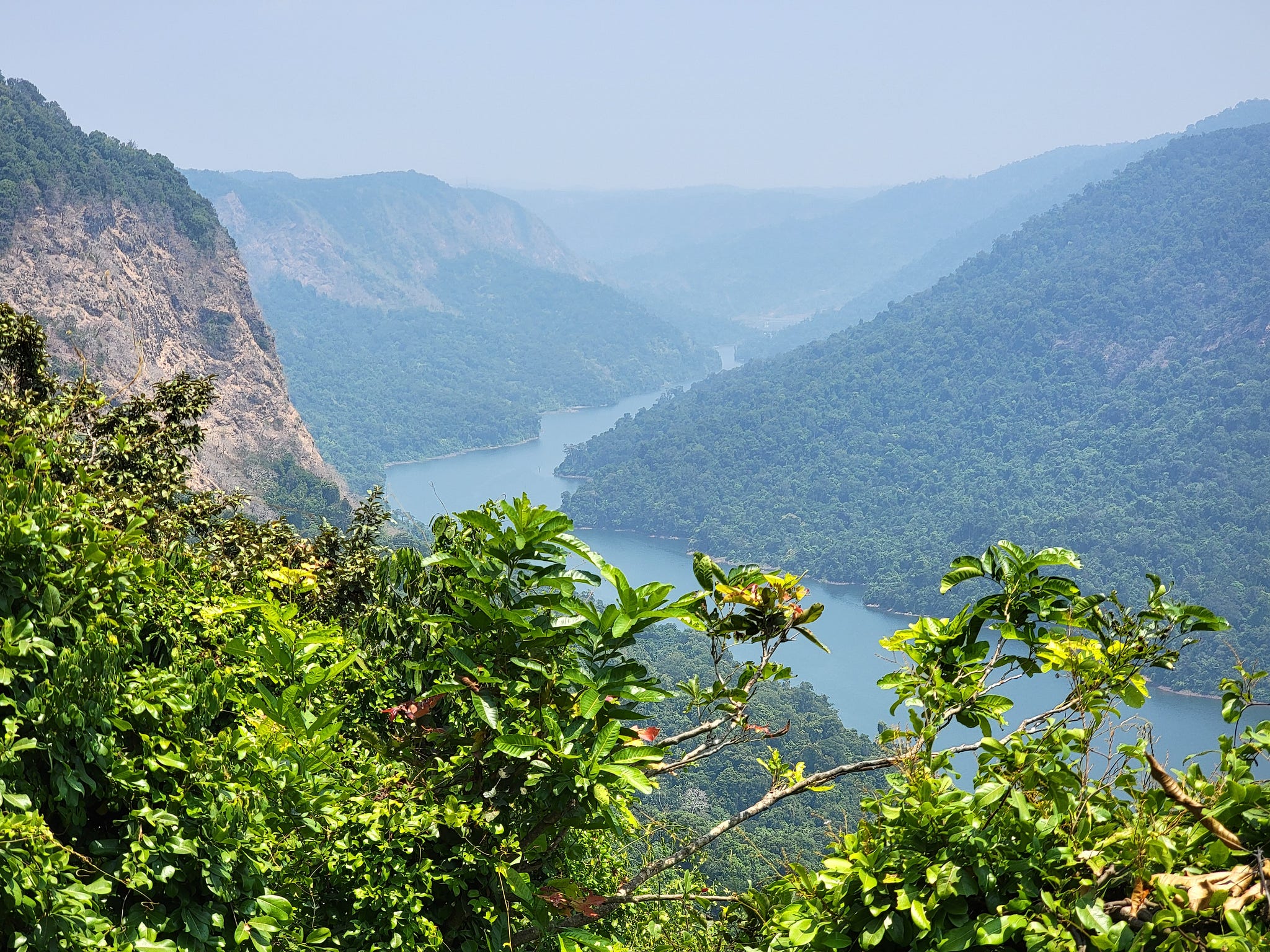
The journey continued to Honnavara and it was a bliss manoeuvring along the curvy roads of the lush green western ghats. There was one view point on the way that stood out vividly; offering us to witness the panorama of nature’s splendour.
River Sharavati cutting through the mountains gracefully offering life & happiness to innumerable flora & fauna in the region
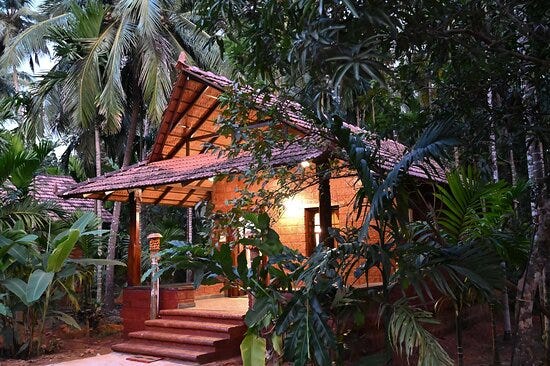
We then reached Areca County in Honnavar that offered the best food, warm hospitality and a cool atmosphere in this hot summer. Located amidst a nice coconut and areca nut farm spread across around 6 acres; the place promised to find the escape we sought for the next 2 days.
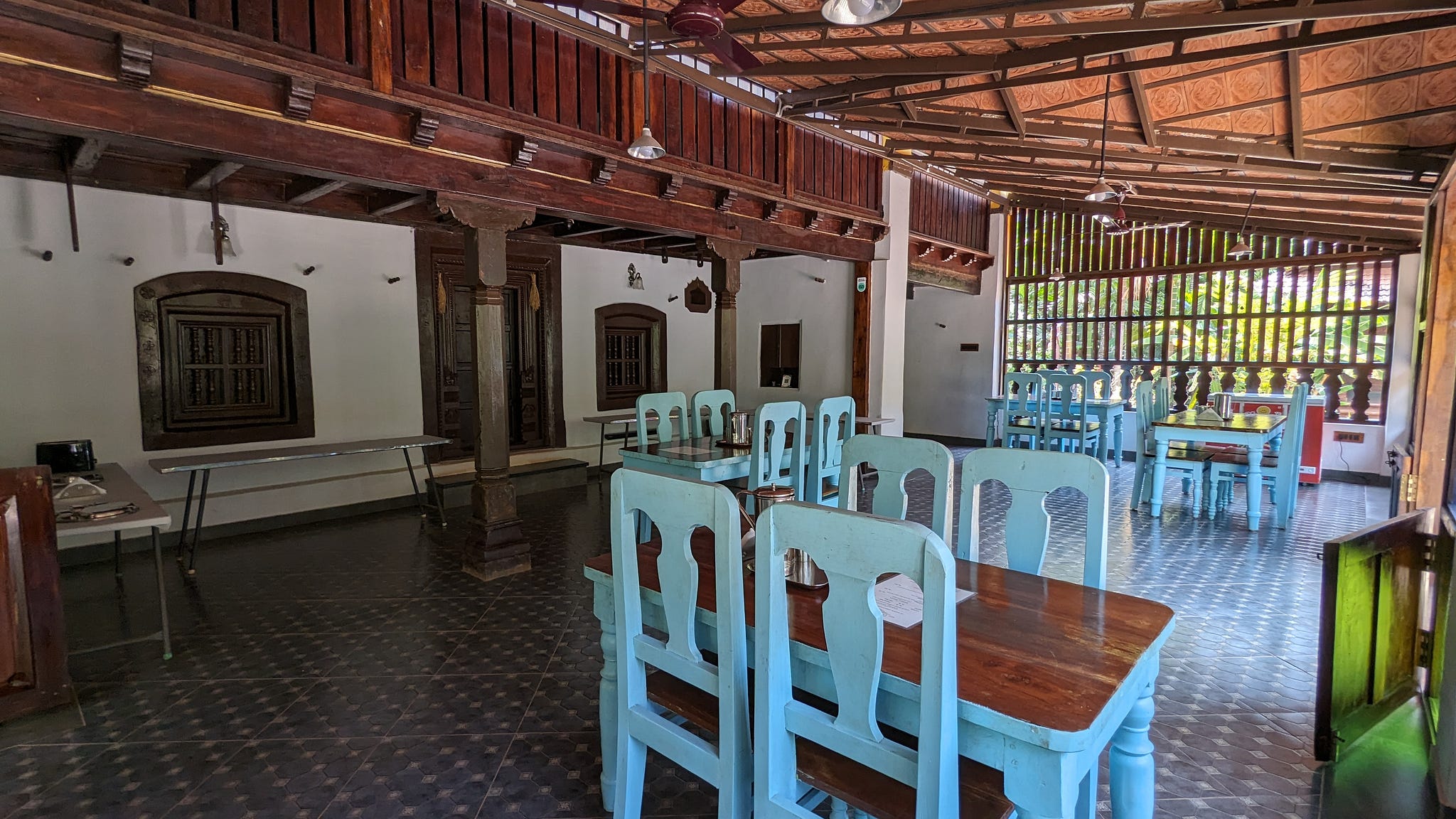
The home stay also has a dining area which happens to be built in 1929 with mud and wood. The caretakers were happy to take me around to explore the old house and I absolutely loved it. The weight of each wooden furniture spoke for itself on how genuine they are. I as well enquired what materials are used and where I can source them today with a plan going on in my head to construct a similar home in my farms sometime in future 😍
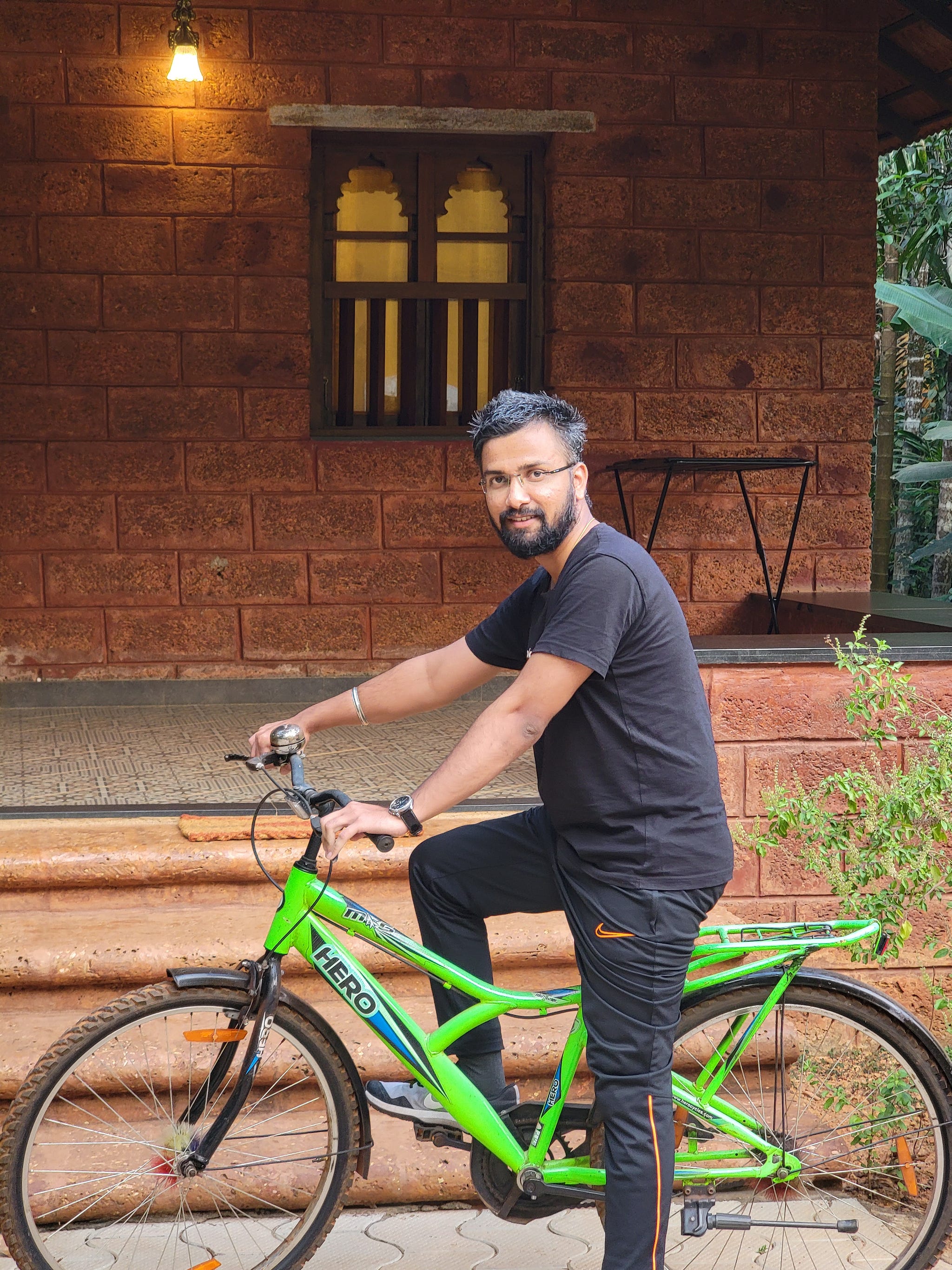
They also had kept cycles for the guests. I took it around the area to explore the place along the muddy roads; attempted to skid the cycle a few times to relive the childhood adventures but then I realised that it is not my cycle 😂
The food was amazing too 😋 with all local cuisine in the menu and best part was that it was all home made. I couldn’t help but bat well and quenched my thirst with my favourite of all — the buttermilk! Too engrossed in enjoying the meal, I forgot to take pictures, focusing instead on relishing every bite.
Day #1 of the trip couldn’t have been better. We then watched the movie Operation Valentine and hit the bed to make the best out of day #2.
Day #2 — The Eco Beach & Boating in the Sharavati backwaters
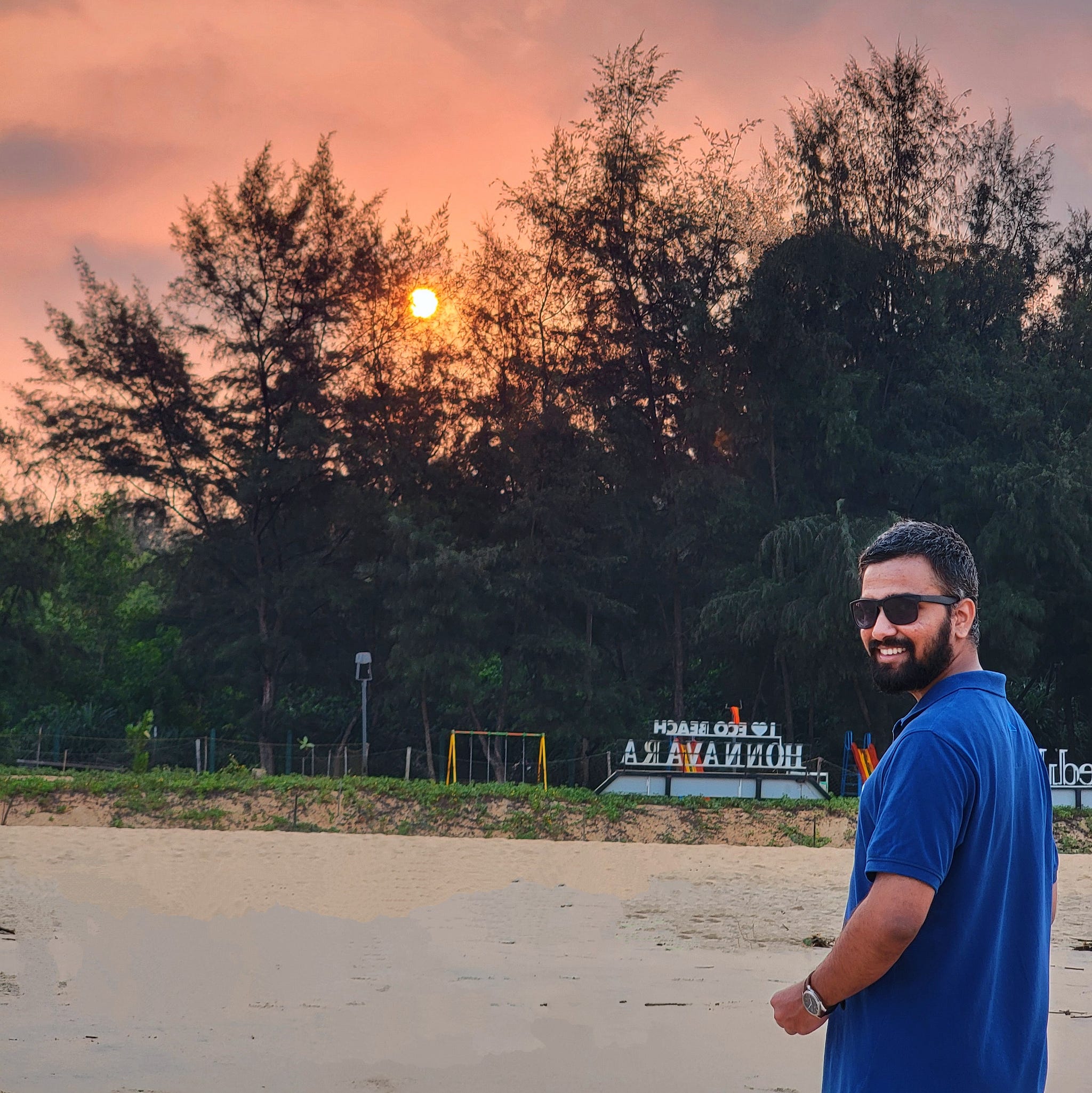
The sun rose and it was time to say hi to the Eco Beach. I must say that this is one of the cleanest beaches. We found the beach to be pretty much for ourselves with so much less or no crowd at all. I am assuming that this place would be crowded in the evening as Arabian Sea (which is on the west) would be preferred for sunset views.
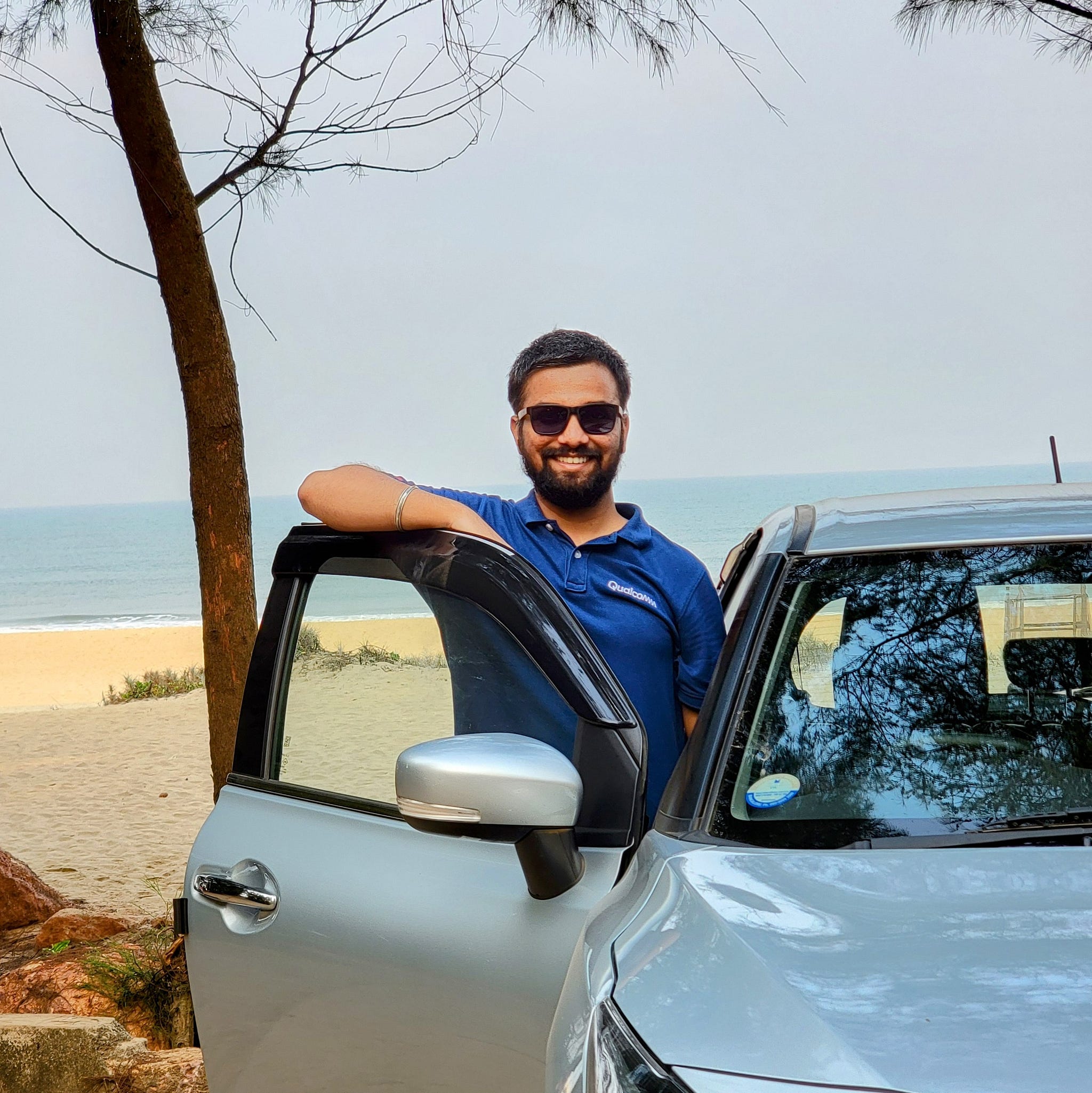
We then took our respective directions to engage with the sea for a while. Here is the photo dump from the Eco Beach.
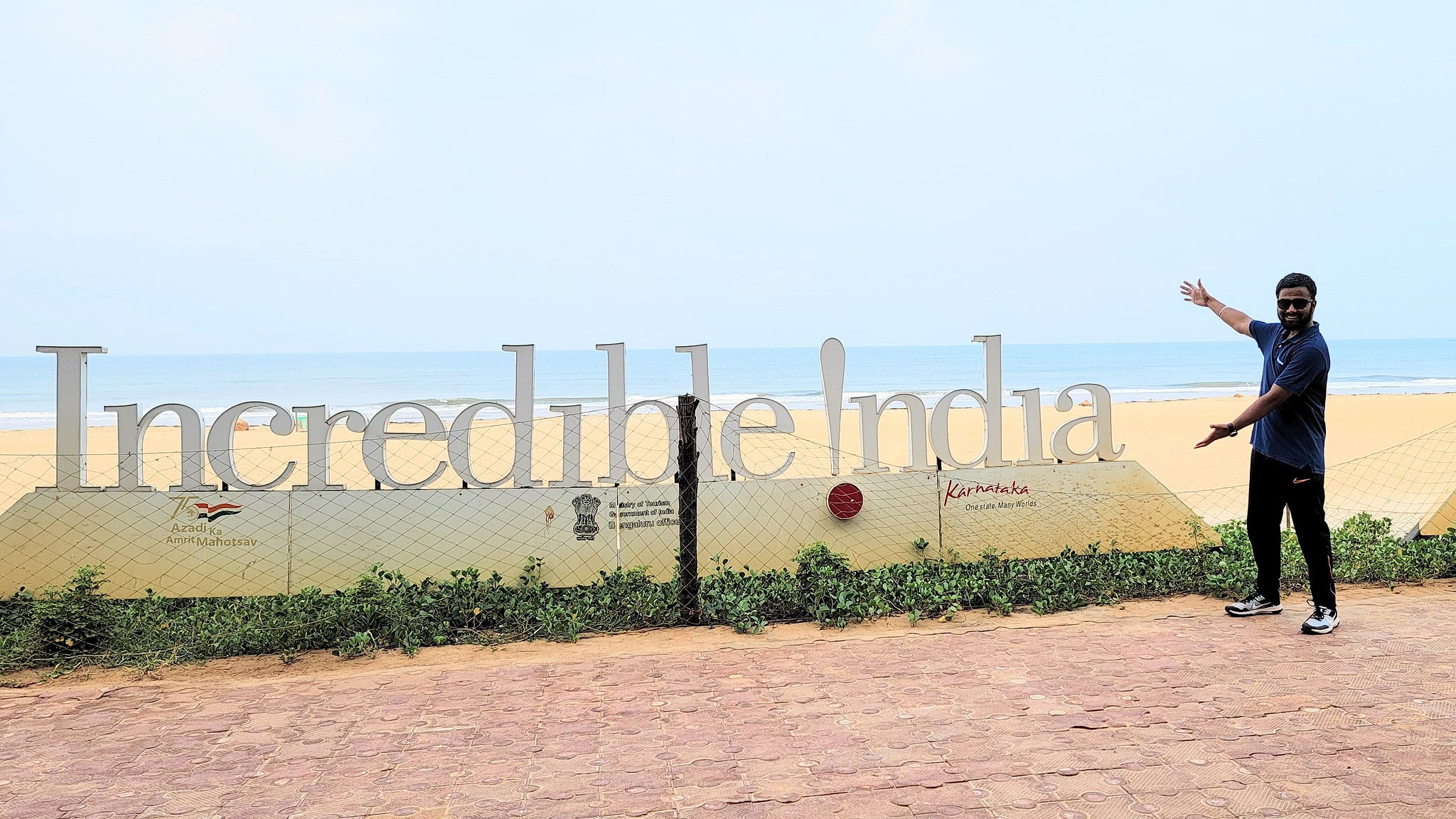
Always an ambassador of the Incredible Bharat!
After this, we headed back to Areca County. Had breakfast & spent time with the nature. I went around the Areca farms they have listening to the birds chirping, sun rays escaping the gaps amidst the trees, gentle rustle of the leaves, breathing excess oxygen and trying to learn a thing or two from nature.
Around 4 PM in the evening, we headed to the boating to witness the nature around the mangroves of the Sharavati backwaters. A backwater is part of the river which is separated from the main flow of the river with little or no water currents and these are also shallow inlet of sea into rivers. During high tides, the backwater levels will be high and during low tide the backwater levels will be low. This is very interesting to observe this water level live. So, keep this in your mind when you next visit a backwater.
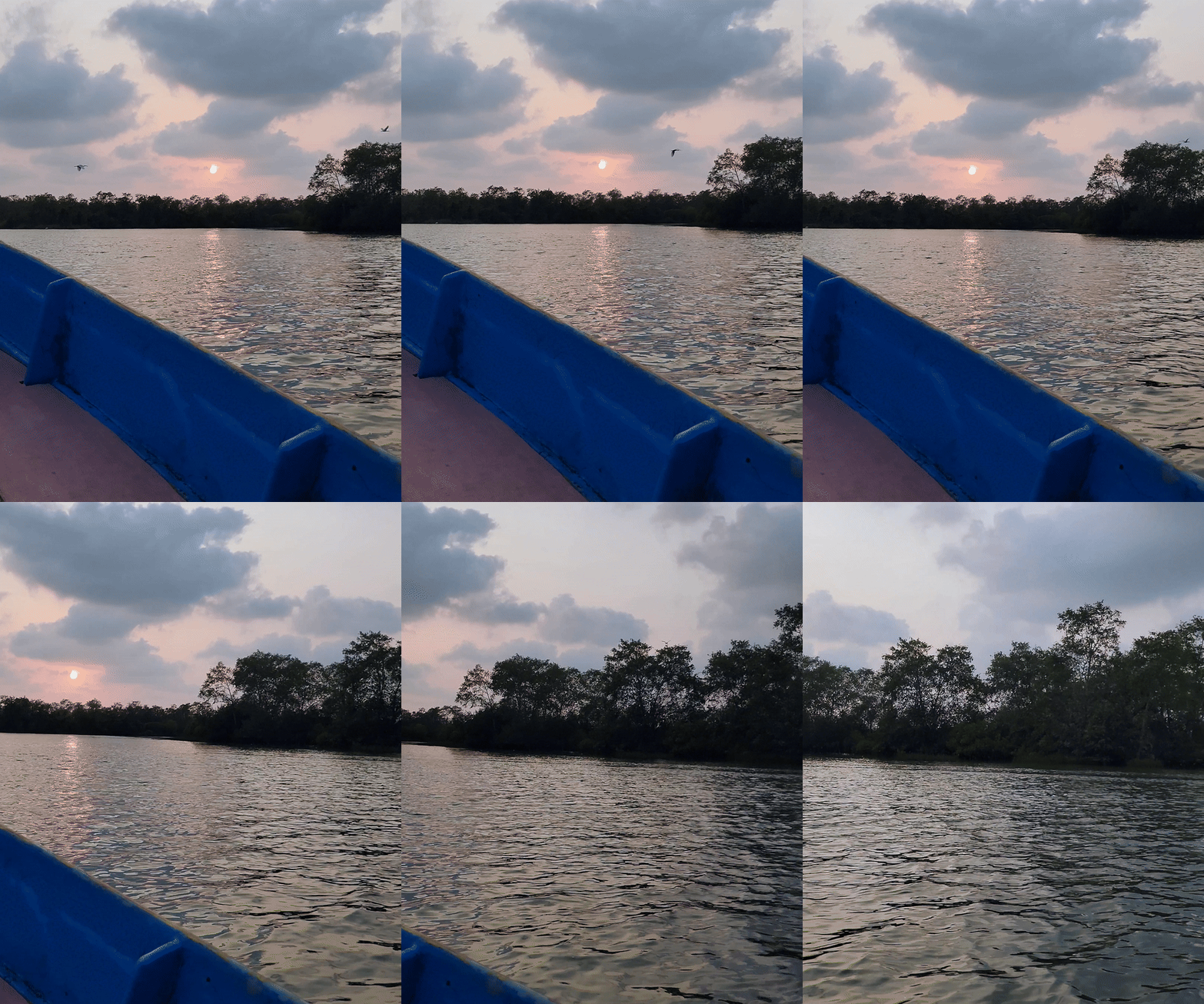
The backwaters was surrounded by swaying coconut trees displaying the harmony between land and water. The video capturing the ride along the setting sun in the GIF below might not do complete justice to the actual view witnessed but I must say it was one of a kind experiences.
Although I was expecting that the mangrove ride here would be something similar to the one present Pichavaram near Pondicherry, it was more like ride near the Mangroves than admidst the mangroves. Nevertheless, still a good boat ride.
After the ride, I just wondered “where were the life jackets in the boat?” 😂
After completing the one hour boat ride we returned to the home stay, enjoyed our dinner and I took a walk under the moon for a while and hit the bed.
Day #3 — Honnavar to Kundapura — Maravanthe — Udupi
When I woke up in the morning next day, I already started missing the place as it was time to check out. I told myself, “Goodbyes are not forever. They simply mean, ‘I will miss you until we meet again’”.
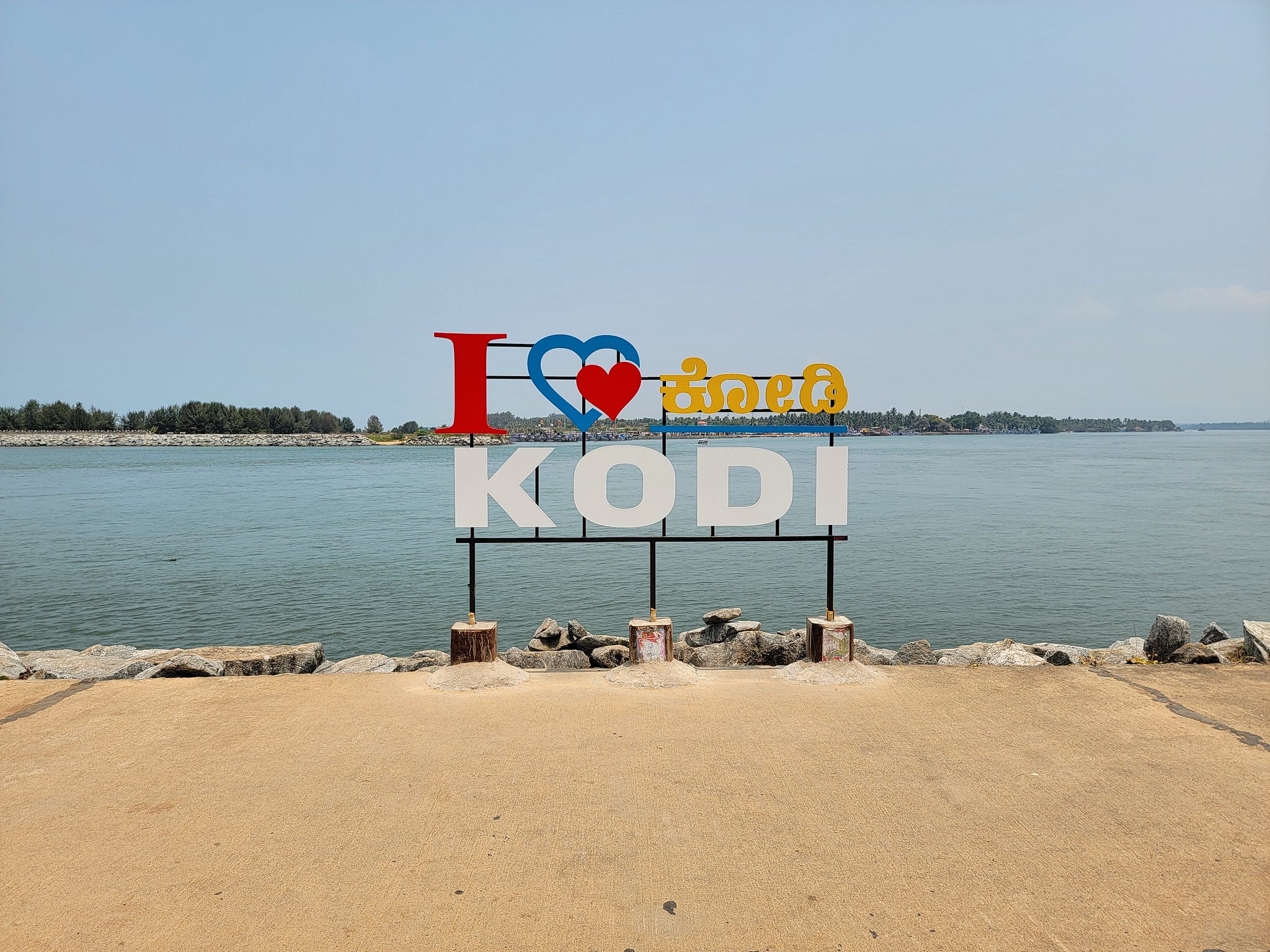
I have seen three seas merging with each other at Triveni Sangama in Kanyakumari. I have seen three rivers merging with each other at Koodala Sangama. I had not seen rivers and sea merging with each other (what are called as Deltas) and hence, I was quite excited about Kodi Delta point where 5 rivers meet the Arabian Sea. We can clearly witness the waves/currents of the river and the sea nullifying each other into plane waves at the delta point. This place was also extremely clean and the infrastructure was spot on for morning & evening walks for the public.
We then headed towards the Maravanthe road which is sandwiched between Arabian sea on one side and the tranquil Souparnika river on the other side. I always thought that I have never been here & was in my bucket list for so long and so did my parents. However, when we got down there, we were pleasantly surprised to realise that we had visited this exact place about two decades ago during our visit to Sringeri-Horanadu-Murudeshwara temples. Just that we did not realise back then that it is called as Maravanthe beach.
At the beginning of the Maravanthe road there is a Varaha temple which we visited. The temple is blissfully located beside the Souparnika river. After seeking the blessings from Lord Varaha, Lord Vishnu and Lord Narasimha, we went to the Maravanthe beach. Here are some drone shot references from Google that shows the beauty of this coastal stretch.
Although the piers are not clearly visible at the horizon levels, the piers are still a nice setup to go near the sea and experience the power of high tides. We then headed to Udupi where we were greeted in another beautiful heritage home stay called Prarthana Heritage resort. It is a beautiful traditional home now converted into a accommodation facility for guests.
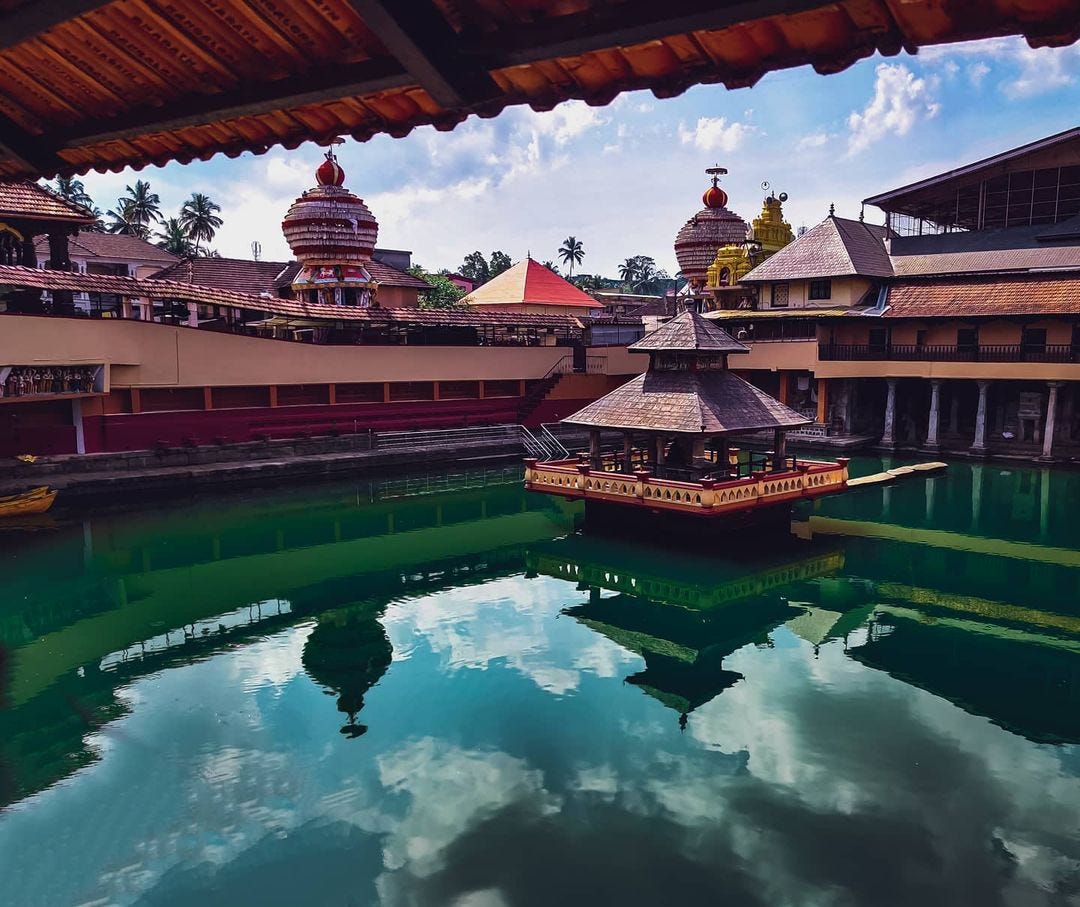
We took rest for a while and went to Sri Krishna Mutt in Udupi in the evening. We had a blissful darshana of Sri Krishna. There is something called as Gita Mandira where two elderly women were chanting the Gita Shlokas. We sat there listening to the Gita. Once they completed reciting the Gita, we headed towards Anna Brahma were Prasadam is offered to thousands of devotees on a daily basis for free (and thus this way they also distribute burnol for those who taunt Hindu temples and question the intent of temples 😂)
Seated in the dining hall, I couldn’t help but feel a wave of disappointment as I observed some devotees bypassing the queue for darshana and entering the dining area. My initial reaction was to pass judgment, my mind racing with critiques. Yet, in a moment of reflection, I reminded myself not to be quick to judge. After all, isn’t the act of receiving food also a form of blessing, whether or not one has the opportunity to glimpse the divine presence of Krishna? In that moment, I found solace in the notion that blessings come in many forms, and true devotion transcends the boundaries of outward rituals.
In this sacred place, I observed a unique ritual where some devotees chose to have their prasadam directly on the floor, as a gesture of service and gratitude to Krishna. This unconventional practice made me reflect on the essence of devotion — Does the physical surroundings truly matter when devotion is pure? I realised that in the presence of unwavering faith, even the most humble offerings are transformed into divine blessings.
Overall, I felt very happy after visiting this sacred place. We headed back to the home as we had to start early the next day.
Day #4 — Udupi to Bengaluru via Madikeri
Panchajanya, the conch shell suggested to return via Madikeri Mysuru route. I obliged!
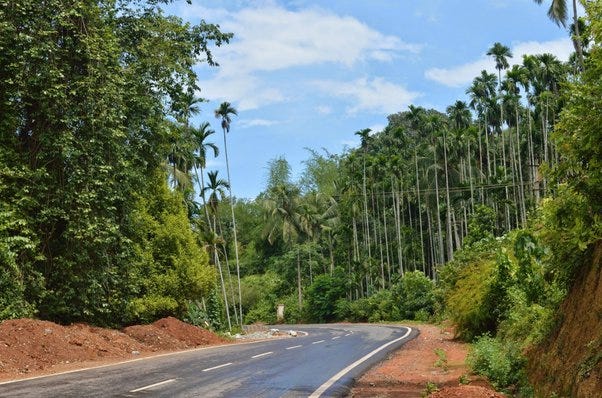
The Madikeri roads were so beautiful. Loved the mountains, the curvy ghat roads.
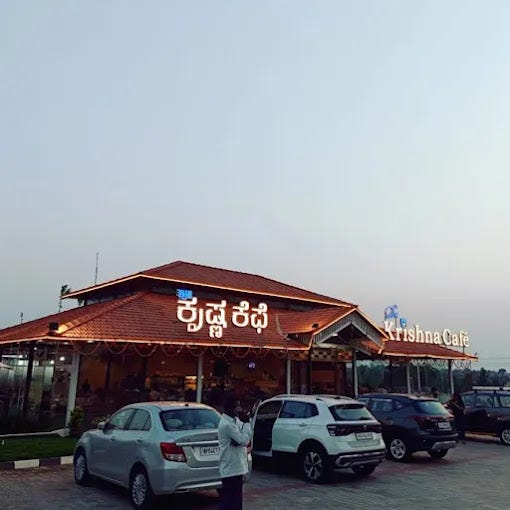
It seems the universe had a delightful surprise in store for us by the time we were hungry in the noon leading us to stumble upon a newly opened eatery: “Sri Krishna Cafe” near Hunsur. It was a serendipitous moment that left me marveling at the intricacies of divine timing — the perfect manifestation of the “what you seek is seeking you” phenomenon. I wouldn’t have been so surprised to see this name in Udupi because every other restaurant in Udupi has its name after Krishna 😅 like every other kid is named Shiva in Srisailam.
As I enjoyed the delicious offerings of the cafe, I couldn’t help but reflect on the journey thus far and the unmistakable hand of Sri Krishna guiding every step of the way. From the spontaneous twists and turns of our itinerary to the unexpected encounters and discoveries along the road, it felt as though divine forces were at work, orchestrating a symphony of luck, chance and synchronicity.
In these moments of reflection, I found solace in the belief that the universe conspires in mysterious ways to fulfil our deepest desires. Whether we call it the law of attraction, a miracle, or simply divine intervention, there’s a certain magic in knowing that what we seek is indeed seeking us, guiding us ever closer to our destiny.
We reached home by evening enjoying another stretch of beautiful ride along the Mysuru Bengaluru expressway.
While I updated my journal Pareekshith at night before sleeping I recollected everything that happened through the trip and I was reassured of what Sri Krishna says in Gita
A friend of mine was engrossed in the virtual world of social media, her eyes glued to the screen, seemingly unaware of the world around her. Her another friend attempted to bring this girl back to reality with a remark, “Chin up, Queen. Your crown is gonna fall, otherwise.” 😘
With a mischievous grin, I pointed towards the ground near her foot and declared, “Too late. It fell already”
Laughter erupted from the surrounding friends, echoing through the air 🤣 The two girls in question found themselves caught between the conflicting emotions of admiration for the humour and a hint of embarrassment. Thus, leaving behind a trail of smiles & frowns; warning me to watch my nose as I was about to get punched 🤣
Here’s 🍻 to the crowns that may fall and the laughter that remains!
Here’s 🍻 to the delicate dance between humour and camaraderie!
Here’s 🍻 to the savouring the guilty pleasures that make our bonds unbreakable!
]]>Samarth DeyagondWhy do K8s CRDs use pointers mostly?2024-02-24T00:00:00+00:002024-02-24T00:00:00+00:00https://axiomsamarth.github.io/writing/2024/02/24/why-do-k8s-crds-use-pointers-mostly-12613b332d83Why do K8s CRDs use pointers mostly?
Custom Resource Definitions (CRDs) in Kubernetes play a crucial role in extending the Kubernetes API to accommodate custom resources and controllers. One interesting design choice within CRDs is the use of pointer types in the specification (spec) and status (status) section of the resources. Here is an example CRD of AWS VPC Spec that uses pointers for majority of the Spec fields.
In this blog post, we’ll explore why most Kubernetes CRD specs use pointers and how this design choice enhances flexibility and extensibility.
The Flexibility of Nullable Fields
One of the key advantages of using pointers in the spec section is the ability to represent nullable fields. In Go, pointers can be nil, and this characteristic allows us to explicitly indicate when a particular field is absent or not relevant.
Here, OptionalField is a pointer to a string, and if left as nil, it signals that the field is not specified. This flexibility is particularly valuable for fields that are optional or conditionally relevant.
Handling Default Values
Pointers also help distinguish between a field explicitly set to null and a field that is not set at all. This is crucial when dealing with default values. A nil pointer might mean “use the default value,” while a non-nil pointer indicates an explicitly set value.
Detecting Changes During Reconciliation
When reconciling resources, pointers simplify the detection of changes. If a field’s pointer changes from nil to a non-nil value or vice versa, it indicates a modification or an update to that field. This makes it easier for controllers to identify changes in the desired state of the resource.
Forward Compatibility and Extensibility
Using pointers in the spec and statussection supports forward compatibility. If new fields are added to the CRD in future versions, existing clients can remain compatible without breaking changes. A nil pointer for a new field would indicate that it is not set, allowing for seamless extensibility.
In this example, the introduction of NewField doesn’t break existing implementations of K8s operators, and clients can choose to set or ignore this new field based on their requirements.
JSON Serialisation
Lastly, pointers facilitate natural representation of null values in JSON. When the Go struct is serialised to JSON, a nil pointer becomes a null value in the JSON representation, indicating the absence of the corresponding field.
Conclusion
The use of pointer types in the spec and statussection of Kubernetes CRDs provides a powerful mechanism for enhancing flexibility, supporting nullable fields, handling default values, detecting changes during reconciliation, ensuring forward compatibility, and enabling seamless extensibility.
Understanding this design choice is crucial for developers working on Kubernetes operators and custom resources, as it empowers them to create scalable and adaptable systems in the ever-evolving landscape of Kubernetes.
]]>Samarth DeyagondImpact of the 48 minute meditation routine2024-02-18T00:00:00+00:002024-02-18T00:00:00+00:00https://axiomsamarth.github.io/writing/2024/02/18/impact-of-the-48-minute-meditation-routine-472662b82d0cAs a dedicated software engineer clocking in at least 10 hours a day, coupled with managing my household chores, I found myself yearning for a fulfilling escape from the monotony of daily life. However, I decided to take a different route — one that led me to conquer boredom and find fulfilment.
My day-to-day routine involves not only the demands of a challenging job but also the responsibilities of cooking, cleaning, and maintaining my living space. Despite the apparent time crunch, I’ve managed to eliminate distractions by staying off social media platforms and messaging apps. This decision has gifted me an additional 3 to 4 hours of valuable free time every day.
So, how do I spend this newfound time? I immerse myself in the realms of knowledge & self-discovery. I read books covering diverse topics such as software engineering, spirituality, history, personal finance, and entrepreneurship. This intentional choice to feed my mind with enriching content has become a cornerstone of my daily routine that has helped me achieve several personal feat helping me head towards FIRE in an accelerated manner.
However, my ultimate sanctuary from boredom lies in the practice of meditation. Initially, it wasn’t an easy feat — my mind resisted the stillness, bombarding me with thoughts from the past, present, and future. Undeterred, I persisted and established a routine, asserting to my mind, “You are my advisor, but I am your boss!”
After six months of consistent meditation, my mind is now under control. I can sit for 48 minutes straight in front of my beloved Deity, chanting His holy name. During these moments, I allow thoughts and feelings that burden my heart to dissipate. I experience fleeting moments of enlightenment, gaining insights into my awareness, consciousness, and the true nature of our reality.
This journey has instilled in me a deep sense of gratitude for life’s blessings, fostering a desire to contribute meaningfully to the world. I’ve learned to let go of endless desires and pains, regrets, unfulfilled expectations and I find fulfilment in simple gratitude. Post-meditation, I am infused with positivity, love for everyone, expectation from no one, an ambition to make a positive impact, an appreciation for everything & everyone and an abstract understanding of life & existence.
Meditation has equipped me with the power to tolerate and analyse life’s challenges. I no longer succumb to agitation when things don’t go my way or when life poses a difficult or unpleasant situation; instead, I approach issues with a practical mindset.
I was surprised to see my calm & composed response to the unfortunate accident involving Friday, my car, last year end. I can clearly recall my nature from the past where such an incident would have been a major catastrophe for me.
Thus, whenever boredom threatens to creep in, I turn to meditation, emerging wiser and more centered from within.
श्रीकृष्णार्पणमस्तु |
]]>Samarth DeyagondHappiness is not a kingdom but a state of mind.2024-02-16T00:00:00+00:002024-02-16T00:00:00+00:00https://axiomsamarth.github.io/writing/2024/02/16/happiness-is-not-a-kingdom-but-a-state-of-mind-d17557a0e7b2I often find it interesting to get perspective about various aspects of life form people with vast life experiences. Hence, I usually tend to talk to such people and get real good insights about various things. Thus, I ended up talking to an elderly man who I felt has a stable life and has been working at a company for a span more than my age.
My question to him was very simple. I asked, “Didn’t you get bored being at a same company for so long? Didn’t you think of the accelerated career growth & monetary benefit you would get had you switched companies?”
He said, “I get what you are saying and you have a fair point too, son. But let me ask you this? What would all those ultimately lead to?”
“A better life”, I said. He nodded at my innocence with a smile and asked, “A better life, in terms of what?” That is where I realised that I did not have a definition for “better life” yet not giving up on it, I said, “in terms of comforts, luxury, peace of mind, etc.”
He said, “everything you just mentioned are states of mind. There are people who complain about BMW 5 series that they own & think BMW 7 series to be more comfortable. There are people who complain about their flat and think that a villa would be more of a luxury. But no, none of this is true. They don’t promise you a better life.”
Well, he had a point but I needed more clarity. Hence, I asked, “Elaborate to enlighten”.
He said, “People often fulfil their basic needs and continue to expand on the same things throughout life. This leads to distress, chaos and a life without a meaningful purpose because desires never end. Because there is always something better”.
I said, “I still do not understand how a nicer car, bigger house don’t add up to make a better life. Haven’t you heard of it where they say, ‘Crying in a Lamborghini is better than crying in a Toyota’”. For which he asked, “If I get you every luxury of this world to enjoy and put a condition that you can enjoy this for one whole day & the next day you shall be beheaded, will you be able to enjoy it all? No! Your mind would worry about what’s coming next.”
“That’s hypothetical”, I said. “No, it is not. The more you possess, the more you are attached to it and the more you are attached, the more shall be the fear of losing it or concern of protecting it or expanding on it and this is a vicious cycle”.
Adding, “The real luxury in this generation is peace of mind, contentment in life and a sense of satisfaction. And you can achieve then only by providing a value addition to the society. We have to work for selfish causes only upto a certain level. Once your basic needs like shelter, clothing and food are more or less sorted in life, start thinking about what value addition you offer to this society, to your country.”
Continuing . . . he said, “That way you will achieve both better life and also a meaning to your life. This way you will also repay your debt to God for giving you the best form of life on this Earth that is ‘the human life’. All great men are great not because they are rich but because they add value to this world.”
I said, “I think your simple life and your mindset where you are inspiring other to have a simple but meaningful life and at the same time encouraging them to make this world a better place to live is your value addition to this society.” He laughed and said, “Thank you, son. There is more but let me keep those for another day. But I am glad that you appreciate my mindset”.
Listening to him was like a moment of enlightenment. I thanked him for setting a right perspective about life and for helping me define a ‘better life’.
]]>Samarth DeyagondThe Monk Who Transformed The Most Dangerous Indian State, Into The Second Largest Economy Of The…2024-01-05T00:00:00+00:002024-01-05T00:00:00+00:00https://axiomsamarth.github.io/writing/2024/01/05/the-monk-who-transformed-the-most-dangerous-indian-state-into-the-second-largest-economy-of-the-32b5a406066cIndia
The Monk Who Transformed The Most Dangerous Indian State, Into The Second Largest Economy Of India!
No personal likes or dislikes in this story, only personal experiences, facts, and pure facts.
In picture — Yogi Adityanath. Credits: The Economic Times
The Story I Heard in My Childhood
It was the year 2003 that one of my uncles planned to set up a plant in the Indian state of Uttar Pradesh. The state is one of the largest in the country, and the most densely populated one. There was scope, and there was surely abundant labor available to make things possible.
His idea was to run a wax-making plant, and he had chalked out the plan with one of his friends who was a resident of Uttar Pradesh at the time.
He had hopes. High hopes that his business would flourish, and with a few thousand rupees he caught a midnight train to a small town in Uttar Pradesh, to that friend’s place.
Before he could even reach his home, he was looted in his way, most of his cash gone, he was attacked right on the train and his belongings were damaged. Thankfully, he did not lose his life.
But he didn’t want to give up even after so much damage, so they started reaching out to local politicians for help. As expected…
]]>Samarth DeyagondSrisailam & salvation!2023-12-15T00:00:00+00:002023-12-15T00:00:00+00:00https://axiomsamarth.github.io/writing/2023/12/15/srisailam-salvation-697cb9c9cdafIn the pursuit of my 2023 resolution to discover a new destination each month, especially in diverse states, I found myself embarking on a profoundly meaningful pilgrimage. With my father’s recent retirement from his 35+ years of professional journey, his enduring wish to revisit our ancestral deity, Sri Srisaila Mallikarjuna (affectionately known as Mallanna by devotees) — a revered Jyotirlingam — became the focal point of our journey. It had been 27 years since our last family visit to this sacred site, a place that not only houses the divine presence of Sri Srisaila Mallikarjuna but also embraces the energy of Shri Bhramarambha Devi, a powerful manifestation of Shakti.
Several remarkable events unfolded during this pilgrimage, endearing it to my heart. Though words may not fully capture the divine experiences, I shall endeavour to convey them.
My mother visited my home in Bengaluru for an extended stay for the first time, and she expressed a desire to experience the Namma Metro. Thus, I took them on a metro ride. Boarding at the first stop, the empty train allowed me to guide my mother through various compartments, pointing out landmarks, including offices of tech giants like HPE and SAP Labs, where I had worked in the past.
During the security check at the entrance of metro, I informed the guard about the God’s idol that I was carrying in my bag that would be detected by the metal detector & placed my bag in it. The lady guard and the other guard were so glad to see Laddu Gopal whom I was carrying with me that she exclaimed saying, “Arreyy . . He’s Krishna. He’s so beautiful” while the other guard said joining his hands 🙏 — “I feel so blessed to get Sri Krishna’s darshan here itself. I am so happy. Thank you!” He even called another guard to see Krishna.
This is how Laddu Gopal looks like (reference image) Absolute adorable & loving little prince who rules our hearts!
This filled me with deep appreciation for the spiritual consciousness inherent in Bharatiya Hindus. This fundamental connection with our Sanatana Dharma and our deities has played a pivotal role in preserving our individuality, morals, ethics, and the very essence of Bharath as a nation. This enduring strength has withstood the challenges posed by horrific invasions and genocides orchestrated by radical Islamic invaders and colonizers like the British.
It is this unwavering commitment to the truth that God resides within our hearts, and that the entire universe is a manifestation of the Supreme Lord Sri Maha Vishnu, where each one of us is an integral entity. This belief has not only fostered a resilient cultural identity but has also been a beacon of resilience in the face of historical adversities.
The journey officially commenced on this positive note. After all, isn’t a journey about traversing places, spreading happiness, and, in turn, making God happy? Because God resides in the heart of every being as said by Sri Krishna in the Gita -
अहमात्मा गुडाकेश सर्वभूताशयस्थित: | अहमादिश्च मध्यं च भूतानामन्त एव च ||
“O Arjun, I am seated in the heart of all living entities. I am the beginning, middle, and end of all beings.”
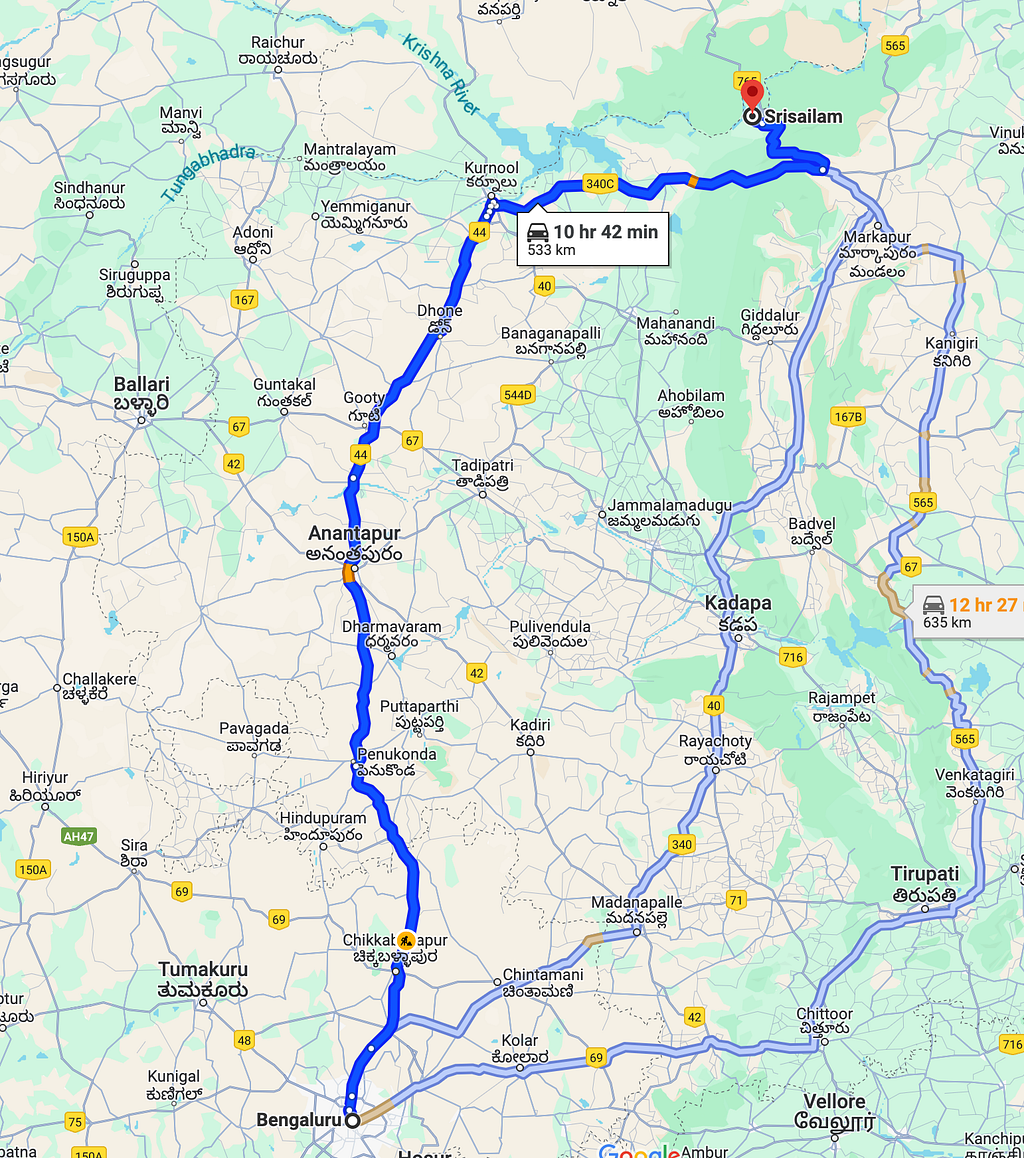
A beautiful journey of 500 km
Day #1
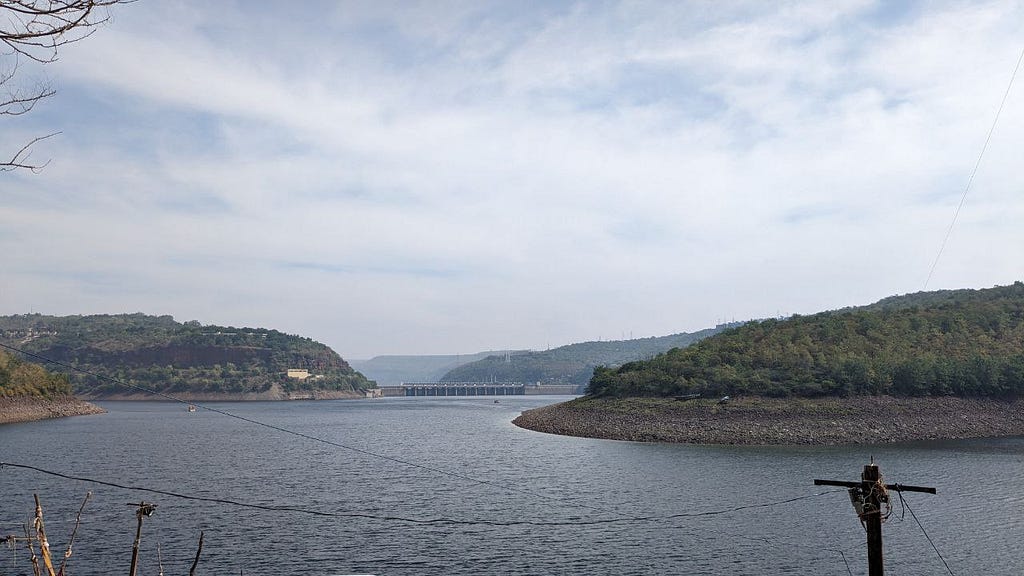
Nestled in the heart of the enchanting Nallamalla Forest, also known as Kadali Bana and a Tiger Reserve, this formidable shrine stands as a testament to nature’s mystique in Andhra Pradesh. Recollections of tales from my grandparents and parents resonated as we ventured into this dense expanse, where the forest’s allure transforms into a one-way route — once embarked upon, there’s no turning back.
In the profound teachings of spirituality, a captivating lesson unfolds — that our reality is but a transient illusion, a captivating canvas woven by the divine. It beckons us to transcend the illusions of this world, navigate the intricate maze of Maya, and ultimately connect with the divine essence.
In a reflective moment, I found myself immersed in awe, marveling at the intricate beauty of this illusory labyrinth crafted by God. Every facet of existence seemed to bear profound meaning, designed to guide us toward liberation from the veils of illusion. The brilliance of coexistence and the intricate choreography of life unfolded like a masterful artwork. Words fall short in capturing the depth of admiration within me — an indescribable meditative state where I felt humbled by the sheer artistry of God’s creation.
Very soon, we reached Sakshiganapati temple where it is believed that we should visit this temple before visiting to Jyotirlingam. The belief is that Lord Ganesha here records our visit to Srisailam.
Upon reaching Srisailam, an auto stood next to the bus. When I asked the auto driver, named Shiva, to drop us at our hotel, he offered to be our guide for the next day’s visits. The alignment of his name with our purpose of visiting the divine Shrine of Lord Shiva felt like an energising sign.
Freshening up at the hotel, we started our journey to the temple. As per my tradition, I adorned traditional attire and walked barefoot, seeking forgiveness for my past mistakes and sins. The scorching afternoon sun made the journey challenging. The heat from the road burned my feet to an extent that the next day the skin on my feet was peeling off. All this was testing my resolve. However, the love of my parents shone through when my father offered his footwear, and my mother expressed concern about my feet. Despite the difficulties, I persisted walking barefoot, chanting Rama’s name and mantras for strength. Miraculously, clouds covered the sun, cooling the roads. I couldn’t help but attribute it to divine intervention, and my mother, laughing, called it another one of my theories.
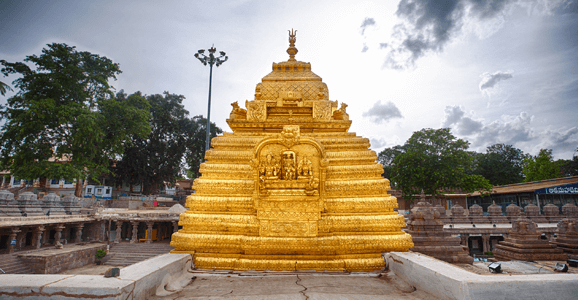
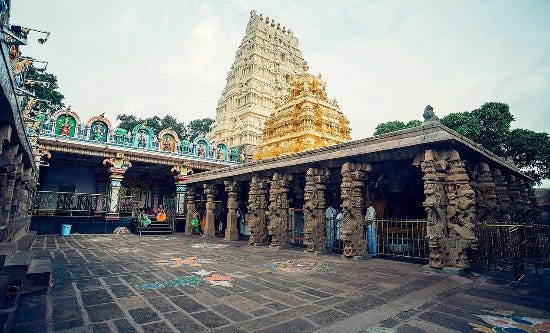
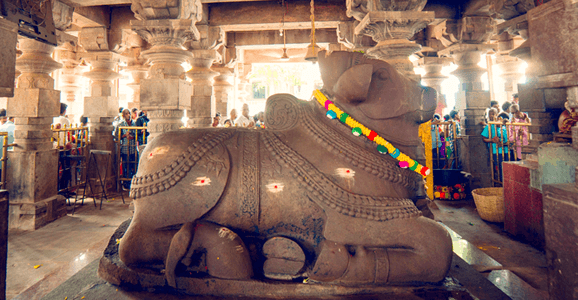
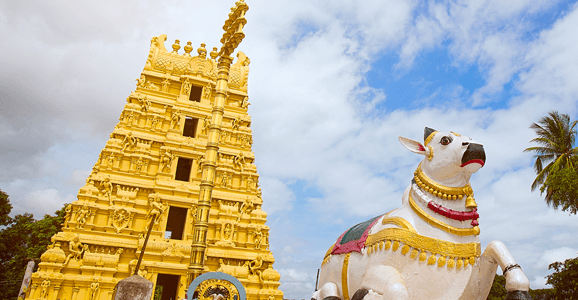
We reached the temple and took the darshana of Sri Srisaila Mallikarjuna and Sri Bhramarambha devi. I could see and witness the Jyotirlinga and Shaktipeeta from a very close distance and the feeling was beautiful. There were also many temples established by divine beings like Mother Sita, Pancha Pandavas, etc. After the darshana we performed a parikrama of the temple. The temple has amazingly architected gopurams and also the main temple of gold plated that makes it appear much more beautiful.
These are some reference images of the temple. Photography isn’t allowed in the temple.
My father was extremely delighted for having his wish of visiting Srisailam and seeking blessings of Sri Mallikarjuna fulfilled. And more than anyone, I was delighted for being the facilitator of this by the blessing of God Himself.
I had an amazing sleep that night.
Day #2
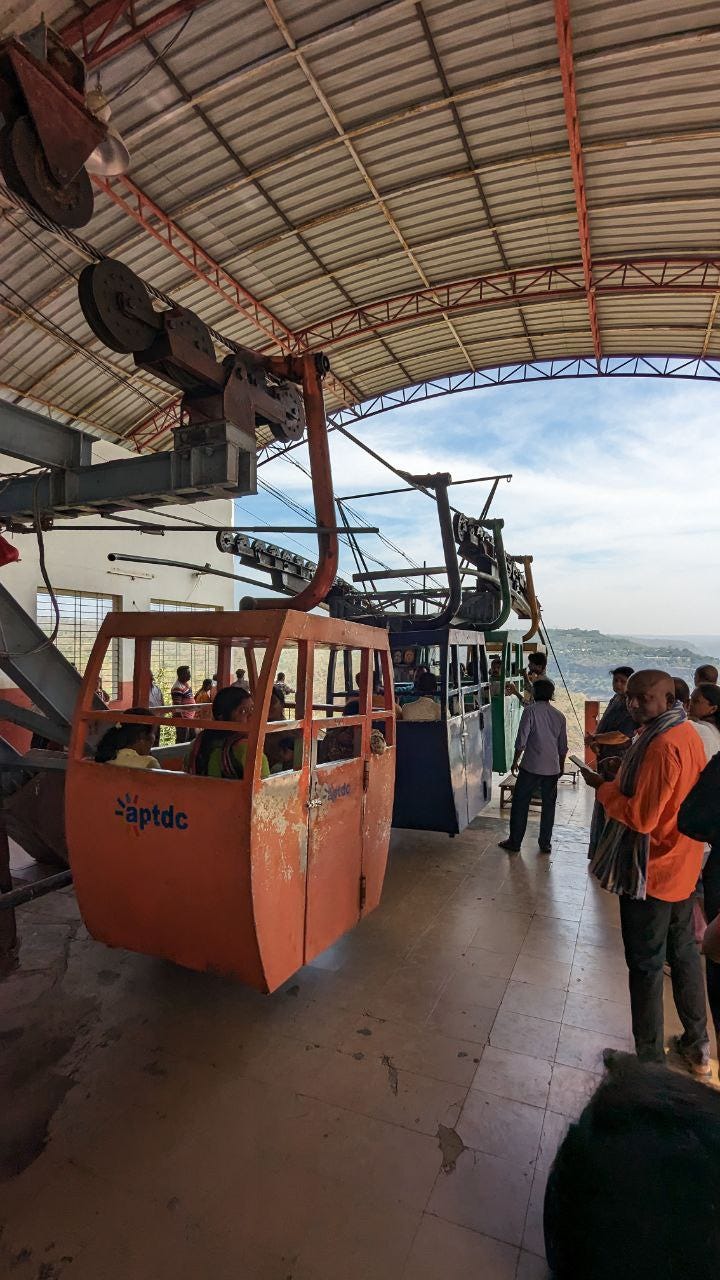
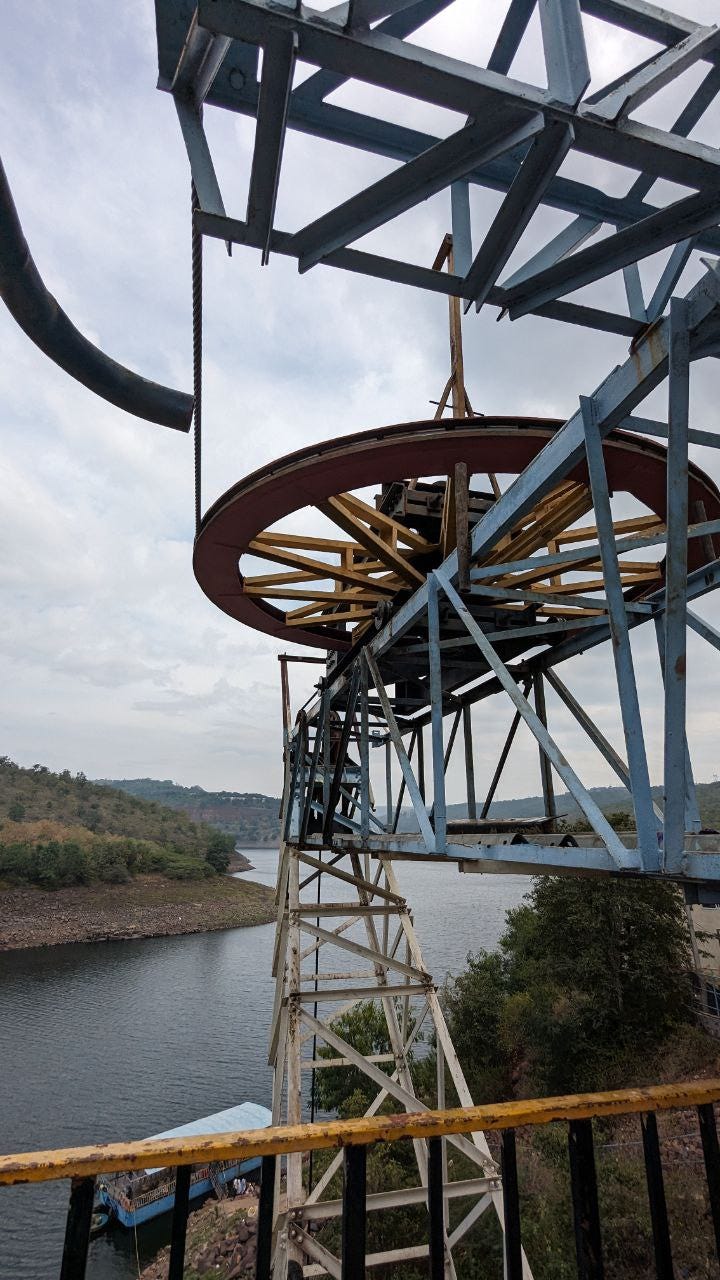
We checked out from the hotel & headed to Paatalaganga. It is another holy place in Srisailam where river Krishna is worshipped as Patalaganga. They say that the river here is so deep that there is no known bottom. Hence the name paatalaganga. There are 2 ways to reach here. One is the traditional way of going by steps and there is a new rope cars way that will drop you down the hill and up. My parents said they would like to go by the rope cars way and we stood in the super long queue to get the tickets and then to get in the cars. Only 16 people can go in one journey and it takes approximately 5 minutes for cars to go one way. The crowd was managed pretty well I would say.
The engineering work of these rope cars kept me engaged until our turn came. I observed and realised one thing that this whole world is run by gears and wheels in some way or the other.
Upon reaching Paatalaganga, I saw people were taking the divine dip in the river which was restricted about 5–7 feet inside from the steps. As I mentioned earlier, the river is so deep that they believe there is no bottom. So, as a precaution the place is well barricaded.
And this is where I felt a little uncomfortable looking at how the devotees were spoiling the sanctity of the place with their indiscipline and uncleanly behaviour. Every ritual or process of worshipping God/Goddess starts with cleanliness of soul, self and surroundings and it had probably taken the last priority at that place. But yea, I continued to focus on what’s important and took a dip in Paatalaganga.
It was almost 3 PM, we had our lunch and headed towards the bus station where our bus had already arrived & parked itself over there and we happily reached back our home the next day at 4 AM and rains in Bengaluru welcomed us home!
In Skanda Purana, it is proclaimed that श्रीशैल शिखरं दृष्ट्वा पुनर्जन्म न विद्यते which means that even the mere sight of Srisaila Shikhara (the mountain on which Srisaila Mallikarjuna is residing) frees the soul from the fitters of rebirth. What more of a blessing do I even need?
And thus I marked the end of 2023 by starting off the year with visit to Rameswaram and closing the year with Srisailam If you ever get an opportunity then ensure to visit Srisailam. Har Har Mahadeva 🙏
श्रीकृष्णार्पणमस्तु |
]]>Samarth DeyagondThe journey & a tale of friendship2023-11-08T00:00:00+00:002023-11-08T00:00:00+00:00https://axiomsamarth.github.io/writing/2023/11/08/the-journey-a-tale-of-friendship-1b347aeaf8b0In 2023, I embarked on a remarkable journey, a New Year’s resolution that led me to explore a new state in Bharath each month. As the year draws to a close, I am thrilled to declare that I’ve successfully kept this promise. This adventure has not only introduced me to the diverse landscapes, cultures, and people of our country, but it has also been a profound source of personal growth, a catalyst for strengthening bonds with dear friends, and an incredible source of happiness.
The Plan
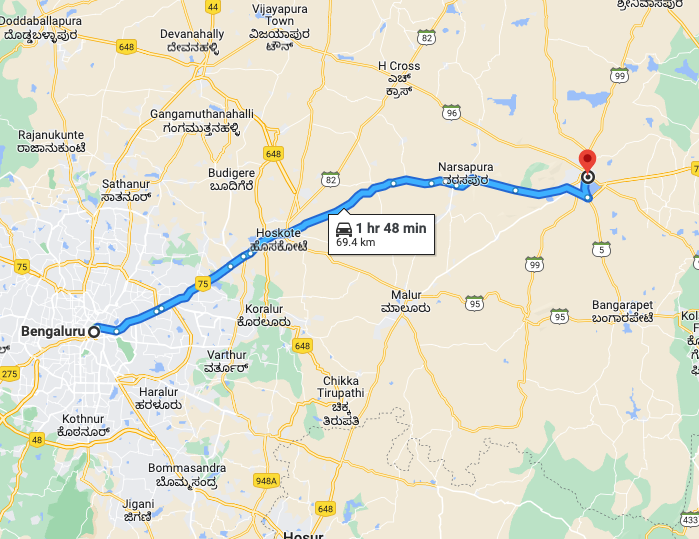
September had thrown a spanner in the works, with work commitments sidelining my travel aspirations. To stay true to my resolution, I decided to make November a multi-state exploration month. Thus, my sights were set on Telangana and Andhra Pradesh, two states that had been on my list since March.
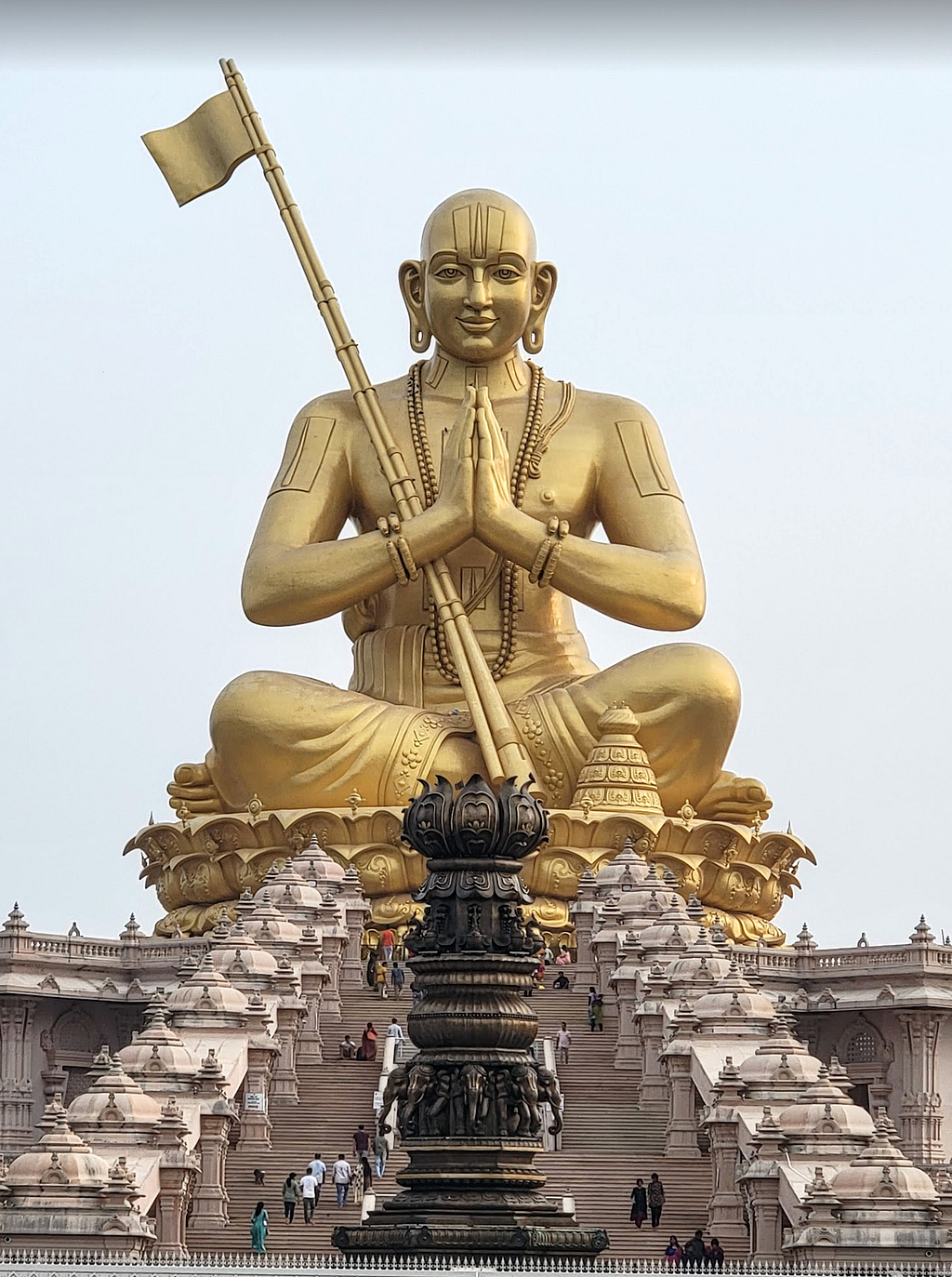
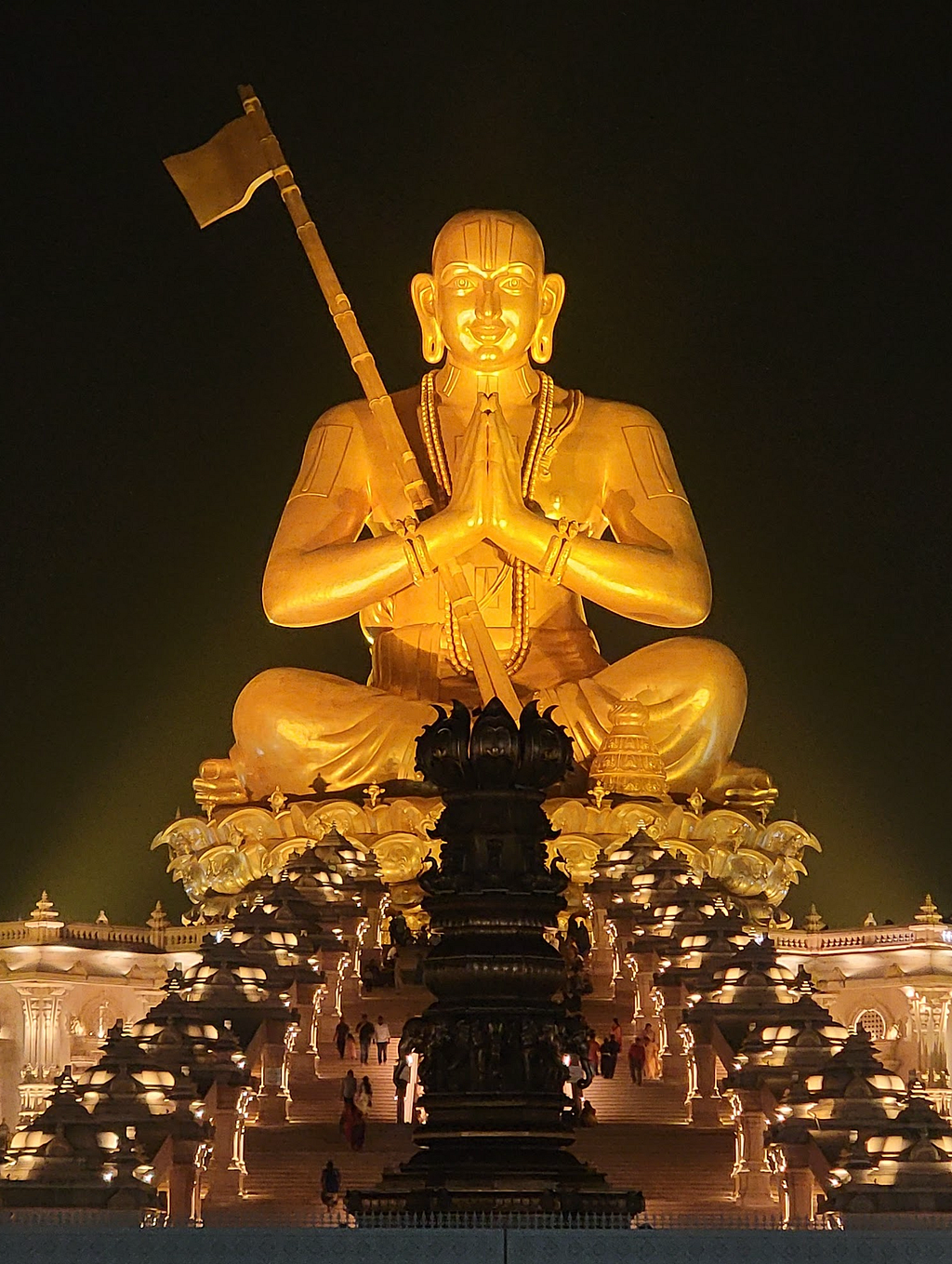
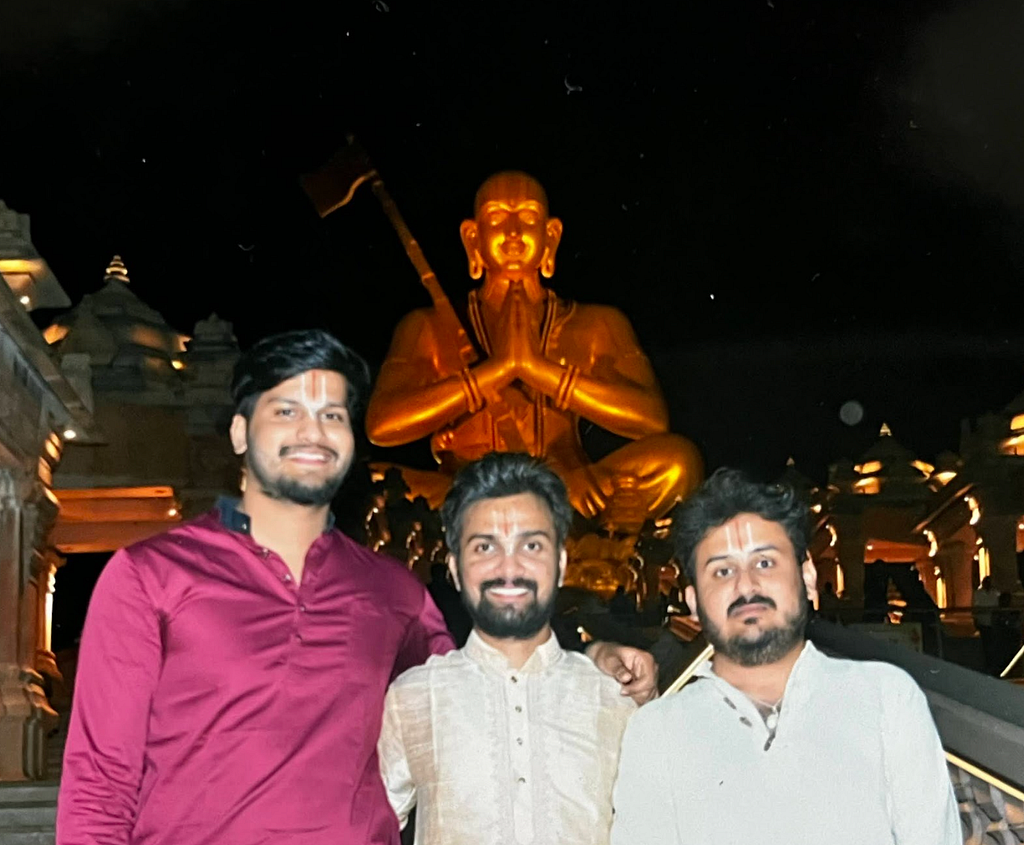
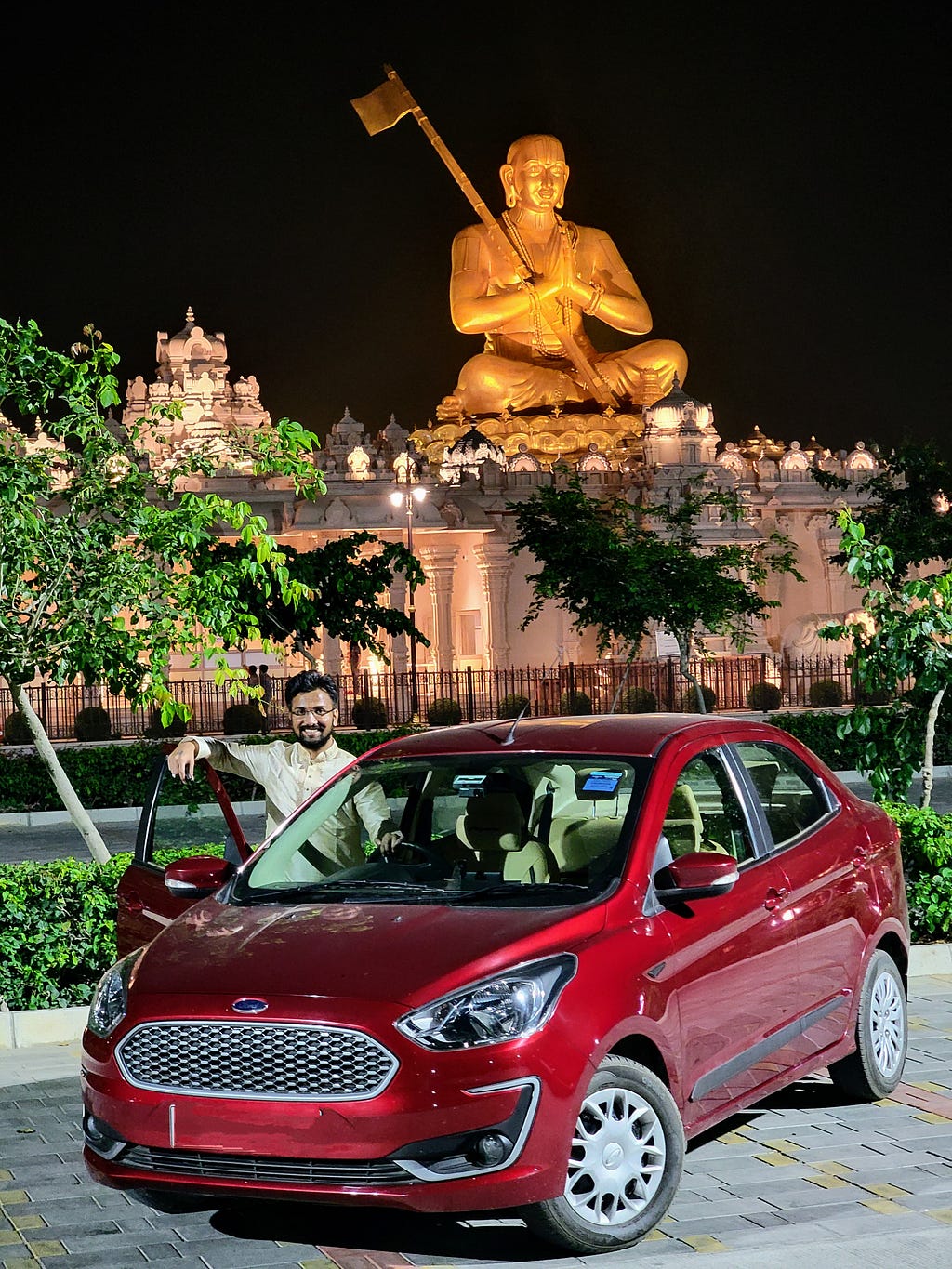
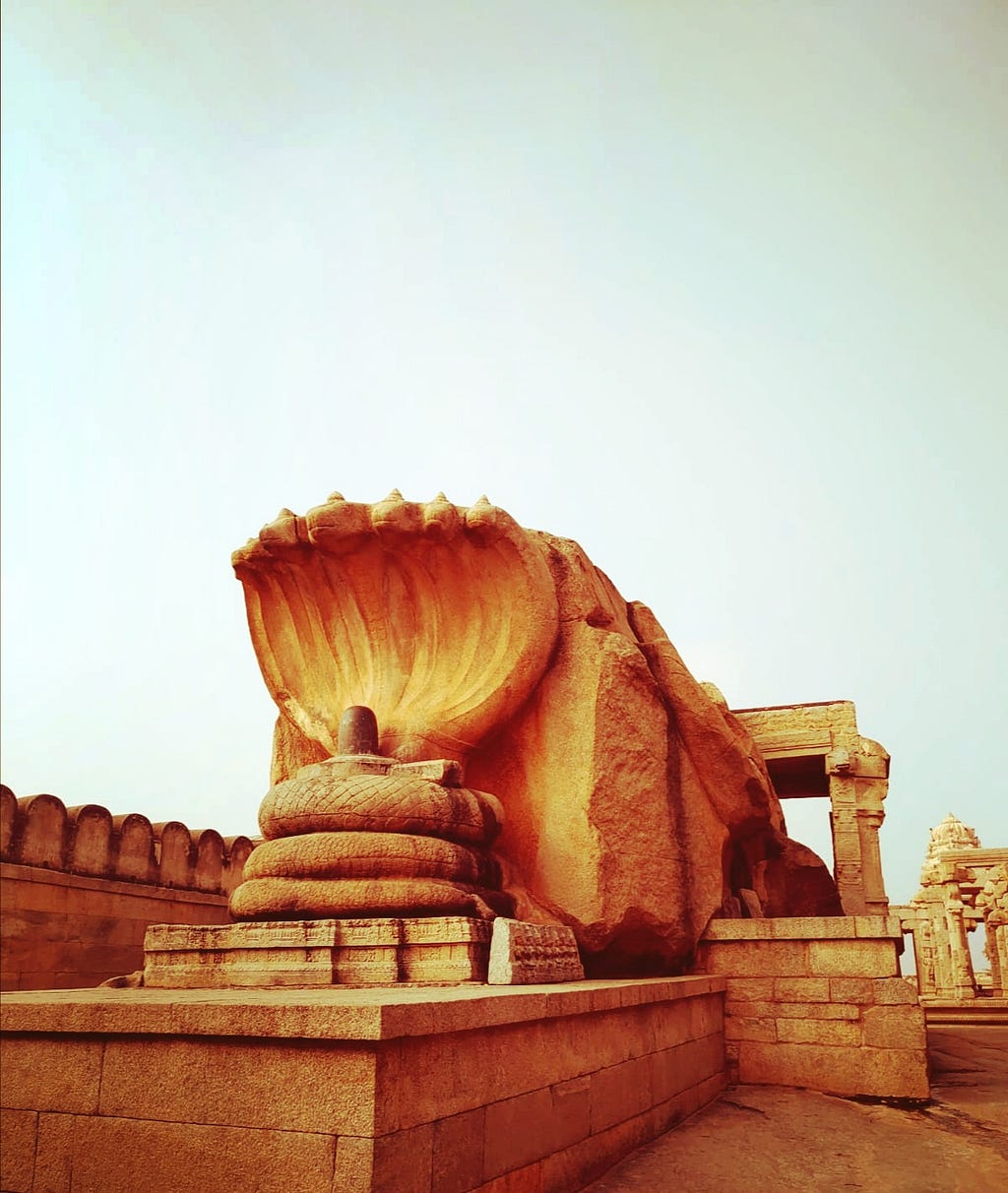
A bit of research led me to two remarkable destinations: the Samathaamoorthy (Statue of Equality) in Hyderabad, Telangana, and Lepakshi in Andhra Pradesh. Both places promised to be spiritual and architectural wonders.
The preparation
I called up my friend, a true source of inspiration for meaningful travel. He’s known for his spontaneous approach to trip planning — every time I’ve asked if he’s available to join a trip, he’s agreed first and then inquired about the destination, always with a good-natured laugh. It’s a testament to his adventurous spirit.
Another close friend, with whom I share a unique bond dating back to 3rd grade, is also an essential part of my life. He holds the distinction of being my very first driving instructor, my partner during my preparation for the National Defence Academy, a lot of combined studies and vault of so many secrets.
Two boys are best friends if the actual owner of the bike takes the pillion seat after picking his friend up from his home.
I share this bond with him.
Now, here’s where the story takes a delightful twist. Both of these dear friends happen to share the same name — Pranav! When they met, the moment was like
As fate would have it, we discovered during our trip that all three of us were born in the month of May. The synchronicity was uncanny, but it only added to the magic of our journey.
The trip
They both arrived the previous night to Preetikoota (my home) and after having the dinner I had prepared with all love and affection that they loved to have, we had an amazing time talking about so many things, laughing, jamming with songs and guitars.
We started early morning the next day finishing our worship rituals seeking blessings for a safe and fun trip; to drive on the NH 44 which happens to be the longest highway of Bharath connecting Srinagar to Kanyakumari. Our journey was on the stretch connecting Bengaluru & Hyderabad.
After an amazing 10 hour drive, we took rest at our hotel The Shloka Residency and headed towards Statue of Equality.
Statue of Equality
This divine place, a testament to the goodwill and dedication of Shri Chinna Jeeyar Swamiji, was created to commemorate the 1000th anniversary of Ramanuja’s teachings. At its heart, it houses the world’s second-largest seated statue and it is of Shri Ramanujacharya, a marvel built with an estimated cost of ₹1,000 crore (US $130 million), exclusively through generous donations from devotees.
This temple stands as a fusion of modern architecture and ancient Vastu Shastra wisdom, reflecting the profound knowledge embedded in the construction of temples, palaces, and homes that channel positive energy for success and happiness. The moment I entered, I could sense its aura. The sculptors and architects have achieved something truly remarkable.
Inside, there’s a golden idol of Ramanujacharya, but the true wonder lies in the 108 Vishnu temples located in all four directions, each representing major Vishnu shrines across Bharath’s universe. The experience of witnessing all the forms of the Shri Maha Vishnu, who is the supreme consciousness in one place and seeking blessings for a life filled with strength, courage, and honesty is nothing short of divine.
Seeing this magnificent statue was a truly awe-inspiring experience. The charisma in its eyes, the authenticity in its smile, and the divine aura that seemed to envelop the statue told the stories of how amazingly Shri Ramanujacharya has lived his life that he is guiding the world even after a millennium.
Now let’s take a look at the beautiful architecture of the temple premises.
Once we thoroughly explored the places, my friends know how much I admire my first wife, Friday. Hence, upon my ask they put their best efforts to get some amazing photos of Friday & with Friday😅
“Everything in life is somewhere else, and you get there in a car!”
After returning to our hotel, we embraced some much-needed rest. But before that these folks made me eat my FIRST burger of my life. I had McAllo Tikki burger from McDonalds and I guess, I liked it! And this is exactly how an addiction starts!
My sleep that night was remarkable, devoid of any dreams or awareness of my surroundings. The following morning, as I awoke early, I found myself contemplating the total disconnection I had experienced during that night’s slumber. It felt as though nothing in the world mattered during that serene interlude. I couldn’t help but ponder how much more beautiful the sleep of death might be.
In response to this introspection, my inner self provided an enlightening insight: “Just as you can achieve such a beautifully disconnected sleep at night only after a fulfilling day, you will attain such a peaceful sleep of death only after a fulfilling life.” With this revelation in mind, I began to wonder about the path to living a fulfilling life and the key to happiness. I realised that this was a meditative question worth contemplating during the drive & not on the bed! 😅
After getting ready, we embarked on our next adventure to Lepakshi. During the checkout process at the hotel, the reception staff recommended visiting the nearby Sri Seetha Rama Chandra Swamy Temple in Ammapally, known for its picturesque spots for photography. Intrigued by the suggestion, we decided to pay it a visit. Although it was early in the day and the temple had not yet opened to the public, there was a lively crowd gathered for pre-wedding photoshoots. I couldn’t help but smile at the amusing poses the couples struck, silently offering them my best wishes for a joyful married life as we continued on our journey. Right beside the temple there was a beautiful farm of Marigold flowers, so we enjoyed the nature and captured some beautiful frames.
Continuing our journey towards Lepakshi, I let my friends rest peacefully as I took the wheel on a serene drive. Friday hummed at a tranquil 2000 rpm, maintaining a steady 80 kmph, ensuring both fuel efficiency and a smooth, jerk-free ride.
As I guided our vehicle, my mind began to ponder a question that had been lingering since the morning — ‘How can one lead a truly fulfilling life?’ My contemplations led me down a path of ambition, with dreams of becoming a CEO, amassing wealth, or acquiring a grander home. Yet, something felt amiss, and these aspirations failed to provide the inner peace I sought.
Deep in thought, I gradually realised that the Statue of Equality of Sri Ramanujacharya was whispering the answer to me. It seemed to proclaim that the key to a fulfilling life lies in acts of philanthropy and in embracing a life of service. I now have everything I could ask for to live a comfortable life. I realised that going forward I should think of providing value addition to this world through Karma yoga. That is how I would be able to live a fulfilling life.
As I found the answer I sought, sun was over our head and it was time for lunch. After having an amazing spicy lunch, we continued again. And this time my friends were up & we started talking about the idea of marriage, how are we prepared for it, about wide spread woke culture, pseudo feminism, role of politics and caste, etc with some serious conversations and some fun. But I think that the summary of that conversation will be another beautiful blog in itself that will make a good read. So, keep an eye out for it.
Lepakshi
Finally, we arrived in Lepakshi, where I introduced my friends to the magnificent statue of Jatayu, a symbol of valor and selfless service, reminding us of his heroic battle to protect Mother Sita from Ravana. Jatayu laid down his life in the noble cause of safeguarding Sri Rama.
We couldn’t resist a glimpse of the world’s largest monolithic Nandi, which sat majestically, gazing upon Lord Shiva. Not far from there, Sri Veerabhadreshwar temple offered a majestic sanctuary for Lord Shiva. Inside the temple, we sought blessings from the various Gods and Goddesses gracing its sacred halls. It also has a giant footstep that some say is of Mother Sita and some say is of Hanuman ji.
Afterward, we explored the temple complex, marveling at the remarkable Vijayanagara architecture, including the famed hanging pillars, which remain an enigmatic architectural wonder to this day. The complex also housed a Ganapati temple and a remarkable Nagalinga monolith, said to have been carved between breakfast and lunch, a testament to the remarkable craftsmanship of the artisans.
We couldn’t help but be captivated by the beautiful Kalyana Mantapa, a perfect venue for wedding ceremonies, seamlessly blending architectural grandeur with divine vibes. Lepakshi was a treasure trove of art, history, and spirituality, and our visit left us in awe of its rich heritage.
Right when we wanted to explore more of it in detail in started raining heavily and we took shelter inside Friday. And the rain did not show signs of slowing down. So we decided to head towards home as it would get further late. Also, my friends were super eager to watch the cricket world cup match expecting a century from Virat Kohli on his birthday overriding the Ricky Ponting’s curse.
The drive back on the rain-soaked highway was a uniquely beautiful experience. Both Pranavs immersed themselves in the match, providing their own commentary and celebrating, creating a lively atmosphere.
The conclusion
Upon finally reaching home, we exchanged expressions of gratitude, recognizing the memorable camaraderie that had defined our trip. I felt a deep sense of thankfulness toward my friends, not just for their companionship but for their unwavering support in helping me fulfill my resolution.
We made a heartfelt promise to embark on more adventures in the future, with the potential for even more companions to join us. This commitment solidified the lasting bond of shared adventures that had been a cornerstone of our friendship.
Back home, as I reflected on our journey and our enduring friendship, I realised that the essence of our bond was a lack of expectations and the presence of pure goodwill. It was this very quality that had forged the strong and lasting friendship we cherished.
With a smile on my face and a heart filled with gratitude, I enjoyed a meal brought by my brother; prepared by my sister-in-law and settled into bed, anticipating another night of peaceful and restful sleep.
]]>Samarth DeyagondKeeping up the resolution . . .2023-10-31T00:00:00+00:002023-10-31T00:00:00+00:00https://axiomsamarth.github.io/writing/2023/10/31/keeping-up-the-resolution-ca090f15f751Keeping up the resolution . . .
The new year resolution of 2023 — ‘travel to one place every month’ continued. It was August and this time, our destination was the enchanting town of Kolar in Karnataka. We had heard about the spiritual and architectural significance of the Kolaramma Temple and the Someshwara Temple, and we couldn’t wait to embark on this unique road trip.
Fairly small distance but awaits with lots of amusements, experiences and enlightenment
The journey from Bengaluru to Kolar was a thrilling adventure in itself. Leaving behind the city’s hustle and bustle, we embraced the serene countryside of Karnataka. The lush green landscapes and the rustic charm of the rural areas added to the magic of our expedition.
For some reason, roads always have stories to tell!
Our first stop was the Kolaramma Temple, a place of deep spiritual significance. This ancient temple is dedicated to Goddess Kolaramma and is held in high regard by the locals. What struck us immediately was the unique practice of viewing the deity through a mirror. This added an air of mystique and reverence to the temple.
The Goddess Kolaramma here has a radiance beyond an explanation. Hence, it is advised to first see the Goddess in the mirror. There are some stories too where people got scared looking at the diety. However, I firmly believe that their fear is borne out of the guilt they carry for the wrong deeds they have done. But yes, looking the Goddess Kolaramma was indeed a divine experience where you can feel the energy and a divine reassurance of a Mother.
Inside the temple, we witnessed the spiritual fervor of devotees as they lit oil lamps, especially in lamps made of lemon and offered their prayers to seek the blessings of the Goddess. The presence of the Scorpion Goddess, Chelamma, was intriguing. Devotees gathered to seek protection from scorpions and to offer their gratitude. It is also believed that beneath the statue of Goddess Chelamma, actual scorpions are present and they are worshipped. It was a reminder of the diverse religious practices and local traditions that enrich Hinduism.
Kolaramma temple in Kolar. Neither do I click pictures inside a temple nor are we allowed to click pictures inside the temple.
Our next destination was the Someshwara Temple, a true architectural marvel. This temple, dedicated to Lord Shiva, is a timeless masterpiece of Vijayanagara architecture. Its towering gopuram, intricate stone carvings, and the sanctum sanctorum housing the Shiva Linga left us in awe of the artistic and architectural prowess of the Vijayanagara dynasty. Every stone carving would scream the excellence of Vijayanagara architecture and the brilliance of the sculptors.
The mesmerising architecture of Someshwara templeI would wish my wedding event to take place on such an auspicious platform surrounded by Gods & Goddesses and where Sun directly blessesJust look at the architecture. Every hammer shot created timeless wonders.
Beyond the spiritual significance and architectural grandeur, our road trip held a profound sense of accomplishment. Keeping up with our New Year’s resolution was a testament to our determination and wanderlust. We cherished the journey as much as the destinations themselves.
As the sun set over the Kolaramma and Someshwara Temples, we felt a deep appreciation for the spiritual and cultural treasures hidden within the heart of Karnataka. The Kolaramma temple and Someshwara Temples will forever hold a special place in our hearts, serving as a testament to our resolution and the unique beauty of India’s spiritual and architectural heritage.
There are a lot more things to talk about these beautiful, divine temples. But I thought of only giving you a glimpse so that you get inspired and driven by your appreciation you will visit to witness yourself the energy, the experience and the enlightenment these temples have to offer to you.
Every temple I go to leaves an imprint on me where I see the art of devotion of the ancient sculptors and I get inspired to do my job better than I do today. This is becoming the secret of my career success slowly. No wonder, divinity & spirituality aren’t something mythical or imaginary but they are nothing but way of life.
]]>Samarth DeyagondJSON is incredibly slow: Here’s What’s Faster!2023-09-28T00:00:00+00:002023-09-28T00:00:00+00:00https://axiomsamarth.github.io/writing/2023/09/28/json-is-incredibly-slow-heres-what-s-faster-ca35d5aaf9e8JSON is incredibly slow: Here’s What’s Faster!
Yes, you heard that right! JSON, the ubiquitous format for data interchange in web development, might be slowing down your applications. In a world where speed and responsiveness are paramount, it’s crucial to examine the performance implications of JSON, a technology we often take for granted. In this blog, we’ll dive deep into the reasons why JSON can be a bottleneck in your applications and explore faster alternatives and optimization techniques to keep your apps running at their. In a world where speed and responsiveness are paramount, it’s crucial to examine the performance implications of JSON, a technology we often take for granted. In this blog, we’ll dive deep into the reasons why JSON can be a bottleneck in your applications and explore faster alternatives and optimization techniques to keep your apps running at their best.
JSON, short for JavaScript Object Notation, is a lightweight data interchange format that has become the go-to choice for transmitting and storing data in web applications. Its simplicity and human-readable format make it easy for both humans and machines to work with. But why should you care about JSON in the context of your web development projects?
JSON is the glue that holds together the data in your applications. It’s the language in which data is communicated between servers and clients, and it’s the format in which data is stored in databases and configuration files. In essence, JSON plays a pivotal role in modern web development.
Understanding JSON and its nuances is not only a fundamental skill for any web developer but also crucial for optimizing your applications. As we delve deeper into this blog, you’ll discover why JSON can be a double-edged sword when it comes to performance and how this knowledge can make a significant difference in your development journey.
The popularity of JSON and why people use it…
JSON’s popularity in the world of web development can’t be overstated. It has emerged as the de facto standard for data interchange for several compelling reasons:
Human-Readable Format: JSON uses a straightforward, text-based structure that is easy for both developers and non-developers to read and understand. This human-readable format enhances collaboration and simplifies debugging.
Language Agnostic: JSON is not tied to any specific programming language. It’s a universal data format that can be parsed and generated by almost all modern programming languages, making it highly versatile.
Data Structure Consistency: JSON enforces a consistent structure for data, using key-value pairs, arrays, and nested objects. This consistency makes it predictable and easy to work with in various programming scenarios.
Browser Support: JSON is supported natively in web browsers, allowing web applications to communicate with servers seamlessly. This native support has contributed significantly to its adoption in web development.
JSON APIs: Many web services and APIs provide data in JSON format by default. This has further cemented JSON’s role as the go-to choice for data interchange in web development.
JSON Schema: Developers can use JSON Schema to define and validate the structure of JSON data, adding an extra layer of clarity and reliability to their applications.
Given these advantages, it’s no wonder that developers across the globe rely on JSON for their data interchange needs. However, as we explore deeper into the blog, we’ll uncover the potential performance challenges associated with JSON and how to address them effectively.
The need for Speed
The Importance of Application Speed and Responsiveness
In today’s fast-paced digital landscape, application speed and responsiveness are non-negotiable. Users expect instant access to information, swift interactions, and seamless experiences across web and mobile applications. This demand for speed is driven by several factors:
User Expectations: Users have grown accustomed to lightning-fast responses from their digital interactions. They don’t want to wait for web pages to load or apps to respond. A delay of even a few seconds can lead to frustration and abandonment.
Competitive Advantage: Speed can be a significant competitive advantage. Applications that respond quickly tend to attract and retain users more effectively than sluggish alternatives.
Search Engine Rankings: Search engines like Google consider page speed as a ranking factor. Faster-loading websites tend to rank higher in search results, leading to increased visibility and traffic.
Conversion Rates: E-commerce websites, in particular, are acutely aware of the impact of speed on conversion rates. Faster websites lead to higher conversion rates and, consequently, increased revenue.
Mobile Performance: With the proliferation of mobile devices, the need for speed has become even more critical. Mobile users often have limited bandwidth and processing power, making fast app performance a necessity.
Is JSON Slowing Down Our Apps?
Now, let’s address the central question: Is JSON slowing down our applications?
JSON, as mentioned earlier, is an immensely popular data interchange format. It’s flexible, easy to use, and widely supported. However, this widespread adoption doesn’t make it immune to performance challenges.
JSON, in certain scenarios, can be a culprit when it comes to slowing down applications. The process of parsing JSON data, especially when dealing with large or complex structures, can consume valuable milliseconds. Additionally, inefficient serialization and deserialization can impact an application’s overall performance.
In the sections that follow, we’ll explore the specific reasons why JSON can be a bottleneck in your applications and, more importantly, how to mitigate these issues. As we go farther ahead, keep in mind that our goal is not to discredit JSON but to understand its limitations and discover strategies for optimizing its performance in the pursuit of faster, more responsive applications.
JSON, despite its widespread use, isn’t immune to performance challenges. Let’s explore the reasons behind JSON’s potential slowness and understand why it might not always be the speediest choice for data interchange.
When JSON data arrives at your application, it must undergo a parsing process to transform it into a usable data structure. Parsing can be relatively slow, especially when dealing with extensive or deeply nested JSON data.
JSON requires data to be serialized (encoding objects into a string) when sent from a client to a server and deserialized (converted the string back into usable objects) upon reception. These steps can introduce overhead and affect your application’s overall speed.
In the world of microservices architecture, JSON is often used for passing messages between services. However, it’s crucial to recognize that JSON messages require serialization and deserialization, processes that can introduce significant overhead.
In scenarios with numerous microservices communicating constantly, this overhead can add up and potentially slow down your applications to an extent that affects user experience.
The second challenge we faced was that due to the textual nature of JSON, serialization and deserialization latency and throughput were suboptimal.
— LinkedIn
JSON is text-based, relying heavily on string manipulation for operations like concatenation and parsing. String handling can be slower compared to working with binary data.
JSON has a limited set of data types (e.g., strings, numbers, booleans). Complex data structures might need less efficient representations, leading to increased memory usage and slower processing.
JSON’s human-readable design can result in verbosity. Redundant keys and repetitive structures increase payload size, causing longer data transfer times.
The first challenge is that JSON is a textual format, which tends to be verbose. This results in increased network bandwidth usage and higher latencies, which is less than ideal.
— LinkedIn
JSON lacks native support for binary data. When dealing with binary data, developers often need to encode and decode it into text, which can be less efficient.
In some scenarios, JSON data can be deeply nested, requiring recursive parsing and traversal. This computational complexity can slow down your application, especially without optimization.
Alternatives to JSON
While JSON is a versatile data interchange format, its performance limitations in certain scenarios have led to the exploration of faster alternatives. Let’s delve into some of these alternatives and understand when and why you might choose them:
Protocol Buffers, often referred to as protobuf, are a binary serialization format developed by Google. They are designed for efficiency, compactness, and speed. Protobuf’s binary nature makes it significantly faster than JSON for serialization and deserialization.
When to Choose: Consider protobuf when you require high-performance data interchange, especially in microservices architectures, IoT applications, or scenarios with limited network bandwidth.
MessagePack is another binary serialization format known for its speed and compactness. It’s designed to be more efficient than JSON while maintaining compatibility with various programming languages.
When to Choose: MessagePack is a great choice when you need a balance between speed and cross-language compatibility. It’s suitable for real-time applications and situations where data size reduction is crucial.
BSON, or Binary JSON, is a binary-encoded format derived from JSON. It retains JSON’s flexibility while improving performance through binary encoding. BSON is commonly used in databases like MongoDB.
When to Choose: If you’re working with MongoDB or need a format that bridges the gap between JSON and binary efficiency, BSON is a valuable option.
Apache Avro is a data serialization framework that focuses on providing a compact binary format. It’s schema-based, allowing for efficient data encoding and decoding.
When to Choose: Avro is suitable for scenarios where schema evolution is important, such as in data storage, and when you need a balance between speed and data structure flexibility.
These alternatives offer varying degrees of performance improvements over JSON, and the choice depends on your specific use case. By considering these alternatives, you can optimize your application’s data interchange processes, ensuring that speed and efficiency are at the forefront of your development efforts.
Difference between JSON, Protobufs, MessagePack, BSON and Avro
The Significance of Every Byte: Optimizing Data Formats
In the world of data interchange, where efficiency and speed are paramount, the choice of data format can make a world of difference. This section explores the journey from a simple JSON data representation to more efficient binary formats like Protocol Buffers, MessagePack, BSON, and Avro. We’ll delve into the nuances of each format and demonstrate why every byte matters.
The Beginning: JSON Data
We start our journey with a straightforward JSON data structure. Here’s a snippet of our sample JSON data:
While JSON is versatile and easy to work with, it has a drawback — its textual nature. Each character, each whitespace, and every quotation mark matters. In scenarios where data size and transmission speed are critical, these seemingly trivial characters can have a significant impact.
The Efficiency Challenge: Reducing Size with Binary Formats
Now, let’s provide data representations for other formats and compare their sizes:
Protocol Buffers (protobuf):
syntax = "proto3";

message User {
  int32 id = 1;
  string name = 2;
  string email = 3;
  int32 age = 4;
  bool is_subscribed = 5;
  repeated Order orders = 6;

  message Order {
    string order_id = 1;
    float total_amount = 2;
  }
}
(The actual byte counts for these alternatives may vary, and these figures are provided solely to offer a general understanding.)
Now you might be wondering why even though some of these formats output binary, they have varied sizes. Binary formats like Avro, MessagePack, and BSON have different internal structures and encoding mechanisms, which can result in variations in the binary representations even though they ultimately represent the same data. Here’s a brief overview of how these differences arise:
1. Avro:
Avro uses a schema to encode data, and this schema is typically included in the binary representation.
Avro’s schema-based encoding allows for efficient data serialization and deserialization by specifying the data’s structure in advance.
Avro’s binary format is designed to be self-descriptive, meaning that the schema information is included in the encoded data. This self-descriptive nature allows Avro to maintain compatibility between different versions of data schemas.
2. MessagePack:
MessagePack is a binary serialization format that directly encodes the data, without including schema information.
It uses a compact binary representation with variable-length integers and variable-length strings to minimize space usage.
MessagePack does not include schema information, making it more suitable for scenarios where the schema is known ahead of time and shared between sender and receiver.
3. BSON:
BSON is a binary encoding of JSON data and includes type information for each value.
BSON’s design is closely tied to JSON, but it adds binary data types, such as date and binary data, which JSON lacks.
Like MessagePack, BSON does not include schema information.
These differences in design and encoding result in variations in the binary representations:
Avro includes schema information and is self-descriptive, which contributes to a slightly larger binary size but provides schema compatibility.
MessagePack is highly compact due to its variable-length encoding but lacks schema information, making it suitable for scenarios with known schemas.
BSON is closely related to JSON and includes type information, which can increase the size compared to purely binary formats like MessagePack.
In summary, these differences arise from the design goals and features of each format. Avro prioritizes schema compatibility, MessagePack focuses on compactness, and BSON maintains JSON-like structures with added binary types. The choice of format depends on your specific use case and requirements, such as schema compatibility, data size, and ease of use.
Optimizing JSON Performance
JSON, while incredibly versatile and widely adopted in web development, is not without its speed challenges. The format’s human-readable nature can result in larger data payloads and slower processing times. So, the question arises: How can we optimize JSON to make it faster and more efficient? In this guide, we’ll explore practical strategies and optimizations that can be implemented to enhance JSON’s performance, ensuring that it remains a valuable tool in modern web development while delivering the speed and efficiency your applications demand.
Here are some practical tips for optimizing JSON performance, along with code examples and best practices:
1. Minimize Data Size:
Use Short, Descriptive keys: Choose concise but meaningful key names to reduce the size of JSON objects.
Apply Compression Algorithms: If applicable, use compression algorithms like Gzip or Brotli to reduce the size of JSON payloads during transmissor Brotli to reduce the size of JSON payloads during transmito reduce the size of JSON payloads during transmission.
// Node.js example using zlib for Gzip compression
const zlib = require('zlib');

const jsonData = {
  // Your JSON data here
};

zlib.gzip(JSON.stringify(jsonData), (err, compressedData) => {
  if (!err) {
    // Send compressedData over the network
  }
});
6. Employ Server-Side Caching:
Cache JSON Responses: Implement server-side caching to store and serve JSON responses efficiently, reducing the need for repeated data processing.
7. Profile and Optimize:
Profile Performance: Use profiling tools to identify bottlenecks in your JSON processing code, and then optimize those sections.
Remember that the specific optimizations you implement should align with your application’s requirements and constraints.
Real-World Optimizations: Speeding Up JSON in Practice
In this section, we dive into real-world applications and projects that encountered performance bottlenecks with JSON and successfully addressed them. We’ll explore how organizations tackled JSON’s limitations and the tangible benefits these optimizations brought to their applications. From renowned platforms like LinkedIn and Auth0 to disruptive tech giants like Uber, these examples offer valuable insights into the strategies employed to boost speed and responsiveness while still leveraging the versatility of JSON, if possible.
1. LinkedIn’s Protocol Buffers Integration:
Challenge: LinkedIn faced challenges with JSON’s verbosity and the resulting increased network bandwidth usage, leading to higher latencies.
Solution: They adopted Protocol Buffers, a binary serialization format, to replace JSON in microservices communication.
Impact: This optimization reduced latency by up to 60%, improving the speed and responsiveness of LinkedIn’s services.
2. Uber’s H3 Geo-Index:
Challenge: Uber uses JSON for various geospatial data representations, but parsing JSON for large datasets was slowing down their algorithms.
Solution: They introduced the H3 Geo-Index, a highly efficient hexagonal grid system for geospatial data, reducing JSON parsing overhead.
Impact: This optimization significantly accelerated geospatial operations, enhancing Uber’s ride-hailing and mapping services.
3. Slack’s Message Format Optimization:
Challenge: Slack needed to transmit and render large volumes of JSON-formatted messages in real-time chats, causing performance bottlenecks.
Solution: They optimized the JSON structure to reduce unnecessary data, including only essential information in each message.
Impact: This optimization led to faster message rendering and improved overall chat performance for Slack users.
4. Auth0’s Protocol Buffers Implementation:
Challenge: Auth0, a popular identity and access management platform, faced performance challenges with JSON when handling authentication and authorization data.
Solution: They adopted Protocol Buffers to replace JSON for encoding and decoding authentication-related data.
Impact: This optimization significantly improved data serialization and deserialization speeds, resulting in faster authentication processes and enhancing the overall performance of Auth0’s services.
These real-world examples demonstrate how addressing JSON’s performance challenges with optimization strategies can have a substantial positive impact on application speed, responsiveness, and user experience. They highlight the importance of considering alternative data formats and efficient data structures to overcome JSON-related slowdowns in various scenarios.
Conclusion
In the world of development, JSON stands as a versatile and indispensable tool for data interchange. Its human-readable format and cross-language compatibility have made it a cornerstone of modern applications. However, as we’ve explored in this guide, JSON’s widespread adoption doesn’t exempt it from performance challenges.
The key takeaways from our journey into optimizing JSON performance are clear:
Performance Matters: Speed and responsiveness are paramount in today’s digital landscape. Users expect applications to be lightning-fast, and even small delays can lead to dissatisfaction and lost opportunities.
Size Matters: The size of data payloads can directly impact network bandwidth usage and response times. Reducing data size is often the first step towards optimizing JSON performance.
Alternative Formats: Explore alternative data serialization formats like Protocol Buffers, MessagePack, BSON, or Avro when efficiency and speed are critical.
Real-World Examples: Learn from real-world examples where organizations successfully addressed JSON slowdowns. These cases demonstrate that optimization efforts can lead to substantial improvements in application performance.
As you continue to build and enhance your web applications, remember to consider the performance implications of JSON. Carefully design your data structures, choose meaningful key names, and explore alternative serialization formats when necessary. By doing so, you can ensure that your applications not only meet but exceed user expectations in terms of speed and efficiency.
In the ever-evolving landscape of web development, optimizing JSON performance is a valuable skill that can set your projects apart and ensure that your applications thrive in the era of instant digital experiences.
Further Reading & References
Here are some additional resources for readers who want to delve deeper into the topic of optimizing JSON performance:
These resources offer in-depth insights into various aspects of optimizing JSON performance, including real-world case studies and alternative data serialization formats that can enhance the speed and efficiency of your applications.
To learn more about me and discover additional insights on web development, cloud computing, and serverless architectures, visit https://vaishnav.one. You can also explore my Medium articles by visiting https://wishee.medium.comfor more in-depth content or connect with me on Twitter @ https://twitter.com/vaishnav_mk1