JAPAN: A ‘Civilization’ Personified
My first international journey took me to Japan , referred to as ‘Nihon’ in Japanese — and it was nothing short of a revelation & transformation! Words can barely capture what I witnessed, but I will try.
Japan is not just a nation; it is the pinnacle of human civilization in today’s world!
It is a living manifesto of how humanity, nature, culture, and even the untamed wild can coexist in perfect harmony. It exemplifies governance done right, citizens living with dignity and responsibility, and a society built on empathy, order, and mutual respect. Every detail — from clean, spotless streets and unwavering politeness to futuristic technology, flawless infrastructure, seamless connectivity, and an aesthetic sense that permeates fashion and design — speaks of a country operating at its highest potential. Japan is proof that progress and tradition can thrive together, creating a homogeneous rhythm that feels almost utopian. Experiencing this changed me!
Day 0: Packing purposes; not just bags
Beyond the Suitcase
For many, packing is a chore of logistics — counting socks and checking chargers. But for me, packing is a ritual of intent. I have never travelled to escape my life; I travel to evolve with it. As I laid out my gear for Japan, I wasn’t just preparing for a flight; I was preparing for an encounter with a culture that has lived in my heart long before this itinerary existed.
A Debt of Gratitude
My admiration for Japan is rooted in more than just its neon lights or serene temples. It is grounded in history. As an Indian, I carry a profound sense of gratitude for Japan’s role in our story — specifically their support of Netaji Subhas Chandra Bose and our freedom movement. To visit Japan is, for me, a quiet nod of thanks to a nation that stood by ours in a defining hour.
Engineering the Experience
I wanted to wear my admiration — literally. Since I view this trip through the lens of progress and precision, I decided to merge the ancient with the cutting-edge before even leaving home.
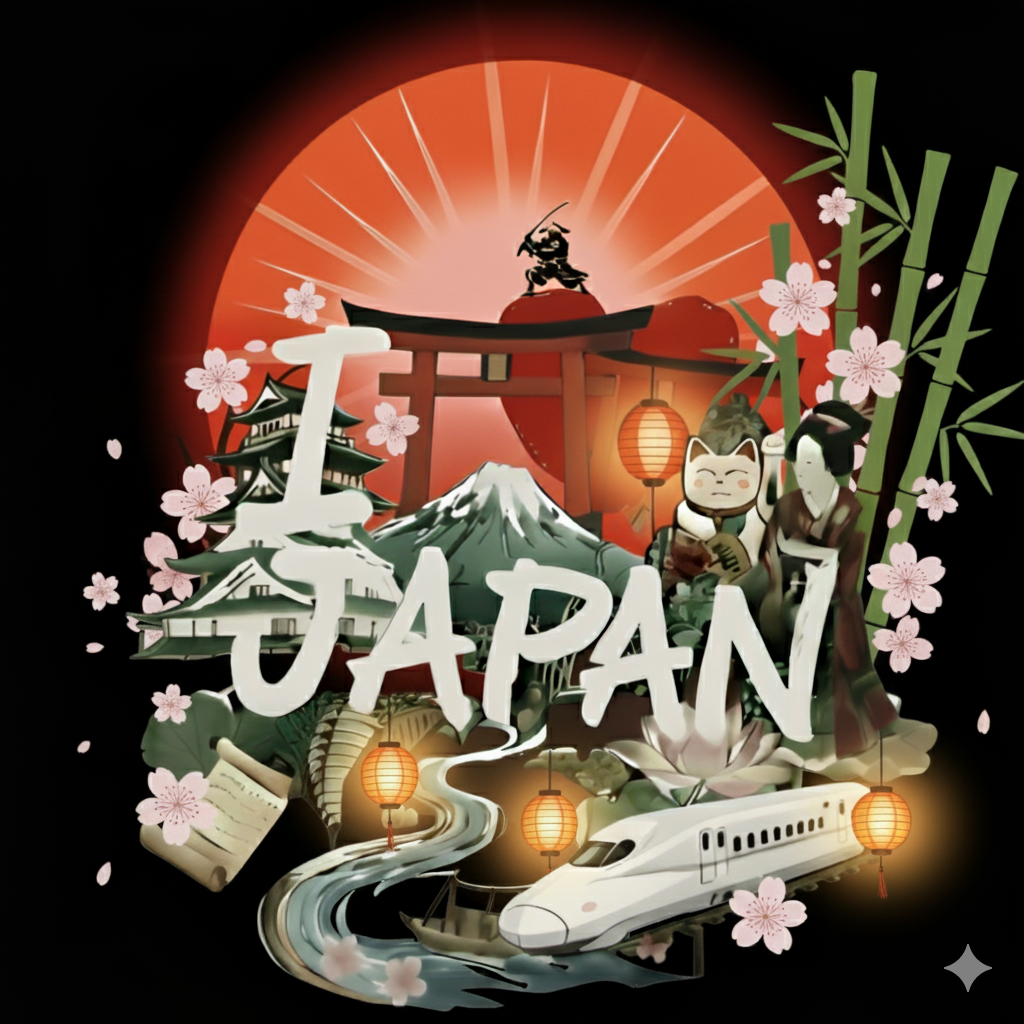
Using Google Gemini and a series of intentional prompts, I set out to design a piece of wearable art: a custom T-shirt that would serve as my “uniform” for the journey. It wasn’t just a graphic; it was a visual manifesto of everything I came to find.
The design became a landscape of the Japanese soul:
- The Silhouette: A radiant Rising Sun (Nihon) forming the backdrop of the world.
- The Serenity: Bamboo groves and cherry blossoms whispering of fleeting beauty.
- The Strength: Majestic castles, traditional ships, and the legendary Great Wave.
- The Spirit: Sacred Torii gates and lanterns guiding the way to the spiritual.
- The Speed: The sleek Shinkansen, a marvel of human precision.
- The Soul: Mount Fuji standing eternal, while a Samurai standing on a heart anchored the design — a reminder that the “Way of the Warrior” is, at its core, an act of the heart.
As I tucked that shirt into my bag, the trip felt real. I wasn’t just going to see Japan; I was going to meet it..

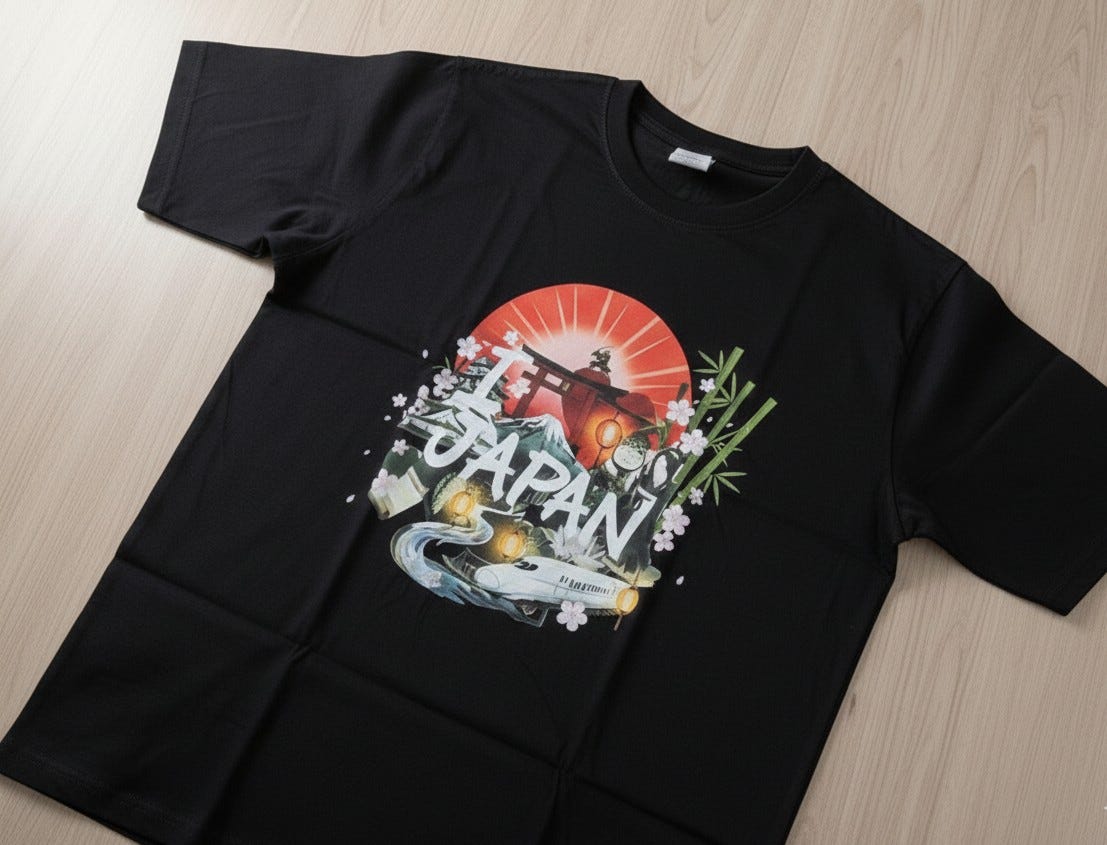
With that T-shirt packed, along with a few essentials like currency notes of Yen with a loaded Forex Card — I travel light — I boarded Japan Airlines (JAL), an airline whose reputation is second only to the nation it represents. My mind was already racing ahead to the experiences waiting for me: the breathtaking Shinkansen slicing through landscapes, and the first glimpse of Mount Fuji towering in serene grandeur and so many other things. It was now time to say Konnichiwa (こんにちは) to Japan.
True travel begins not when you board the plane, but when you pack your intentions and dress your soul in gratitude
Day 1: Touchdown in Japan
A Prelude in the Clouds
The journey began with a childhood friend: Mario. Watching the Super Mario Bros movie at 30,000 feet felt less like a flight and more like a homecoming. It was poetic to trace the path to Japan while celebrating the digital icons that shaped my youth.
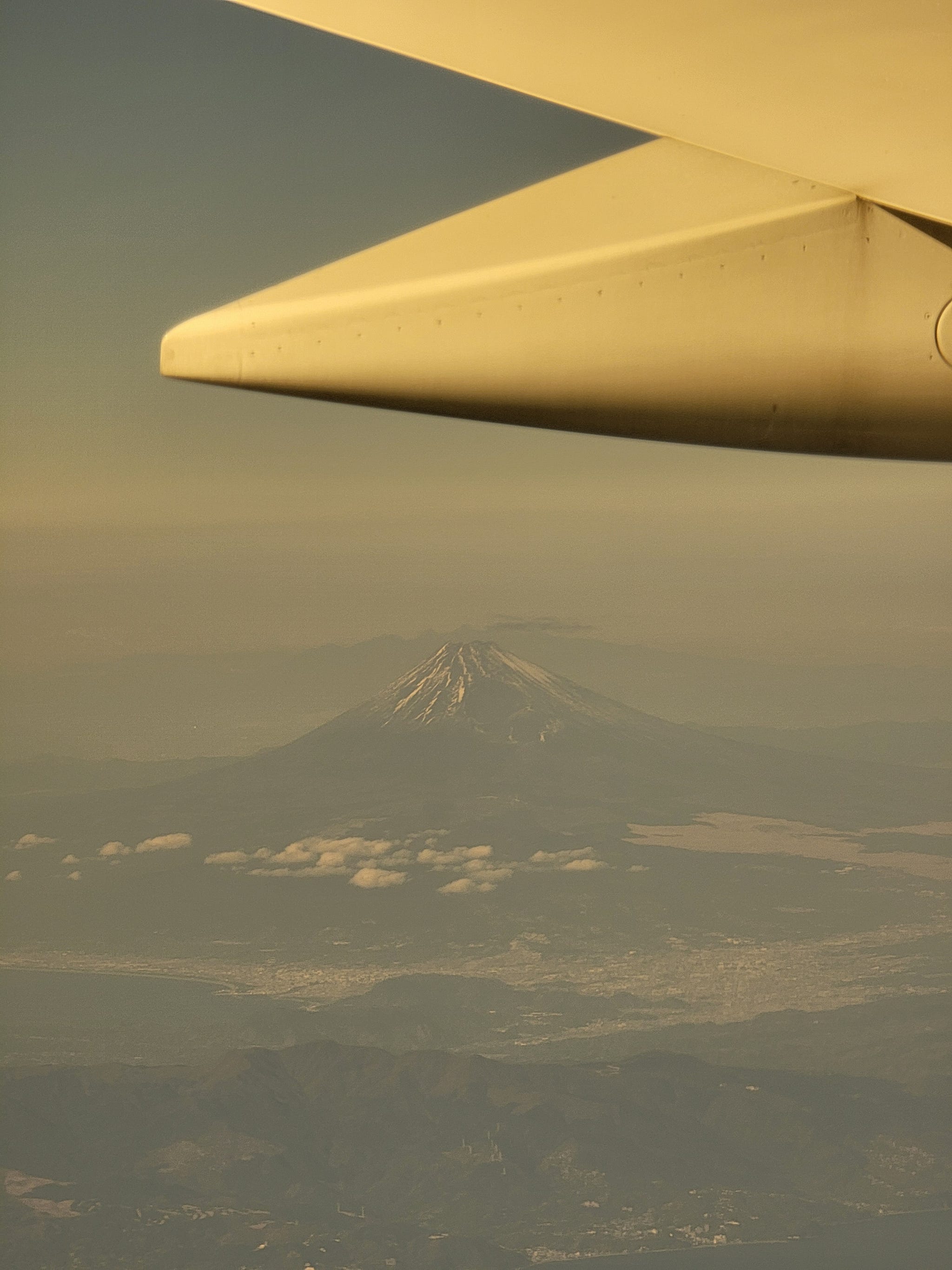
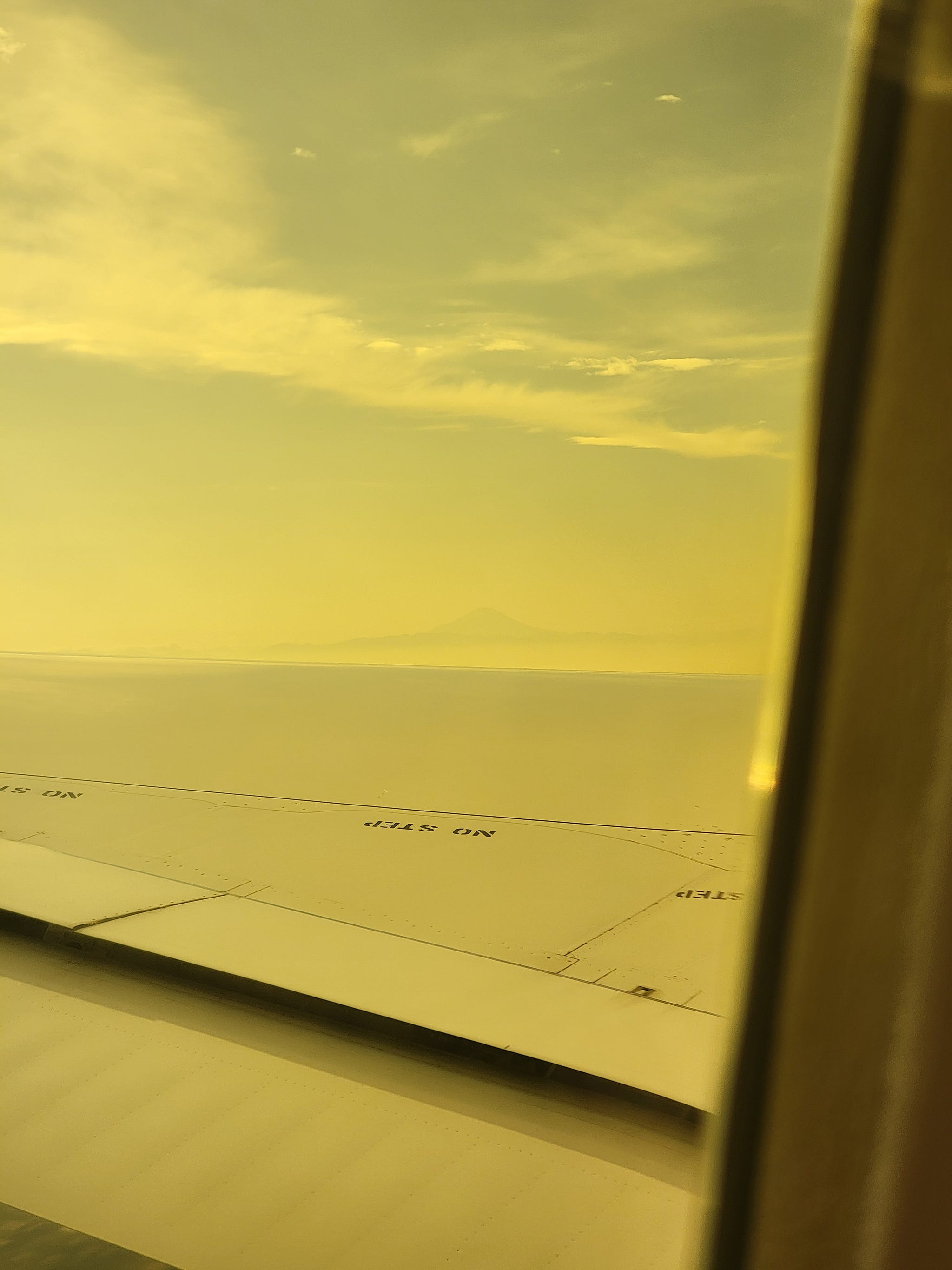
Then, the clouds parted. There it was — Fuji-san. Shy, veiled in a thin mist, but undeniably majestic. In that moment, looking down at the snow-capped peak, the anticipation in my chest settled into a deep, quiet certainty: this was going to be the best time of my life.
The Welcome Committee
Stepping off the plane, Japan didn’t just greet me; it charmed me. In many countries, immigration feels like a barrier; here, it was an invitation. As I descended the escalators, I was met by the vibrant faces of Power Rangers and anime legends. It was a colourful whisper from the nation itself: “You’ve arrived in the land of imagination.”
The Art of the Seamlessness
The first hour on the ground was a masterclass in efficiency.
- The Suica Card: More than just plastic, it’s the “skeleton key” to the country. From a single vending machine, I held the power to navigate trains, buses, and convenience stores with a simple tap.
- The Human Touch: At the tourist help desk, the precision was matched only by the warmth. The lady didn’t just give me directions to Mount Fuji; she mapped out my tomorrow with a level of care that felt personal, as if she were planning a trip for a dear friend.
3:05 PM Means 3:05 PM
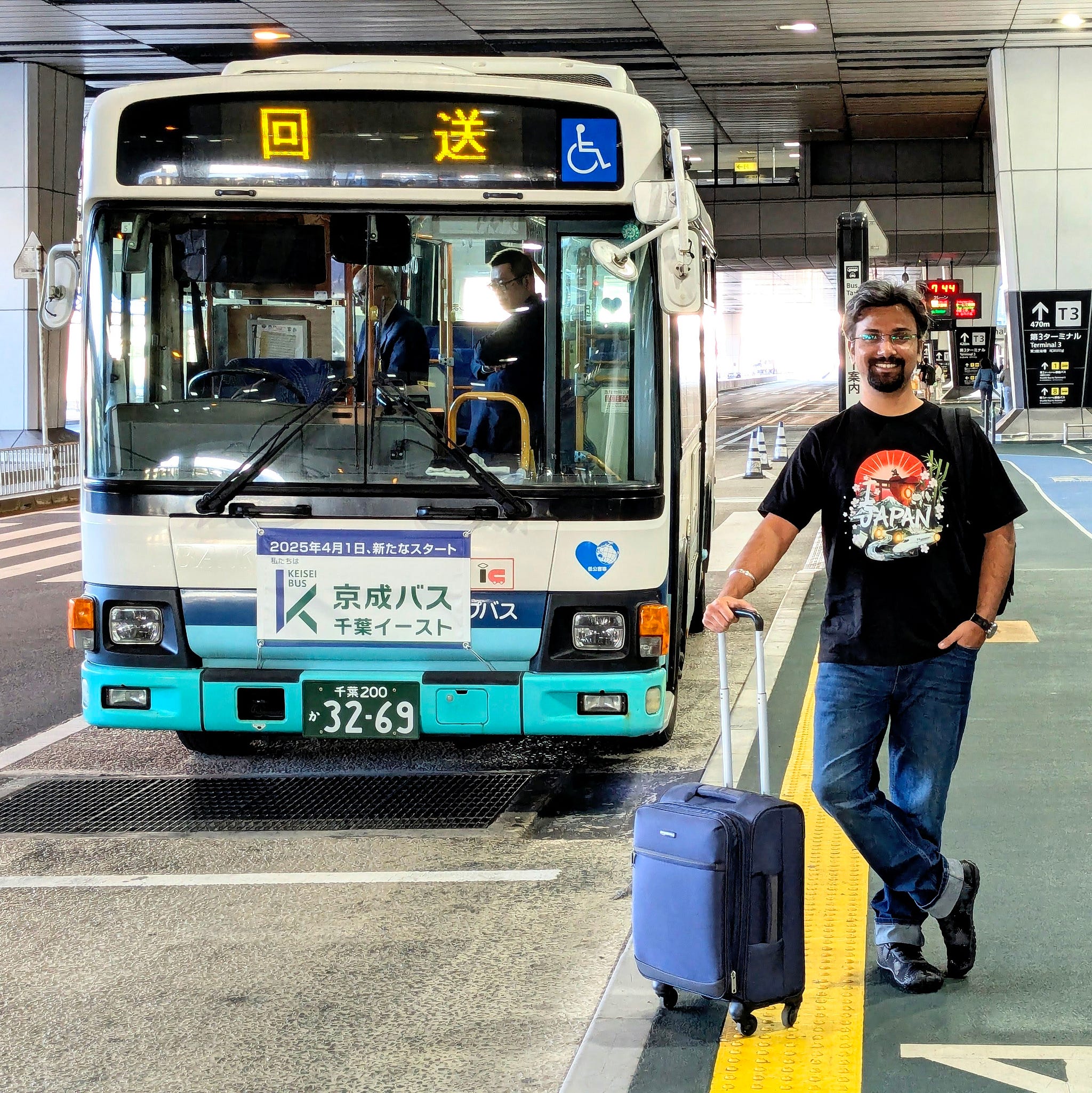
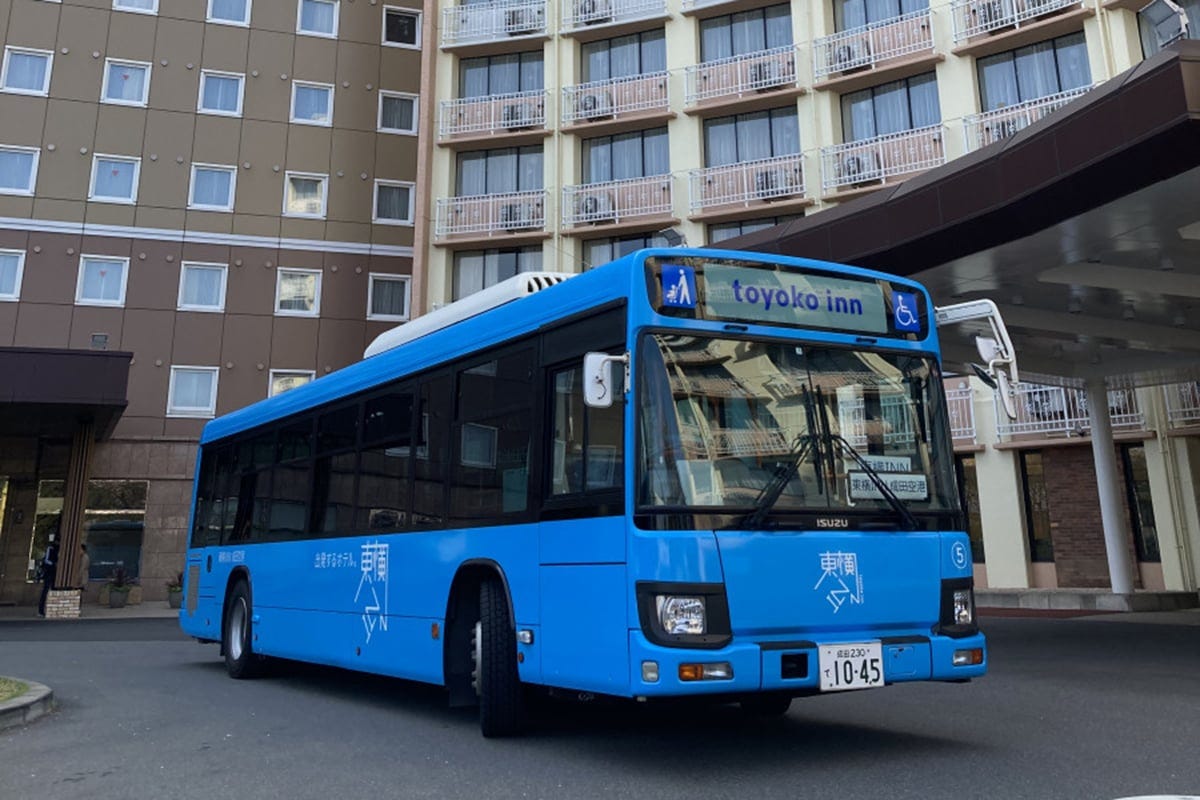
I stood at the platform for the Hotel Toyoko Inn shuttle. In many parts of the world, a 3:05 PM bus is a suggestion. In Japan, it is a promise. At exactly 3:05 PM, the bus rolled to a stop. No delays, no excuses.
“Welcome to Japan,” I whispered to myself. “The amusement has begun.”
The Sanctuary of Thoughtfulness
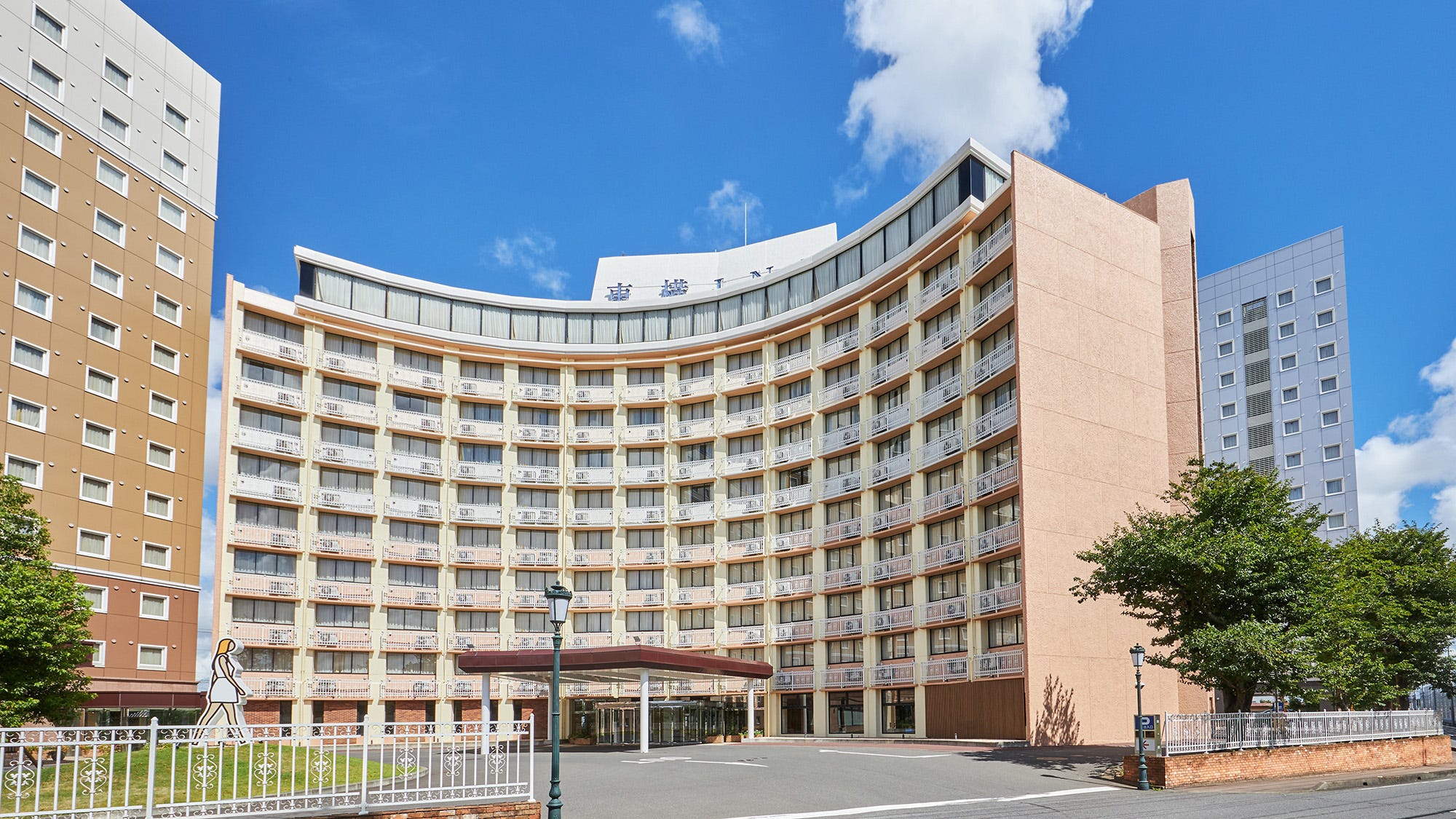
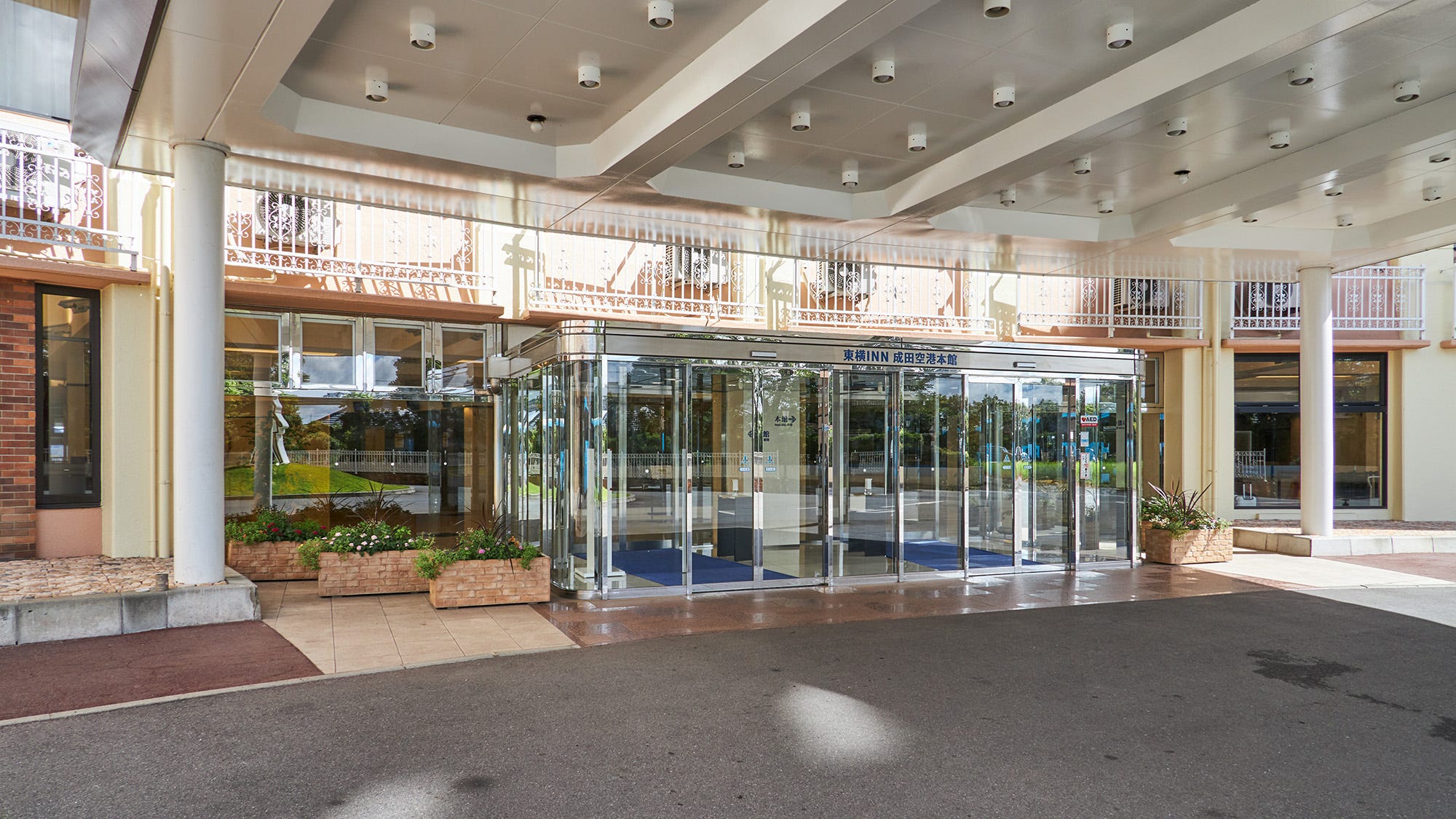
The Toyoko Inn Narita Shinkan was my first taste of Japanese hospitality (Omotenashi). The lobby was a curious, elegant blend — a vintage car, a Harley Davidson, and a self-playing piano that filled the air with melody.
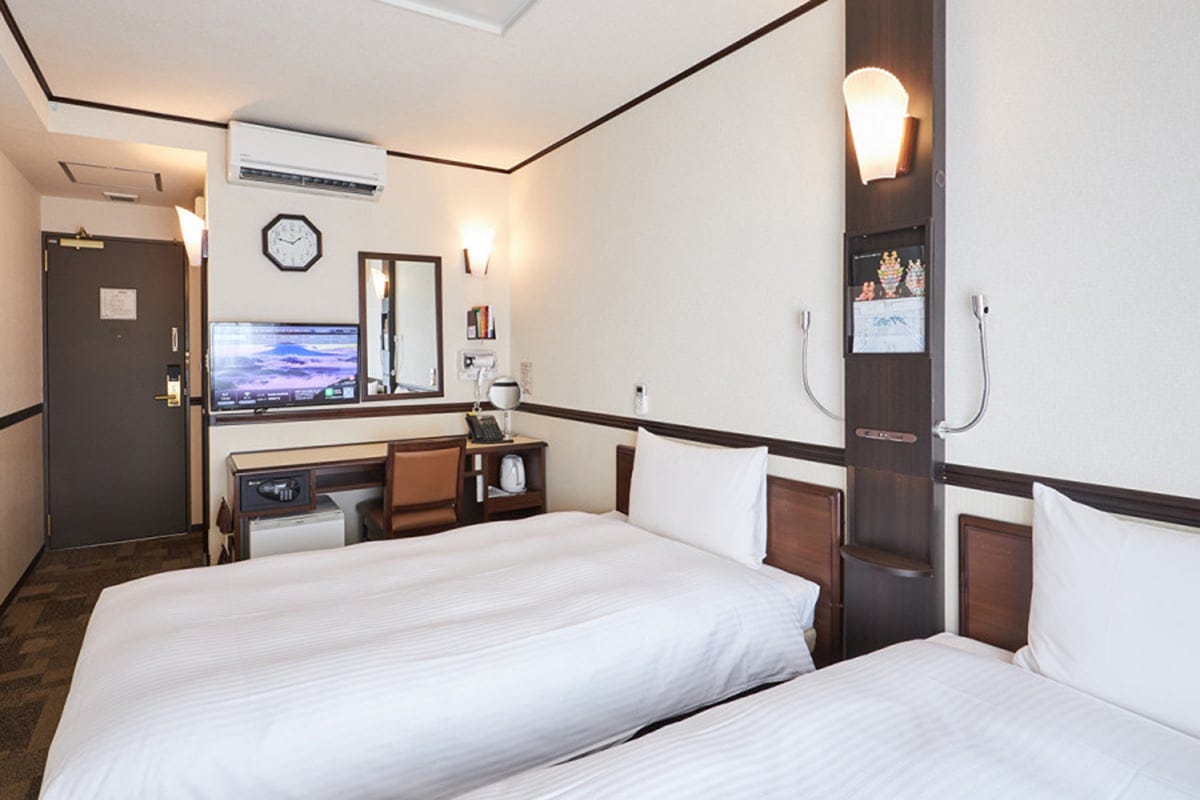
But it was the room that truly moved me. It wasn’t just the “sacred” level of cleanliness; it was the radical thoughtfulness. From the relaxing gowns and slippers to the shoe polish kits and ironing boxes, every item was a silent message: We have thought of your needs before you even realised you had them. In Japan, amenities aren’t just perks; they are tools of empowerment, designed to make you feel ready for whatever the next day holds — be it a boardroom meeting or a mountain trail.



The true magic of touchdown wasn’t in the sights, but in the realisation that I had entered a culture that had been thoughtfully preparing for my arrival long before I even knew I was coming.
Day 2: The Heart of the Mountain
The Architecture of Convenience
My second day began with a realisation: Japan is not just a country; it is a perfectly synchronised ecosystem. The transition from Narita Airport to the railway, then to the Shinjuku bus terminal, was effortless. In Japan, transport isn’t a series of hurdles; it’s a “perfectly designed maze” where every path leads exactly where you need to go.
I followed the instructions from the help desk lady with total trust — no cross-verification needed. Her precision had inspired a confidence I’ve rarely felt while travelling. As the Narita Express glided toward Shinjuku, the world outside was a “living postcard” — spotless, organised, and deeply satisfying to my soul.
The Highway to Serenity
Boarding the bus to Yamanashi, I witnessed the Omotenashi (hospitality) in action again. The crew didn’t just load bags; they organised them by station with a level of grace that made a simple chore feel like a ceremony.
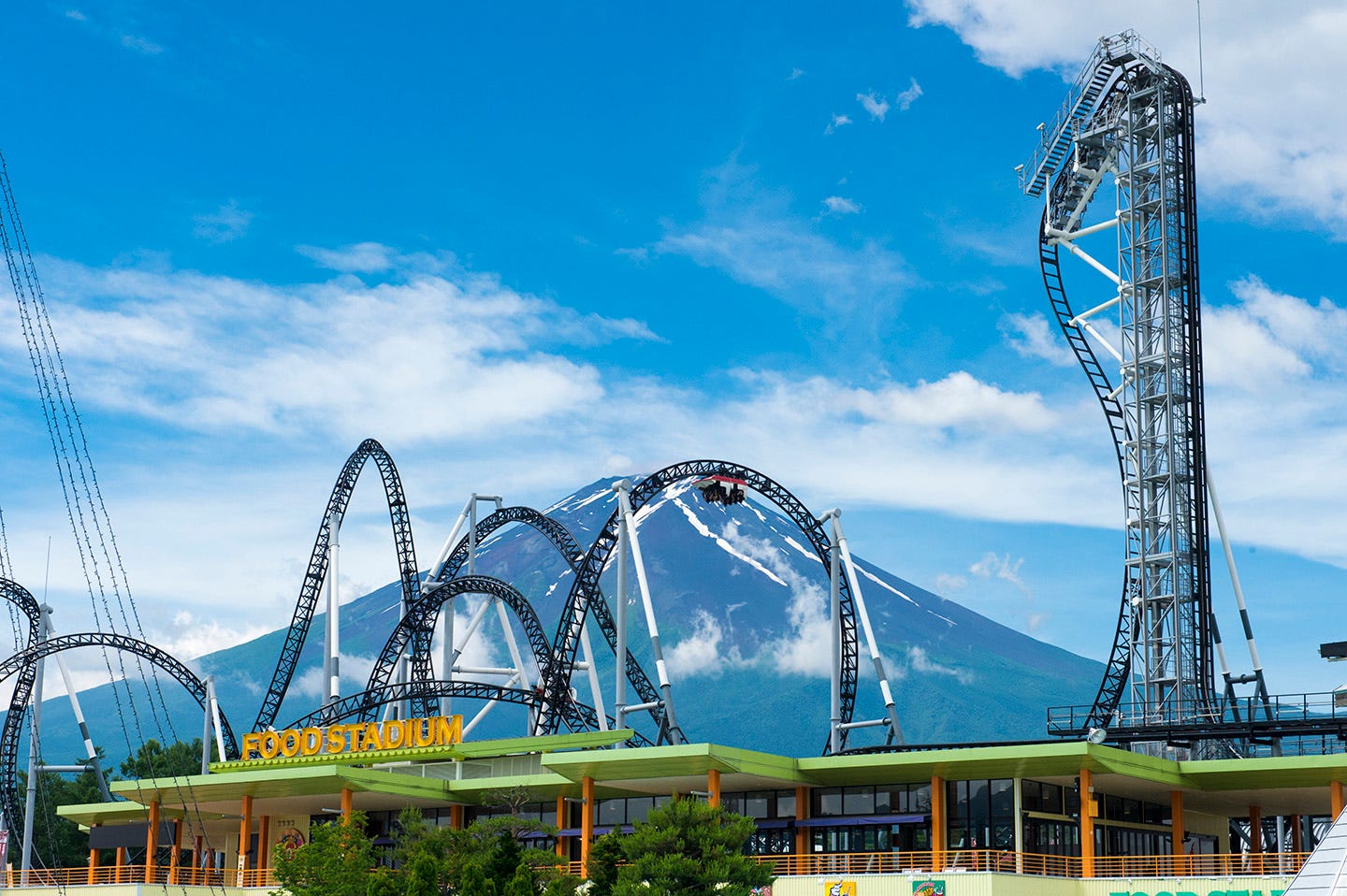
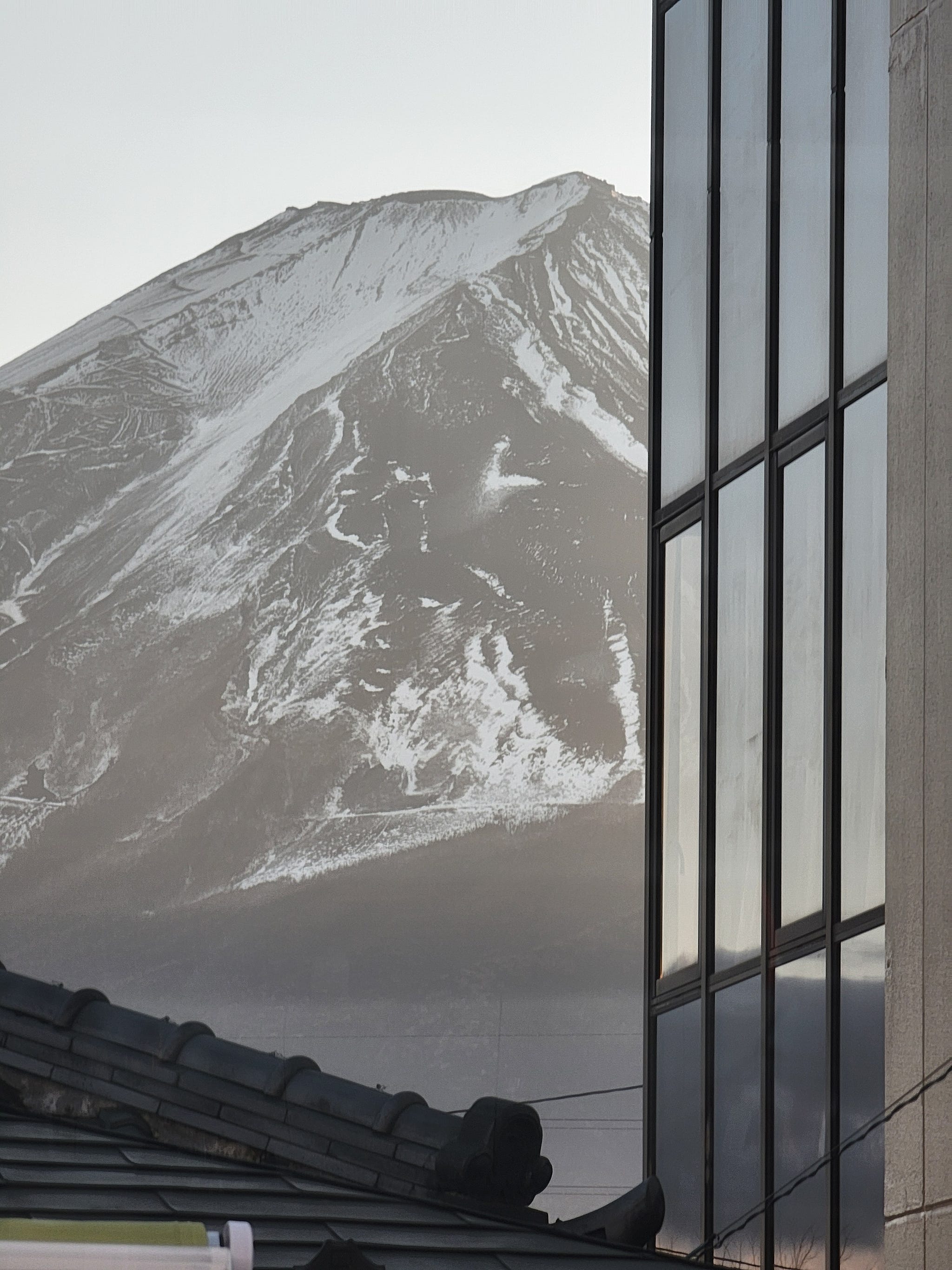
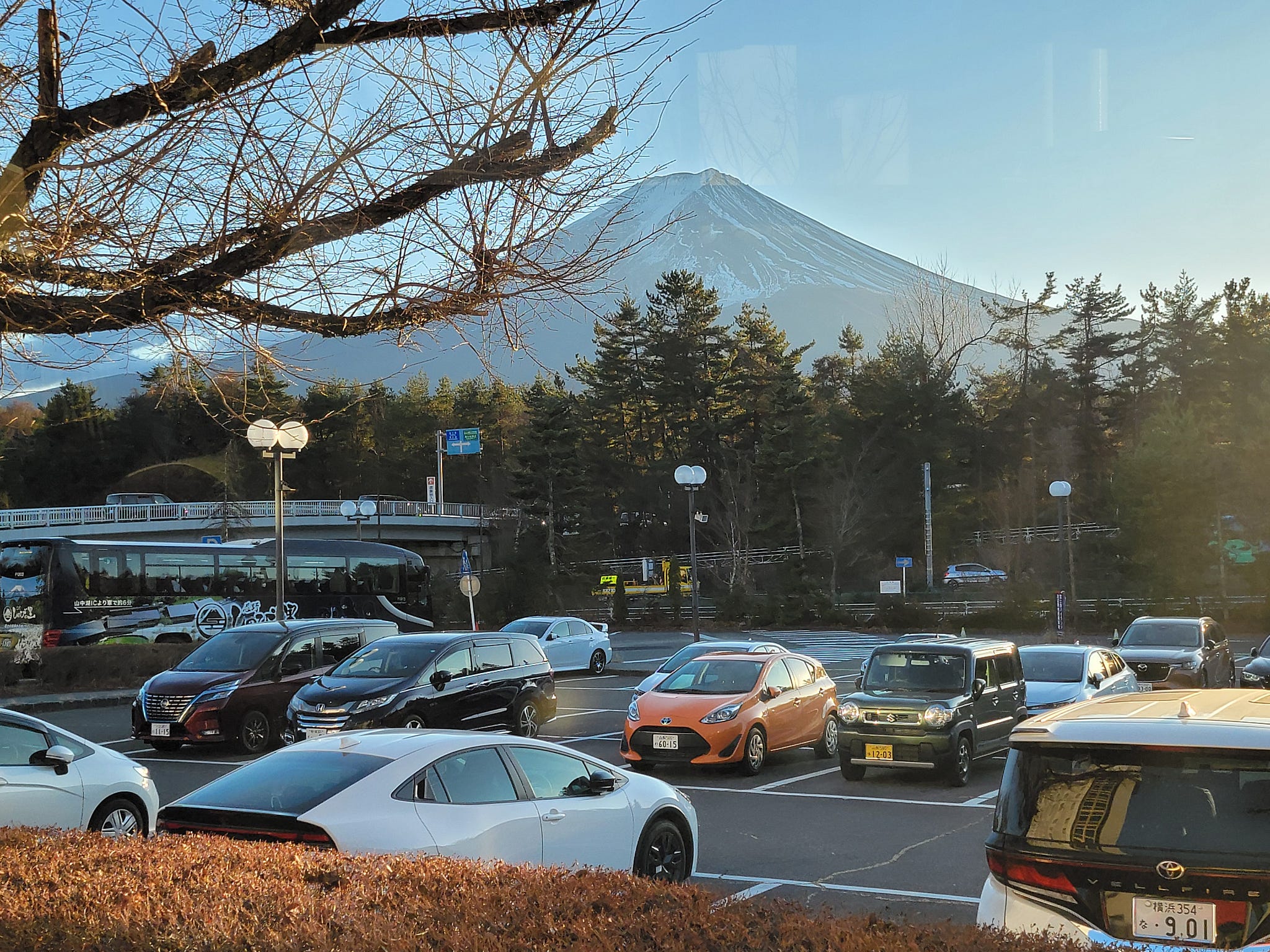
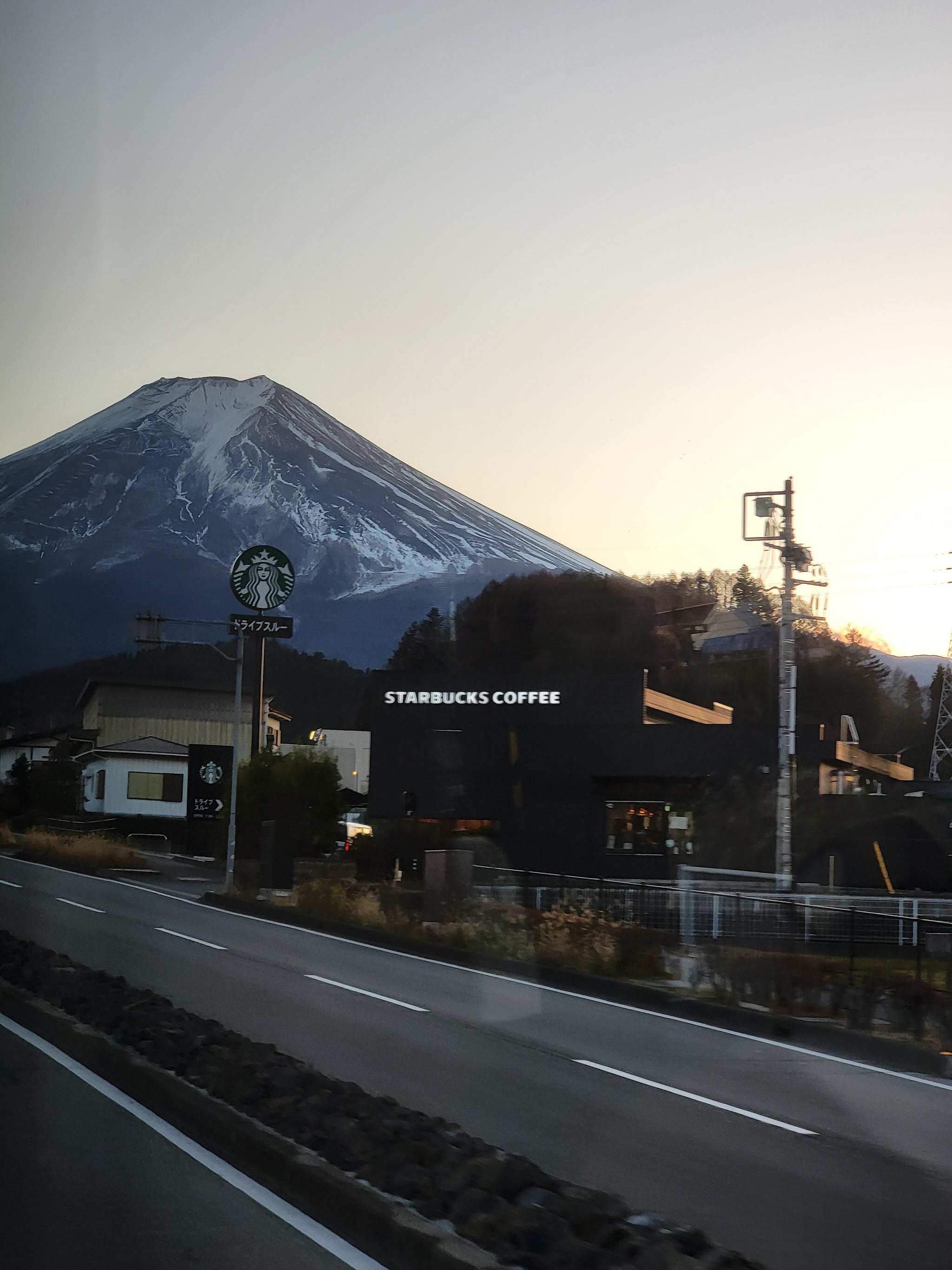
The journey was a masterclass in peace. On a highway of smooth tar and crisp markings, the bus remained a sanctuary of silence. No blaring music, no loud chatter. I drifted into a deep sleep, only to be awakened by a vision: Fuji-san. There she was, towering over the neon lights of Fuji-Q Highland, looking straight at me. It felt less like a landmark and more like an old friend waiting to wrap me in a hug.
A Lesson in Kindness
By 5:00 PM, darkness had swallowed Lake Yamanakako. I found myself standing in the rain, my phone signal dead, and my hotel — Hotel Mount Fuji — perched two kilometres away on a steep, forested hill. I was unable to reach my Hotel seeking my pick up shuttle.
But Japan has a way of taking care of you. I found a small tutoring hall and met a teacher who, with a simple bow and a warm smile, became my guardian angel. Without hesitation, she called my hotel and let me wait in the warmth of her classroom. It was a small gesture, but it spoke volumes: in Japan, you are never truly lost. My shuttle arrived in 5 minutes & warmly greeted by the staff.
Legacy and the 40°C Bliss
Reaching Hotel Mount Fuji was like stepping back into a grand, timeless legacy. Operating since 1963, the property radiates a polished history. The staff handled my passport with a delicacy that bordered on reverence, and every detail — from explaining about the in house Onsens, panoramic deck, schedules to the shuttle reservations — was handled with surgical precision.
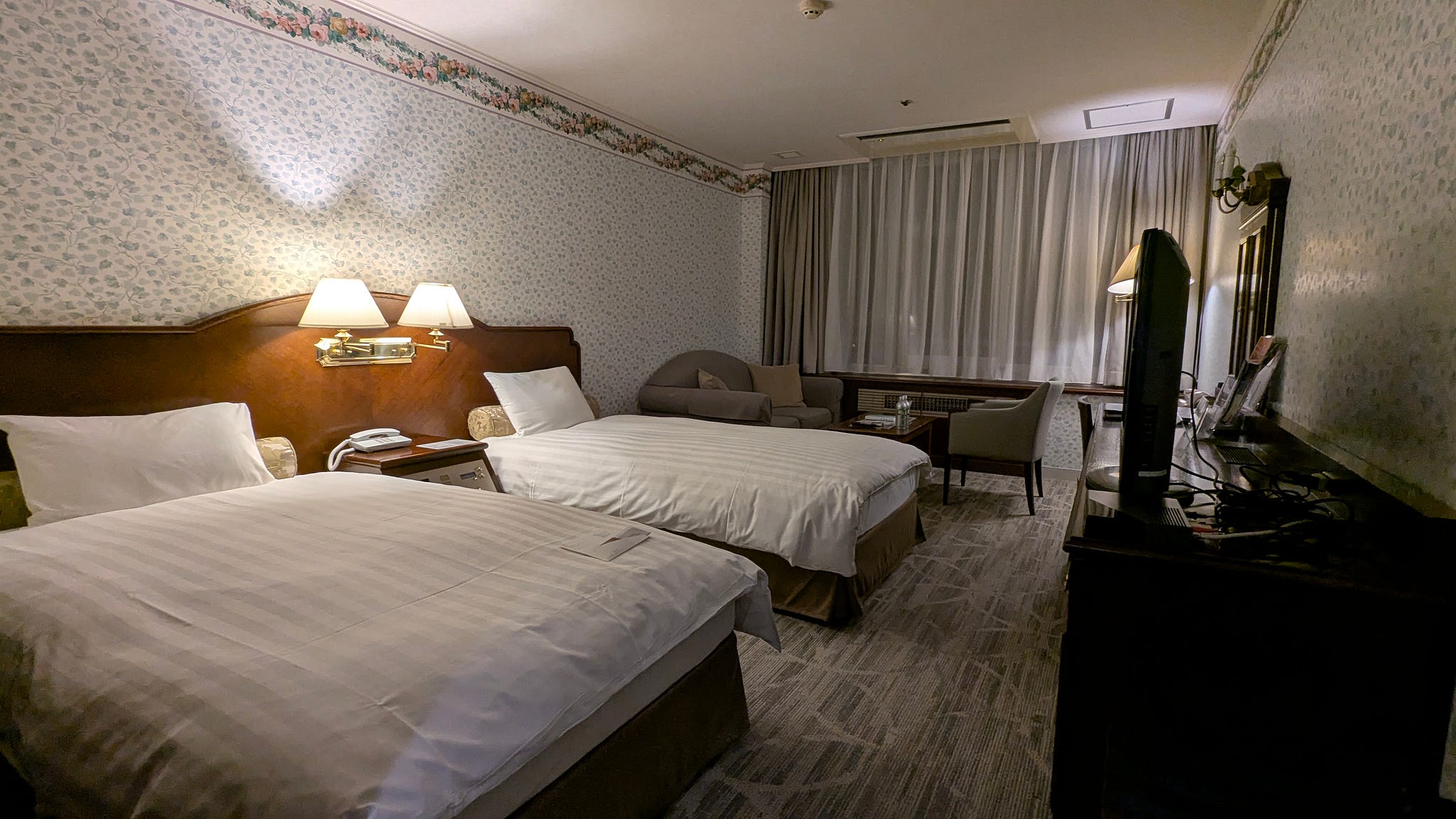
The night ended in a way I will never forget. Outside, the mountain air was a biting -1°C. Inside, I was submerged in a 40°C Jacuzzi, the steam rising into the dark night. That contrast — the freezing air and the healing water — was pure bliss. As I slipped into bed with Mount Fuji standing guard outside my window, I realised: Japan doesn’t just welcome you; it transforms you.
This wasn’t just a trip anymore. It was a dialogue between me and a nation that has mastered the art of living.
Day 3: A Date with the Shy Mountain
The Spirit of Fuji-san
Why does a single peak hold the heart of a nation? Mount Fuji isn’t just geology; it is a Kami — a divine spirit. Dedicated to Konohanasakuya-hime, the Goddess of volcanoes and cherry blossoms, the mountain is a symbol of purification. But she is also famously elusive. They call her the “Shy Mountain” because she often hides behind a veil of clouds, revealing her perfect cone only to those she chooses to bless.
The “Factory Reset”
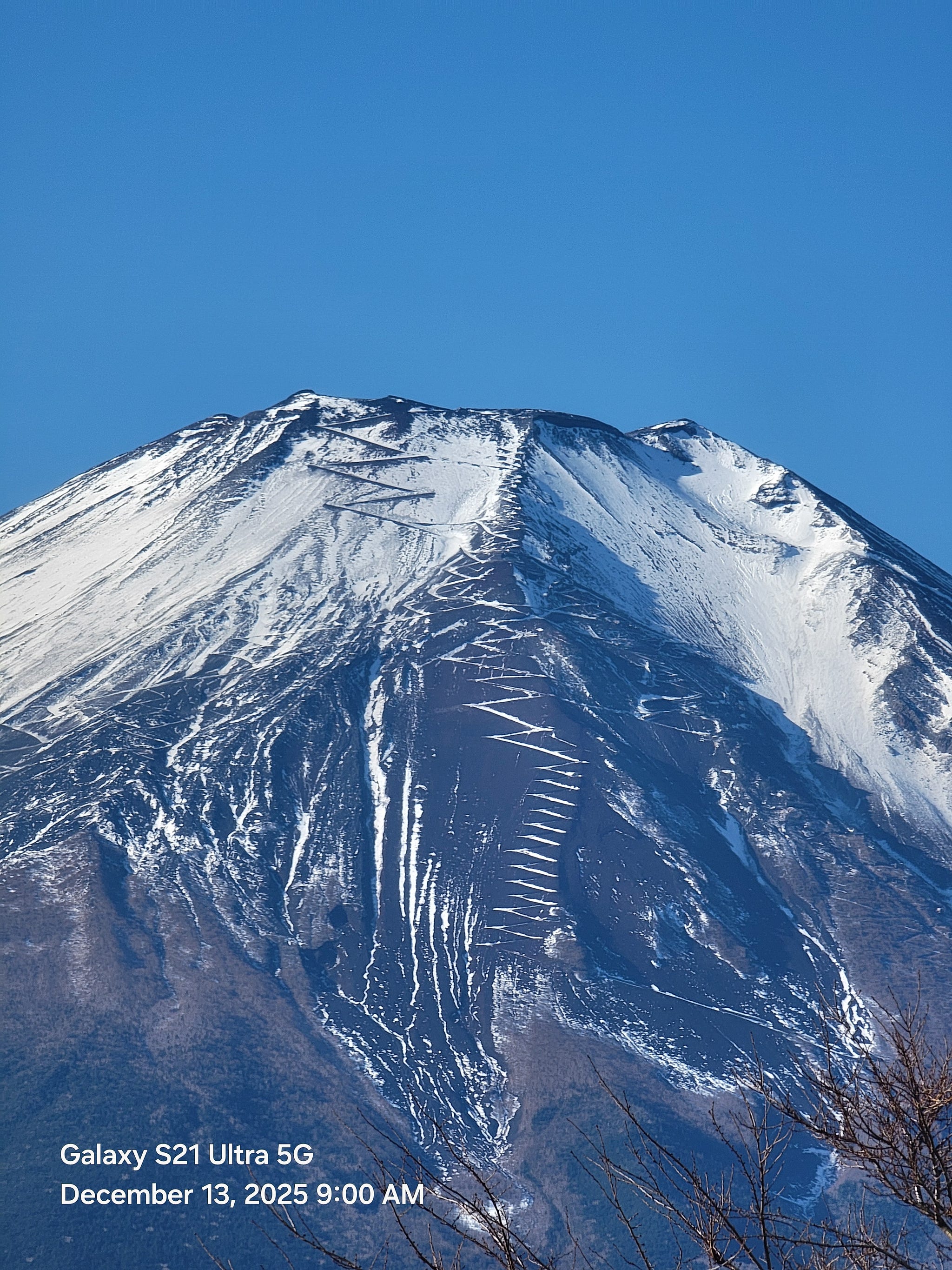
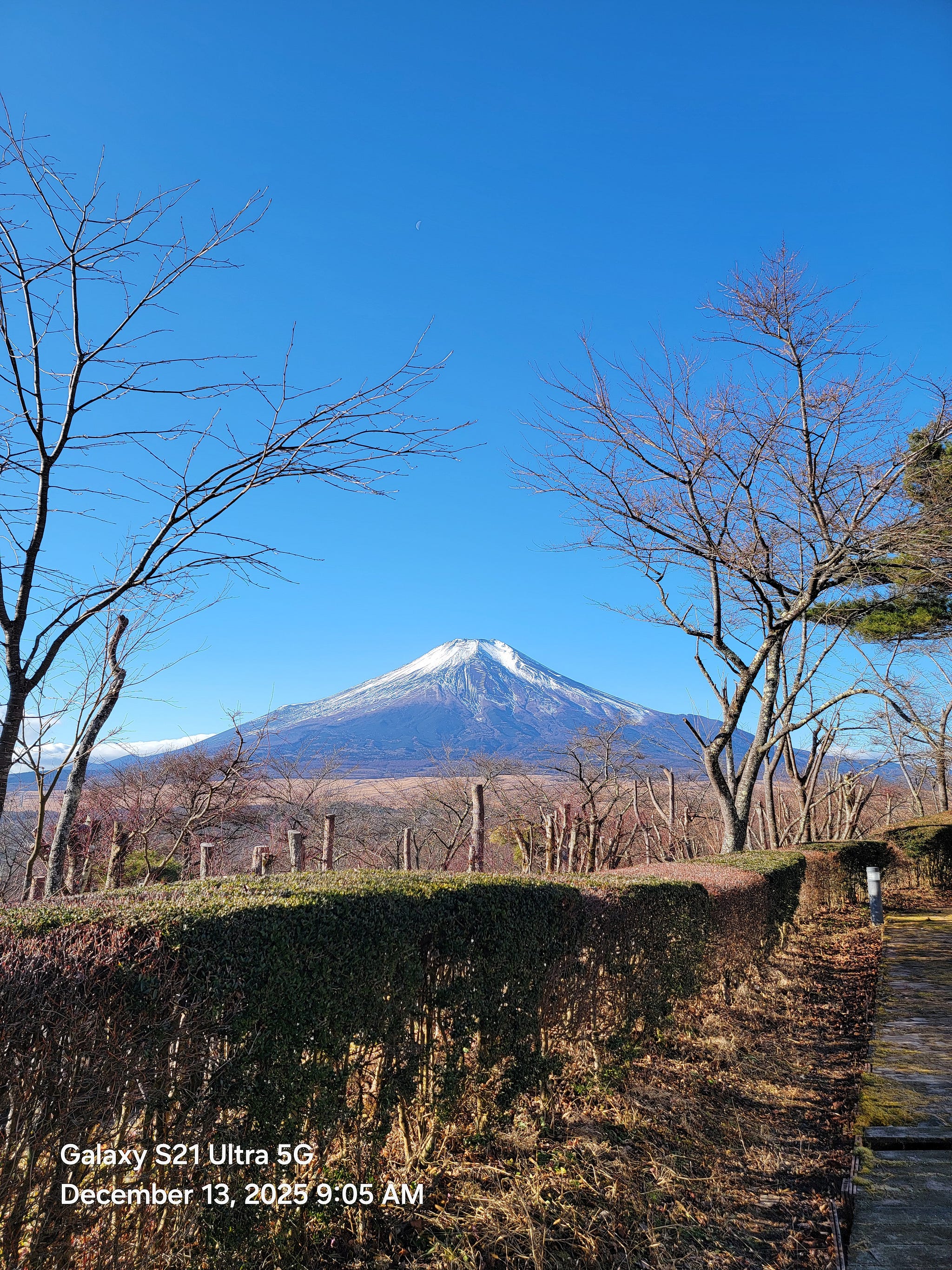
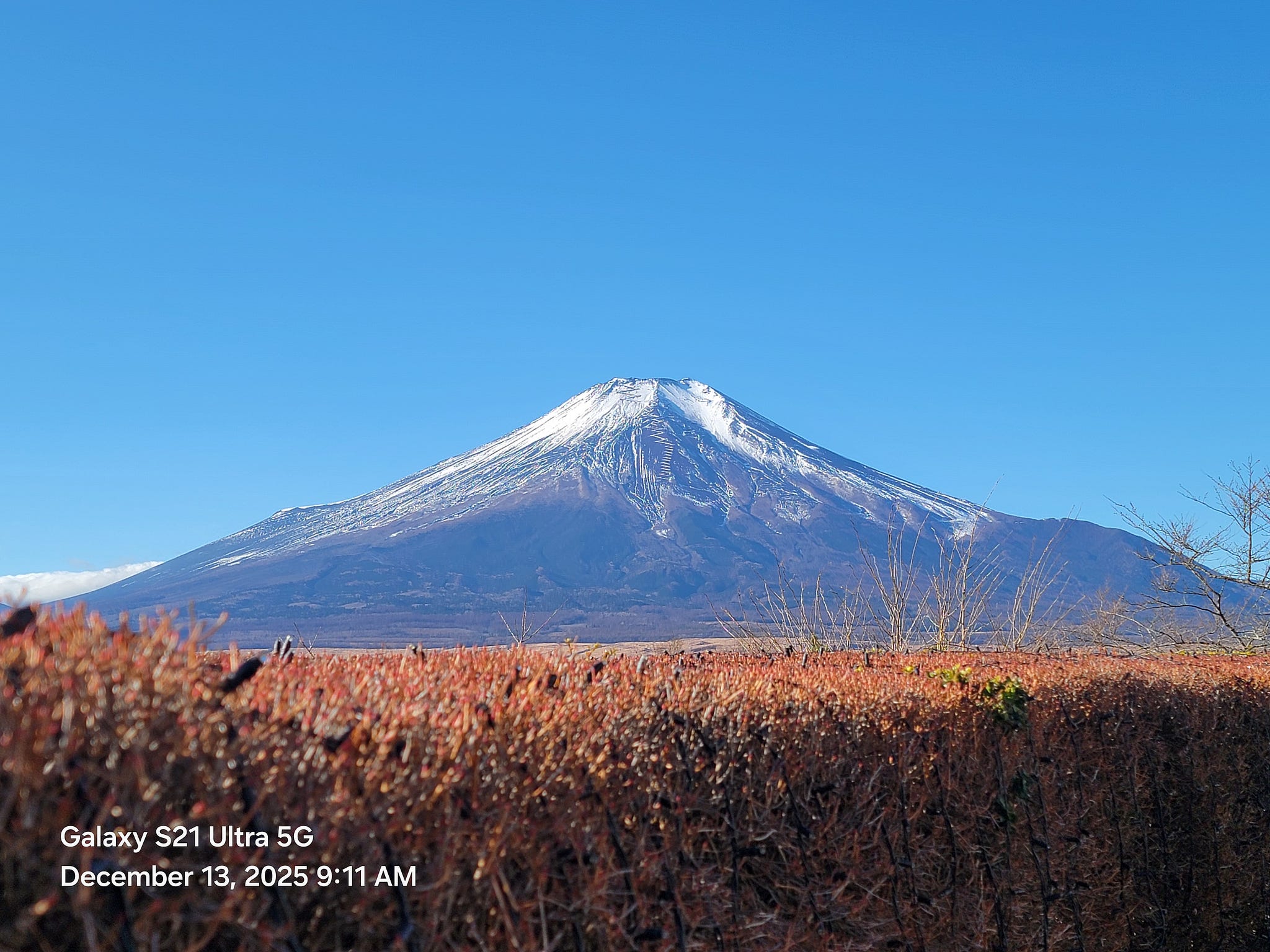
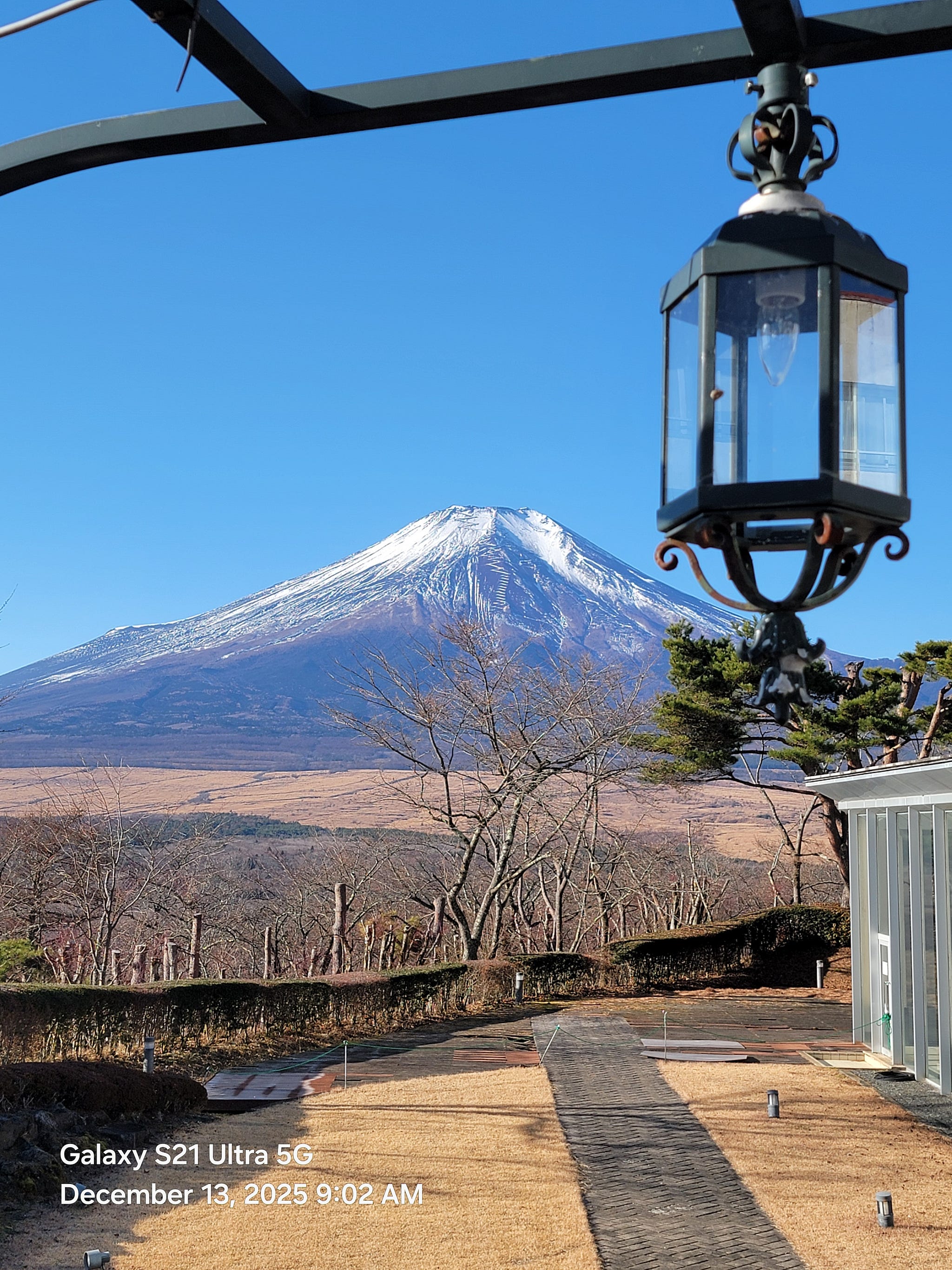
That morning, I woke up feeling like a “perfect factory reset” — refreshed, happy, and light. I stepped onto the panoramic deck of the hotel, and there she was. No clouds, no veil. Just Fuji-san, bathed in the liquid gold of the morning sun.
I took a few photos, but then I put the camera away. Some moments are too sacred to be viewed through a lens; they must be felt with the heart. As I peered through the telescope in the silence, a realisation washed over me. I wondered why I was being granted such a clear audience when so many wait years for this glimpse.
In that stillness, I felt a whisper in my soul: “I know you are a devotee of Shri Giriraj Ji Bhagwan (Lord Sri Krishna). Today, I open myself to you because your heart carries His grace.” This wasn’t travel luck. It was a blessing. I bowed in total submission and gratitude.
The Unplanned Walkathon
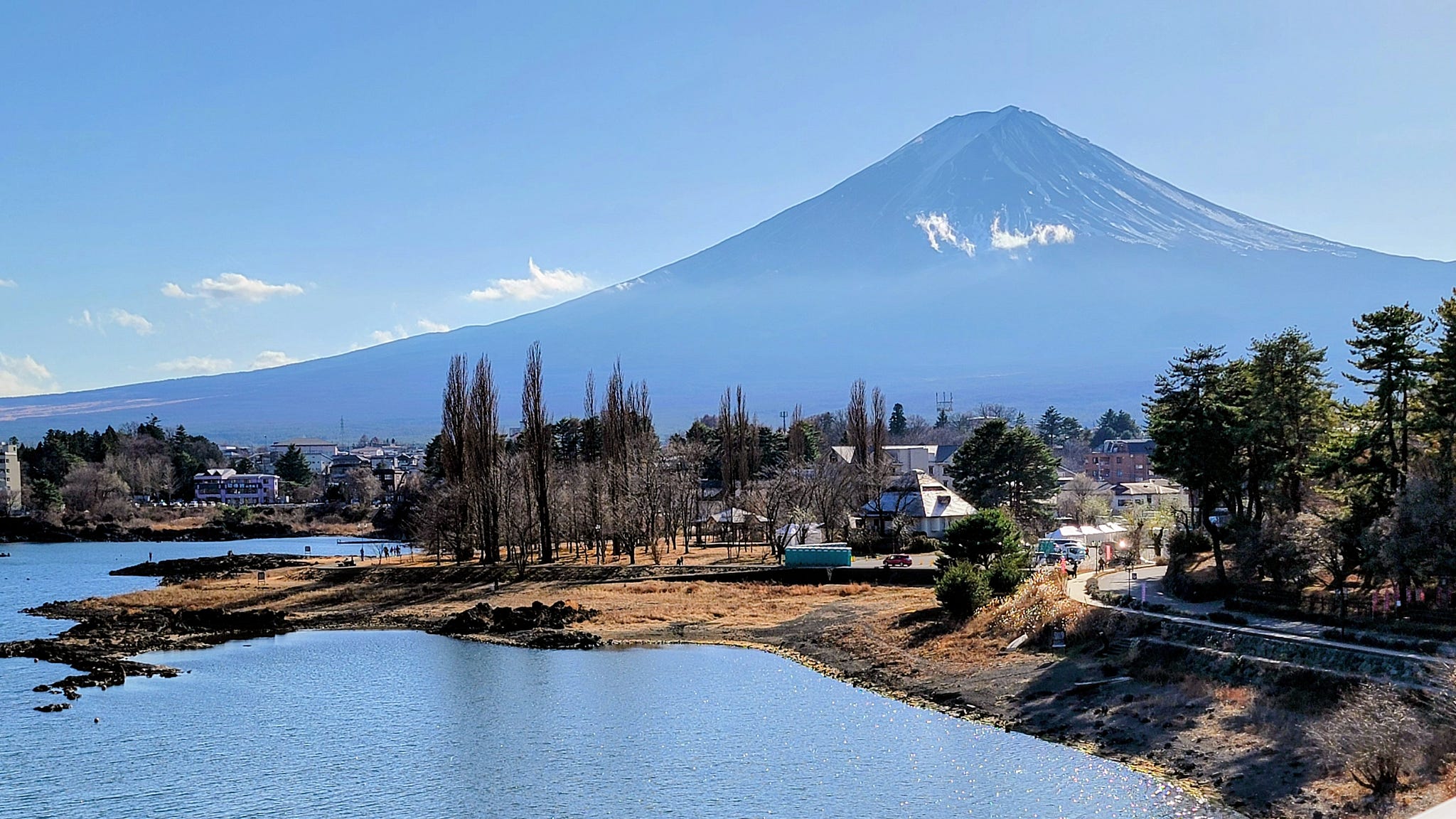
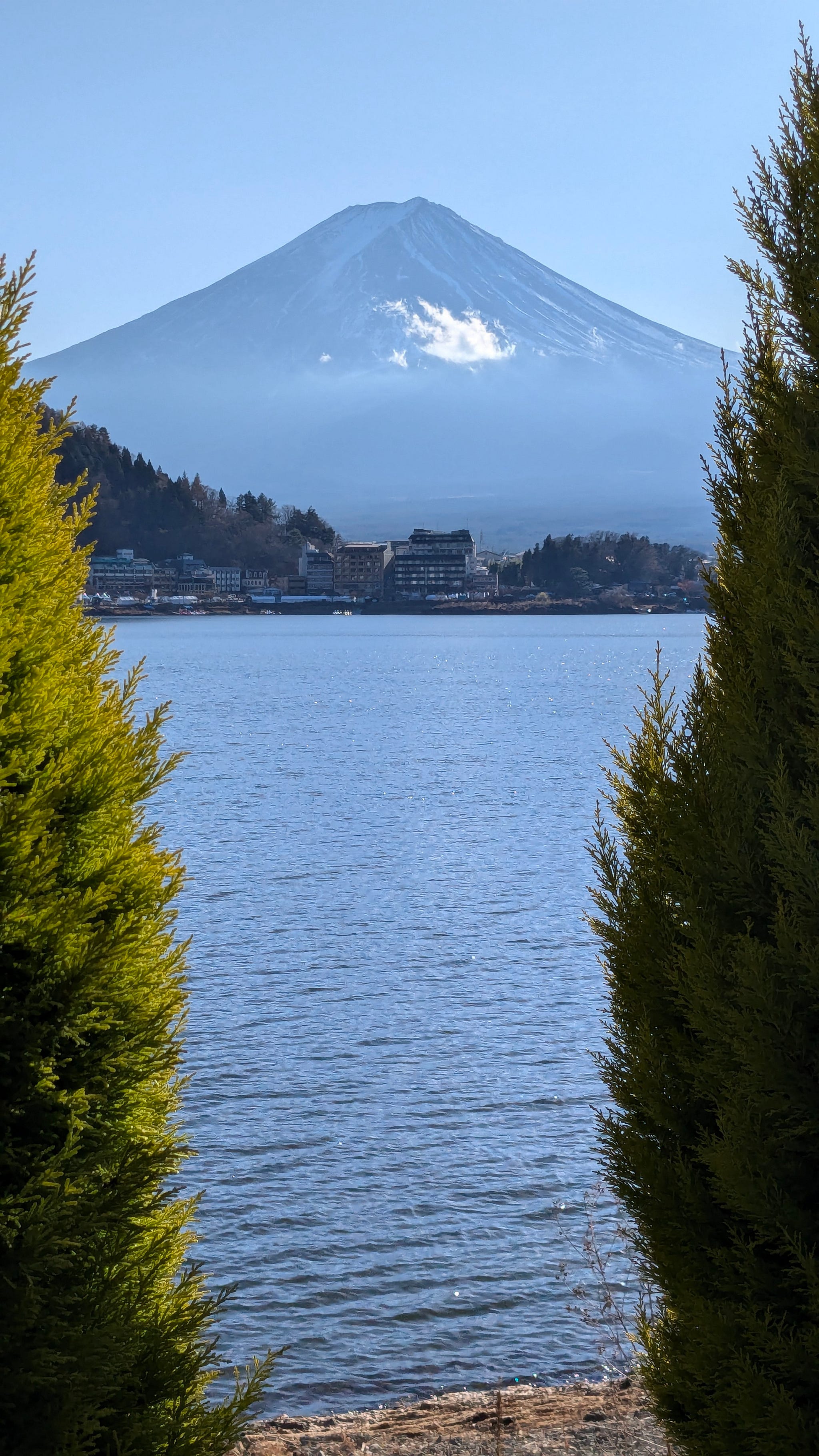
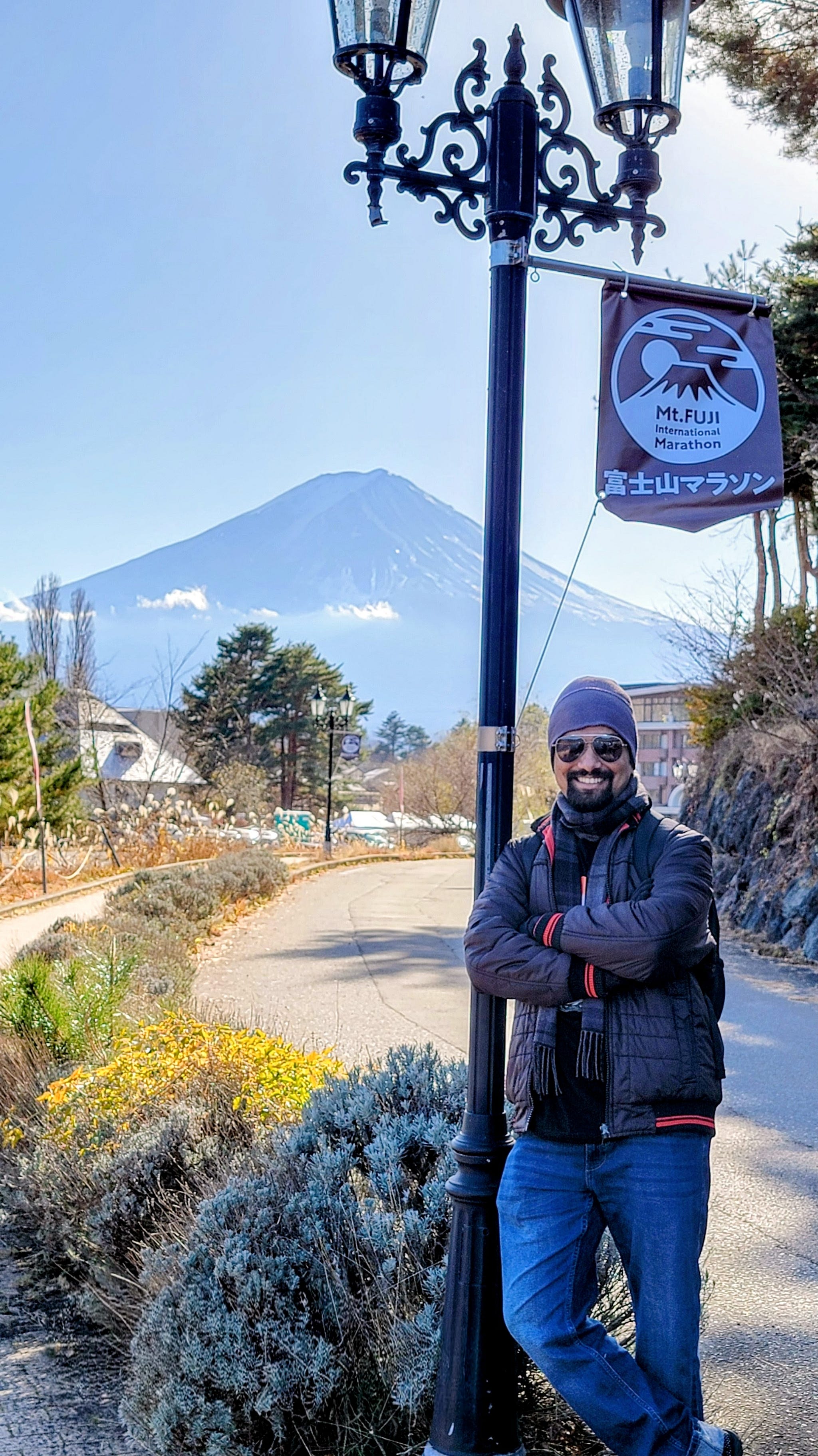
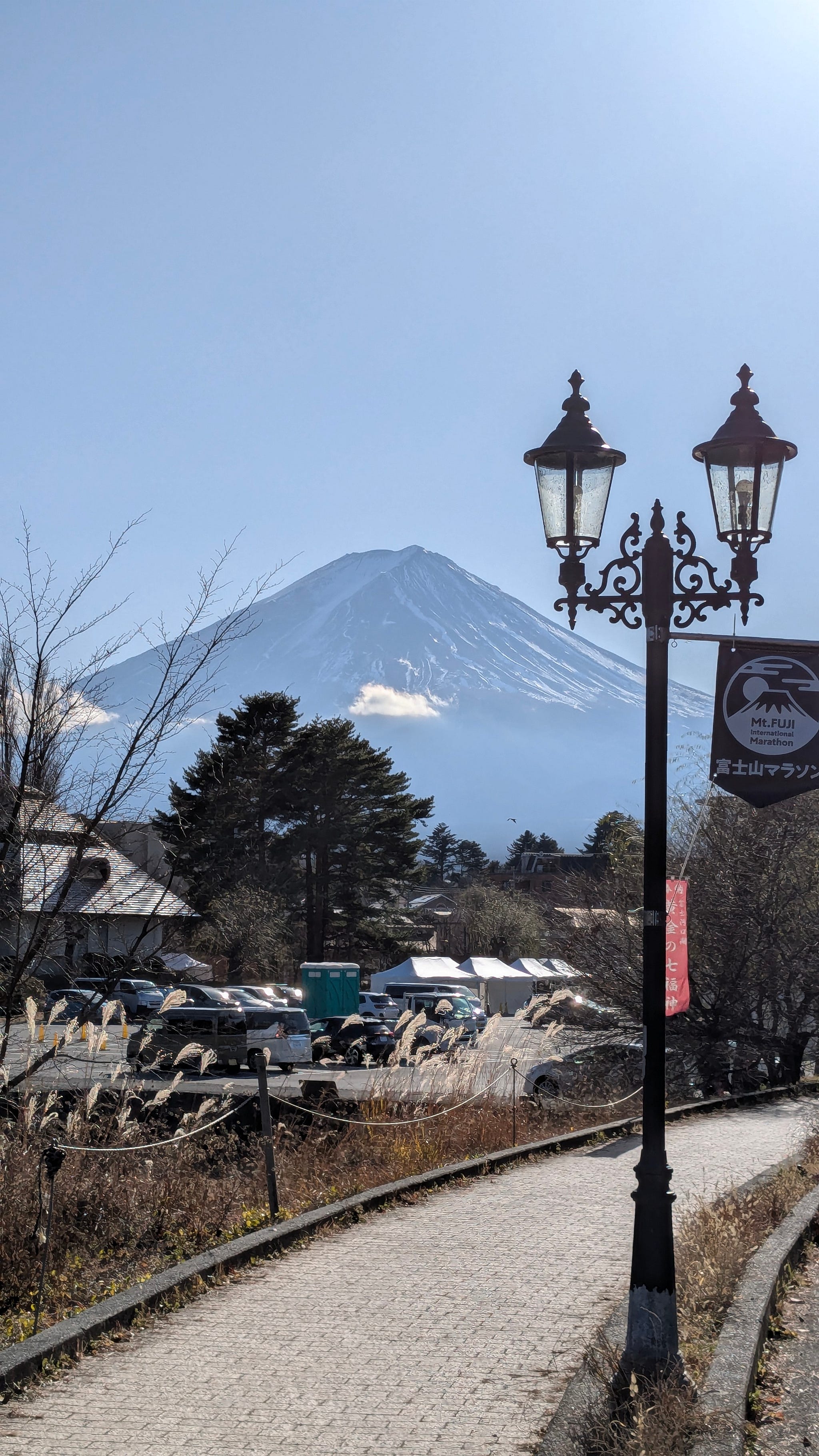
By 9:00 AM, I was at Mount Fuji Station, heading toward Lake Kawaguchiko. While most tourists flocked to the rope-ways and museums, I stumbled upon something better: an international Mount Fuji walkathon.
Though I hadn’t registered, the organisers welcomed me with that signature Japanese warmth. I joined a group of strangers from across the globe. We walked 10 kilometres around the vastness of the lake, the cool breeze on our faces and Fuji-san watching over us like a silent guardian. It was a timeless trek — no rush, no chaos, just the rhythmic sound of footsteps on a spotless path.
A Symphony of Firsts
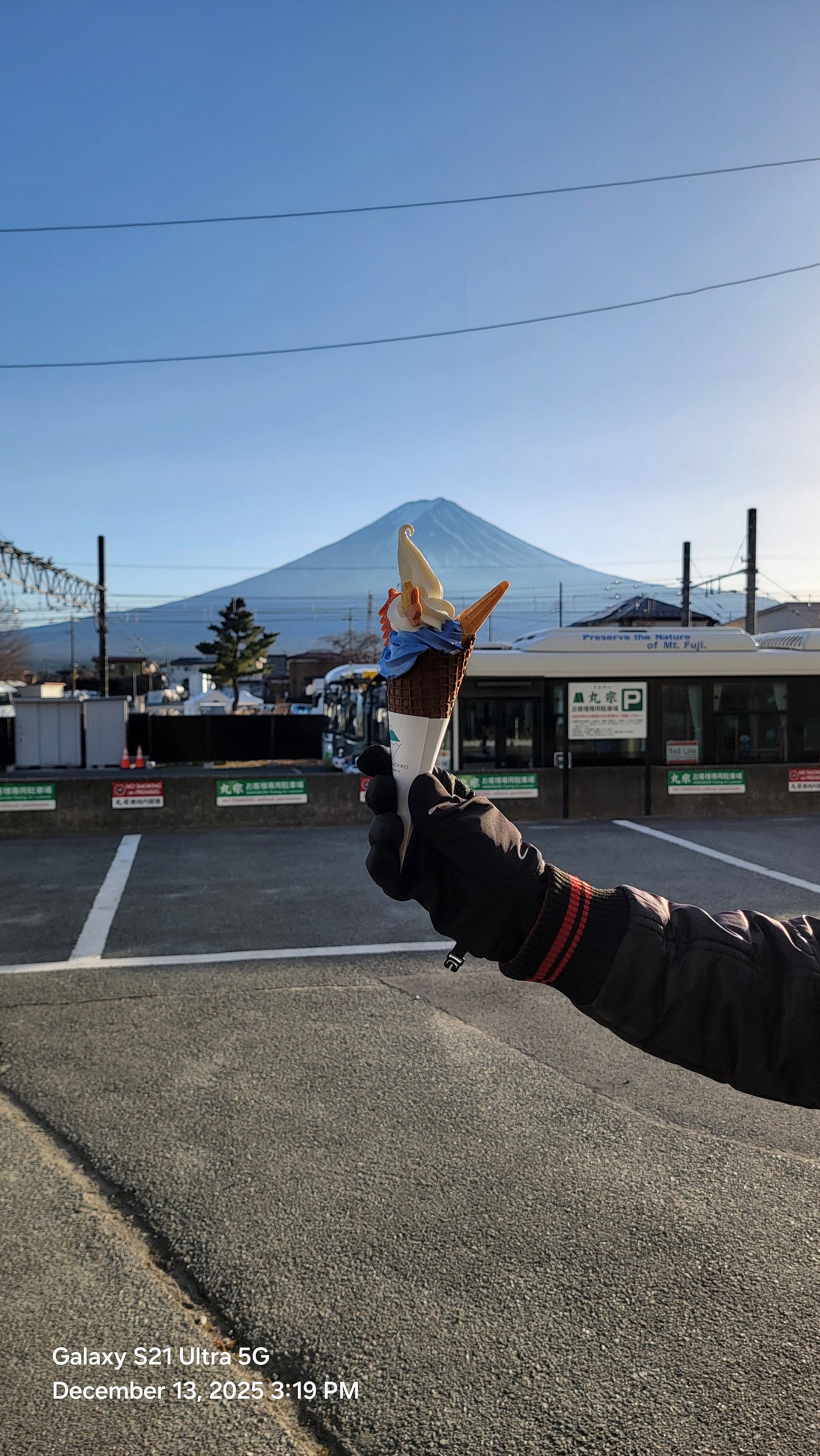
After the walk, I did the most “tourist” thing possible: I ate ice cream in the freezing cold. There is a specific kind of joy in that irony! I collected my first Mount Fuji stamp — a physical mark of a spiritual journey — and headed back.
As the sun dipped below the horizon at 5:00 PM, the world changed. Suddenly, white flakes began to drift from the sky. My first-ever snowfall. I stepped outside, laughing like a child, watching the flakes melt against my skin. The world turned into a pristine, white dream, and every step I took made a soft, satisfying crunch. There I was, dancing in the snow, while the silhouette of Mount Fuji stood witness in the dark.
Japan doesn’t just show you sights; it gives you gifts you didn’t even know you were looking for.
Day 4: The Speed of Transition
A Foggy Farewell
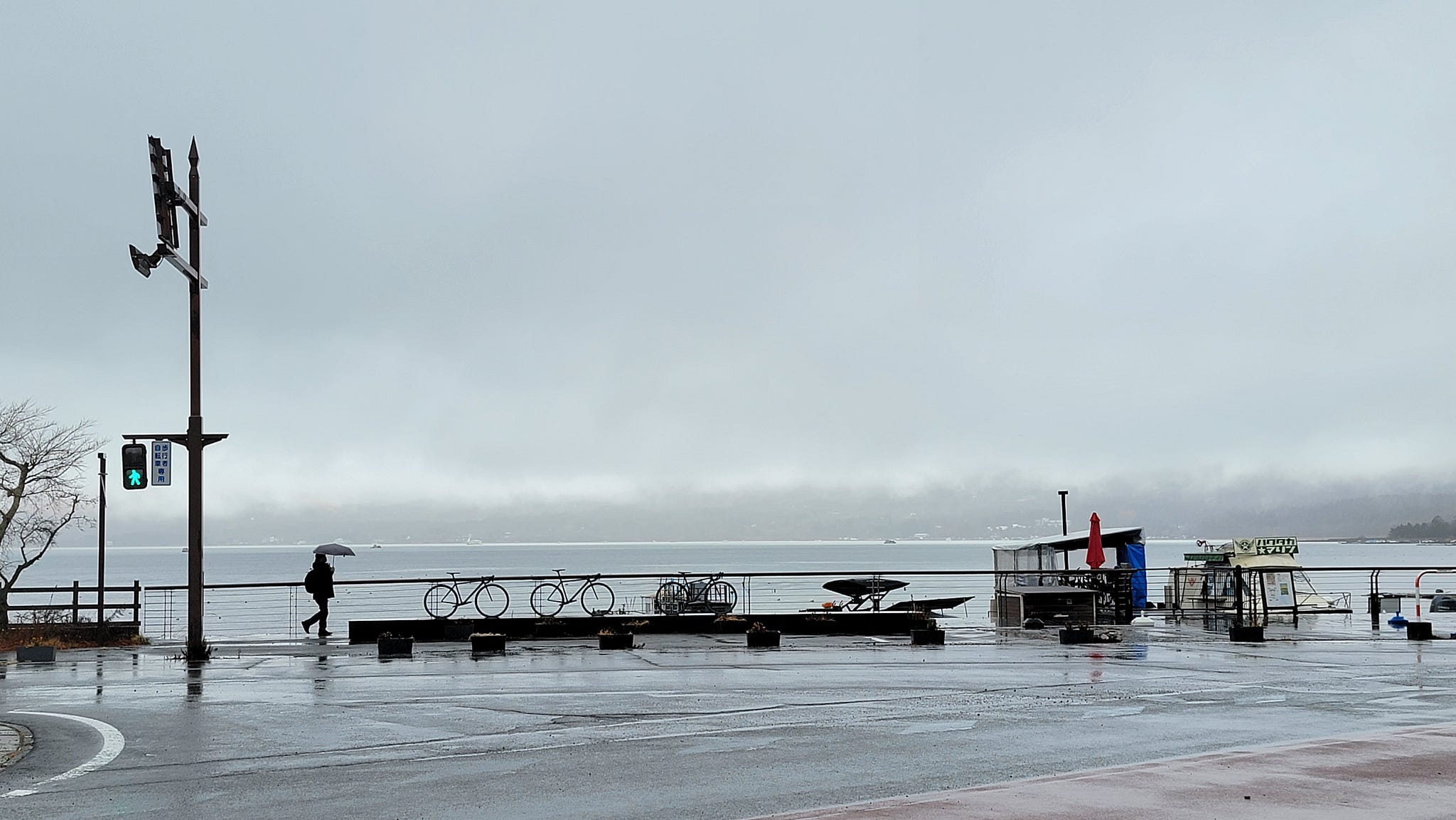
My final morning at the foot of Mount Fuji felt like a scene from a dream. I stood by the shores of Lake Yamanakako, watching the graceful swans glide across the water. But Fuji-san was nowhere to be seen, hidden behind a thick, heavy veil of fog. I couldn’t help but smile; it felt as if the mountain was sulking, saddened by my departure.
The truth was, the feeling was mutual. With snowflakes dancing in the mist around me, I whispered a promise to the hidden peak: I will return. I asked for a blessing for our next reunion, a grander one, before turning my back on the mountain to face the future.
The Bullet to the Heart of Culture
To get to Kyoto, I had to experience a marvel of human ingenuity: the Shinkansen.
I boarded the Hikari Shinkansen, opting for the “Green Car” — a first-class sanctuary of plush recliners and massive windows. Then, the acceleration began. It wasn’t just a train ride; it was like flying on rails. To see these machines running with the frequency of a local metro, yet with the precision of a Swiss watch, is to see Japan’s brilliance in its purest form.
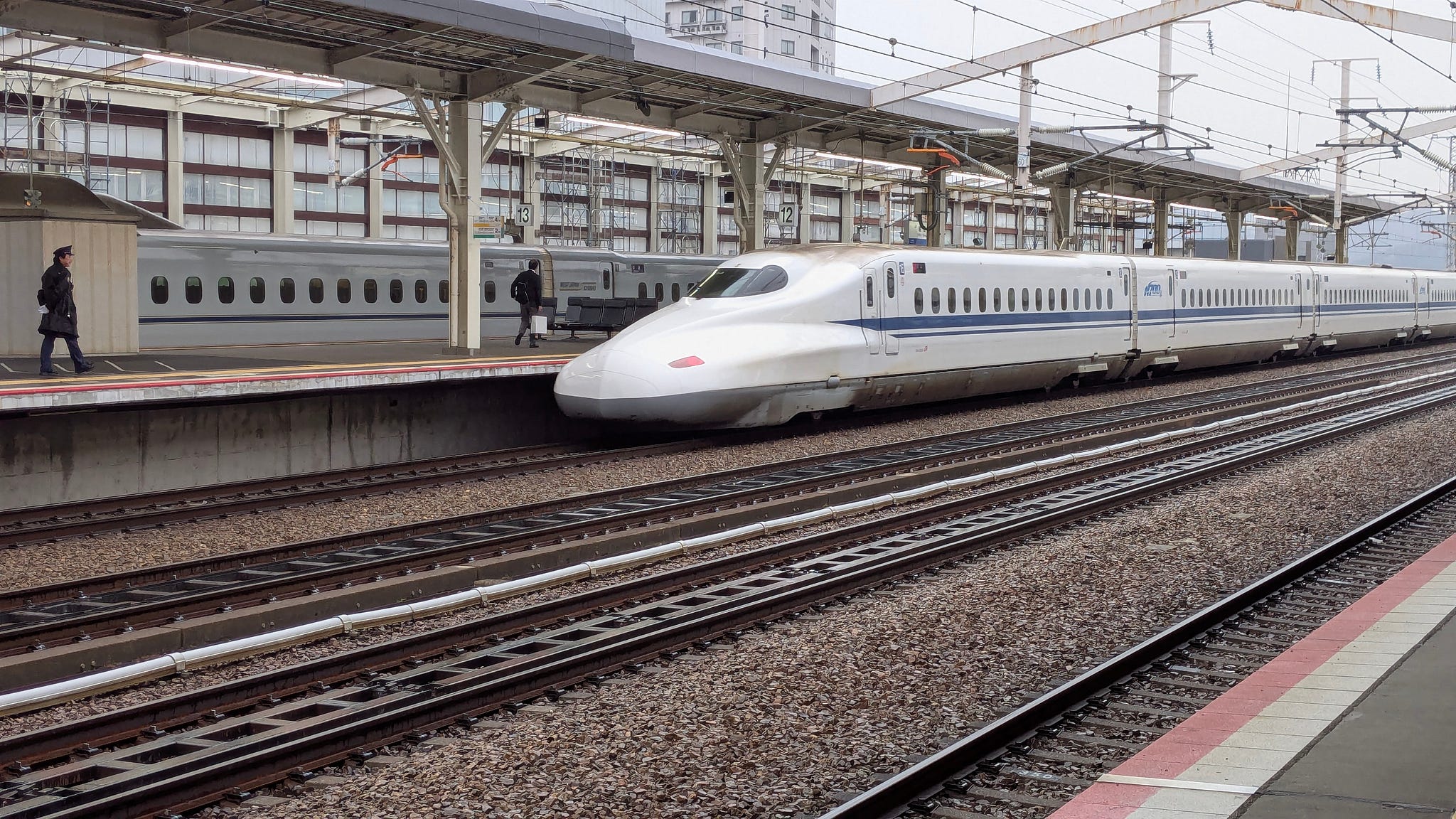
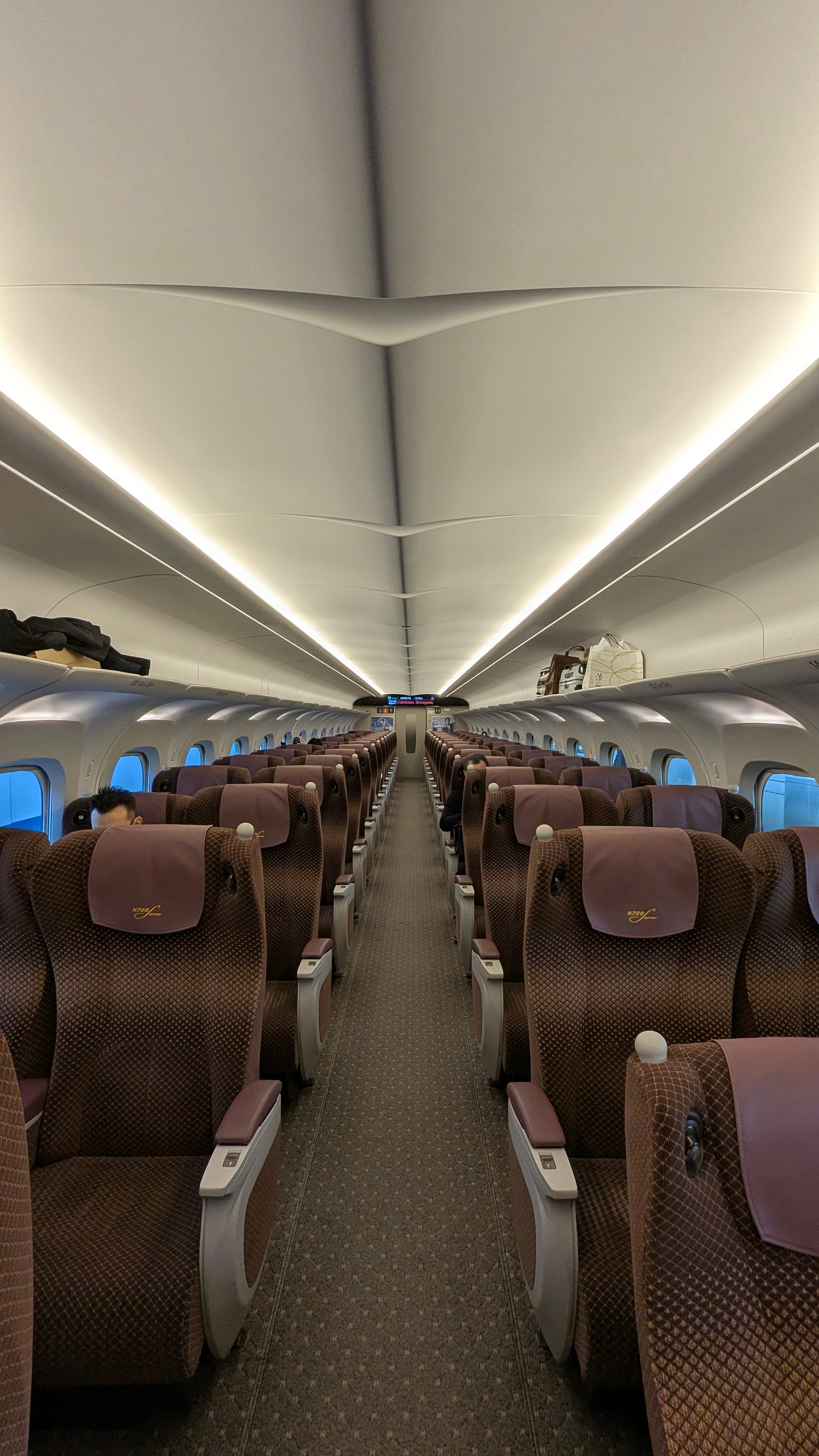
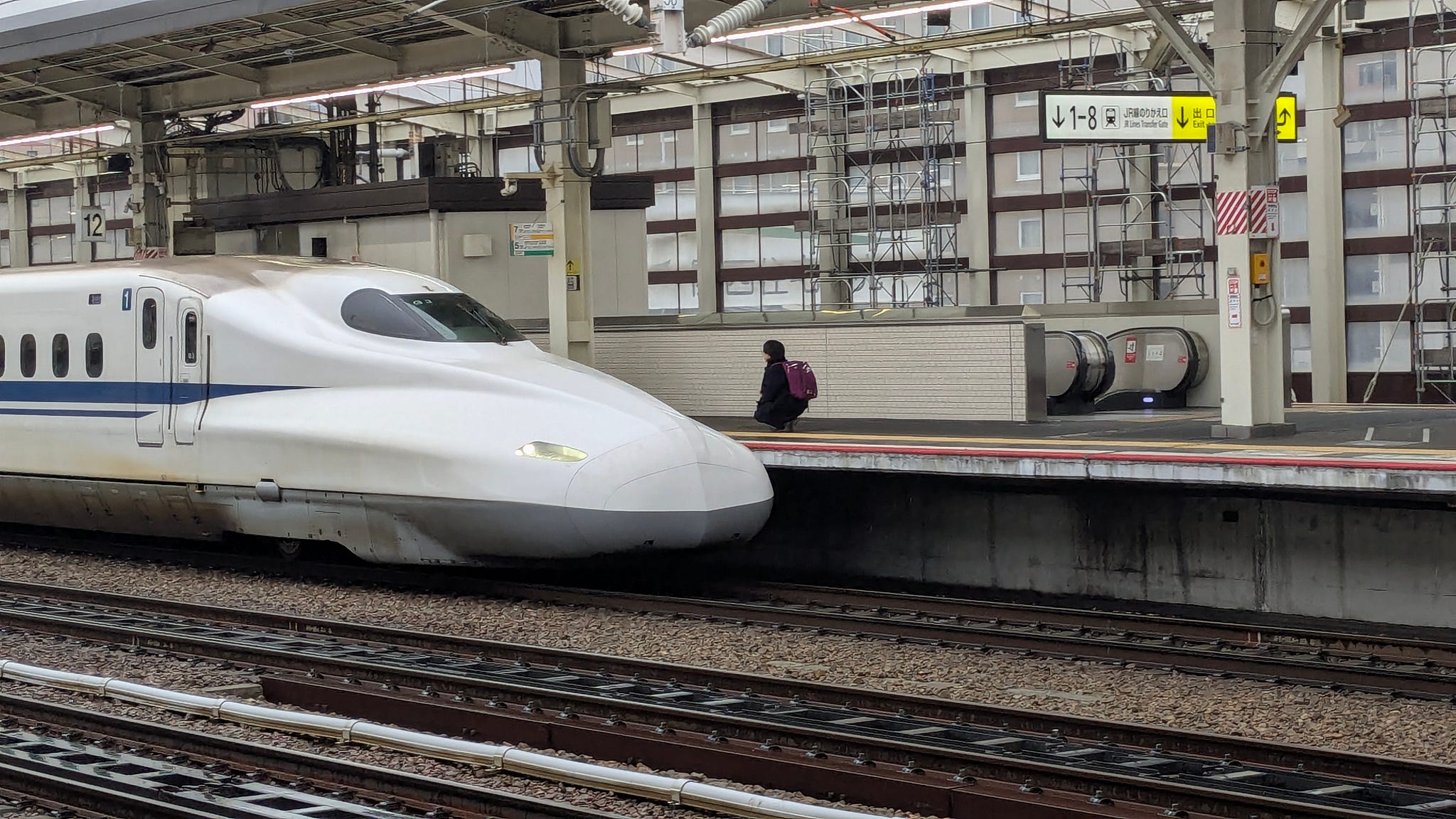
As we sliced through the landscape, Japan became a blur of contrasts: bustling steel cities melting into tranquil green countryside, mountains standing like sentinels, and rivers glistening like silver threads.
A Celestial Welcome
And then, as if the universe wanted to top the magic of the morning’s snow, a rainbow appeared. Not just a fragment, but a complete, vivid arc stretching across the sky. I had never seen a full rainbow in my life. Every colour was sharp and distinct, a celestial welcome mat rolled out by Kyoto as I approached. Kyoto — the spiritual heart of Japan, filled with shrines, Geisha culture, and hidden gardens
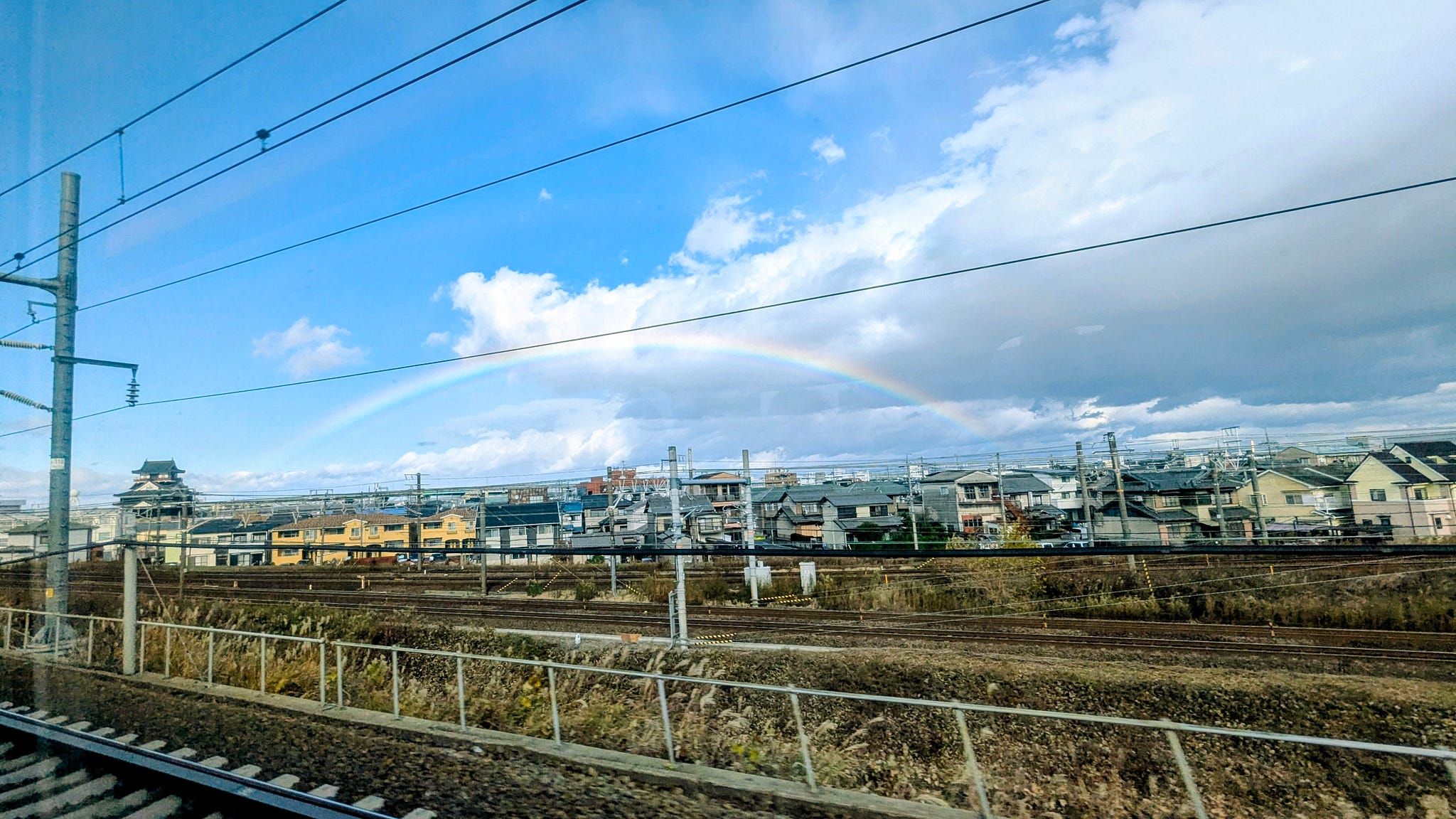
At exactly 2:00 PM — because the Shinkansen does not believe in “almost” — I stepped out at Kyoto JR Station and walked into Miyako Hotel Kyoto Hachijo.
Day 5: The Ancient Boss & The Bowing Deer
The City That Remembers
Kyoto doesn’t just have history; it is history. Having served as the capital for over a millennium, the city landscape carries a specific kind of dignity — the charm of a “boss” is still in the city.
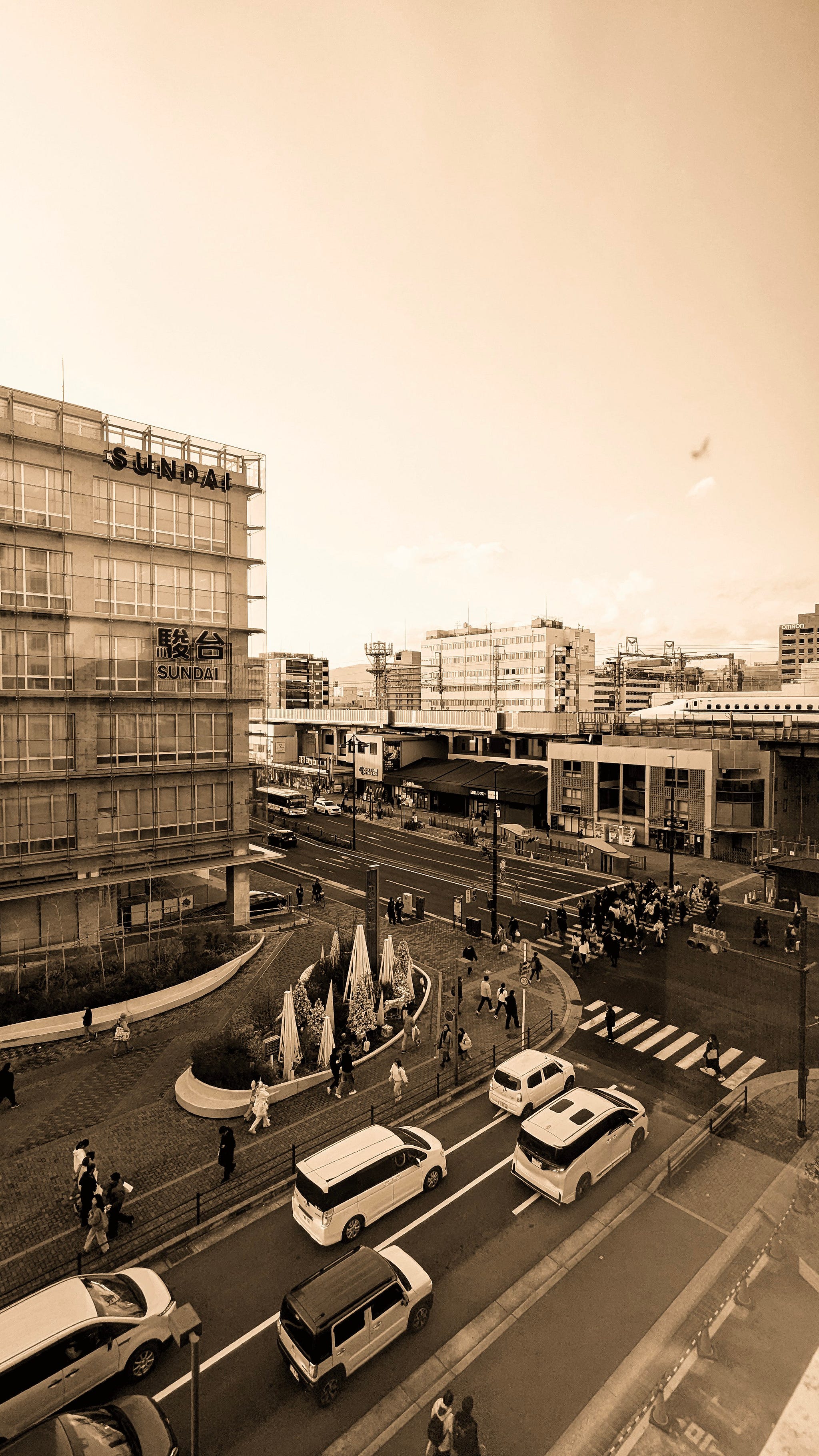
To navigate this vast cultural treasure, I joined a guided tour with Klook. Our itinerary was a trio of Japan’s most iconic sights: Nara Park, the Arashiyama Bamboo Grove, and the vermillion corridors of Fushimi Inari.
Departure First: A Lesson in Respect
The day began with a sharp lesson in Japanese philosophy. When one group arrived late, our guide didn’t hesitate. At exactly 9:00 AM, the engine started. His policy was simple: “Departure First.” It was a revelation. He explained that because the Japanese are so deeply apologetic if they cause a delay to others, they have every right to be unapologetic about starting on time. It wasn’t about being rude; it was about honouring the commitment made to those who were there. “Departure First” is a principle I’ve decided to carry home with me — a way to value both my own time and the time of others.
The Story of “Sayonara”
As we wound our way toward Nara, the guide shared the story behind one of the world’s most famous goodbyes. He spoke of the era when the Emperor decided to move the capital from Nara to Kyoto. For the people of Nara, this was a moment of profound loss and transition.
Out of this era of change came the word “Sayonara.” Rooted in the phrase “Sayo nara, saba” — meaning “If it must be so…” — it wasn’t just a farewell. it was an act of surrender. It was the people’s way of saying: “If the era must change, and the King must depart, then we accept it with grace.” It transformed a goodbye into a recognition of life’s fleeting nature.
The Sacred Citizens of Nara
With that sense of history, we entered Nara Park. I repeat: I have never seen so many deer in my life. But these are not wild animals; they are the Shika — sacred messengers of the gods living in absolute harmony with millions of visitors.
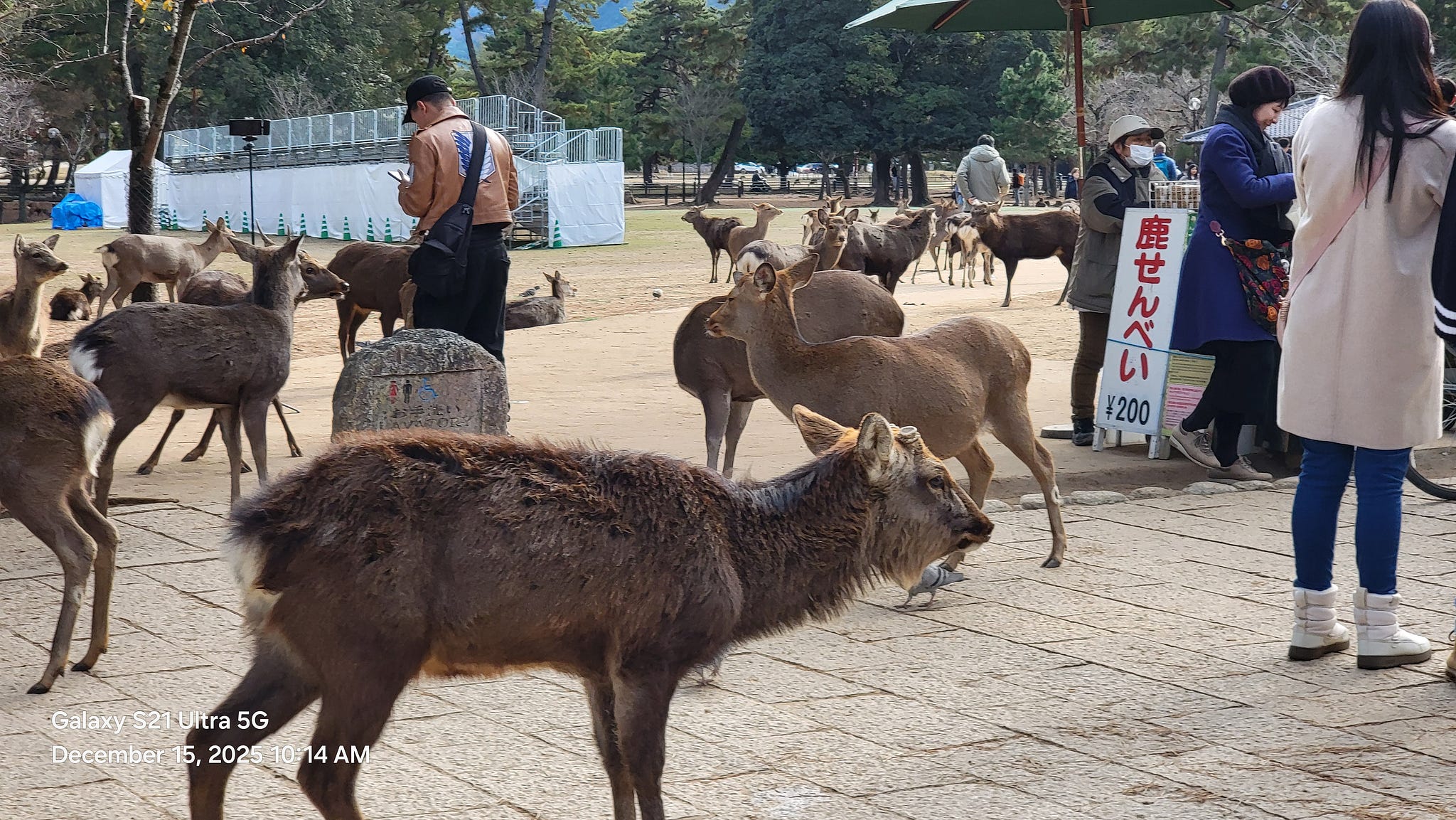
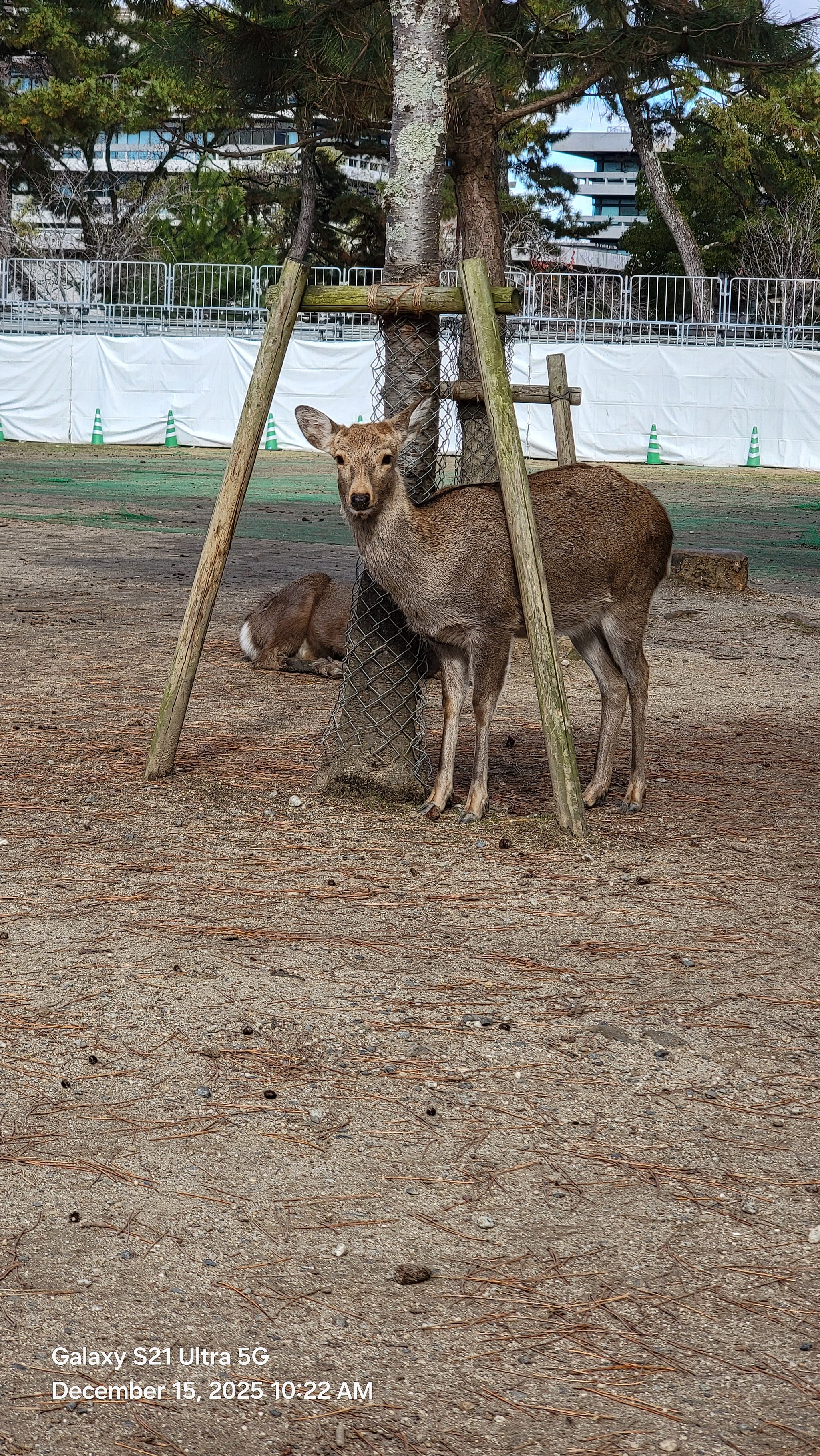
The discipline of these “divine messengers” was staggering. I watched, mesmerised, as deer waited patiently at the curb to cross the road using the zebra crossings. But the true spiritual connection happened when I approached them. In Nara, respect is a two-way street: when you bow to a deer, they bow back.
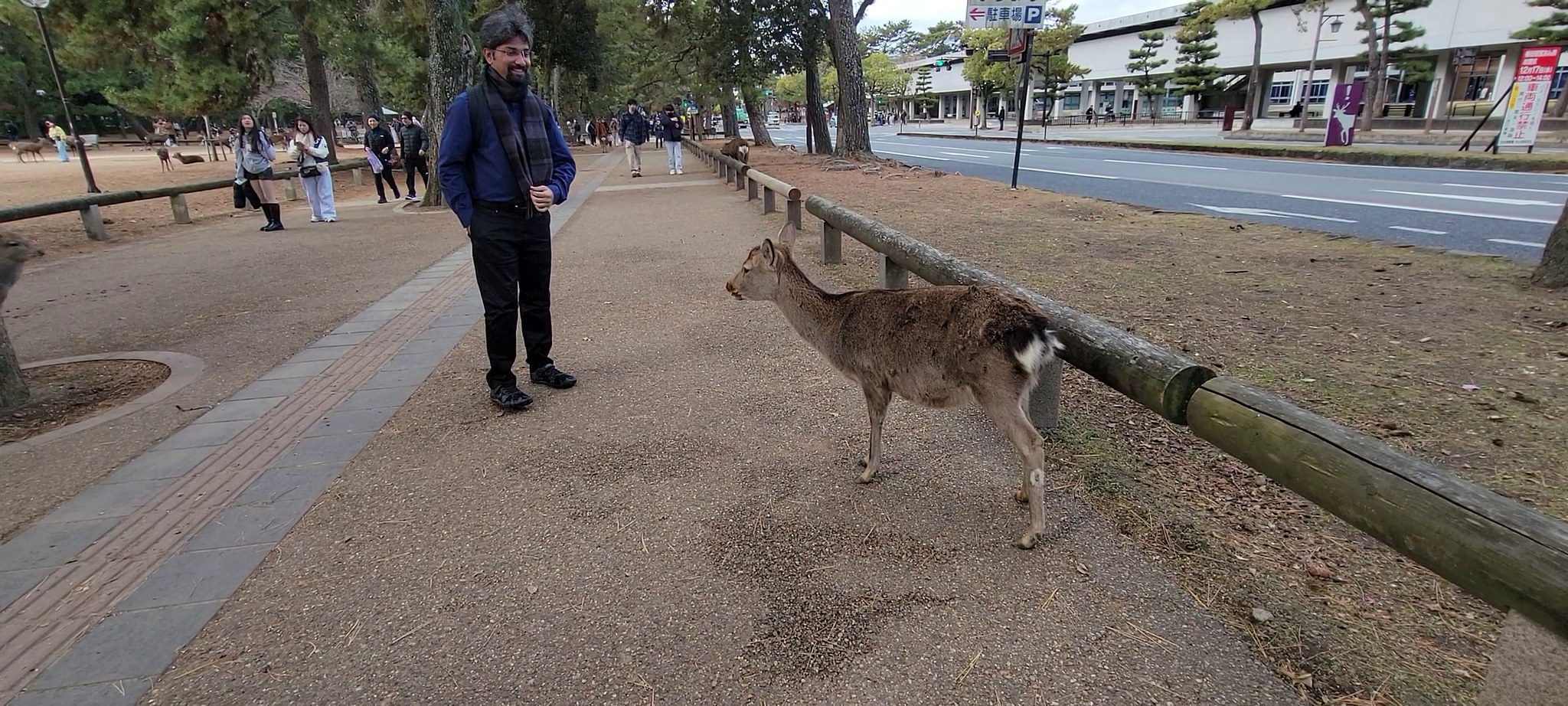
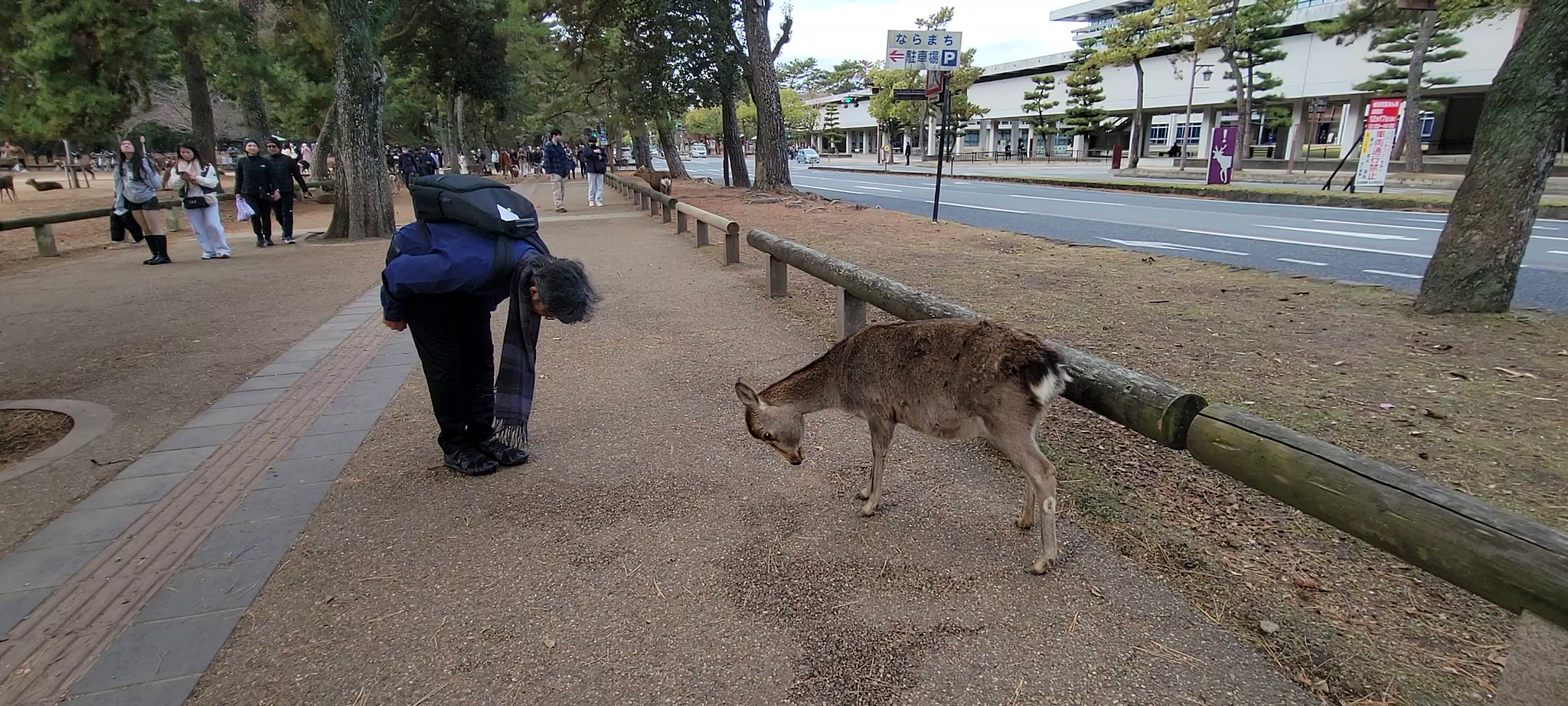
I sat and interacted affectionately with them, feeling a surge of gratitude. Some say if a deer refuses to bow, the divine isn’t ready to hear you — but in that moment, as heads dipped in mutual respect, I felt an overwhelming sense of being “seen” by the spirit of Japan.
Arashiyama: The Language of the Mountains
Leaving the blessing deers of Nara behind, we headed toward the western outskirts of Kyoto to a place called Arashiyama. Our guide explained that in Japanese, Yama means mountain — and here, the mountains don’t just sit on the horizon; they embrace you.
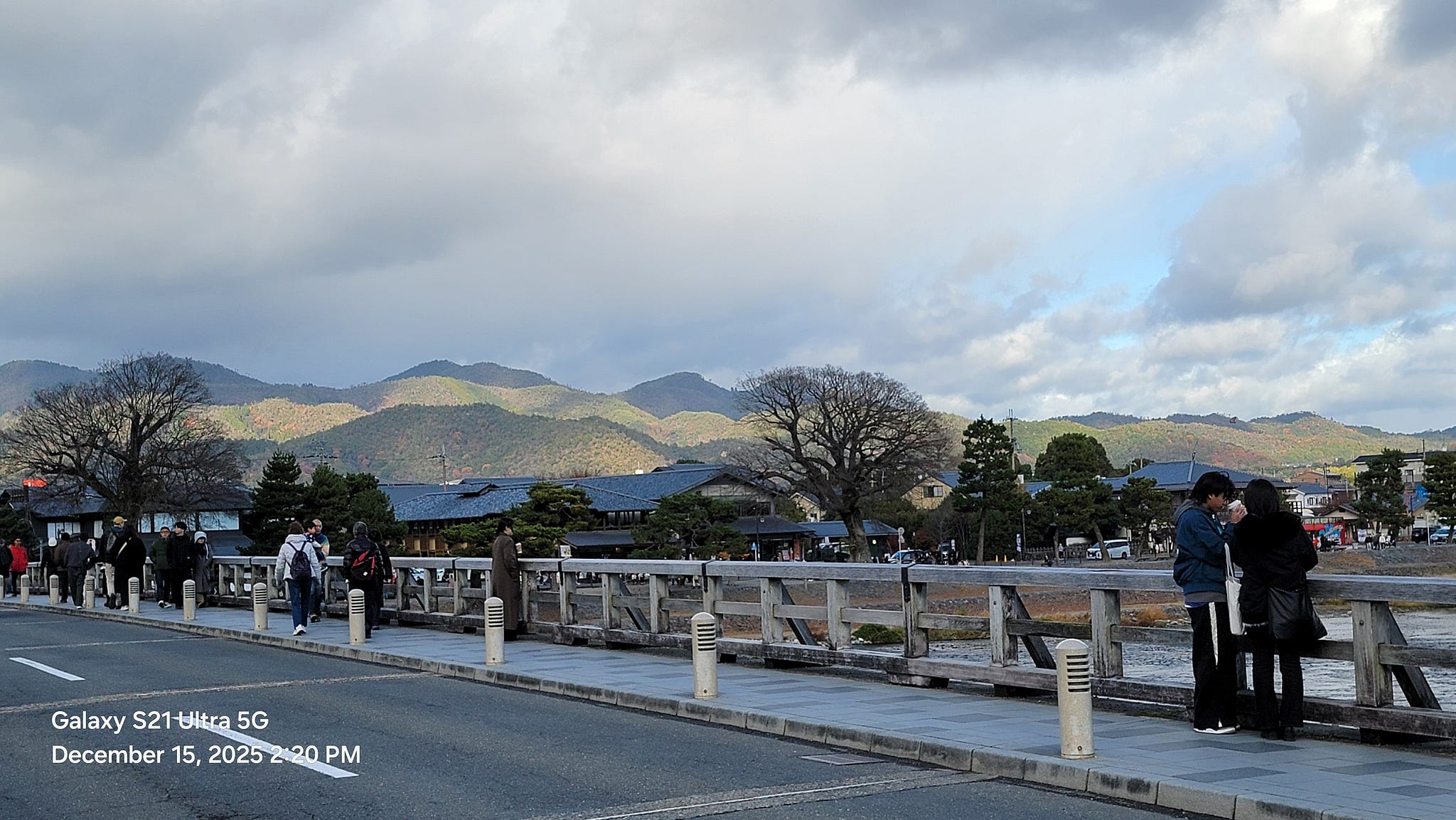
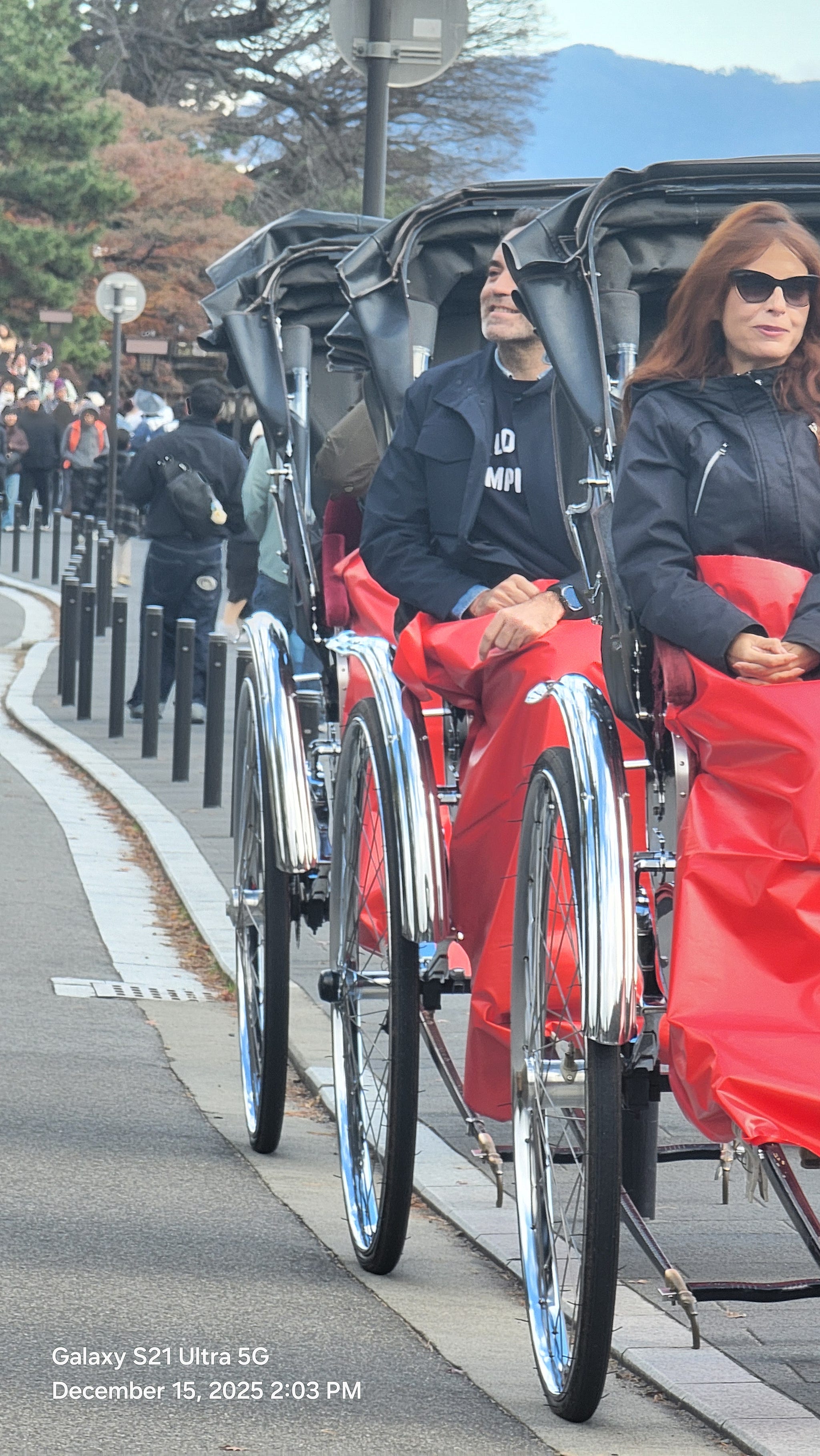
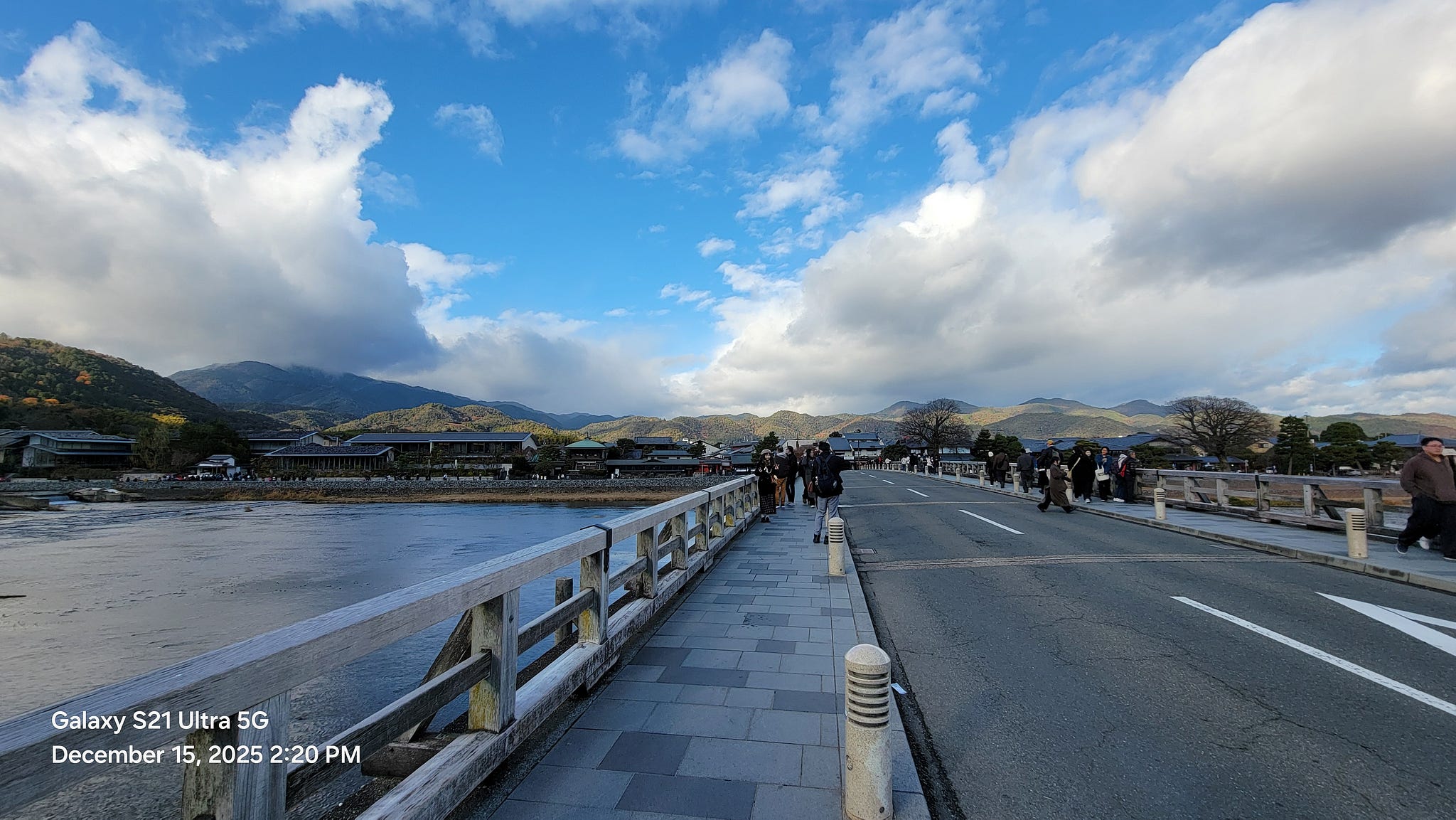
Arashiyama is a canvas of specialised “forests,” each with its own soul. We passed the Togetsukyo Bridge, or the “Moon Crossing Bridge.” Standing there, watching traditional wooden boats glide along the river against the backdrop of forested hills, it felt as though the modern world had simply ceased to exist. It was a picturesque scene that looked less like a tourist spot and more like a silk-screen painting come to life.
Then, we entered the heart of it all: the Sagano Bamboo Forest.
Walking into the grove is like stepping into a different frequency of reality. The stalks of bamboo don’t just grow; they soar, stretching so high they seem to hold up the sky. But the most striking part wasn’t what I saw — it was what I heard. When the wind moves through Arashiyama, the bamboo stalks clack and whistle against each other. It is a rhythmic, hollow sound that feels like the mountain is breathing. In that forest, the noise of the world fell away, replaced by an intense, towering serenity.
Fushimi Inari: The Path of Ten Thousand Prayers
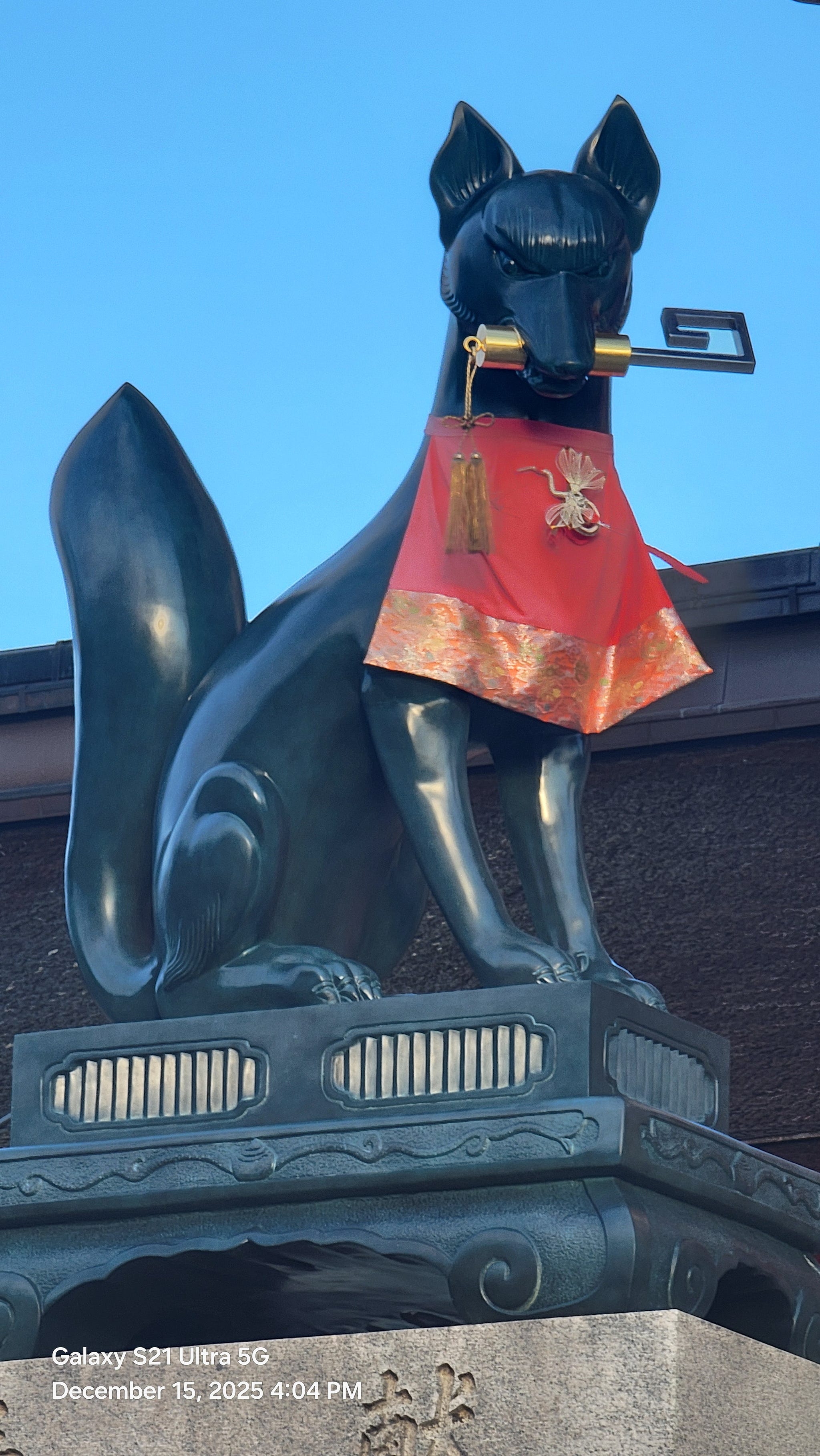
The final destination of our day was perhaps the most iconic image of Japan: Fushimi Inari Taisha. As we approached the grand entrance, our guide shared the legend of the Kitsune — the stone foxes that stand guard with keys or scrolls in their mouths.
In ancient times, foxes appeared out of nowhere to protect the grain from rodents. To the farmers, this was divine intervention. These foxes became the sacred messengers of Inari, the deity of rice and the patron of business and professional success. Today, people from all over the world travel here to seek prosperity and the “opening of doors” in their lives.
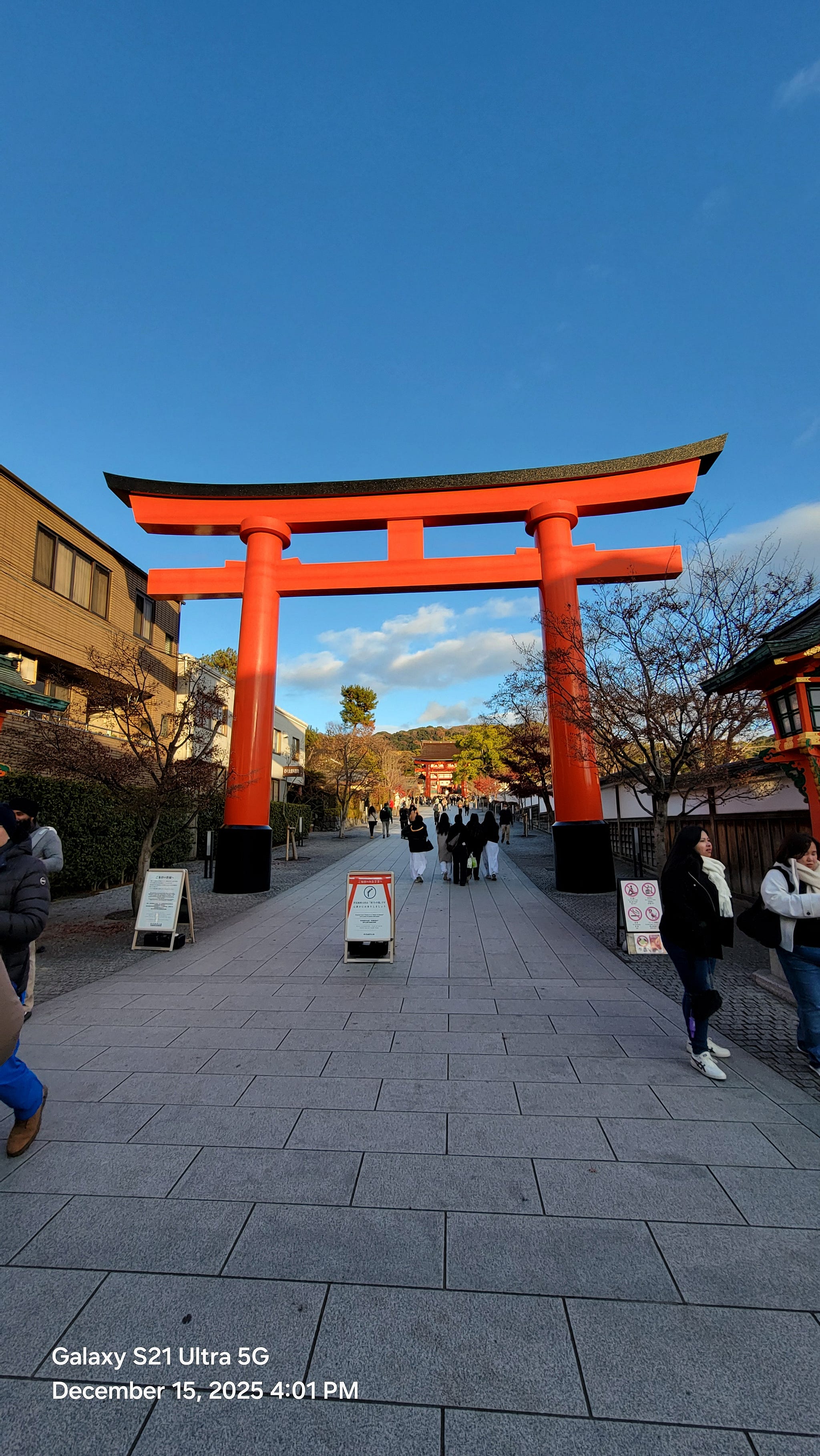
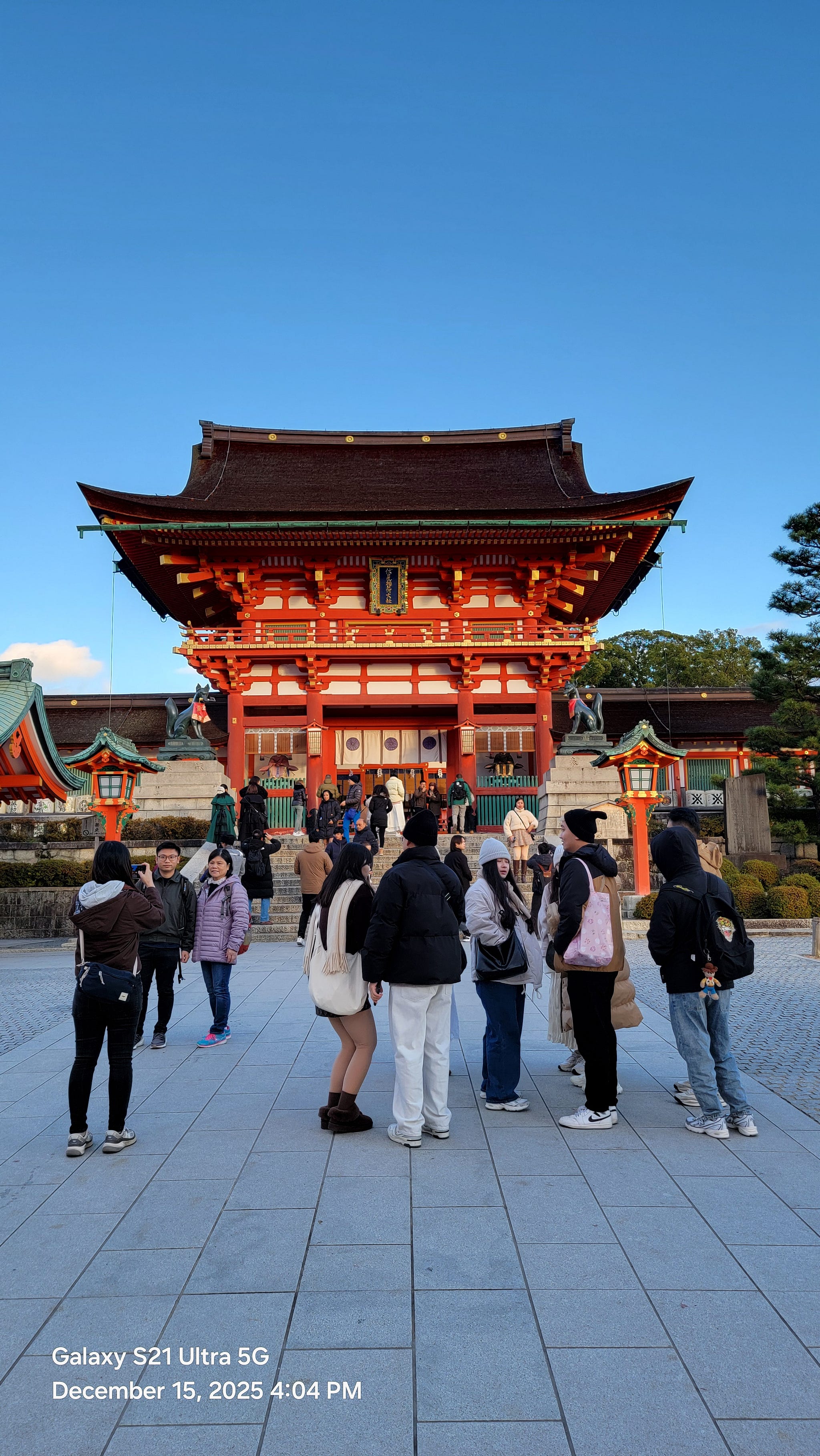
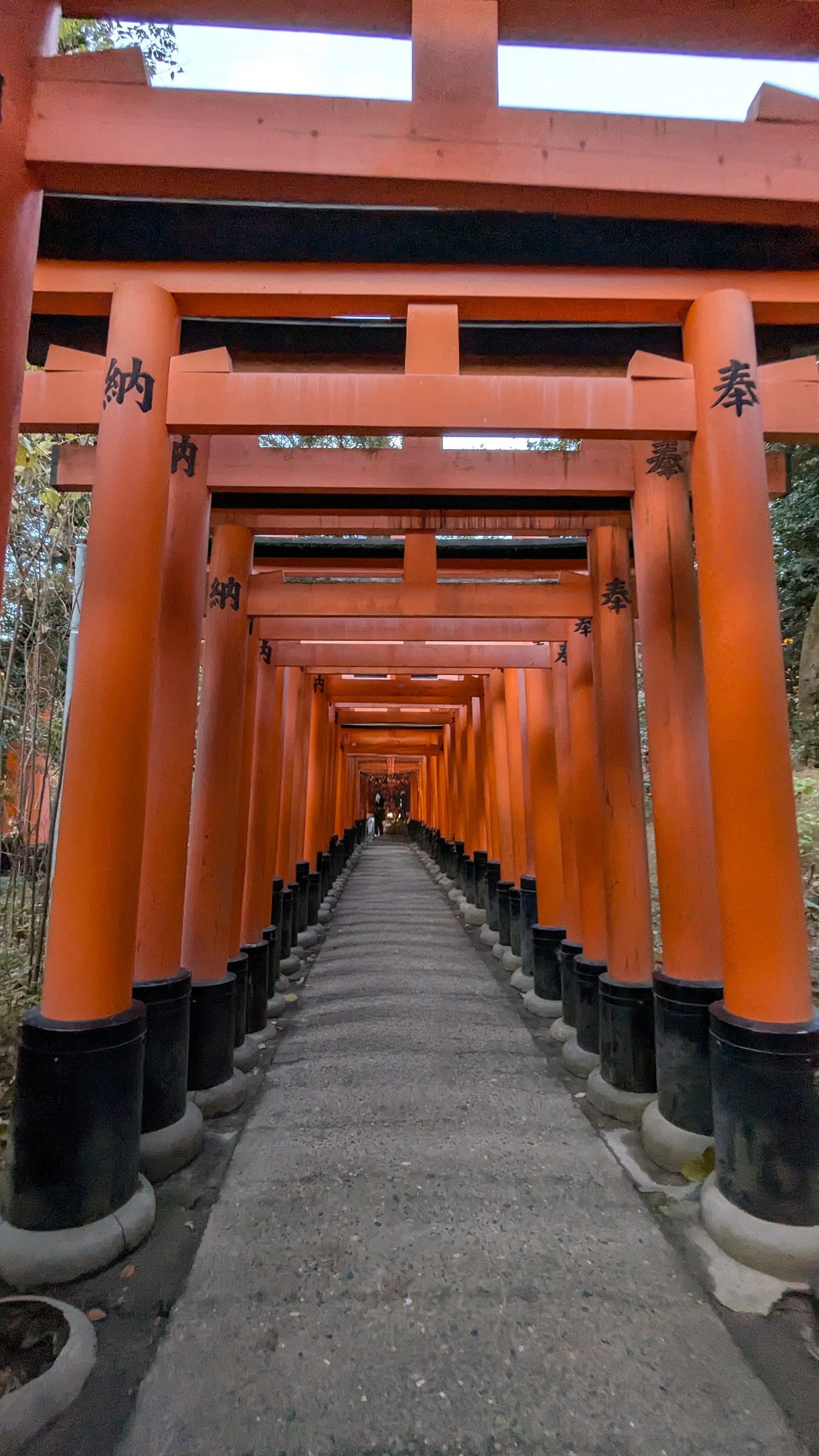
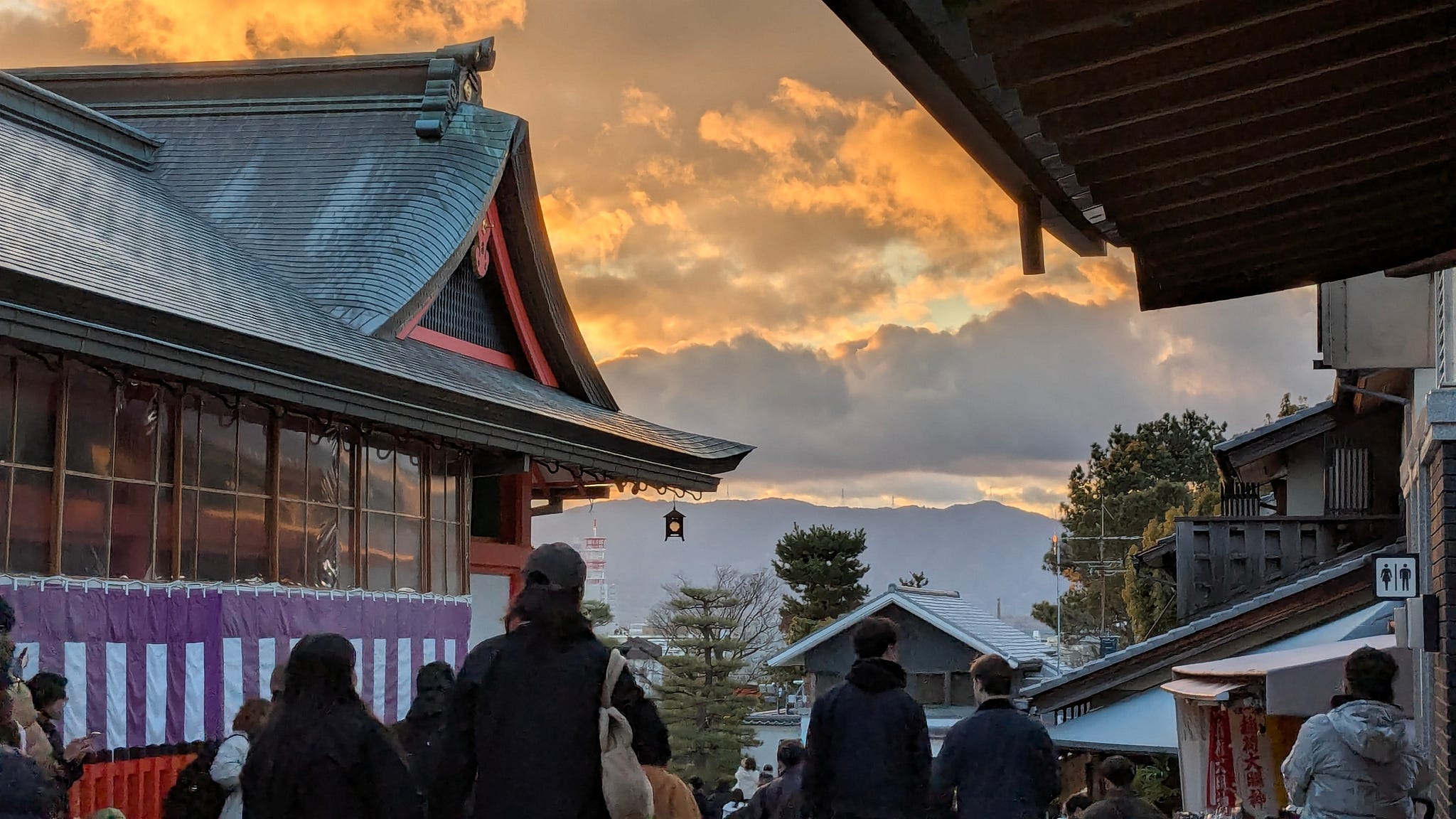
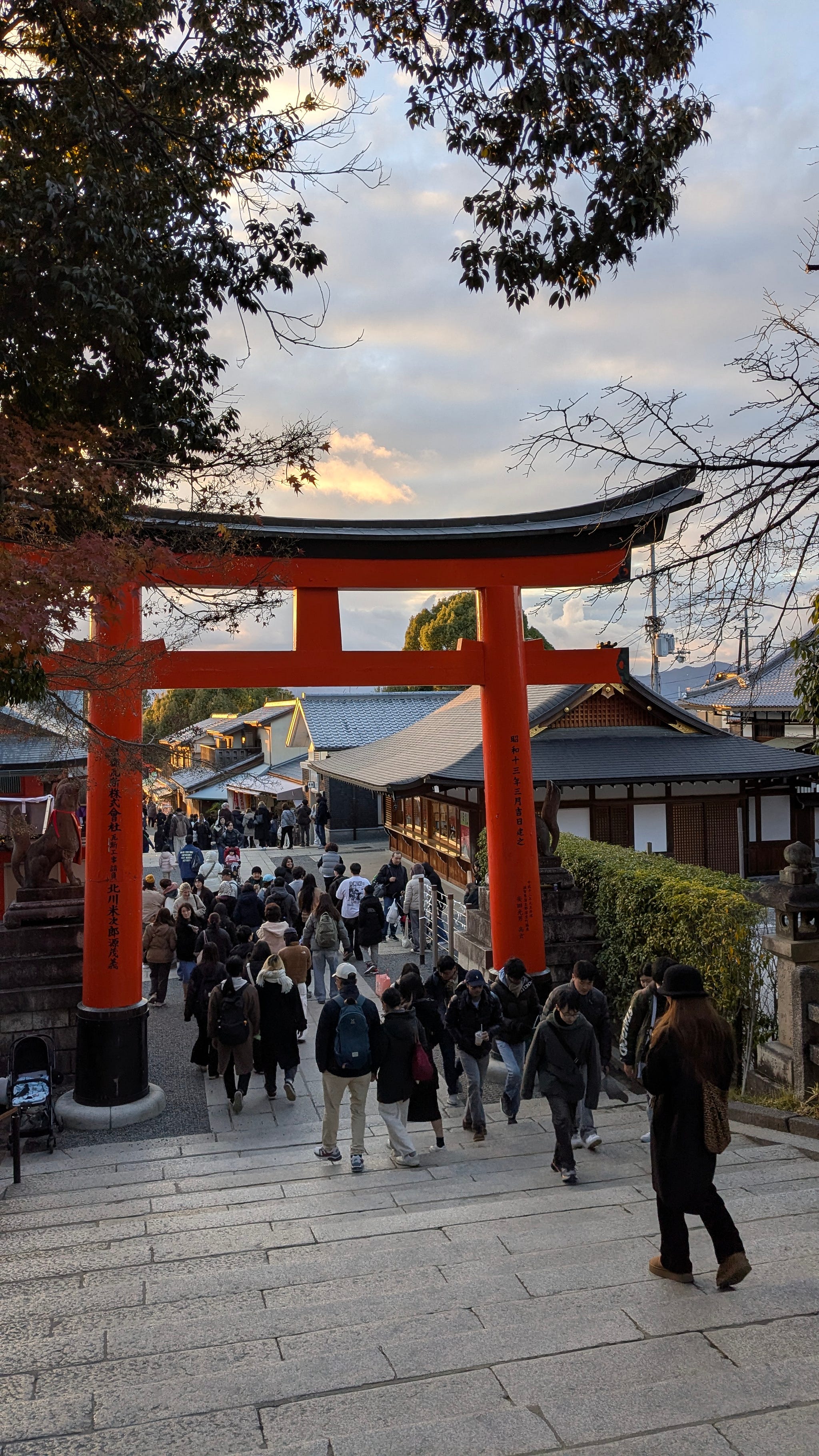
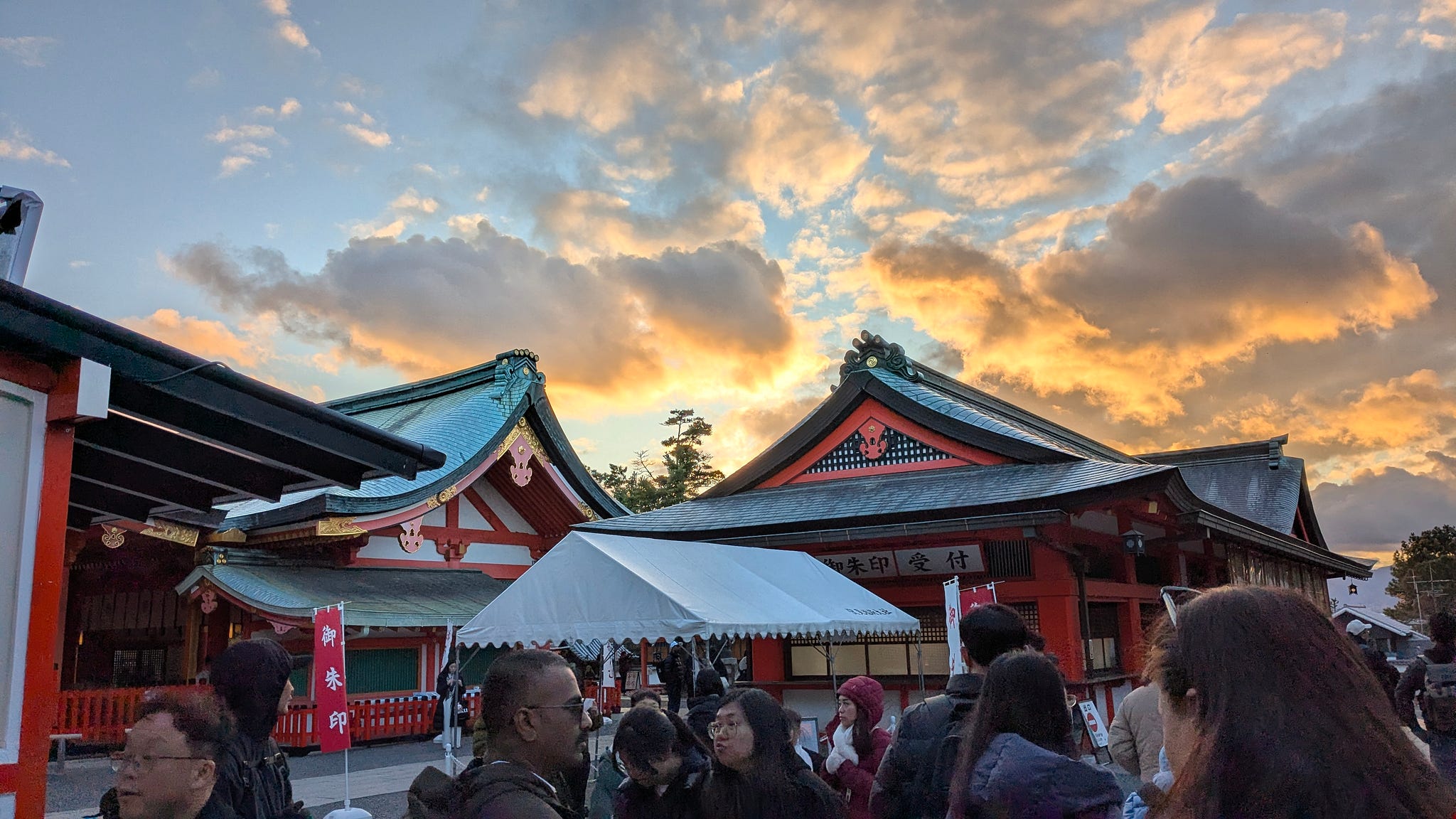
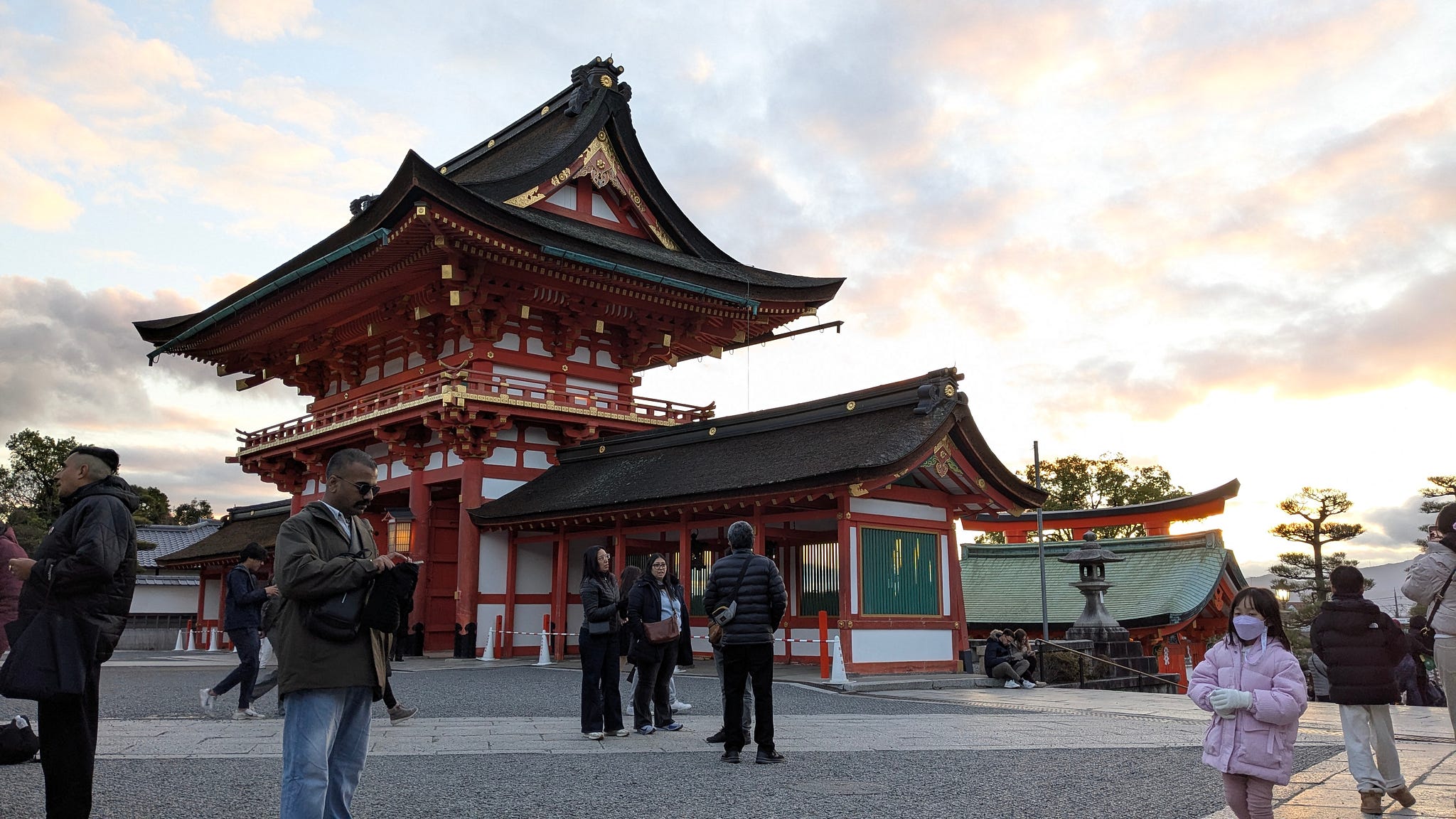
The sight of the Senbon Torii (thousands of torii gates) is overwhelming. Each of these vibrant orange gates has been donated by an individual or a company — some as a prayer for the future, others as an act of deep gratitude for a desire already fulfilled. To walk through the gates is to walk through a physical tunnel of human hope.
A Mission of Selfless Intent
While many visit Fushimi Inari to ask for their own fortune, my heart took a different turn. I found myself thinking of a dear friend who is currently navigating a very difficult season of her life.
I decided to engage in the ritual of the Ema — the small wooden plaques used to send messages to the divine. I carefully engraved her name on the wood, pouring my intentions for her strength and healing into every stroke. I have always believed that prayers for others are heard more clearly than prayers for ourselves; there is something about selflessness that the divine deeply appreciates. It is a pure frequency, unburdened by our own egos.
I carried her name under the orange gates, seeking a blessing of resilience for her. After hanging the plaque, I didn’t wait to get back to the hotel. I wrote her an email about it that night, trying to bridge the distance and send that mountain energy and those blessings to her across the miles. It was my way of ensuring that, even from across the world, she knew she wasn’t walking her path alone.
True prosperity is the light we ask the heavens to shine upon someone else’s path.
Day 6: The Gold and the Garden
The Kyoto Imperial Palace: A Hierarchy of Art
The morning began at the Kyoto Imperial Palace, a sprawling estate that served as the residence of Japan’s Emperors for over five centuries. The first thing that strikes you isn’t just the scale, but the absolute stillness of the vast garden grounds. It is a place that breathes history, maintained with a level of cleanliness that feels almost meditative.
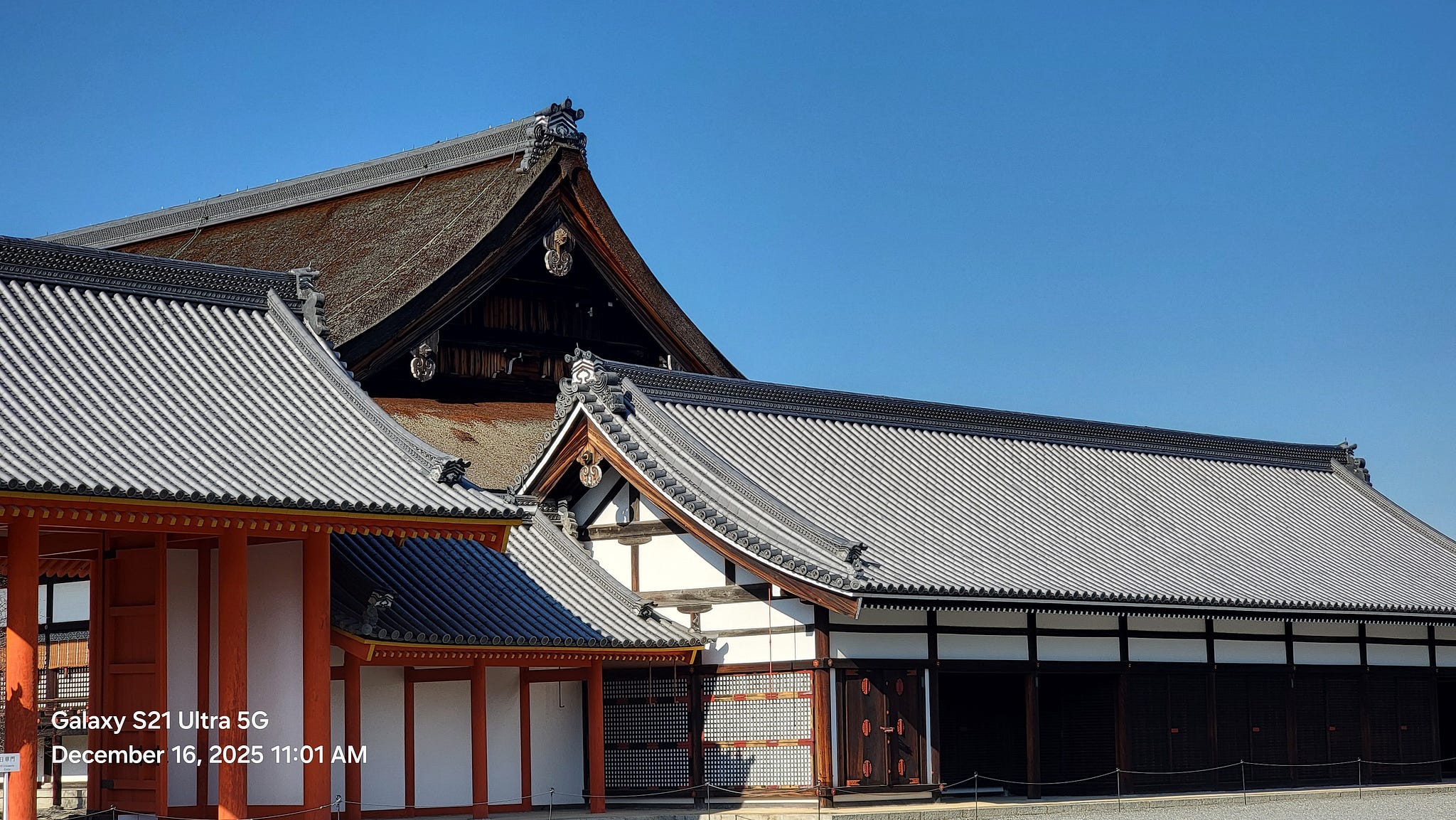
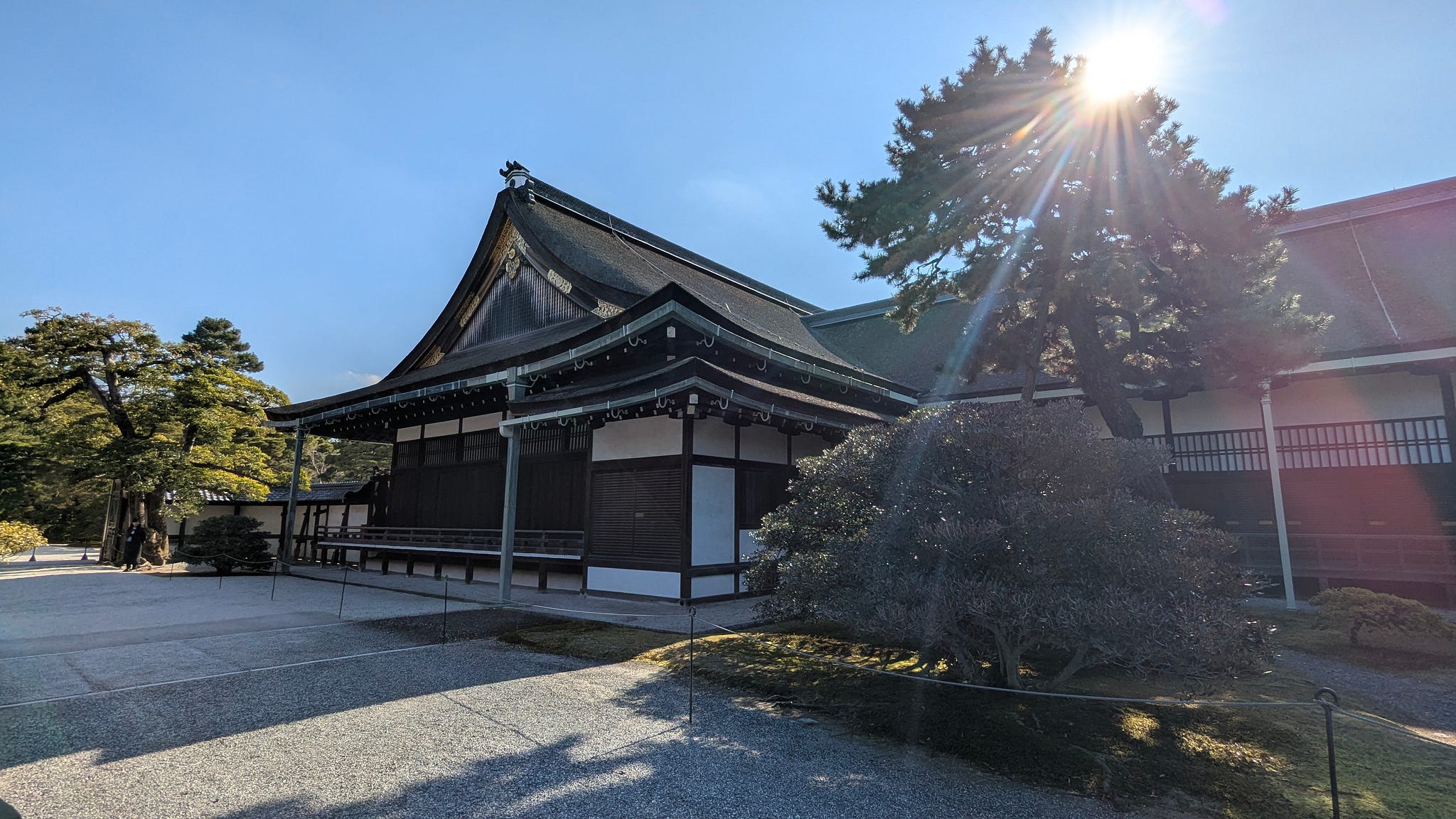
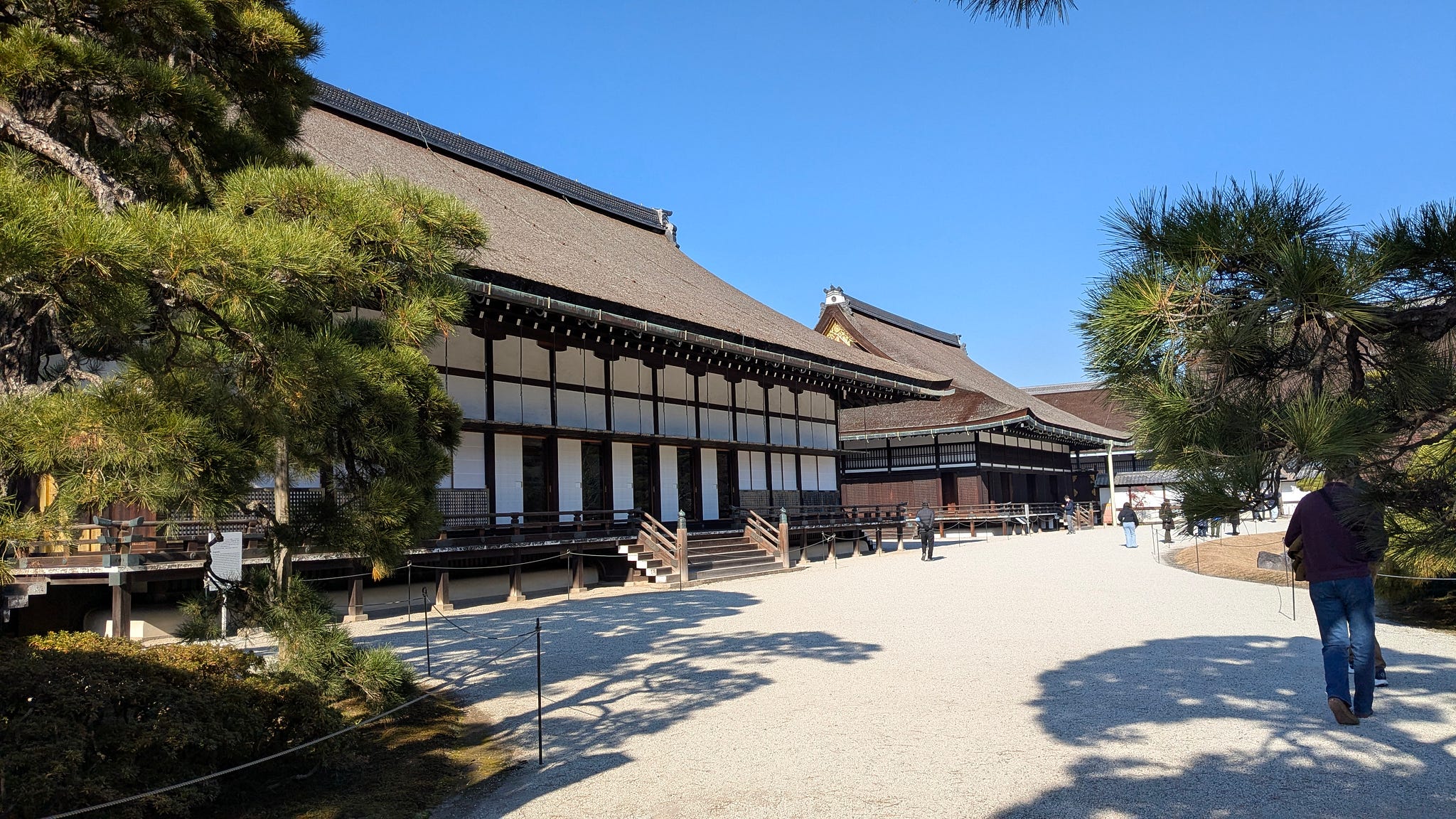
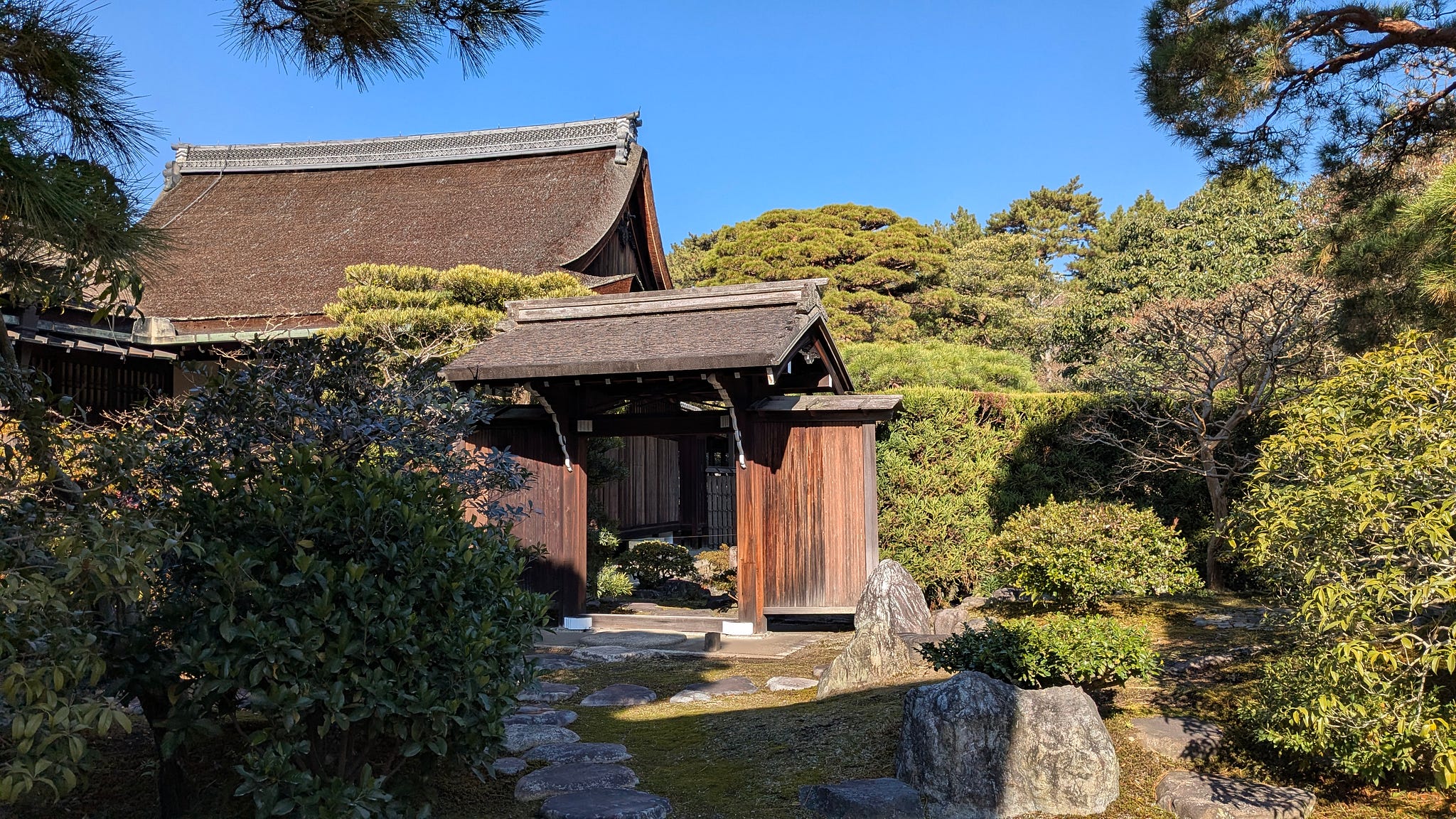
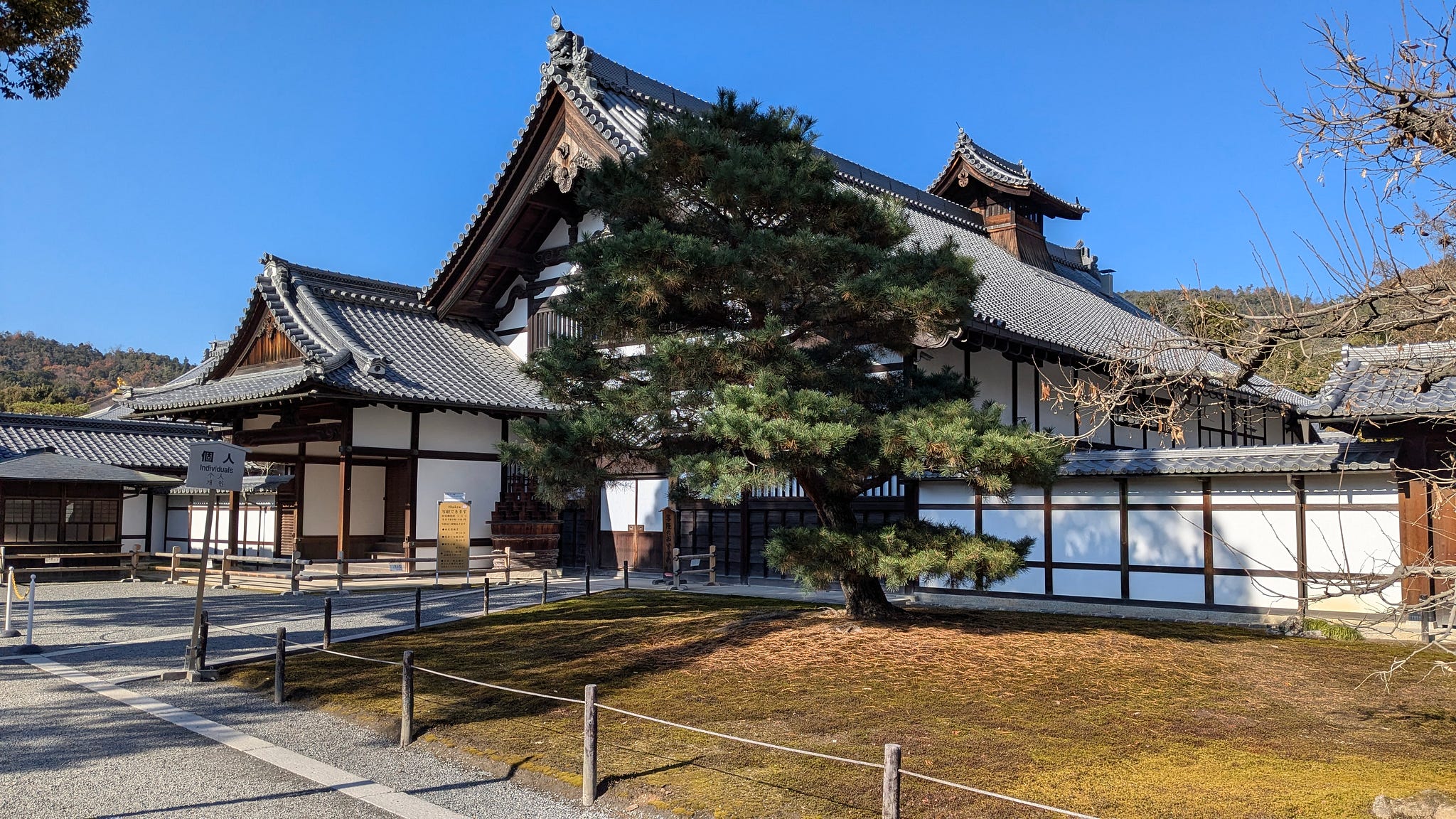
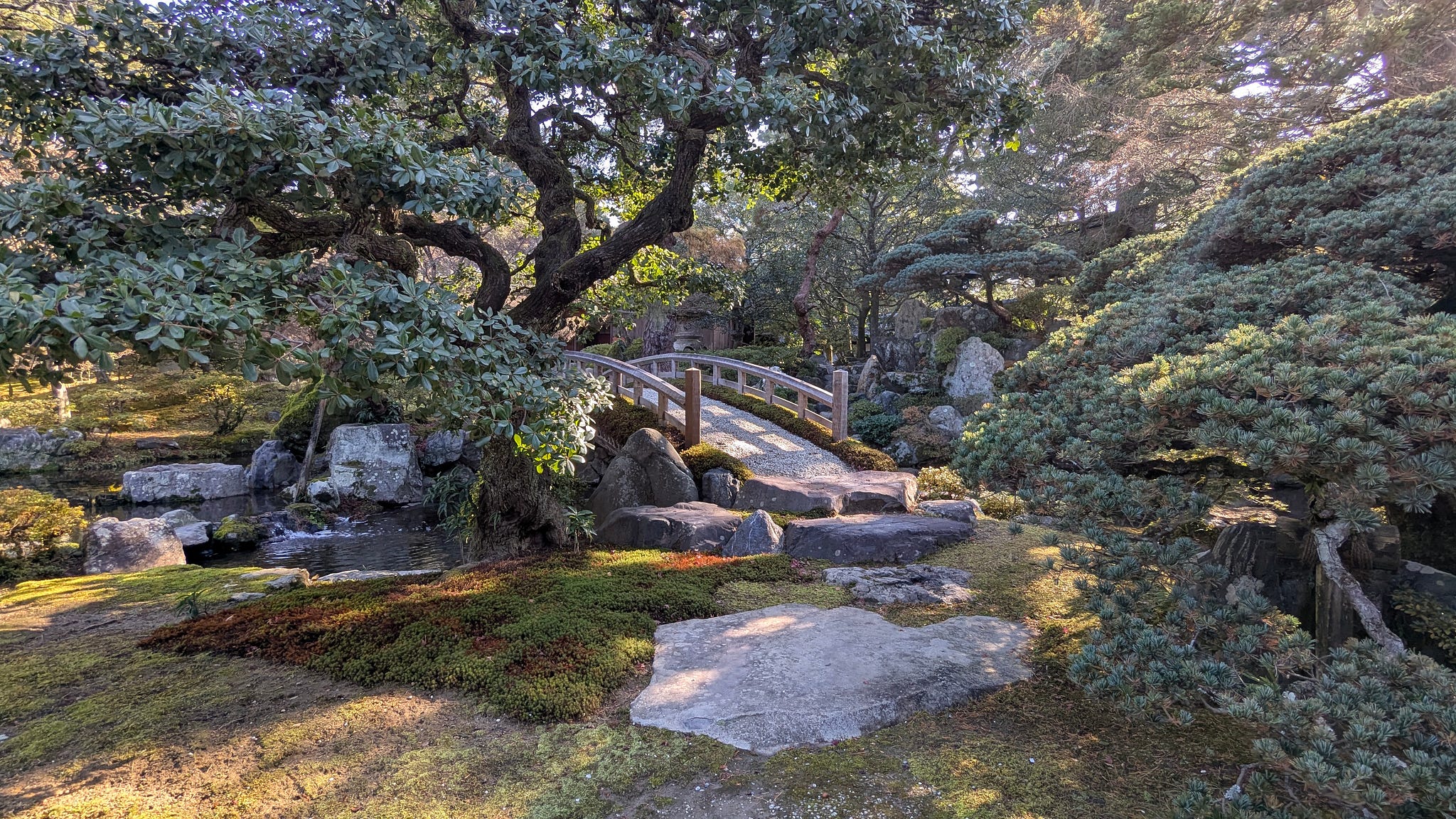
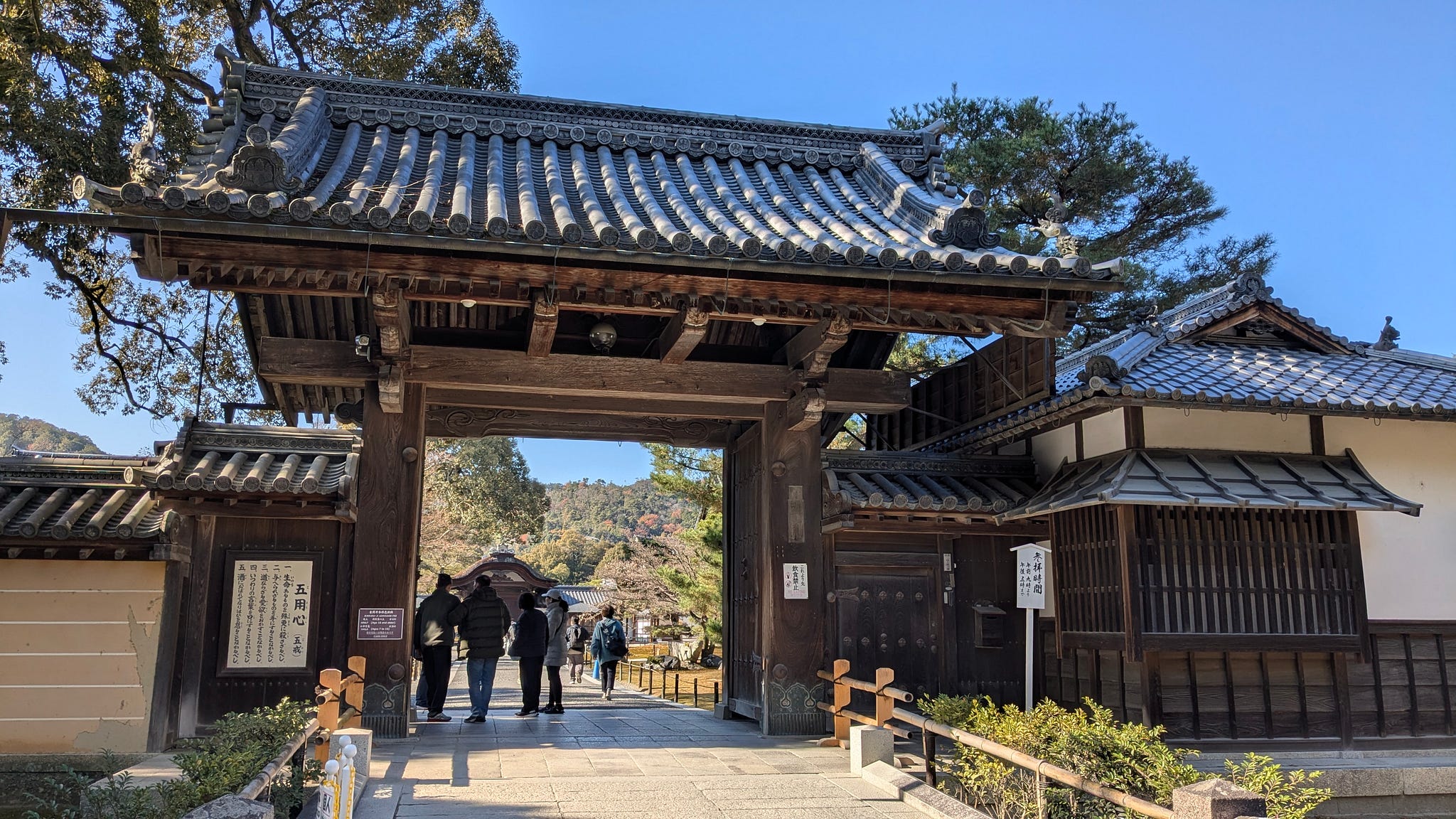
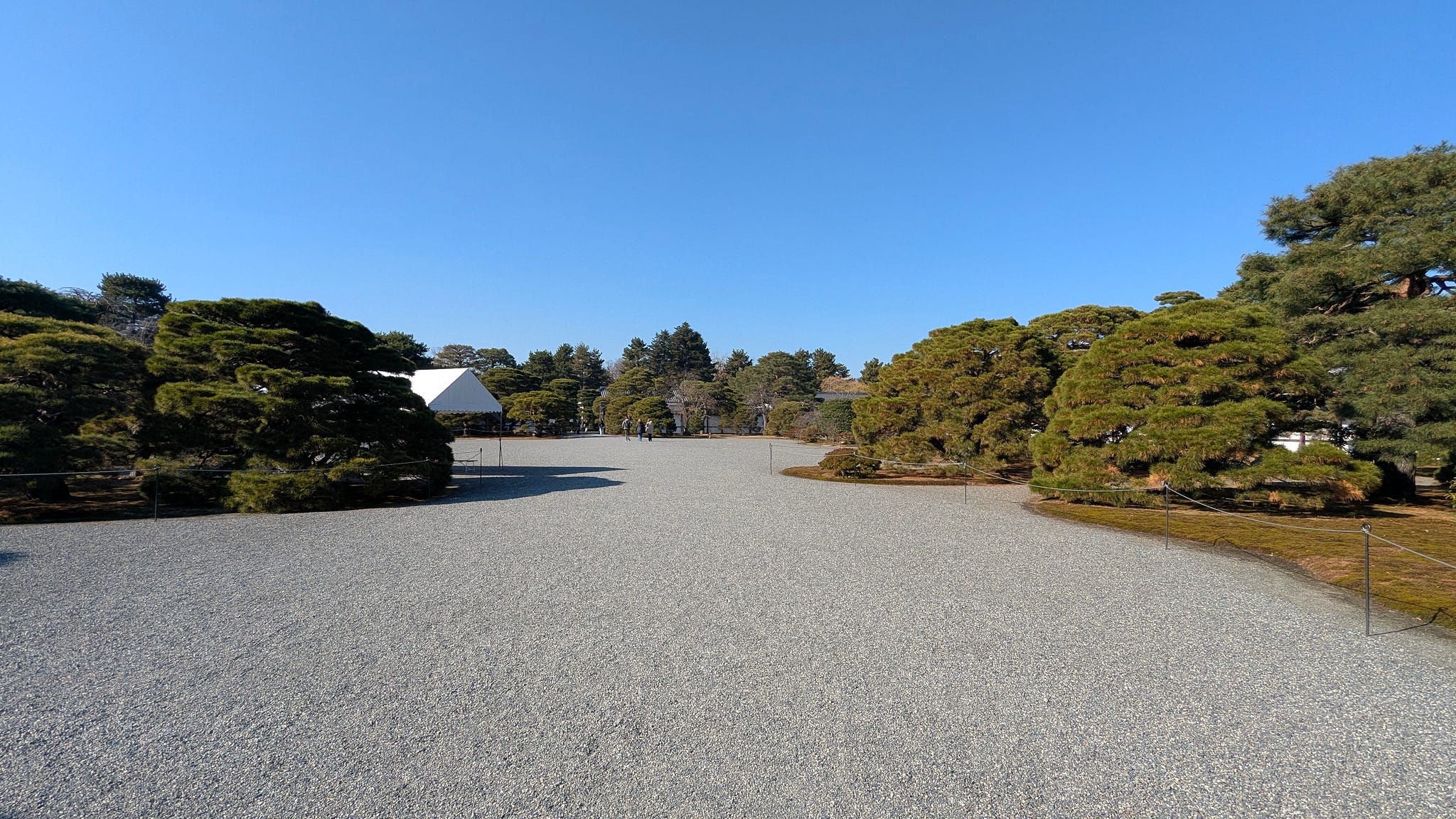
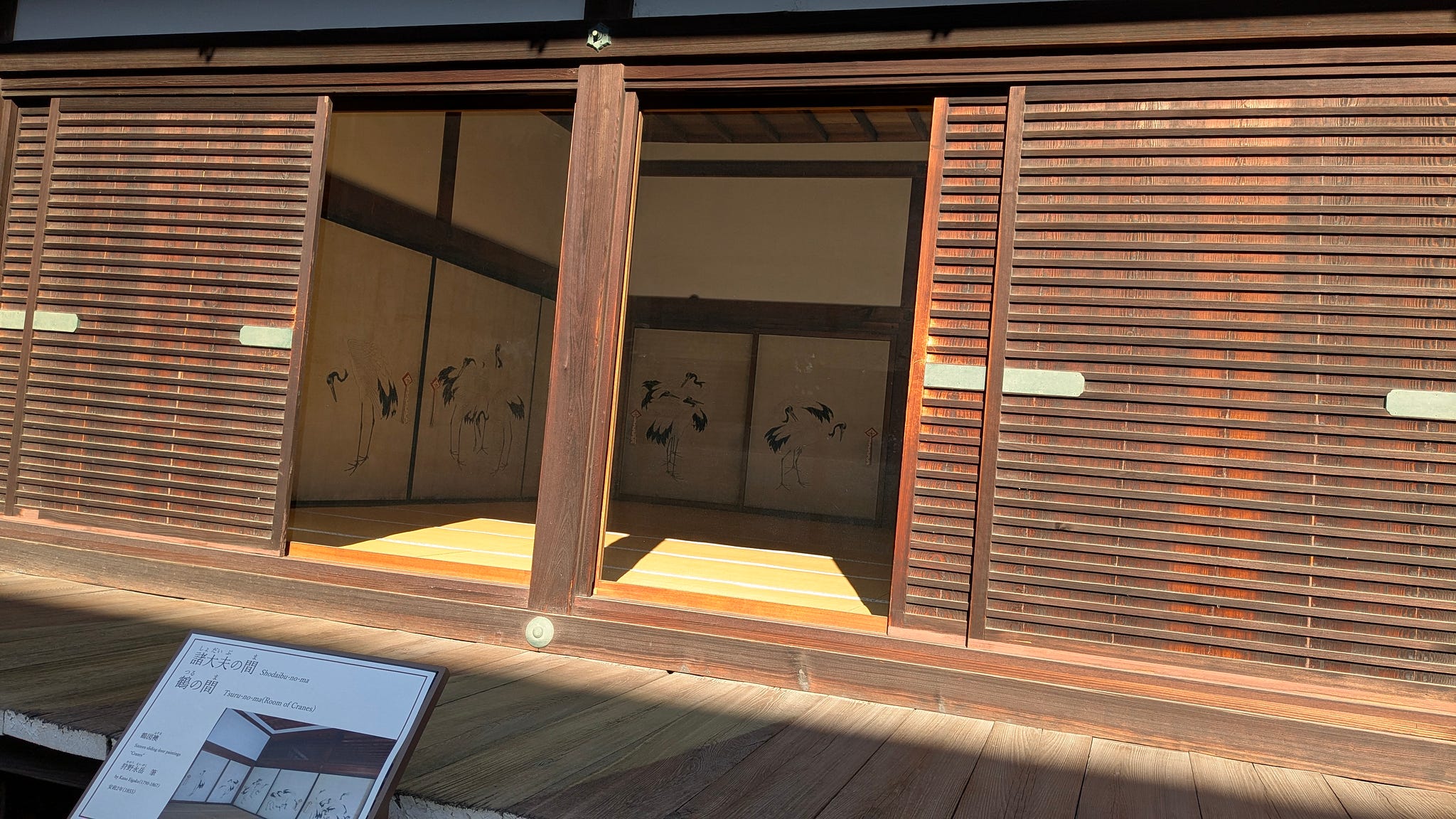
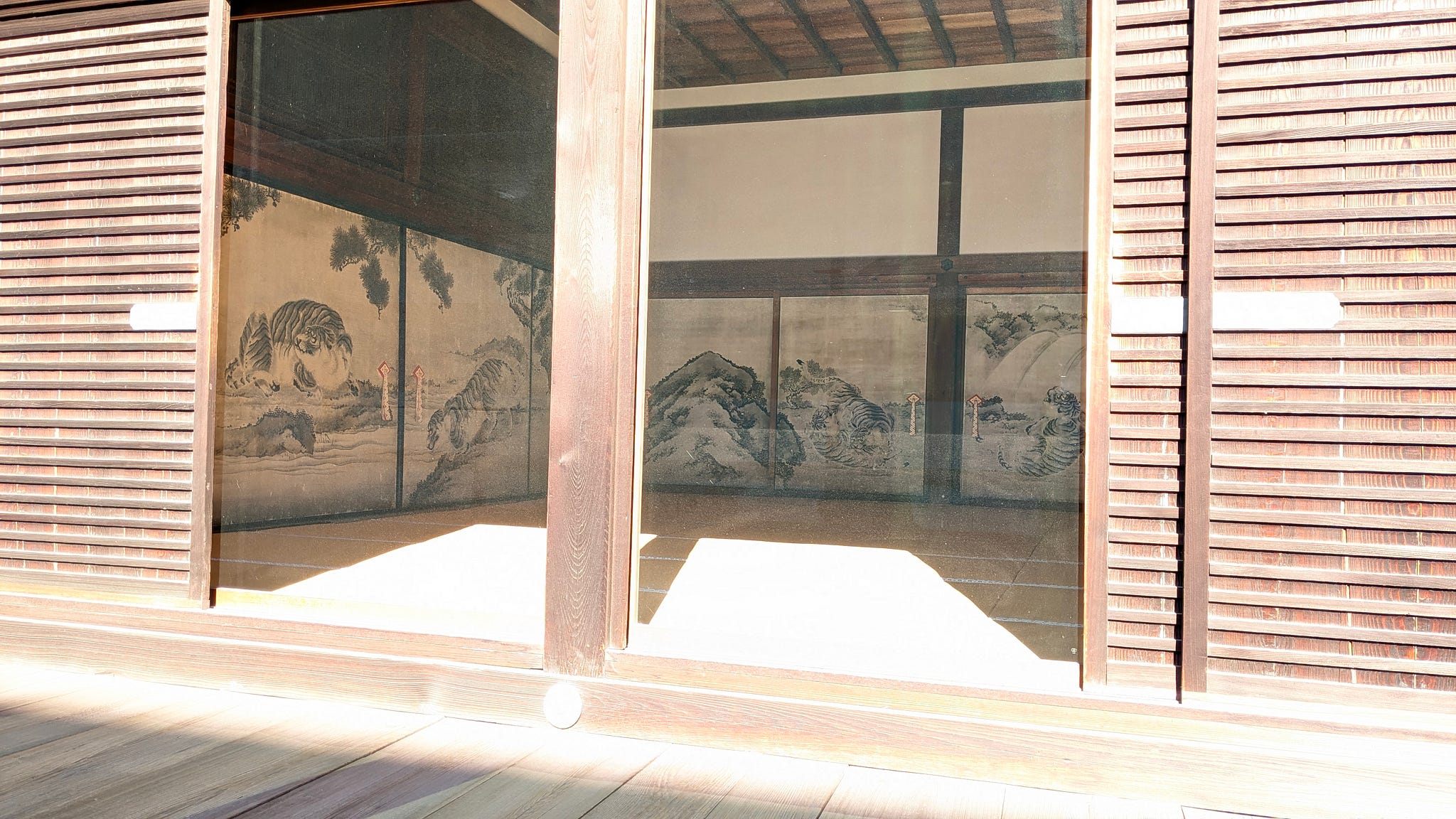
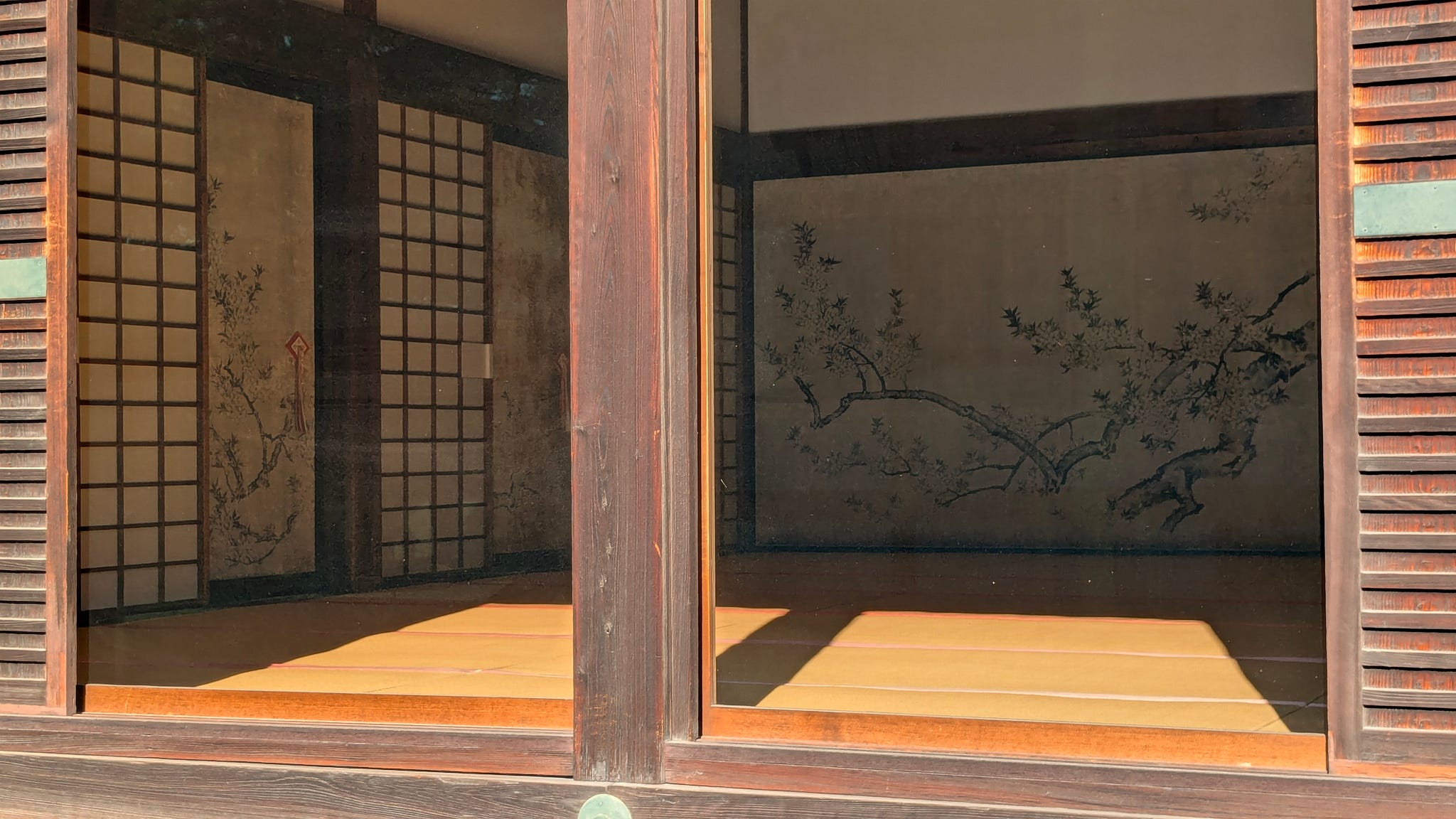
As I walked through the palace grounds, I was fascinated by the Shodaibunoma — the waiting rooms for visitors. In the Imperial court, even the walls spoke of your rank. Guests were assigned to rooms based on their status, each adorned with breathtaking screen paintings:
- The Cherry Blossom Room: For those of lower rank, representing the fleeting beauty of the seasons.
- The Crane Room: For mid-level officials, symbolising longevity and wisdom.
- The Tiger Room: Reserved for the highest-ranking guests, embodying power, strength, and authority. Walking past these rooms, you realise that in Japan, art isn’t just decoration; it is a language of respect and social order.
Kinkakuji: The Golden Reflection
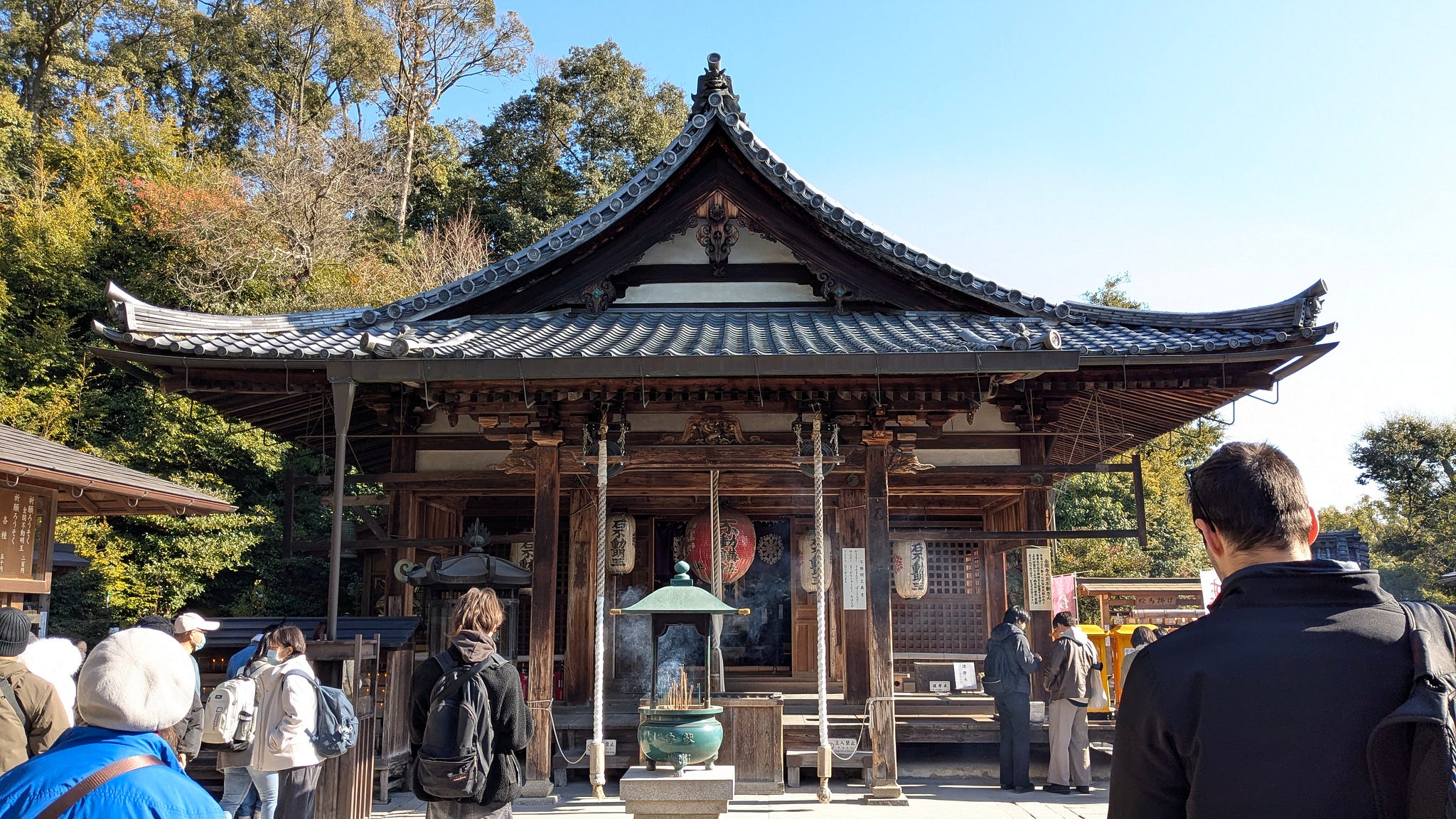
From the understated elegance of the palace, I moved to the dazzling brilliance of Kinkakuji, the famous Golden Pavilion. This Zen temple is a sight that defies words. The top two floors are completely covered in pure gold leaf, standing as a testament to the Muromachi period’s opulence.
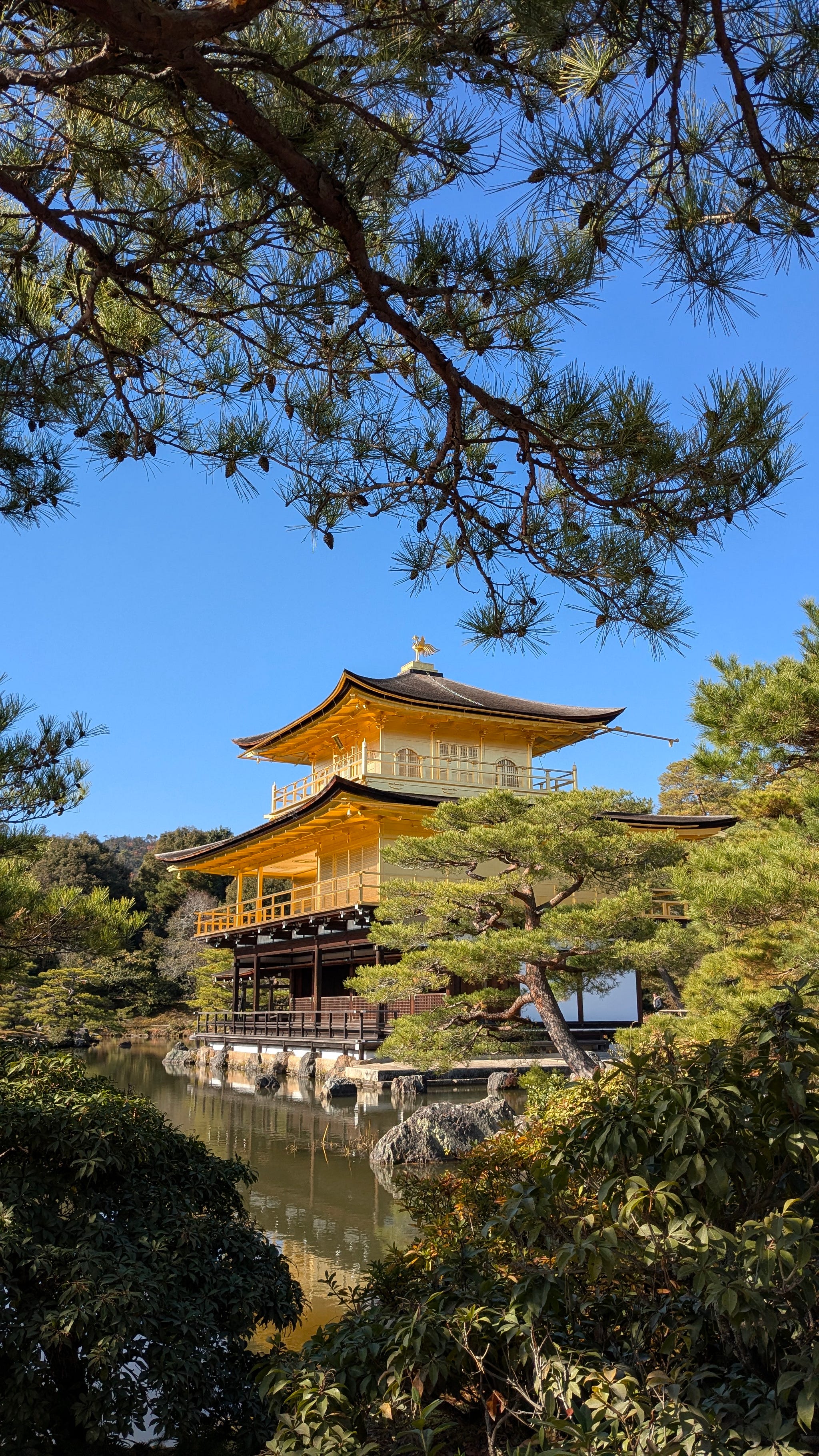
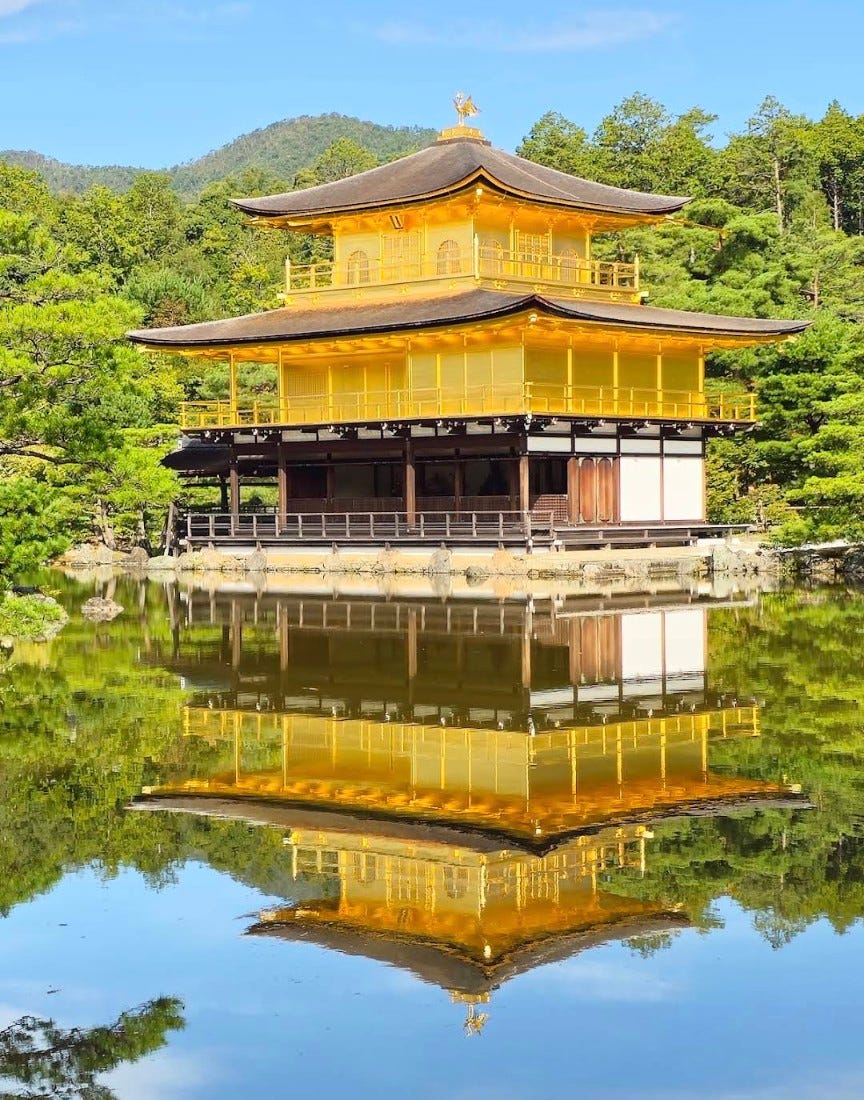
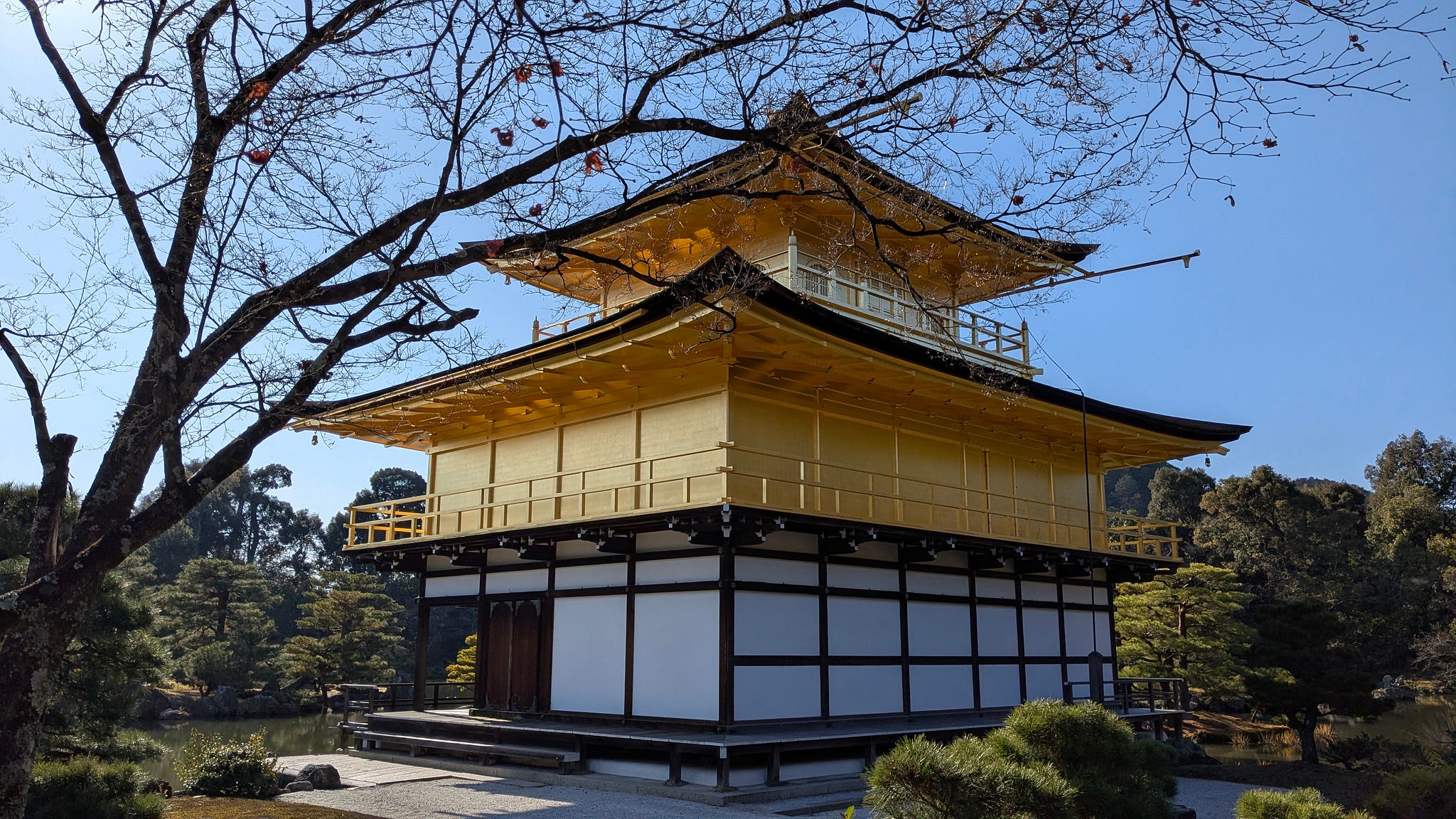
But the true magic isn’t just the building; it’s the Kyoko-chi (Mirror Pond). On a clear day, the temple casts a perfect, shimmering reflection on the water’s surface, creating a symmetry so flawless it feels like a doorway to another world. It is a masterpiece of landscape design, intended to represent a bridge between heaven and earth.
Modern Traditions and Future Promises
As evening approached, I shifted gears from the ancient to the modern, visiting the Aeon Mall. There is a specific kind of joy in Japanese retail — even in a bustling mall, the service remains impeccable. I picked up my first “useful” souvenir: an authentic strap for my Casio wrist watch. Casio is a titan of Japanese engineering, and getting a replacement from an authentic store felt like a small way to carry a piece of Japanese precision on my wrist every day.
Kyoto is a city of endless layers. I didn’t have time to see the Railway Museum or the immersive world of TeamLab, but I’ve decided to see that as a gift rather than a loss. Just like my promise to Fuji-san, these missed spots are anchors for my return. In Japan, you never truly “finish” a city; you only start a lifelong relationship with it.
A journey is truly successful only when it leaves you with more reasons to return than reasons to leave.
Day 7: From Samurai Strongholds to the Infinite Sea
The Warrior’s Fortress — Himeji
To witness the pinnacle of Japanese feudal architecture, I boarded the Nozomi early this morning — the fastest of all the Shinkansen. Slicing through the landscape from Kyoto to Himeji, it felt as though the bullet train was a time machine, transporting me from the high-tech present to the stoic past of Himeji Castle, the legendary “White Heron.”
Himeji is a masterpiece of clever engineering and hidden stories. I climbed through its six stories, struck by the massive wooden pillars and the legend of “The Old Widow’s Stone.” When materials were scarce during construction, a poor lady offered her only grinding stone — the tool of her livelihood — to the King. He accepted it with gratitude, weaving her humble sacrifice into the fortress’s very strength.
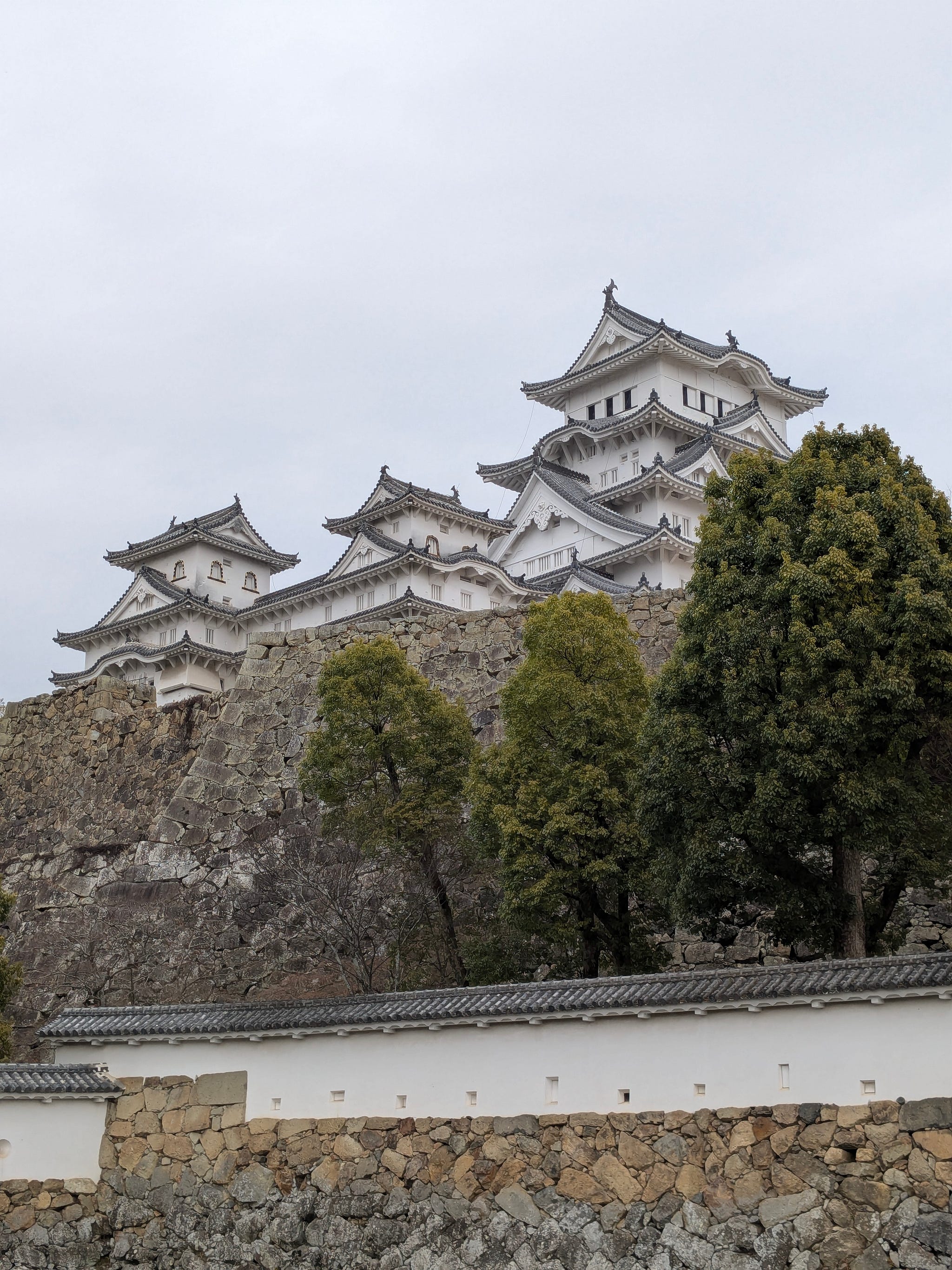
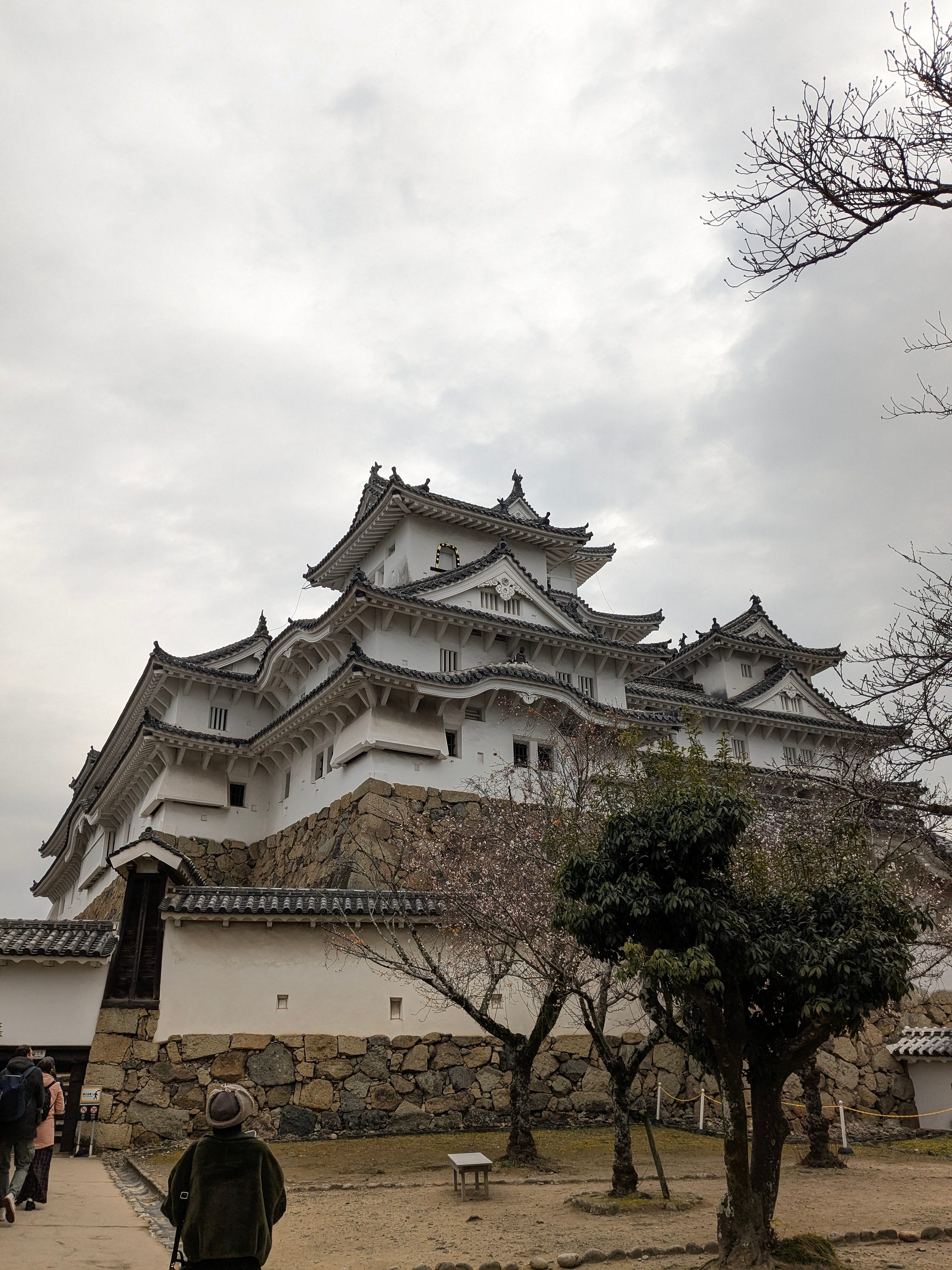
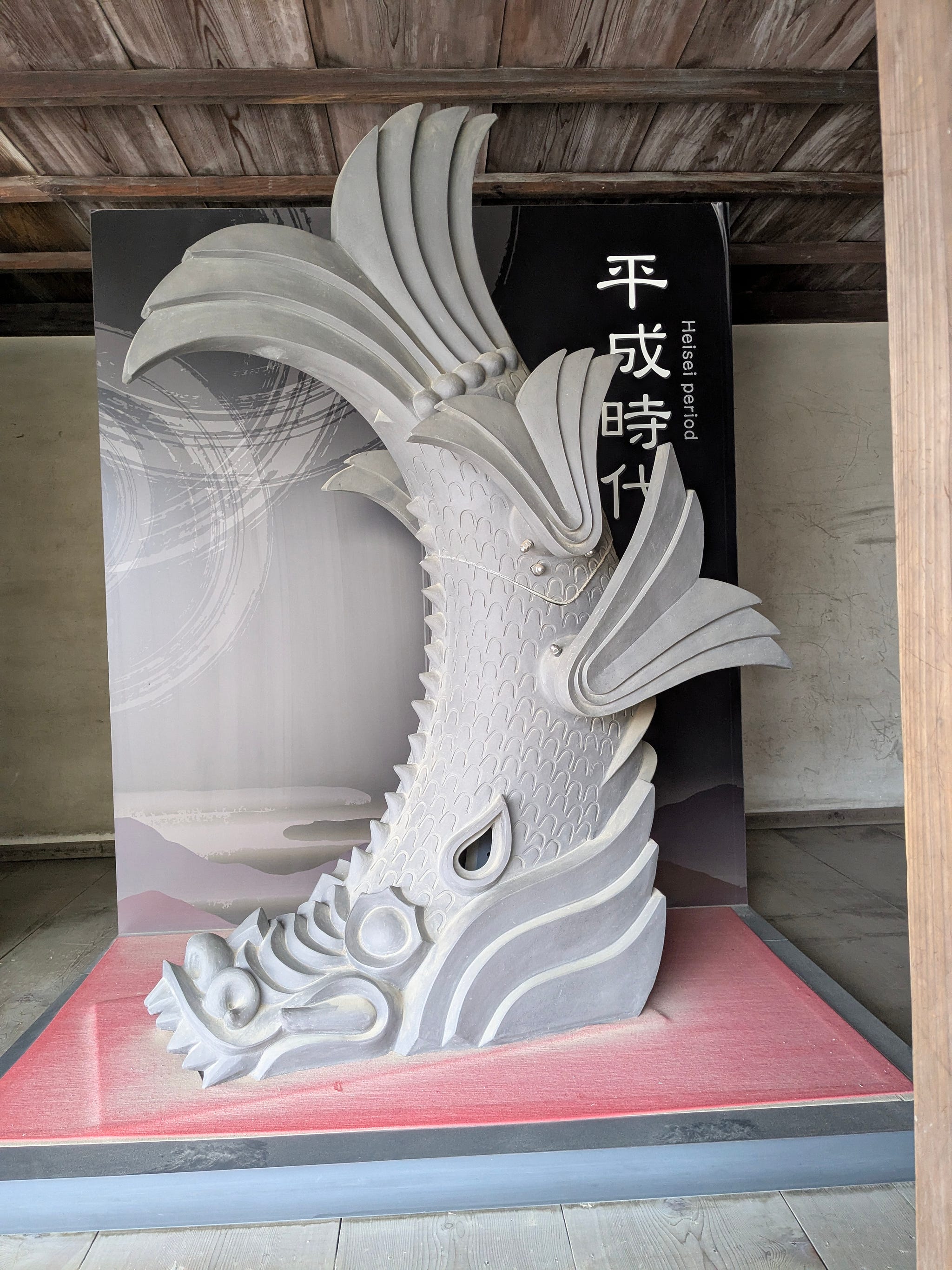
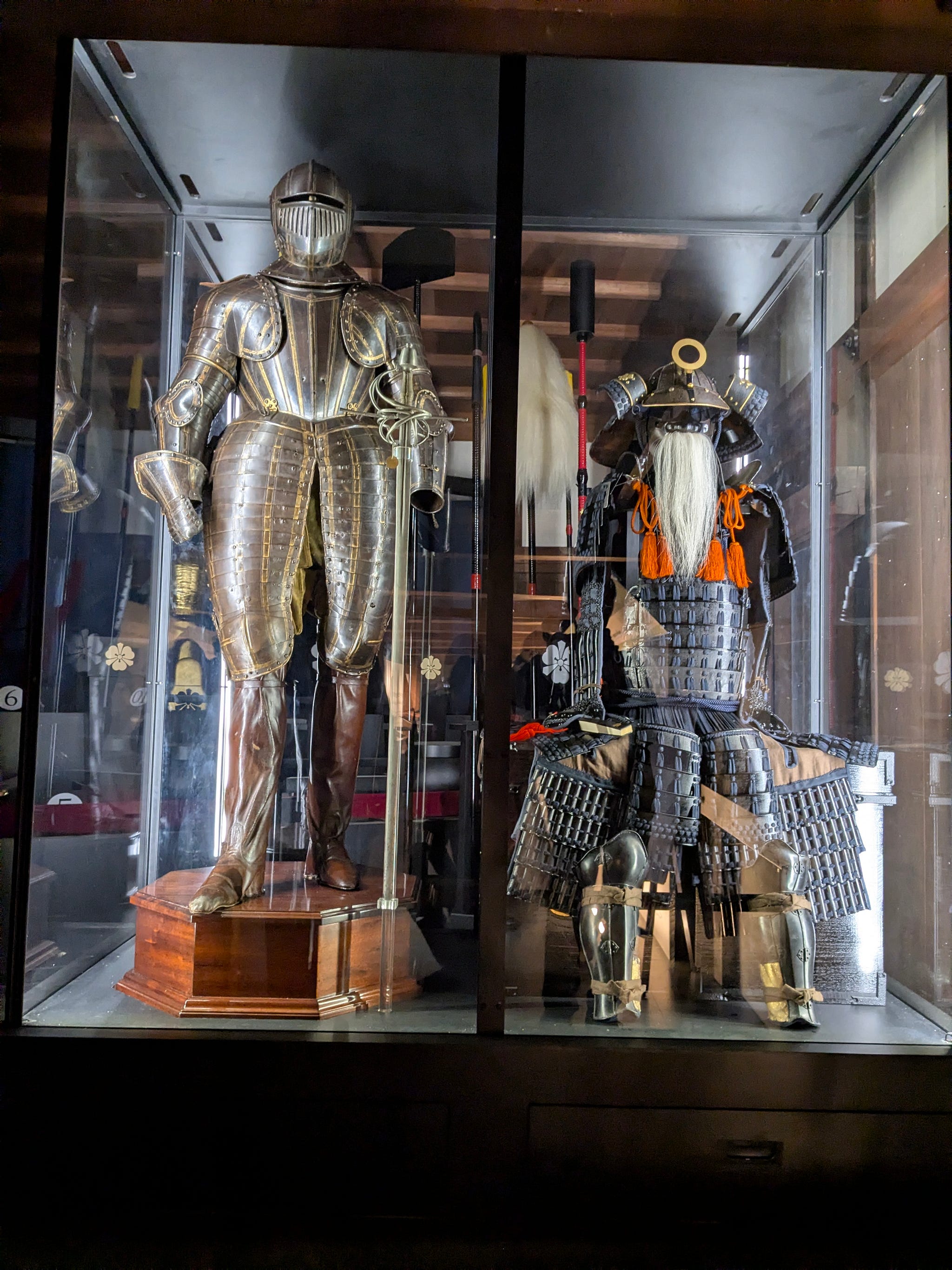
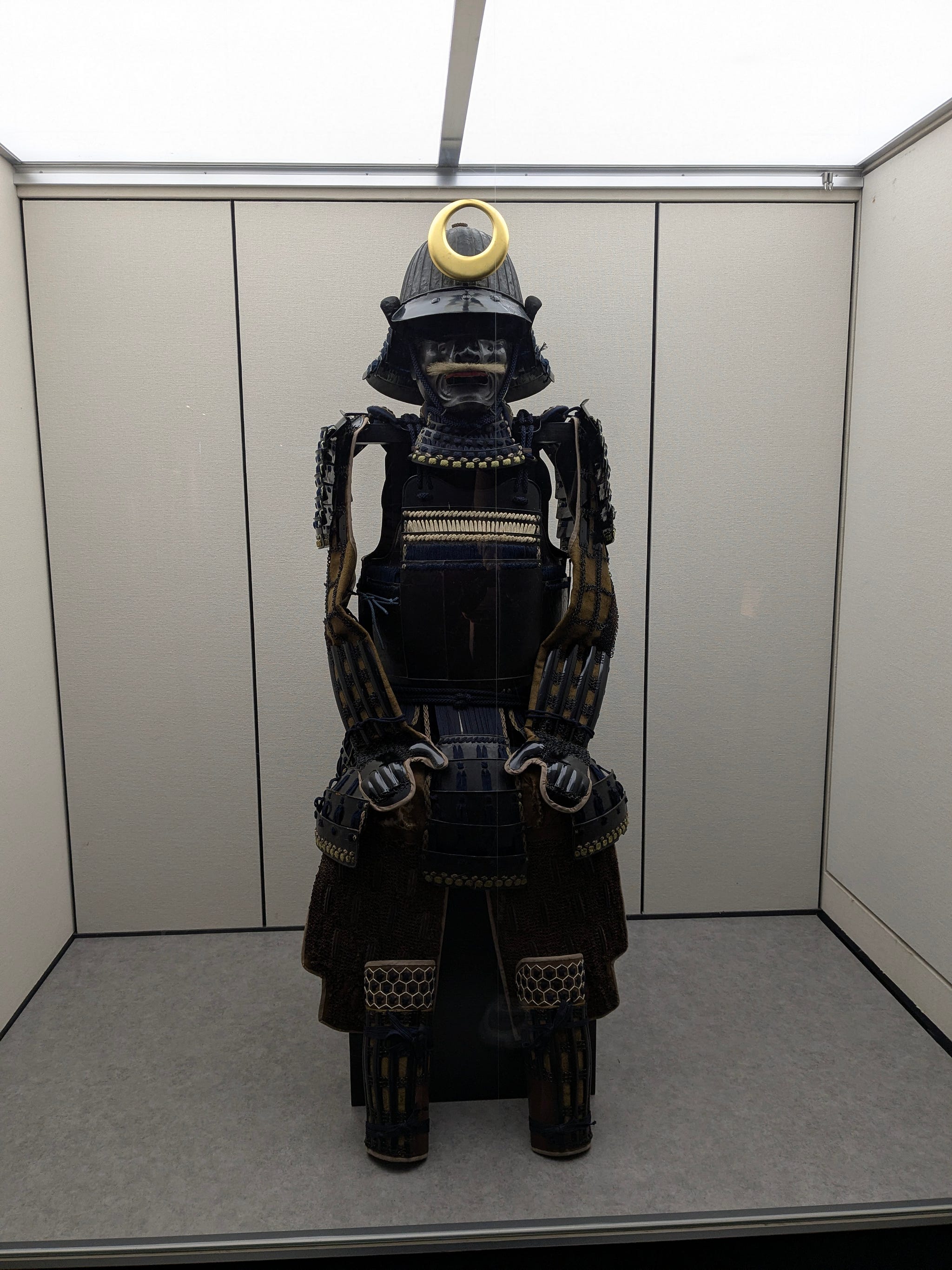
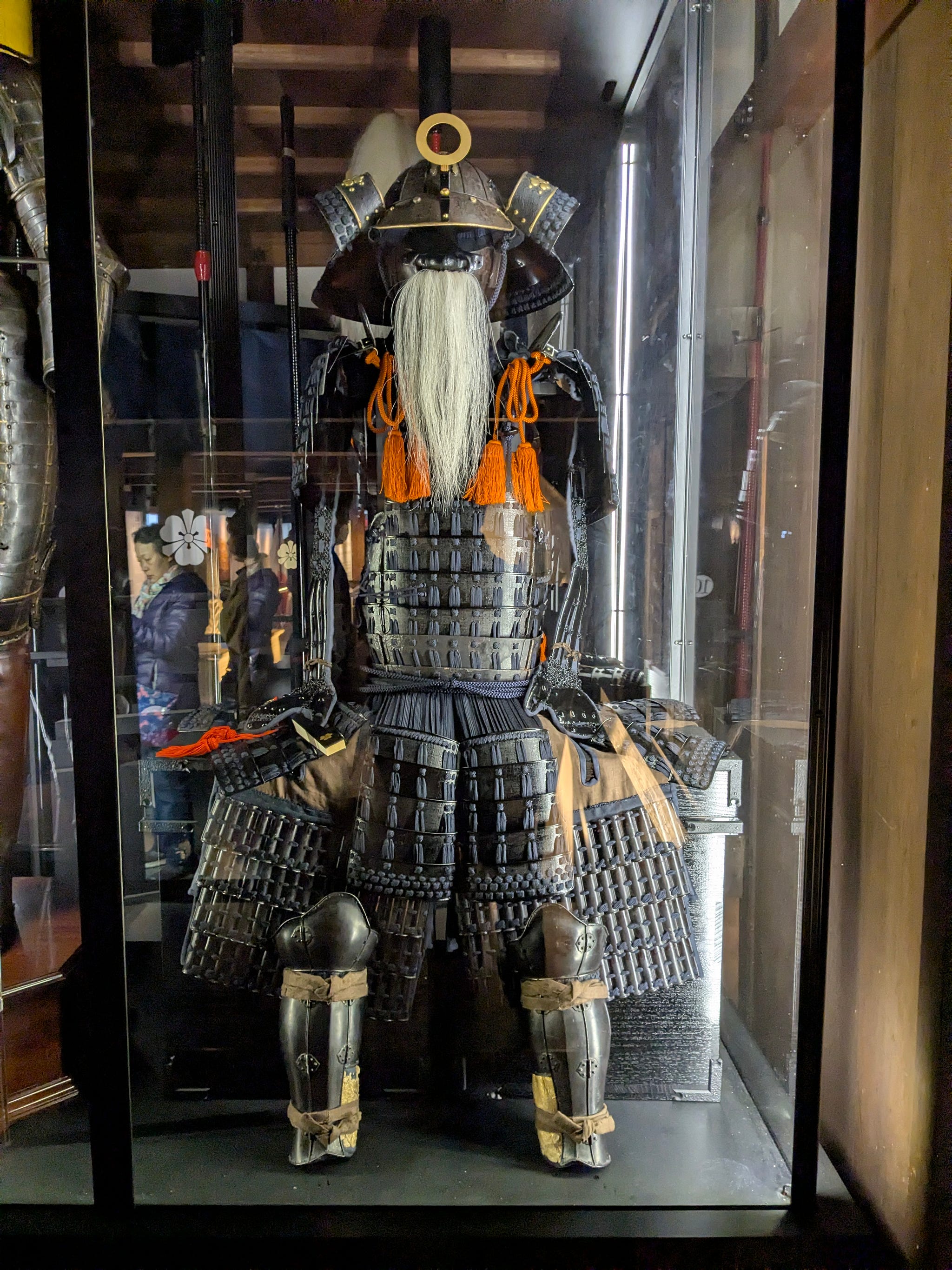
The castle itself is designed with the soul of a warrior; its silhouette resembles a Samurai standing at attention. Inside, I explored the watch rooms and the specialised racks for Katana storage, imagining a time when these halls echoed with the discipline of the elite. As a Pisces, I was especially delighted to see the Shachihoko — mythical fish-shaped roof guardians meant to protect the castle from fire. It felt like a personal nod from the universe: even a fortress needs the protective spirit of the fish.
The Precision of Kindness
Returning from the stoic towers of Himeji, I arrived back in Osaka to prepare for another “first”: an overnight voyage to Kyushu (an island of Japan). Navigating a massive city to find a specific ferry dock could be daunting, but the Japanese spirit of Omotenashi (hospitality) made it effortless.
The lady at the JR information centre guided me with surgical precision. She handed me a map, hand-marked with every transfer and station. It was so perfect that as I moved through the Osaka train network, I didn’t feel like a tourist; I felt like a local who had walked this route a thousand times. In Japan, they don’t just give you directions; they give you confidence.
The Sunflower at Sea
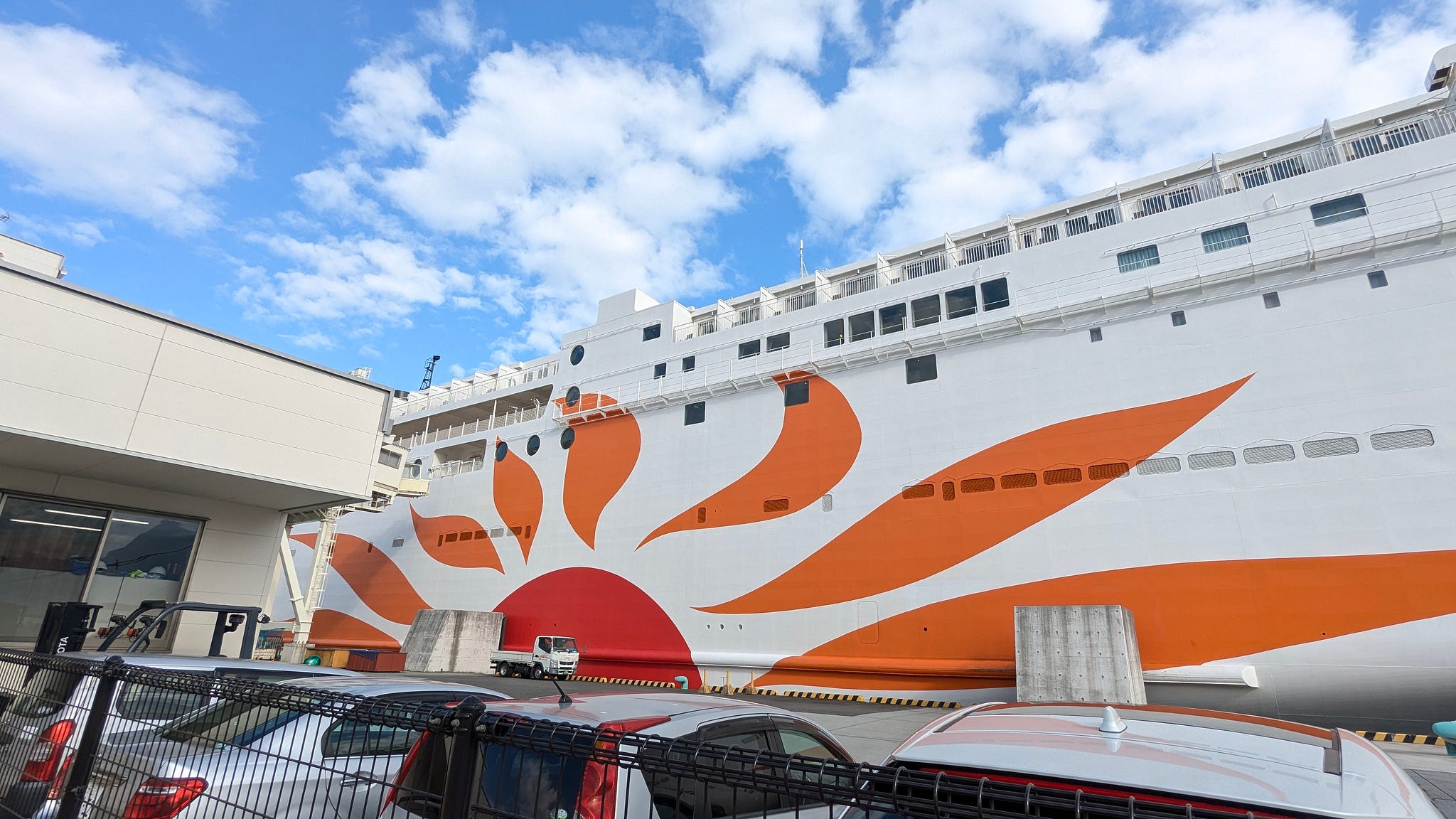
At exactly 6:30 PM — because in Japan, time is a sacred promise — boarding began for the Sunflower Ferry.
Stepping inside was like entering a floating grand hotel. I had opted for a private suite, and as I walked onto my personal balcony, the scale of the experience hit me. To my left, the city lights of Osaka began to shrink; to my right, the vastness of the Seto Inland Sea opened its arms.
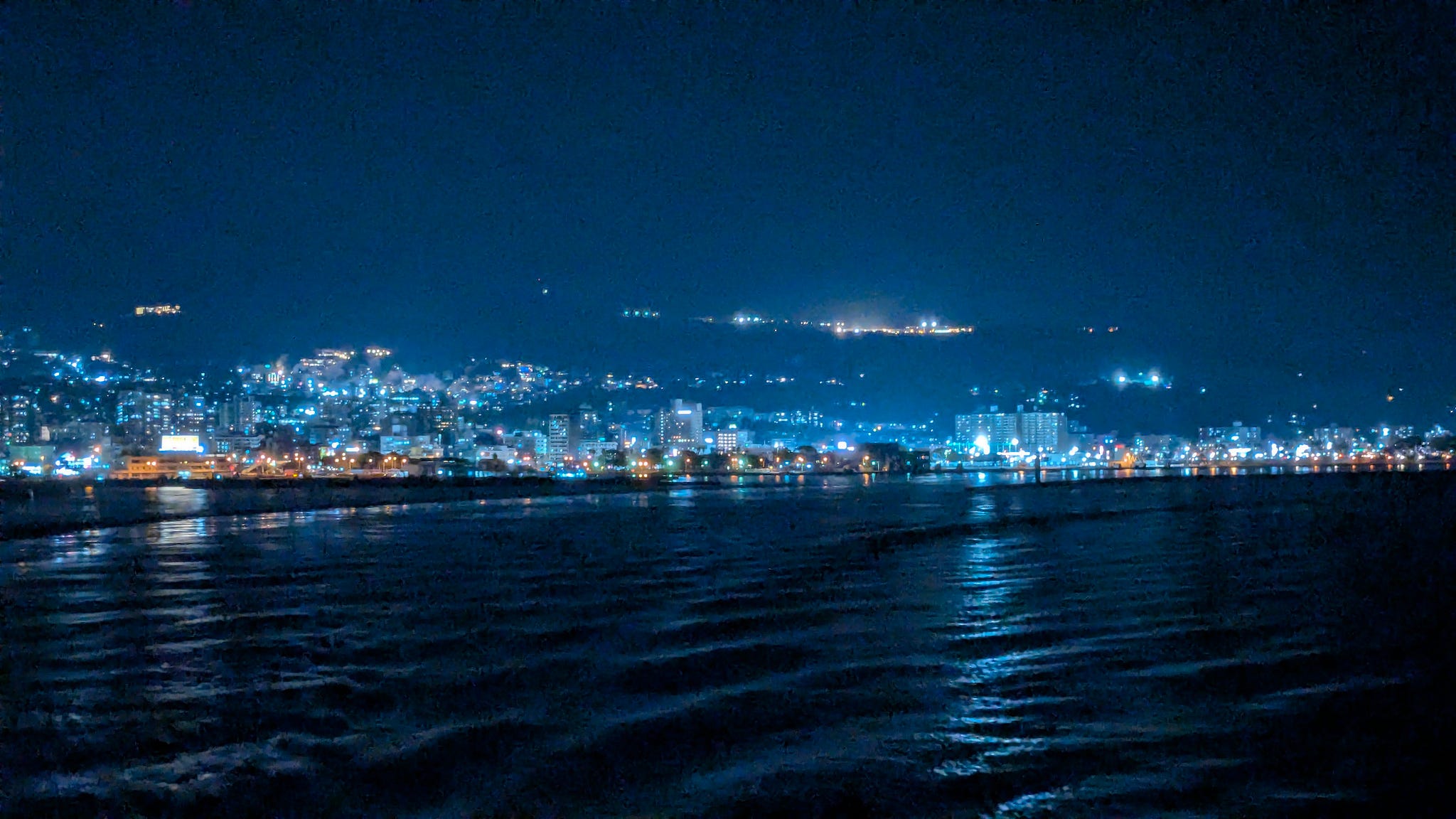
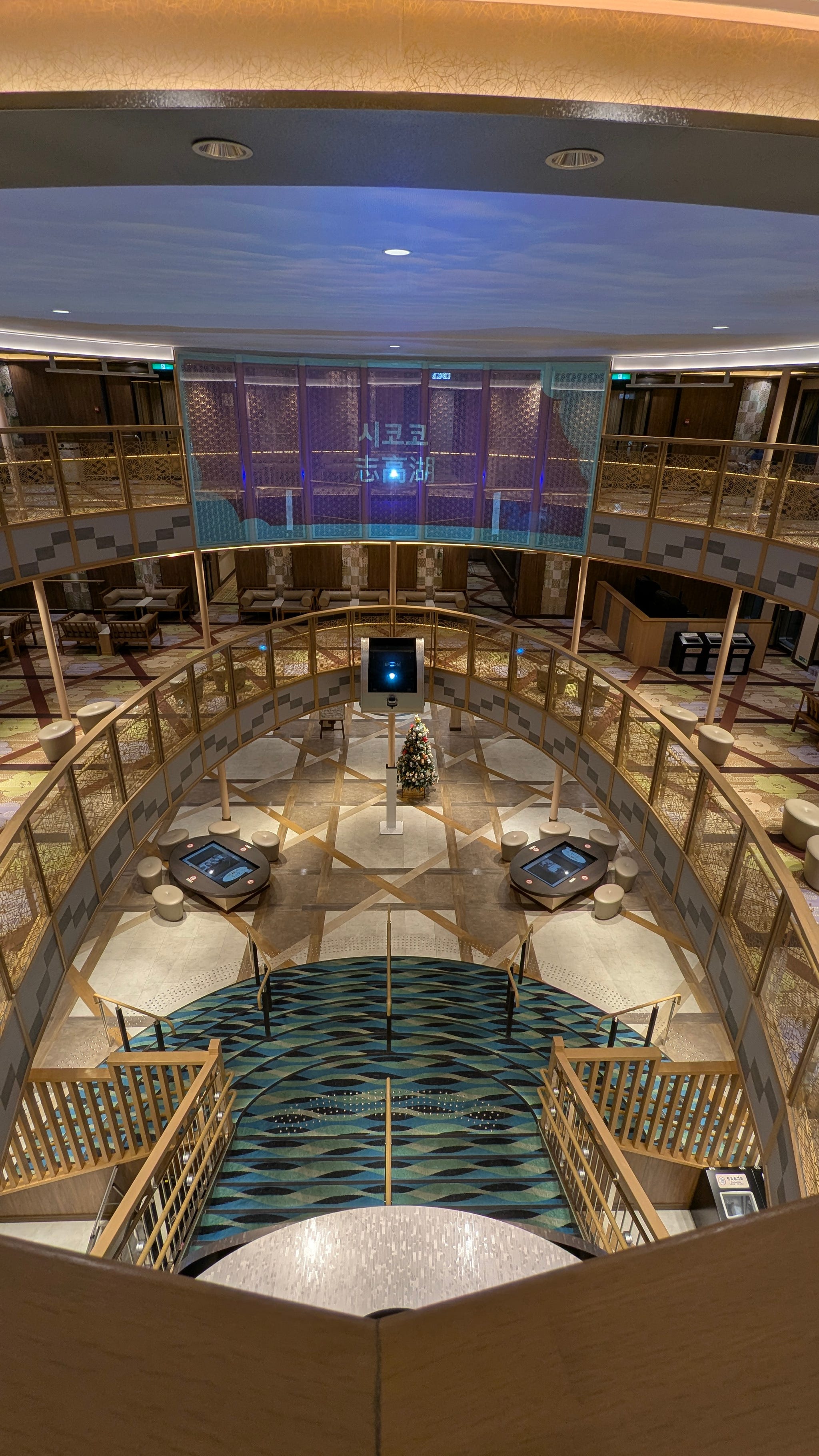
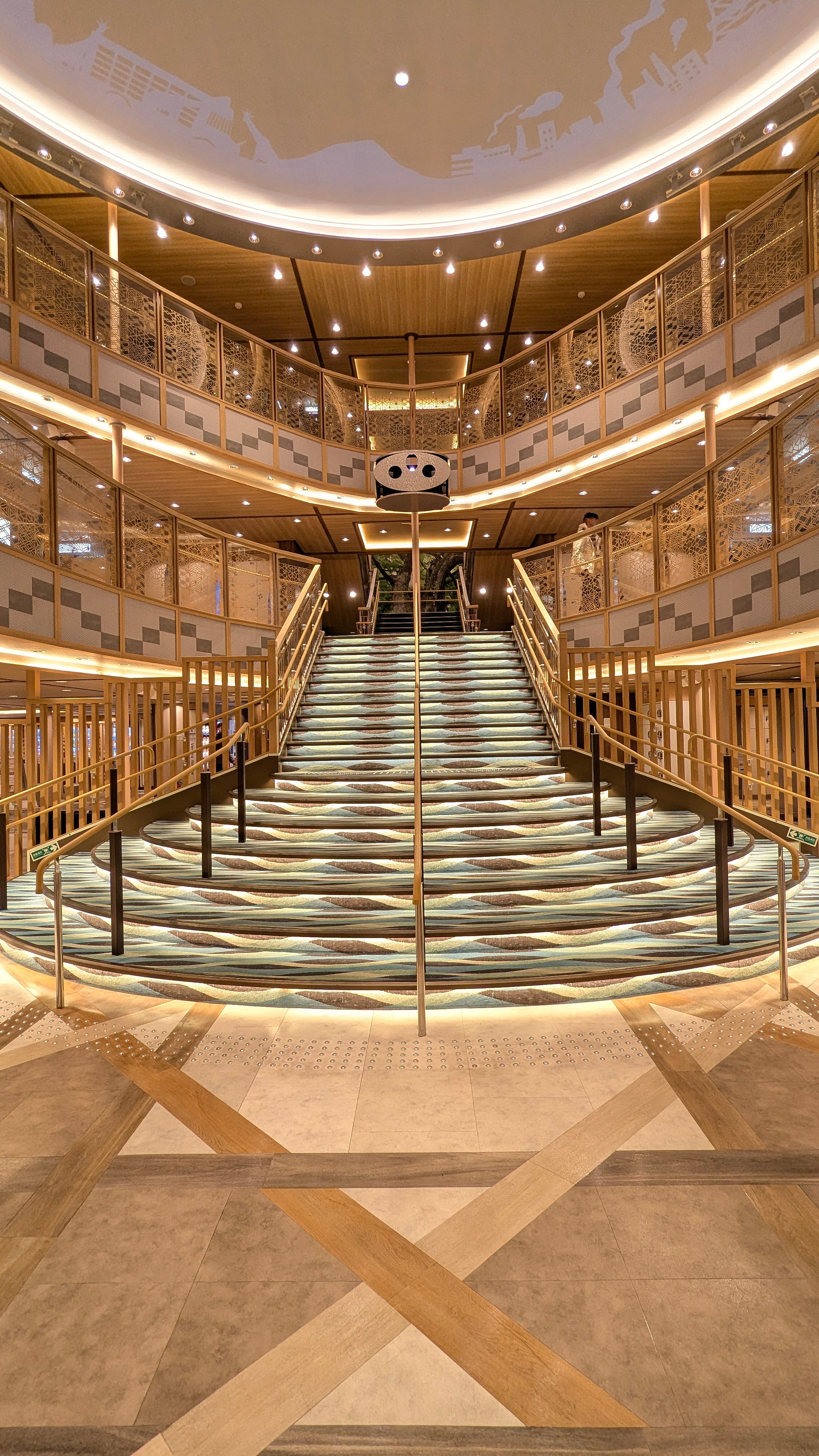
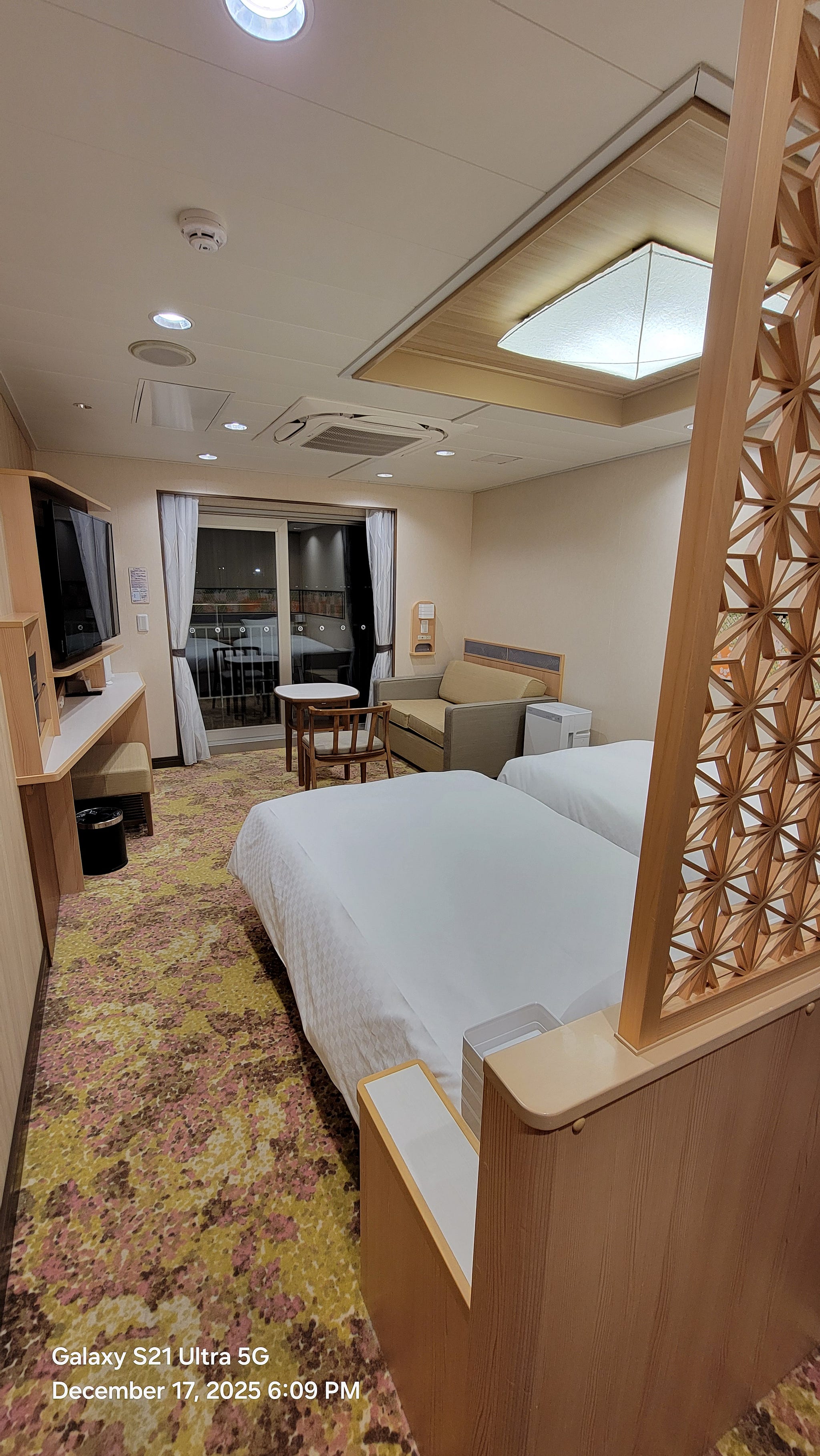
I spent hours on the observation deck, dwarfed by the massive machinery of the ship. There is a humility in standing on a man-made vessel, realising that we have built such iron giants to “conquer” the mighty oceans. As we sliced through the dark water, I found myself leaning over the railing, playfully scanning the waves for mermaids (hey, if there are fish-gods on castle roofs, anything is possible!).
Between the deep indigo of the sea and the limitlessness of the sky, my mind drifted to the very nature of existence. It is rare to find a silence that is loud enough to make you think about the whole universe, but the ferry provided exactly that. It was a meditative bridge between two worlds.
Day 8 — Arrival in the Hells
The Warmth of Arrival
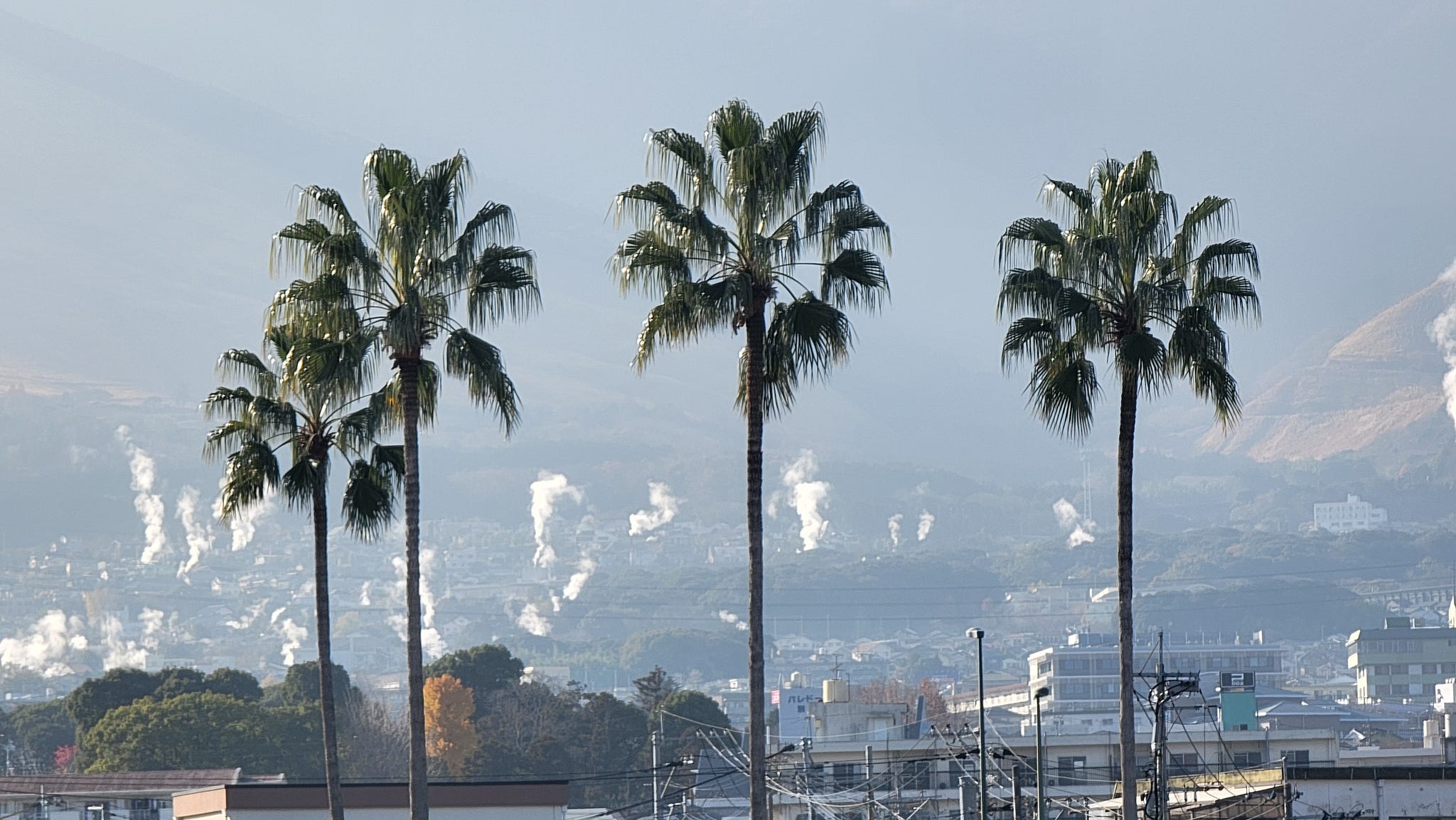
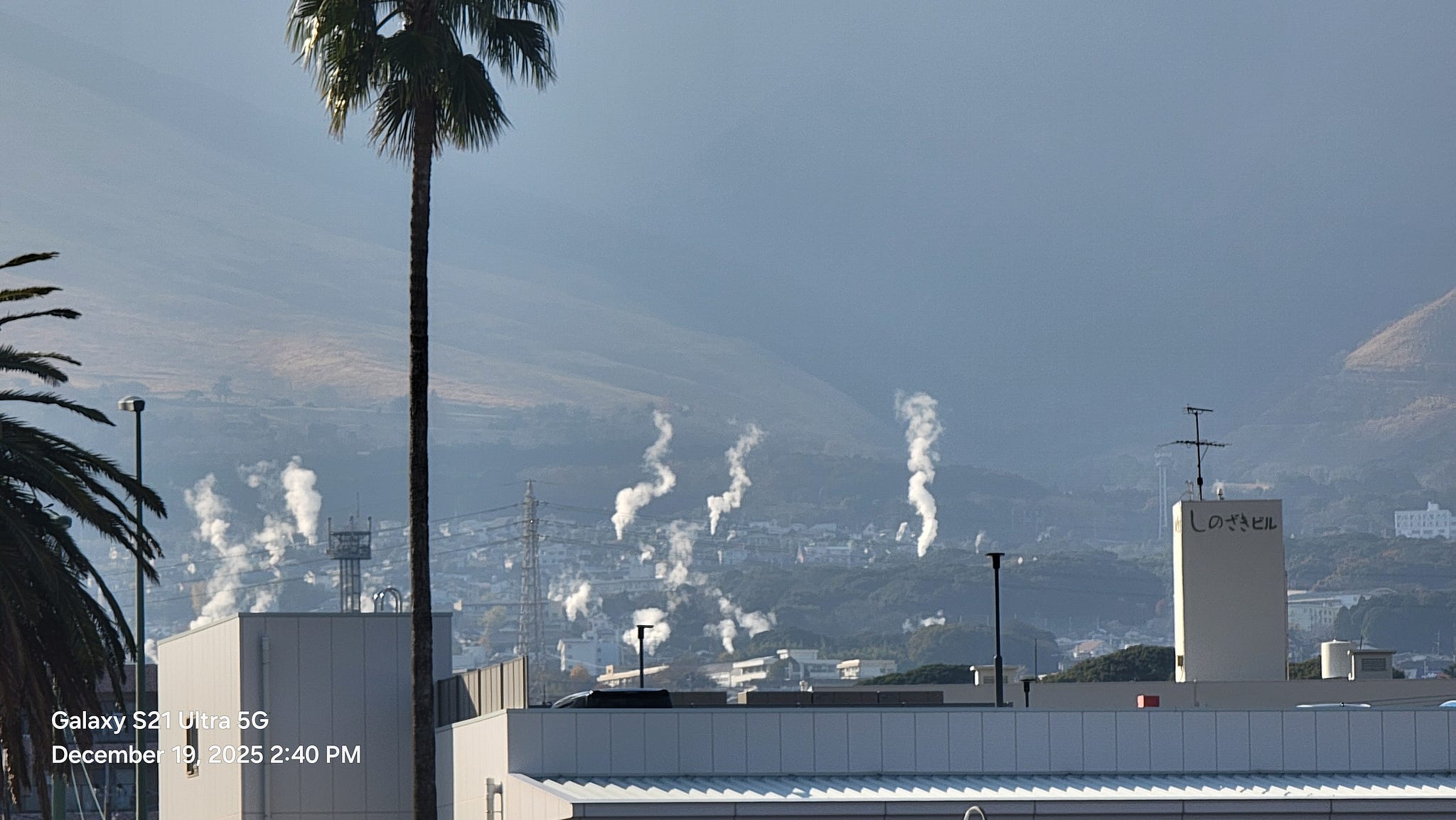
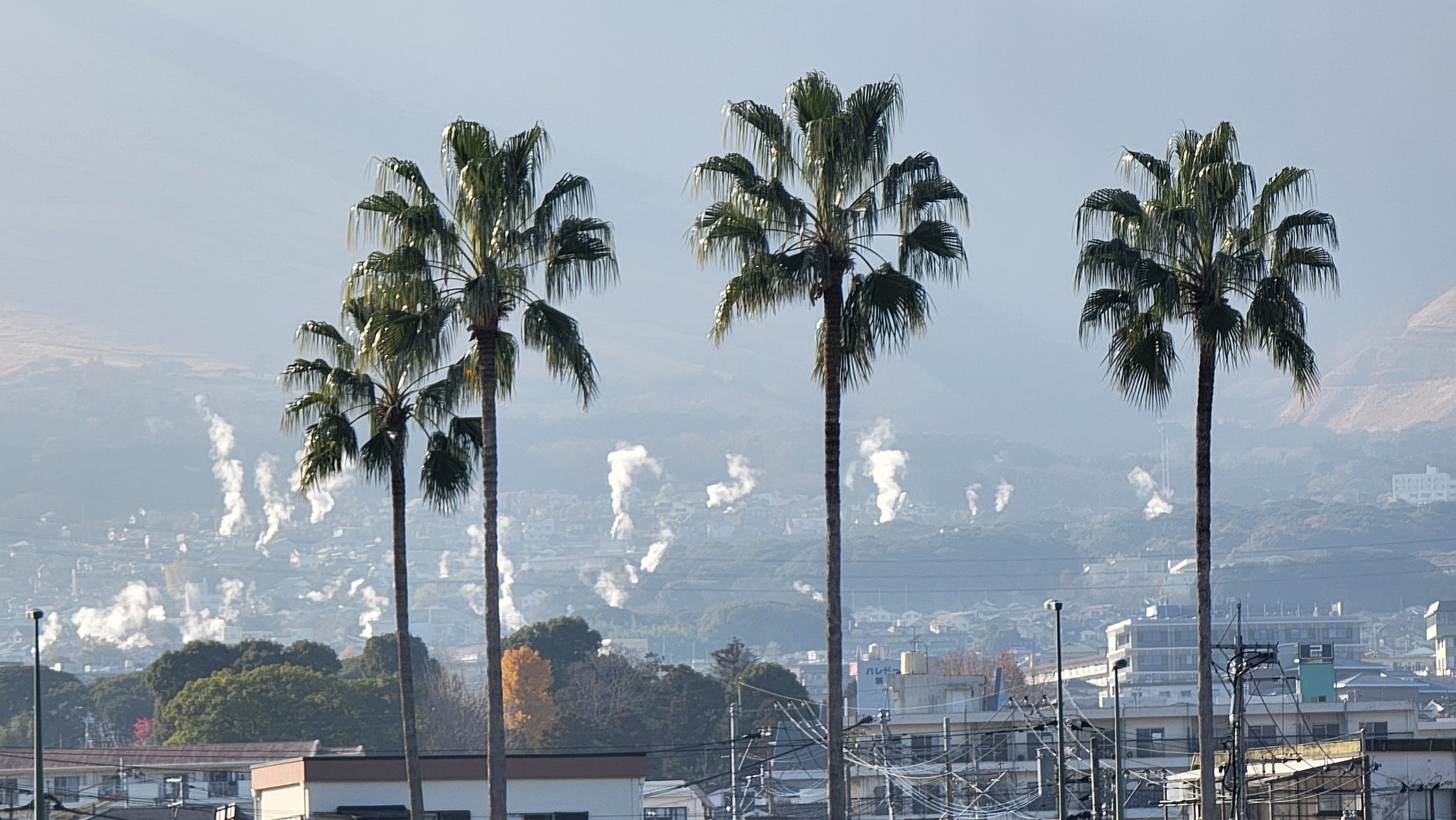
I arrived in Beppu early, refreshed from a morning bath on the cruise, and headed straight to my hotel. Even though check-in wasn’t until 2:00 PM, the legendary Japanese hospitality didn’t skip a beat. They took my luggage without hesitation, freeing me to explore the “City of Hells” unburdened.
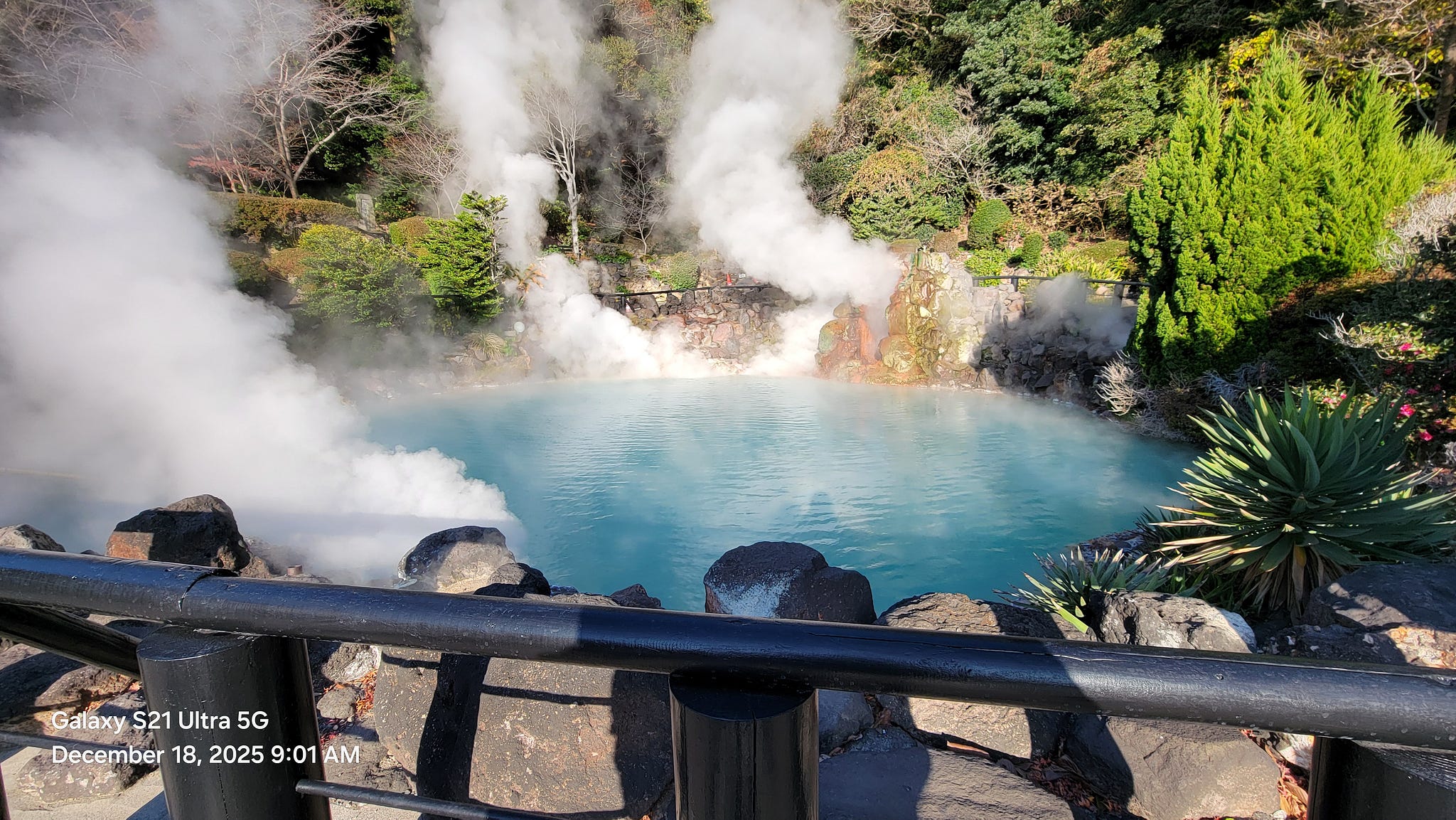
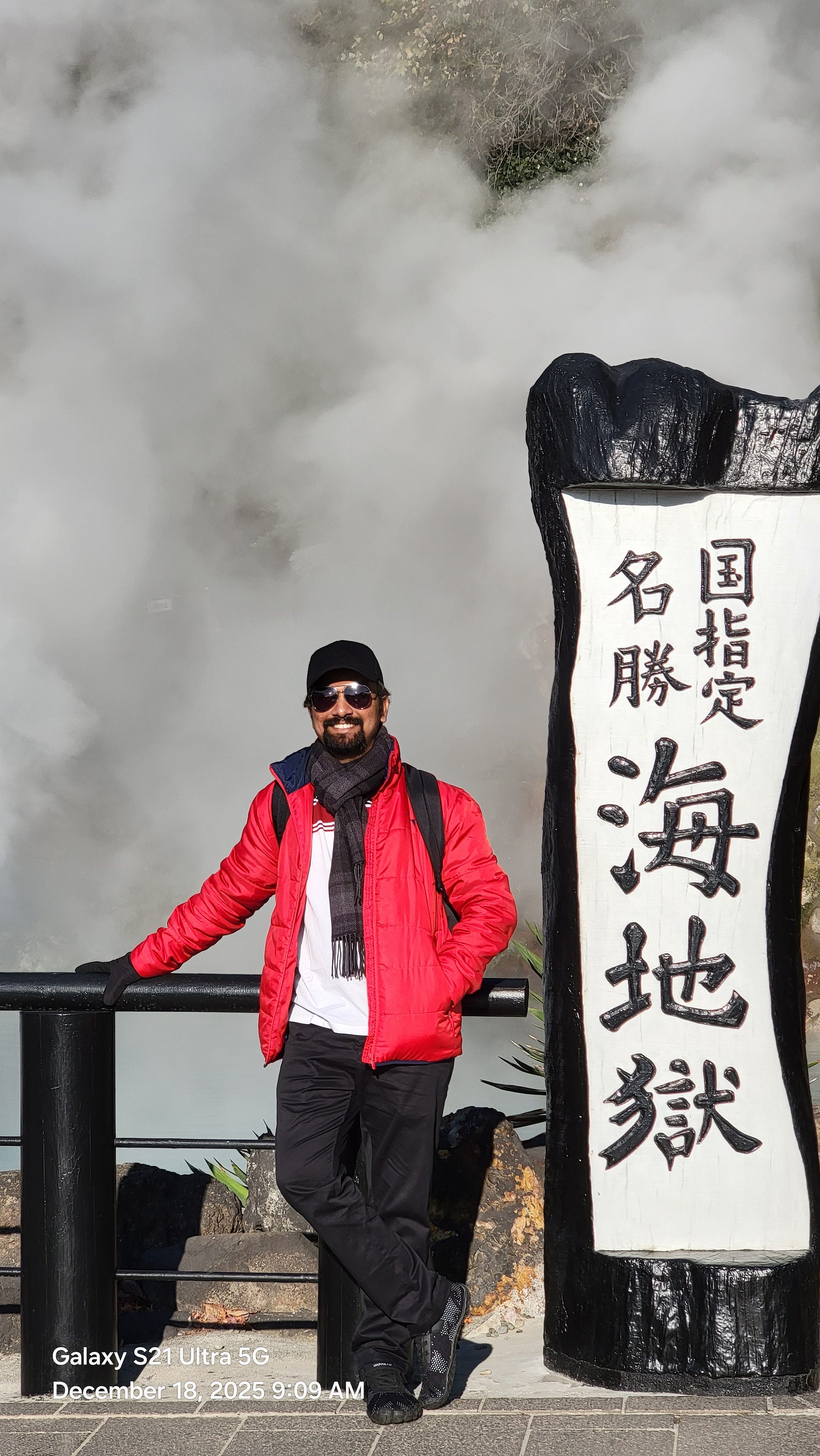
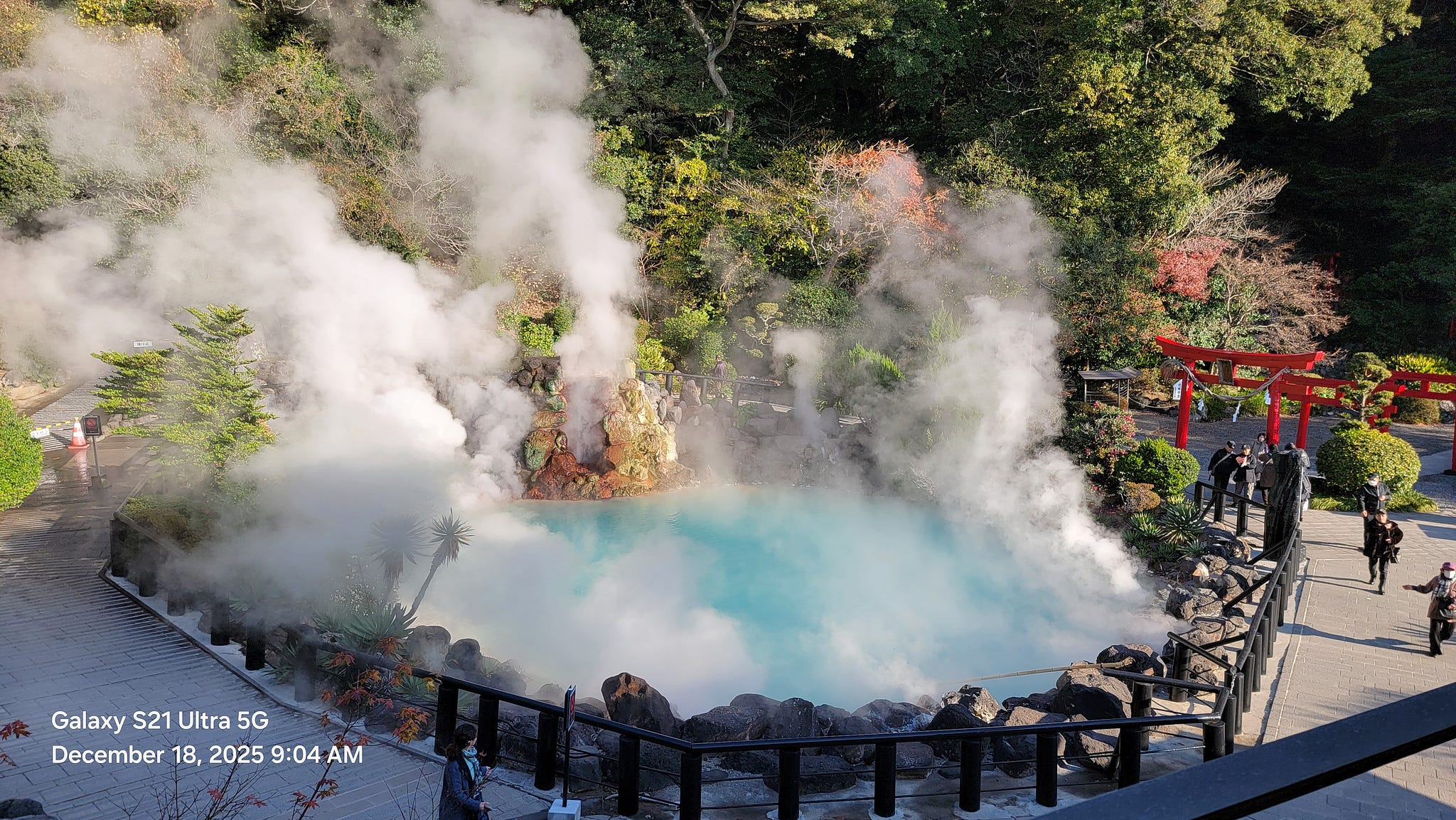
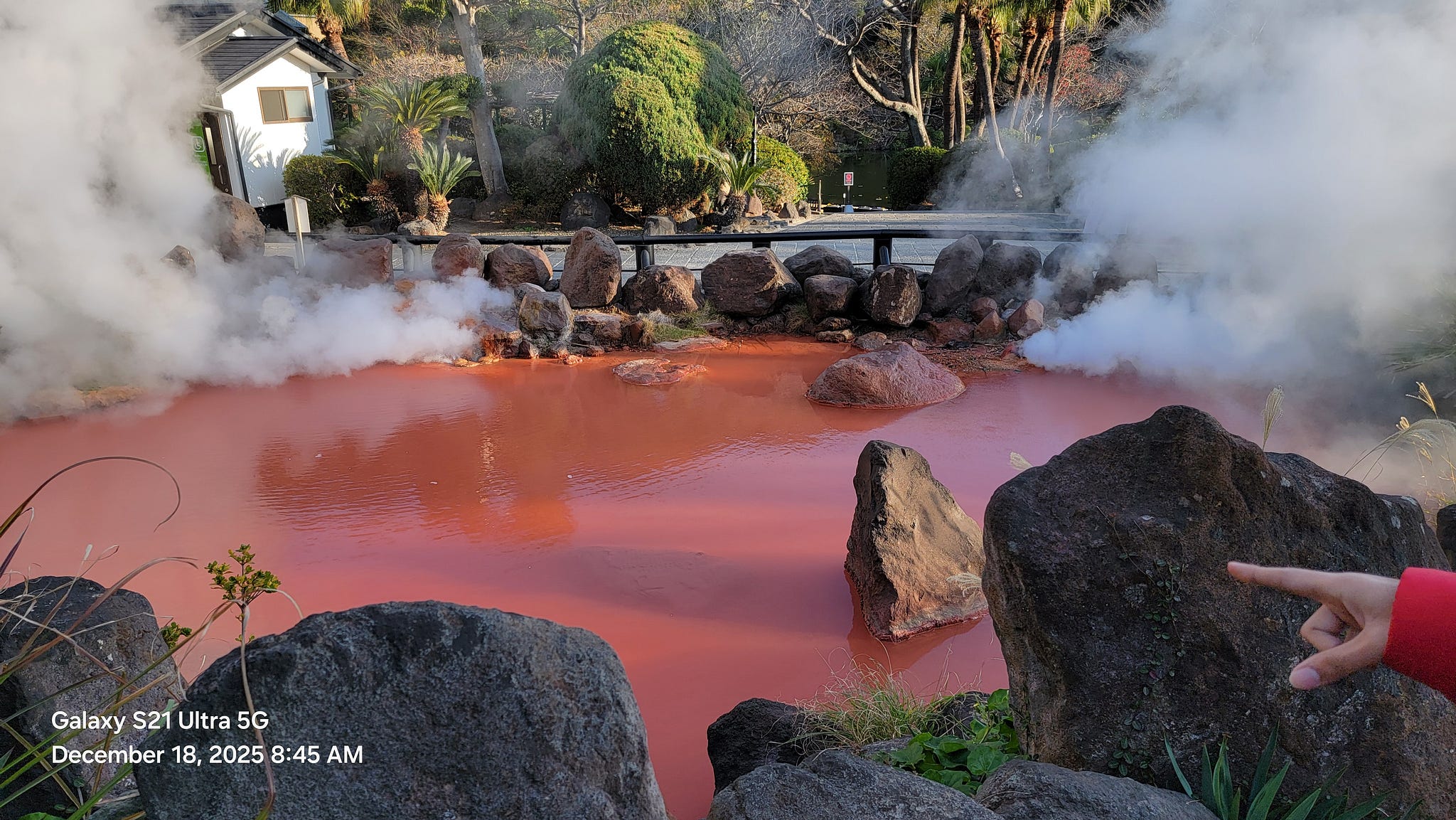
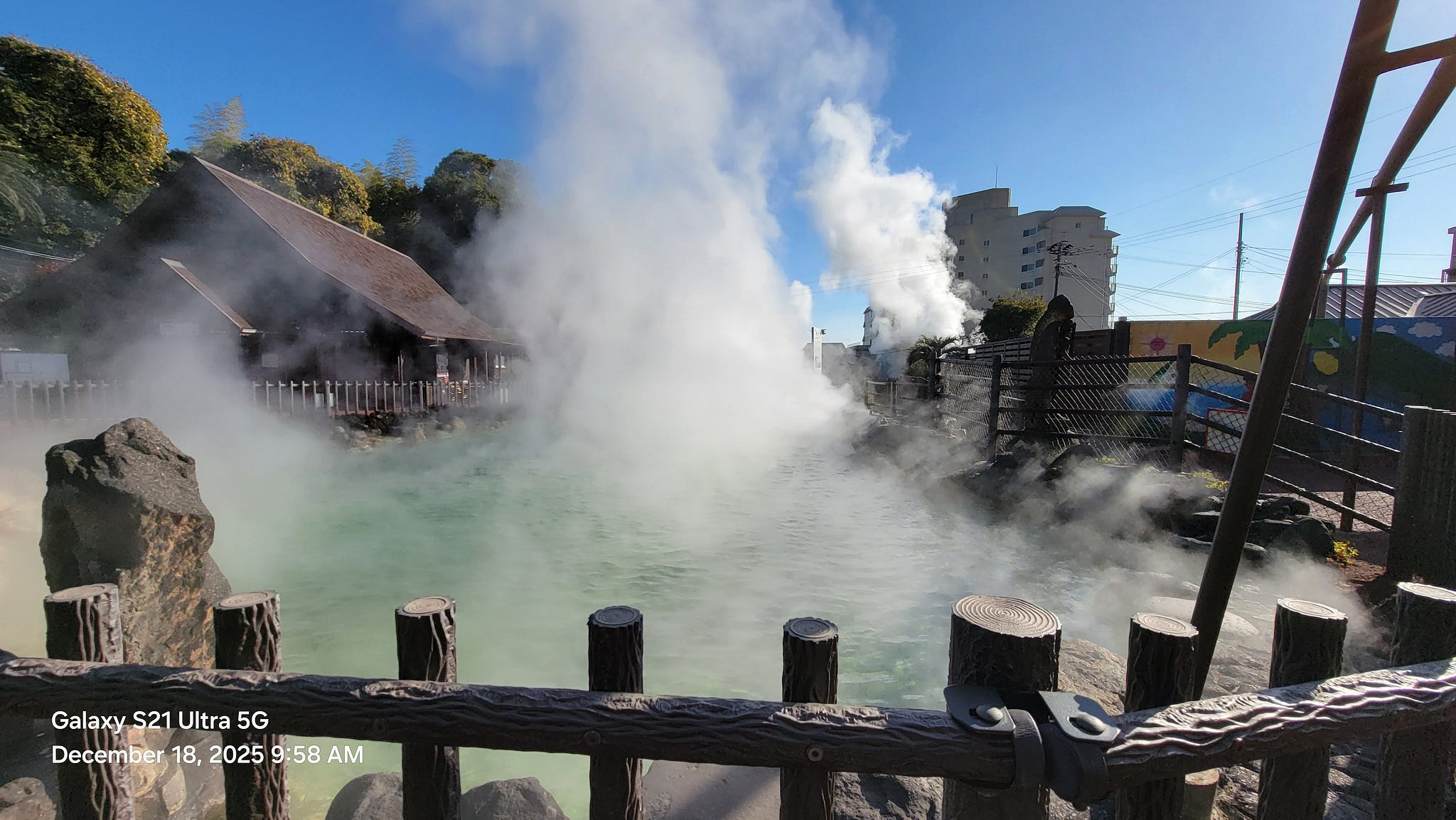
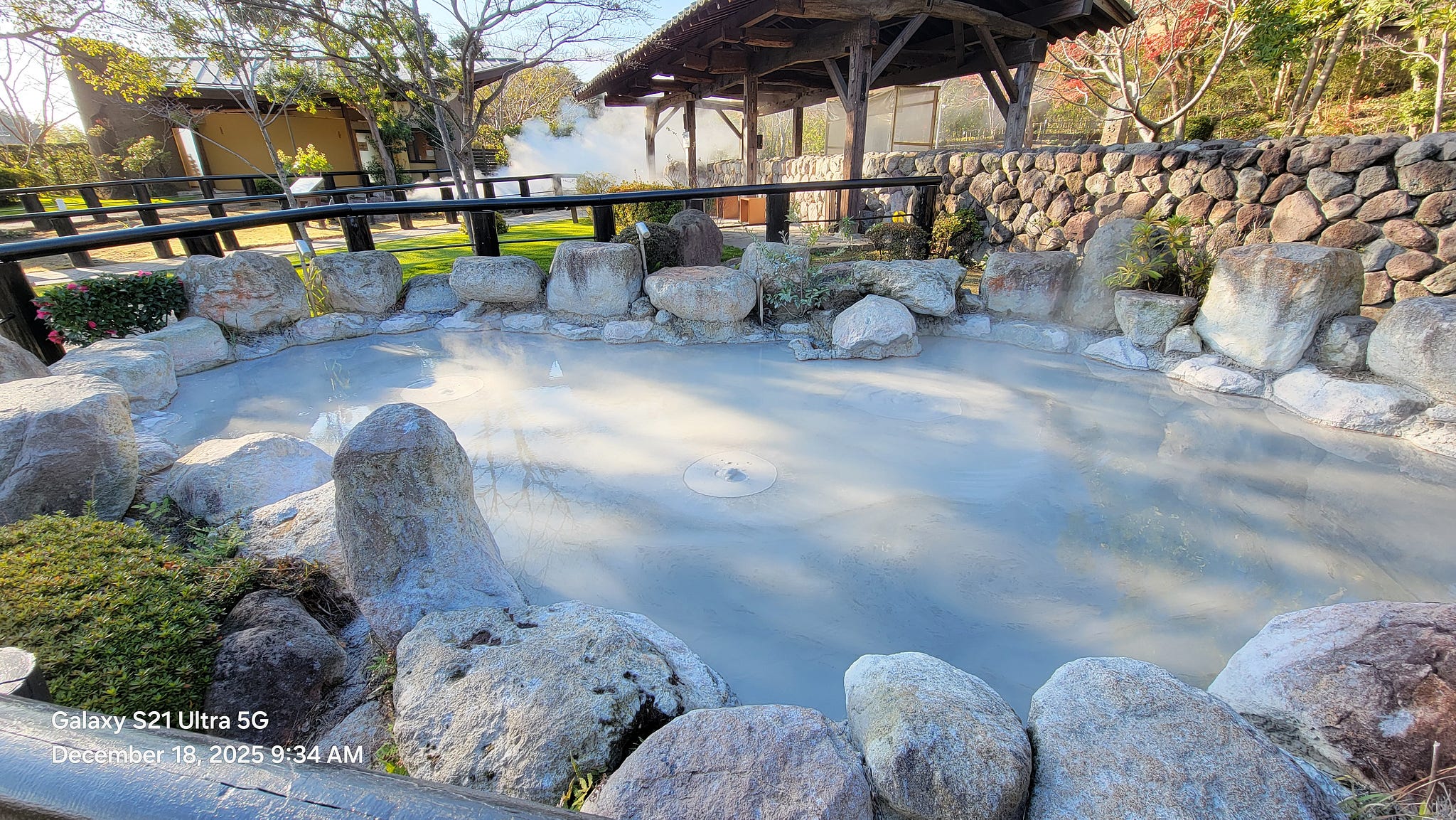
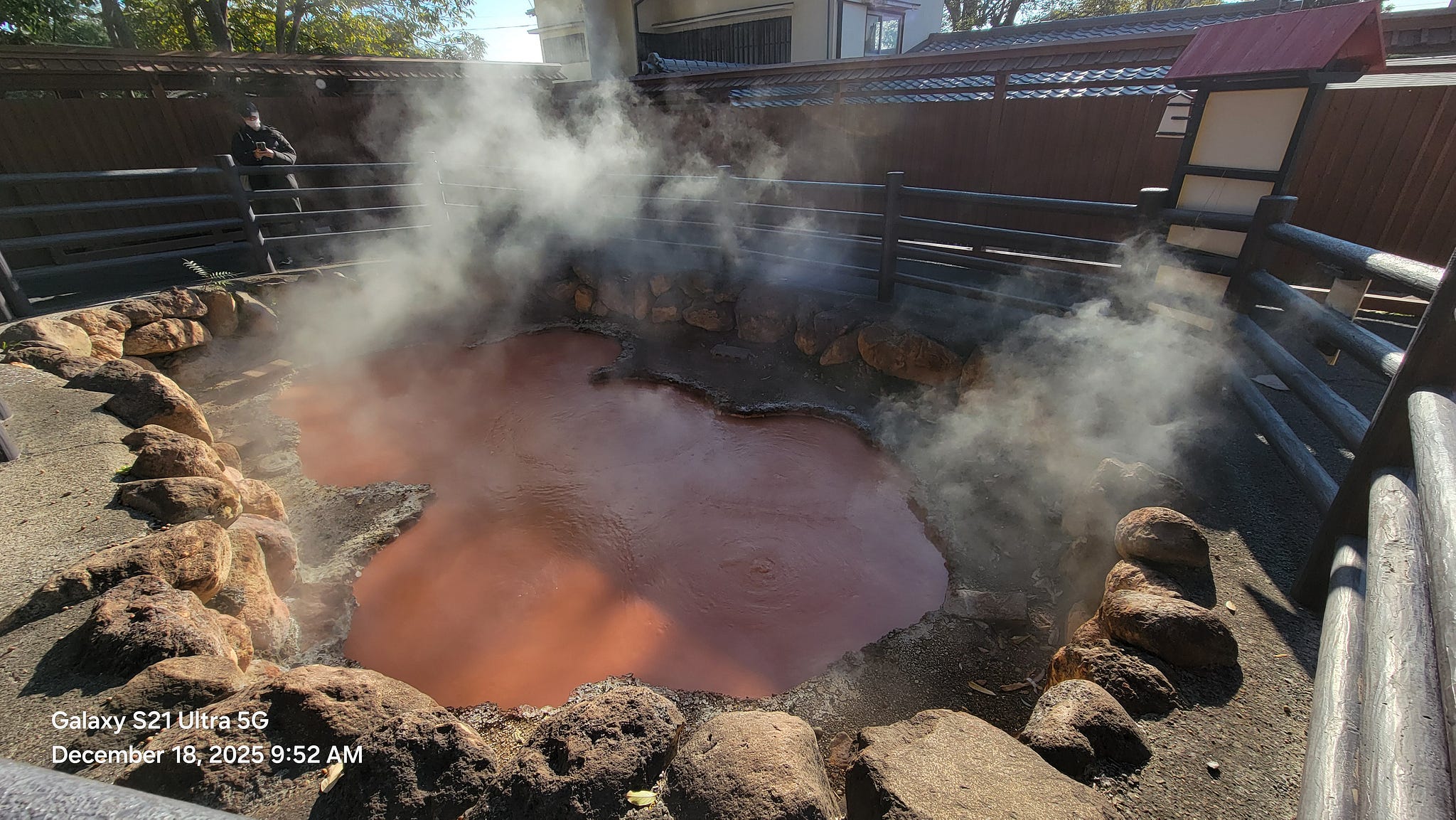
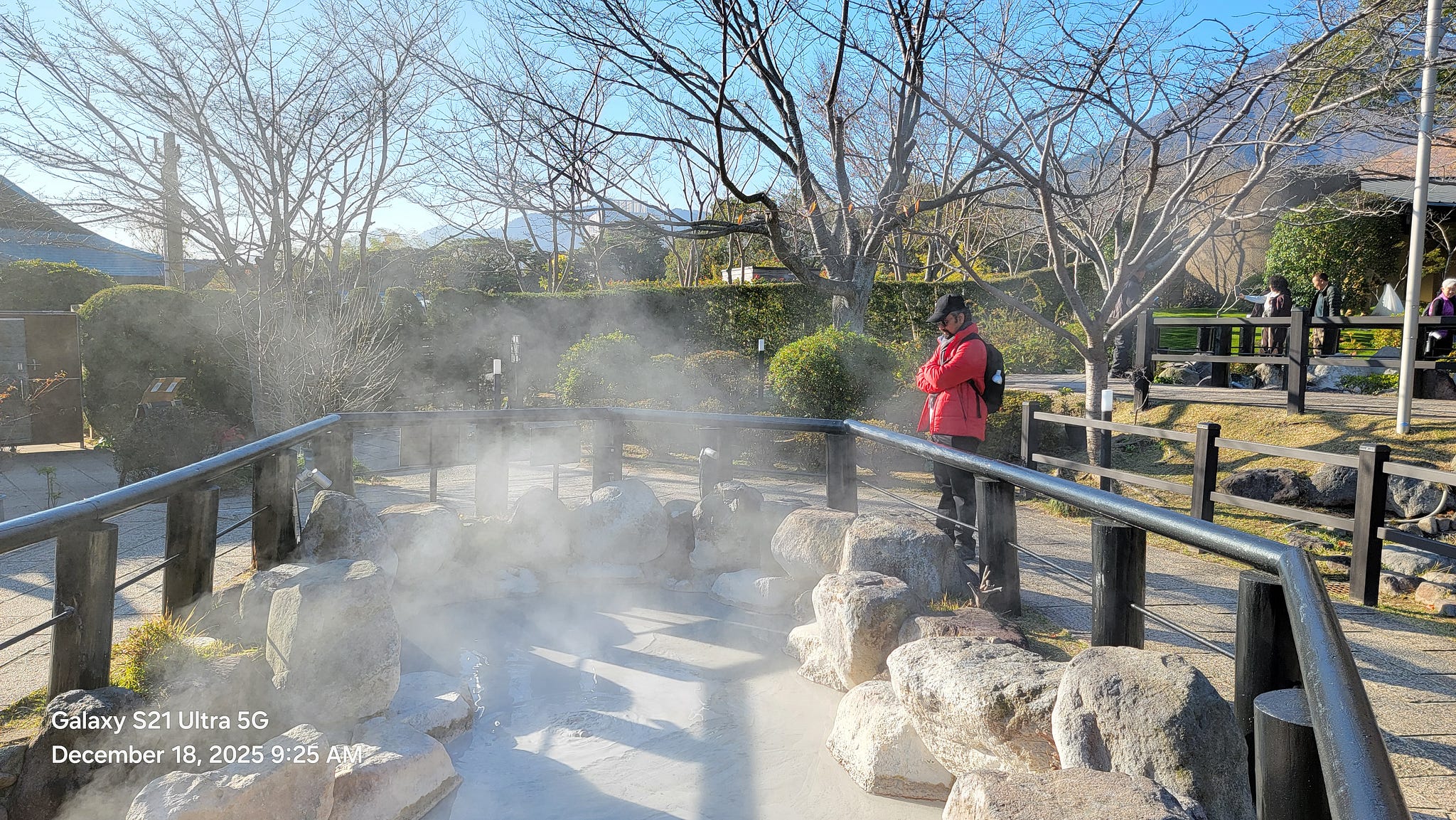
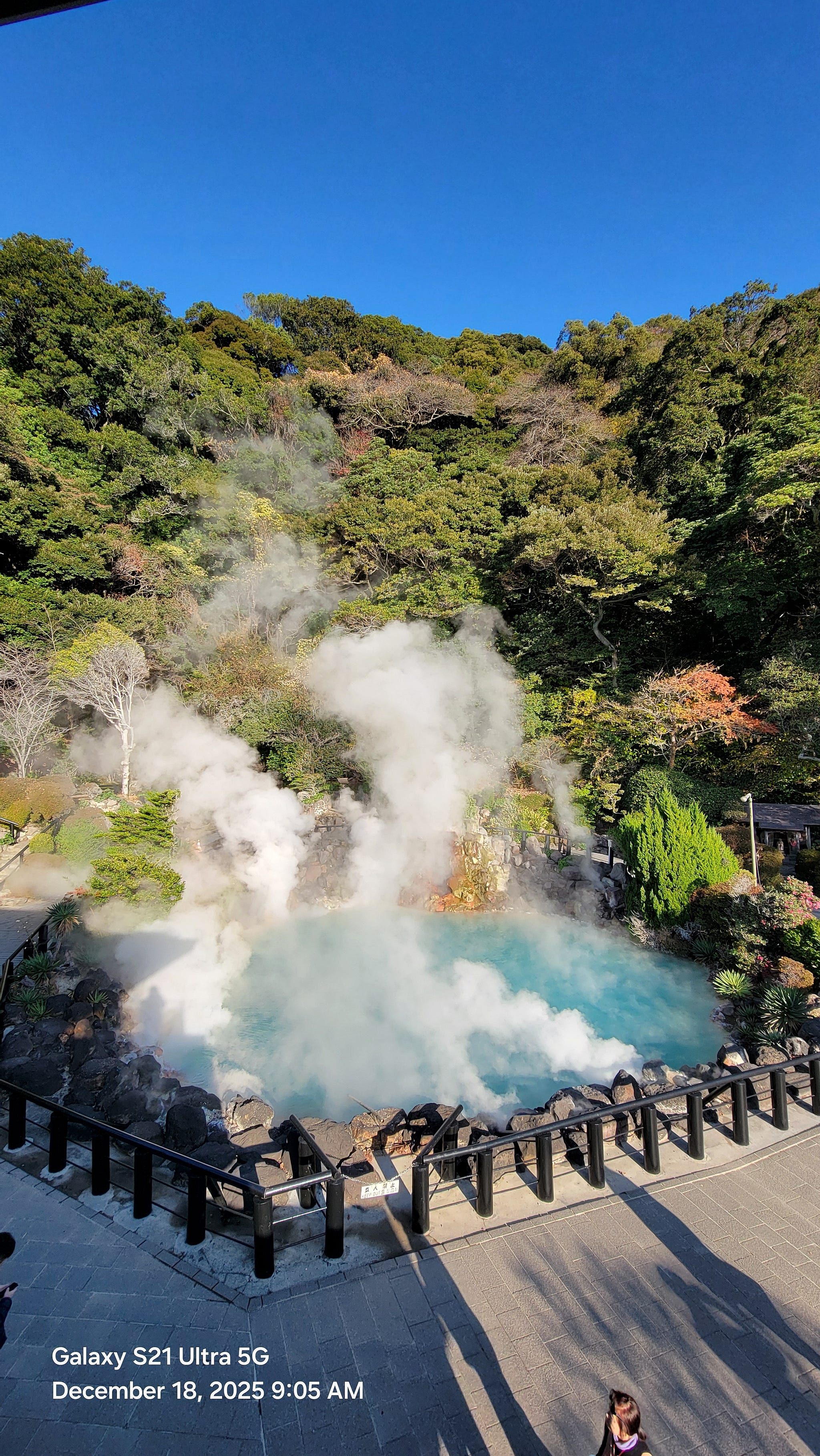
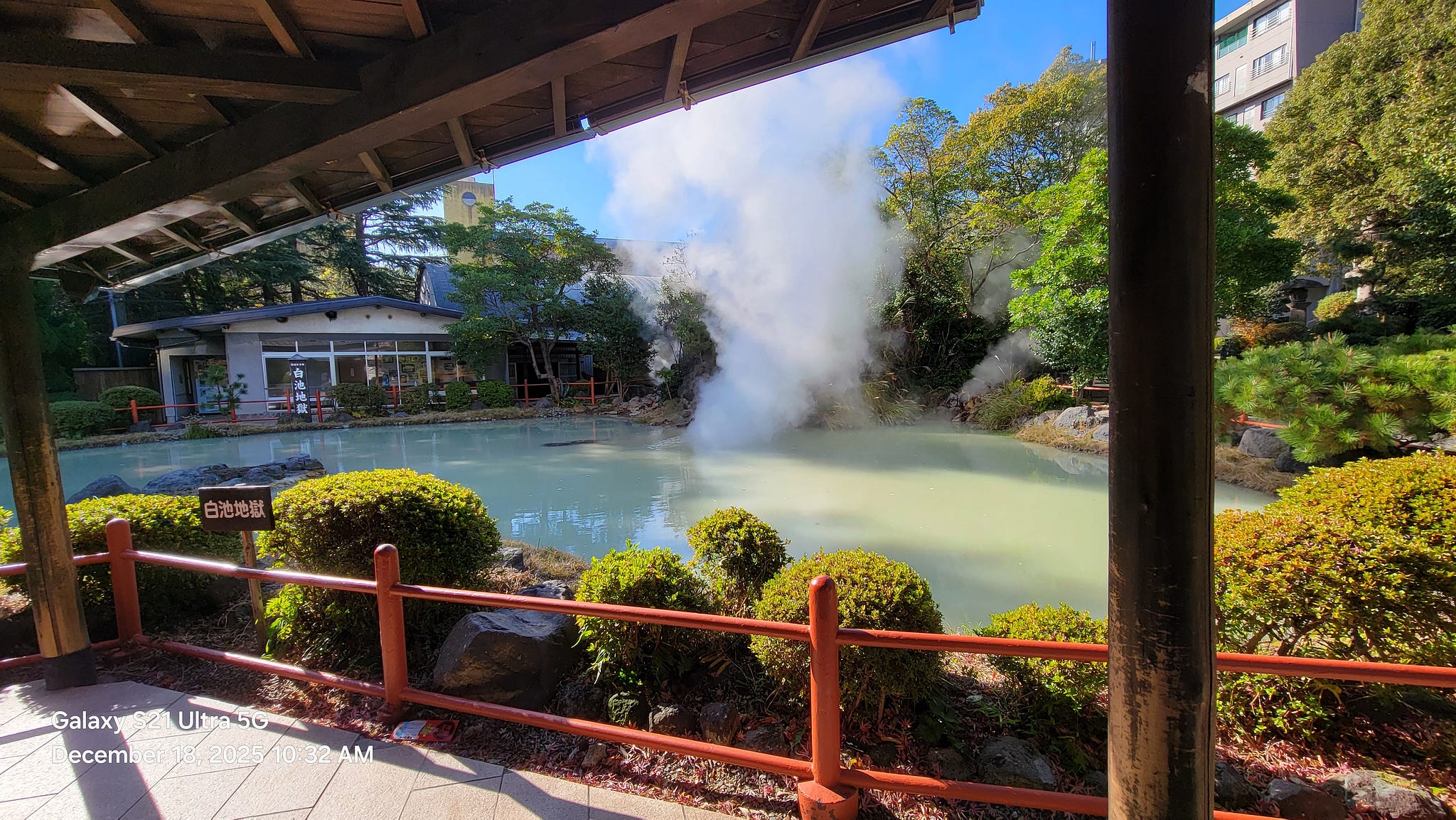
Beppu is famous for its Jigokus — seven spectacular geothermal hot springs that are meant for viewing rather than bathing. Each one felt like a different portal into the earth’s raw power:
- Umi Jigoku (Sea Hell): A stunning, deceptive shade of cobalt blue that looks as cool as the ocean but burns at a staggering 98 degrees.
- Oniishibozu Jigoku (Shaven Head Hell): Fascinating bubbles of gray mud that rise to the surface, looking exactly like the smooth, bald heads of monks.
- Shiraike Jigoku (White Pond Hell): A serene, milky-white pond surrounded by a traditional garden, hiding its boiling intensity behind a mask of calm.
- Kamado Jigoku (Cooking Pot Hell): A vivid collection of boiling ponds where, historically, the steam was used to cook ritual offerings to the gods.
- Oniyama Jigoku (Crocodile Hell): A surreal place where the geothermal heat is used to breed hundreds of crocodiles, looking like a scene from a prehistoric era.
- Chinoike Jigoku (Blood Pond Hell): The most photogenic of them all, with steaming, clay-red water that looks like a literal pool of liquid fire.
The Pulse of the Earth: Tatsumaki Jigoku
The final stop was the Tatsumaki Jigoku (Tornado Hell), and it deserves a special mention. Unlike the other springs that bubble or flow, this is a powerful geyser. There is a palpable tension in the air as you wait for it to “erupt.” Every 30 to 40 minutes, the earth releases its pressure, shooting a violent, vertical pillar of boiling water high into the air. Standing there, feeling the ground vibrate and the hot mist on my face, I realised I wasn’t just looking at a sight — I was witnessing the earth’s heartbeat.
A Taste of Home in the City of Steam
After walking through the intense heat of the seven Hells, I stumbled upon a hidden gem that felt like a sanctuary: an Indian restaurant called Avatar. As someone who had been travelling for days, I was craving the familiar comfort of vegetarian spices, and their “all-you-can-eat” offering was music to my ears. Let’s just say, I “batted” quite well — I made the most of every unlimited serving!
But the real highlight wasn’t just the food; it was the owner. Originally from Darjeeling, India, she sat with me and shared her incredible journey of settling in Beppu. She spoke of the early challenges of navigating a new culture and the hard work it took to scale her business into multiple branches across the city. Her story was a testament to the same “warrior heart” I had been admiring throughout Japan — the courage to build something beautiful in a foreign land.
When I was ready to leave, she handed me a small gift: cardamom, cloves, and betel nuts. It was a gesture that spoke volumes. She knew exactly what a traveller from home would miss, and that simple act of understanding made the thousands of miles between me and home disappear for a moment.
Day 9 & 10: The Return of the Voyager
The Calm Before the Voyage
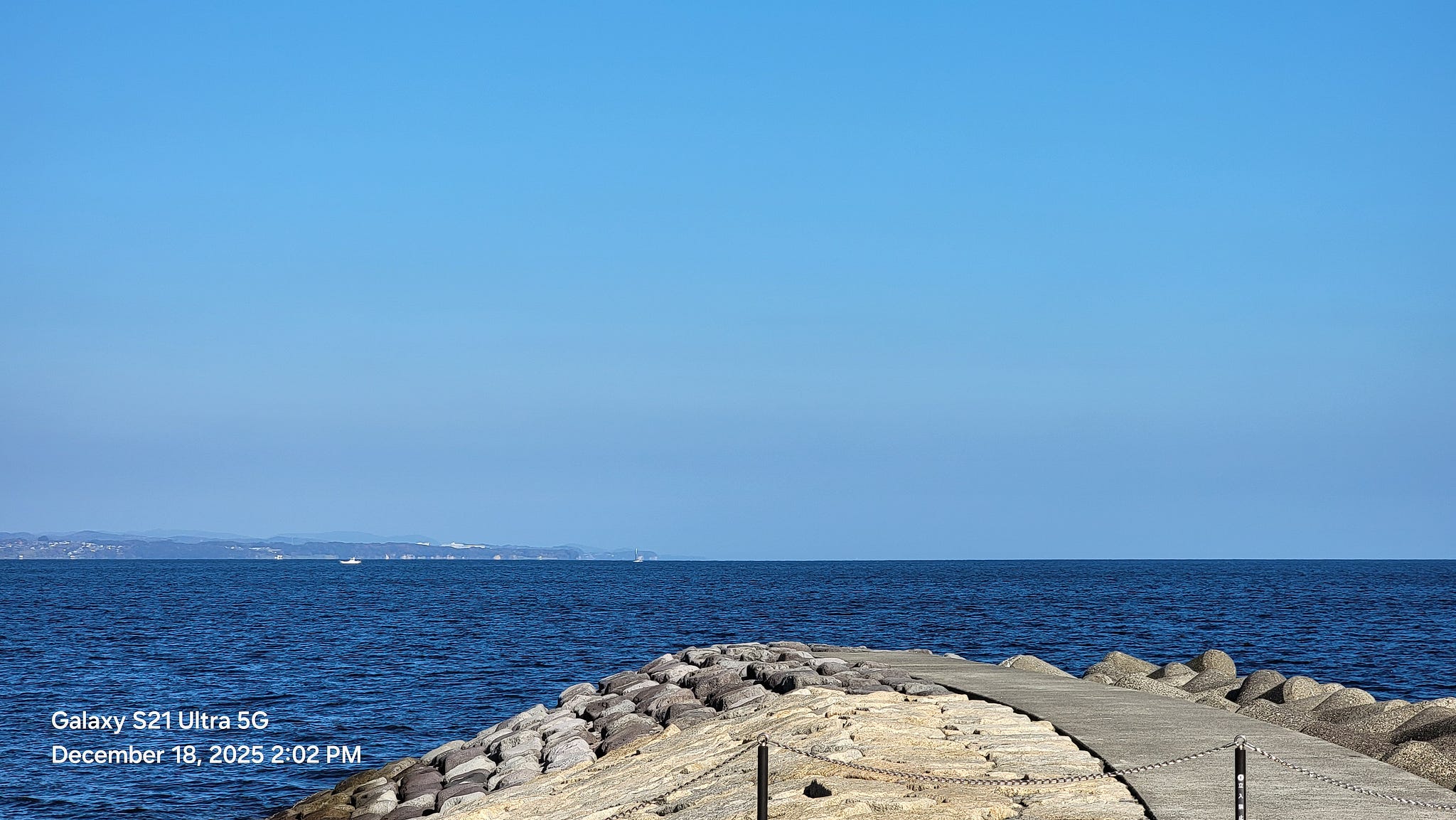
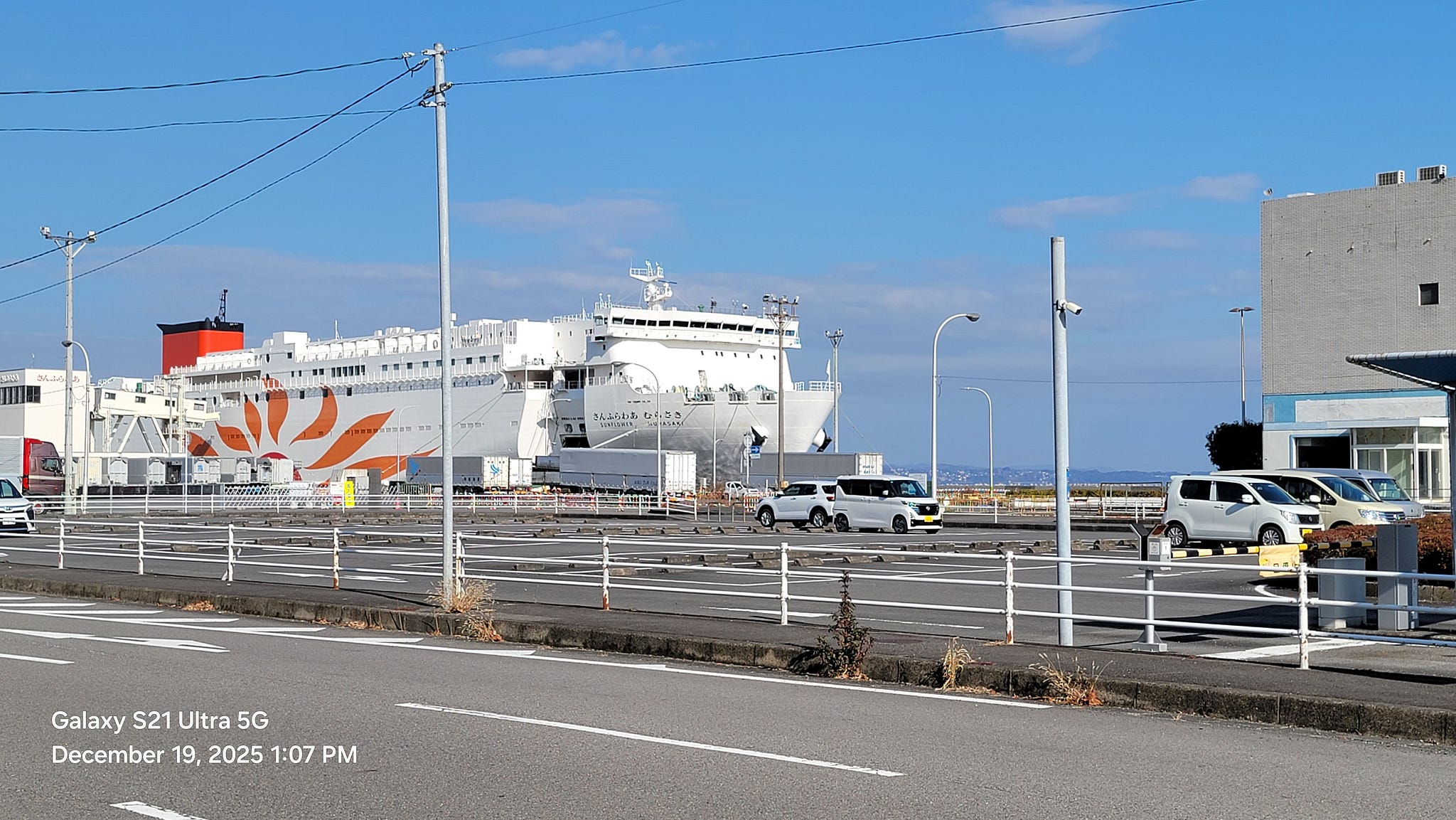
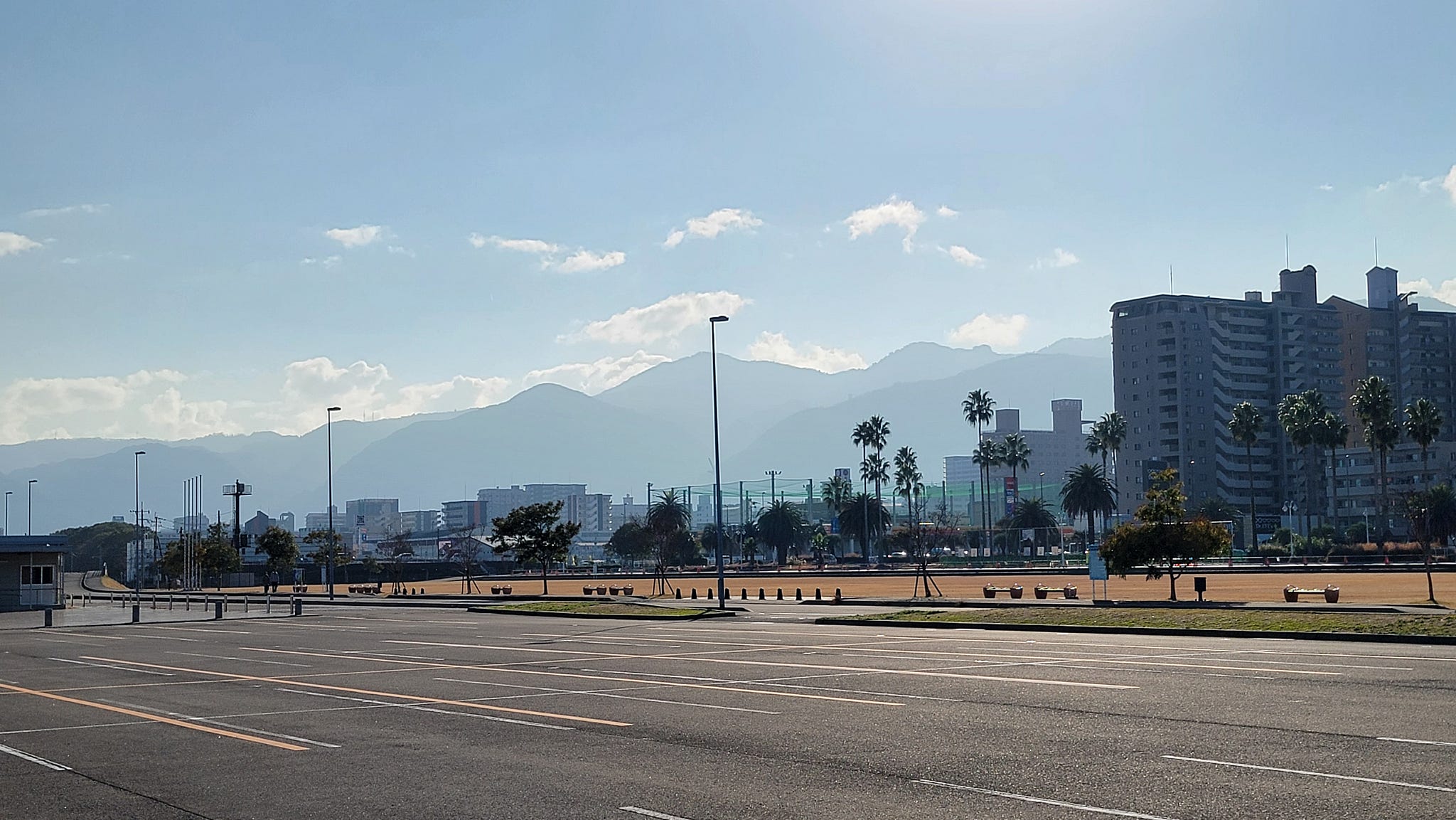
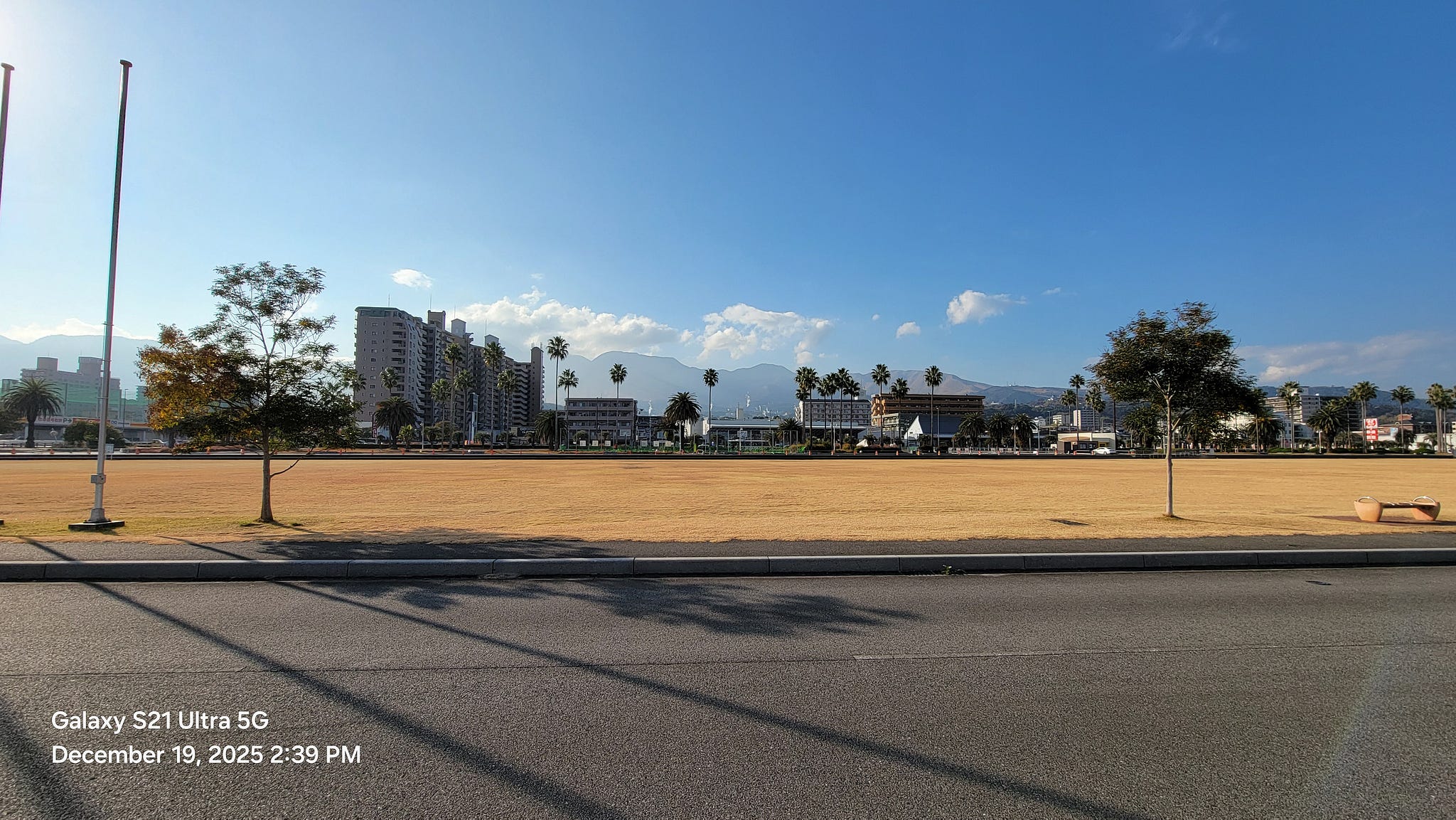
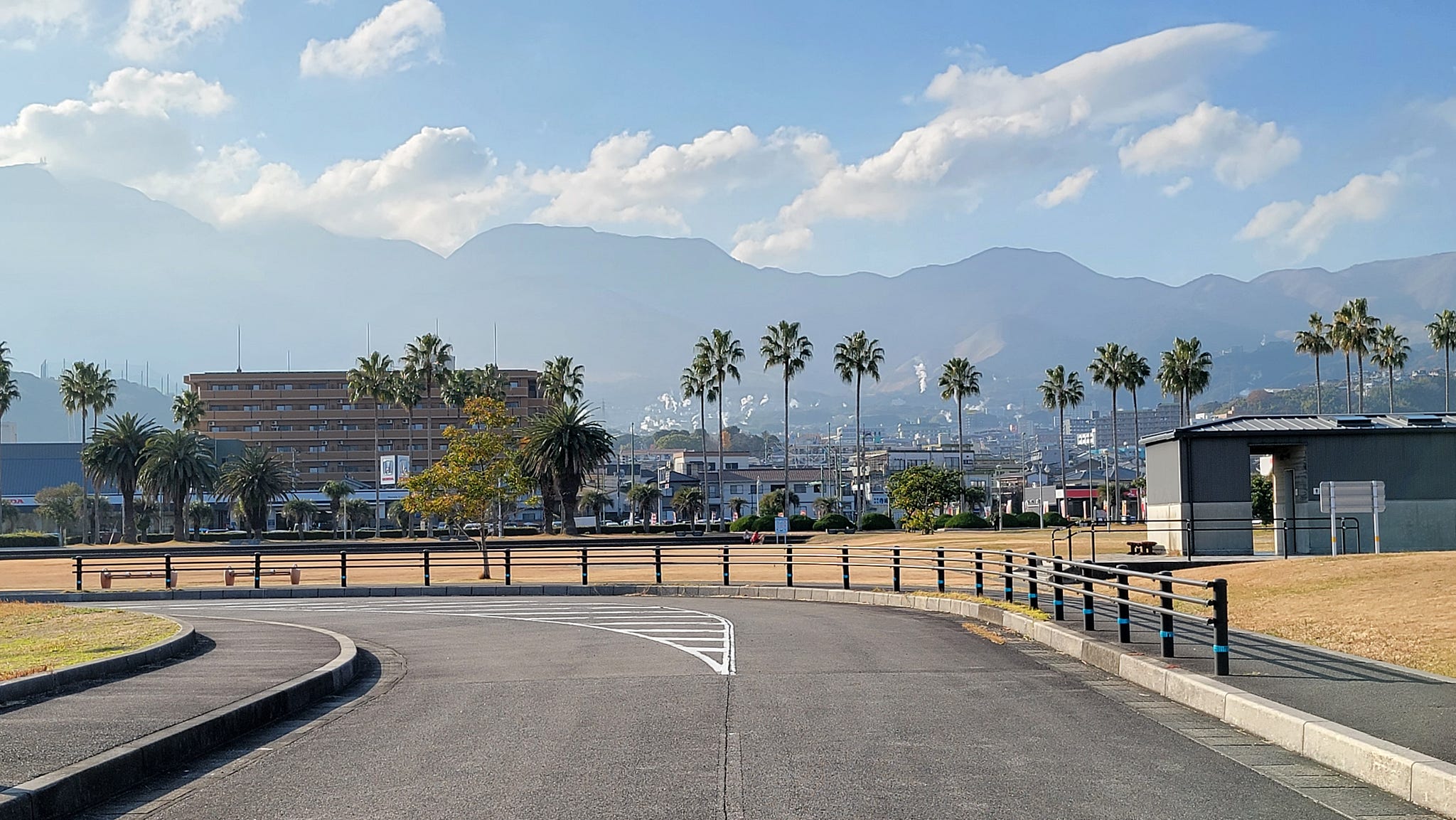
Before leaving the coast of Kyushu, I spent my final hours in Beppu at the Port Area. In most parts of the world, dockyards are gritty and industrial, but in Japan, they are masterpieces of urban planning. I wandered through a dockyard park so pristine it felt more like a manicured garden than a port. Sitting there, watching the waves lap against the clean concrete, I took a final breath of the sea air before heading back to the “Sunflower.”
One More Night Under the Stars
Why the ferry again? Because one voyage simply wasn’t enough to satisfy the soul. I boarded the Sunflower Ferry back to Osaka, eager for another night of limitless horizons and the rhythmic hum of the ocean. There is something addictive about the way the sea strips away the noise of life. It gave me a final night of quiet reflection before I re-entered the high-velocity world of the mainland.
The Nozomi Dash to Tokyo
From the docks of Osaka, I transitioned directly back to the steel rails, boarding the Nozomi Shinkansen for the final dash to Tokyo. Watching the Japanese countryside blur into a green-and-grey streak at 300 km/h never gets old. It is the heartbeat of the country — efficient, silent, and unstoppable.
Tokyo: Gearing Up for the Future
I checked into Hotel JAL City, but I decided to skip the usual tourist crowds of Shibuya or Shinjuku this time. Tokyo is a giant that requires its own dedicated chapter, and I am saving those stories for a future return. Instead, I turned my focus to something more personal: preparation.
I went on a mission to gather high-quality gear for the traveller I am becoming:
- The Apparel: Picking up Japanese-designed clothing that blends style with the resilience needed for the road.
- Regal Tokyo Oxfords: There is something special about owning a pair of “Regal” shoes — a brand synonymous with Japanese craftsmanship and timeless elegance. The way he took the measurements of my feet & noted them down to bring the perfect Oxfords showed their seriousness about quality & comfort.
- Innovator Aluminium Trolley from Sac’s Bar: This was the most symbolic purchase of all. I chose a rugged, aluminium 100L trolley because, during this journey, I didn’t just see a country; I made a decision. I decided to travel more. I wanted a companion that could handle the miles I intend to put behind me.
I may have left many of Tokyo’s sights for another time, but I left with the equipment — and the mindset — to conquer them later.
The Final Farewell: A Promise in the Sky
The Rhythm of the Exit
On my final morning, the transition was as seamless as a heartbeat. The Hotel JAL City shuttle whisked me to Haneda, and from there, I boarded the “classic” Airport Limousine bus to Narita.
In many countries, a bus ride on an expressway is a chaotic affair, but here, it was a masterclass in civility. The driver navigated the expressway with a disciplined grace that felt almost like a dance. Inside the cabin, there was a respectful, heavy silence — a shared space where everyone honoured each other’s peace. It gave me one last hour to look out the window and watch the Japanese landscape roll by, reflecting on how much this country had changed me in just ten days.
The Seamless Goodbye
Immigration at Narita was a breeze — no friction, no stress, just the quiet efficiency that defines this nation. As I sat at the gate waiting for my flight, I felt a deep sense of melancholy.
How do you say goodbye to a place that feels like it was designed for your soul?
A Sign from the Universe
Then, Japan gave me a gift — a moment of communication from nature that I will carry with me forever.
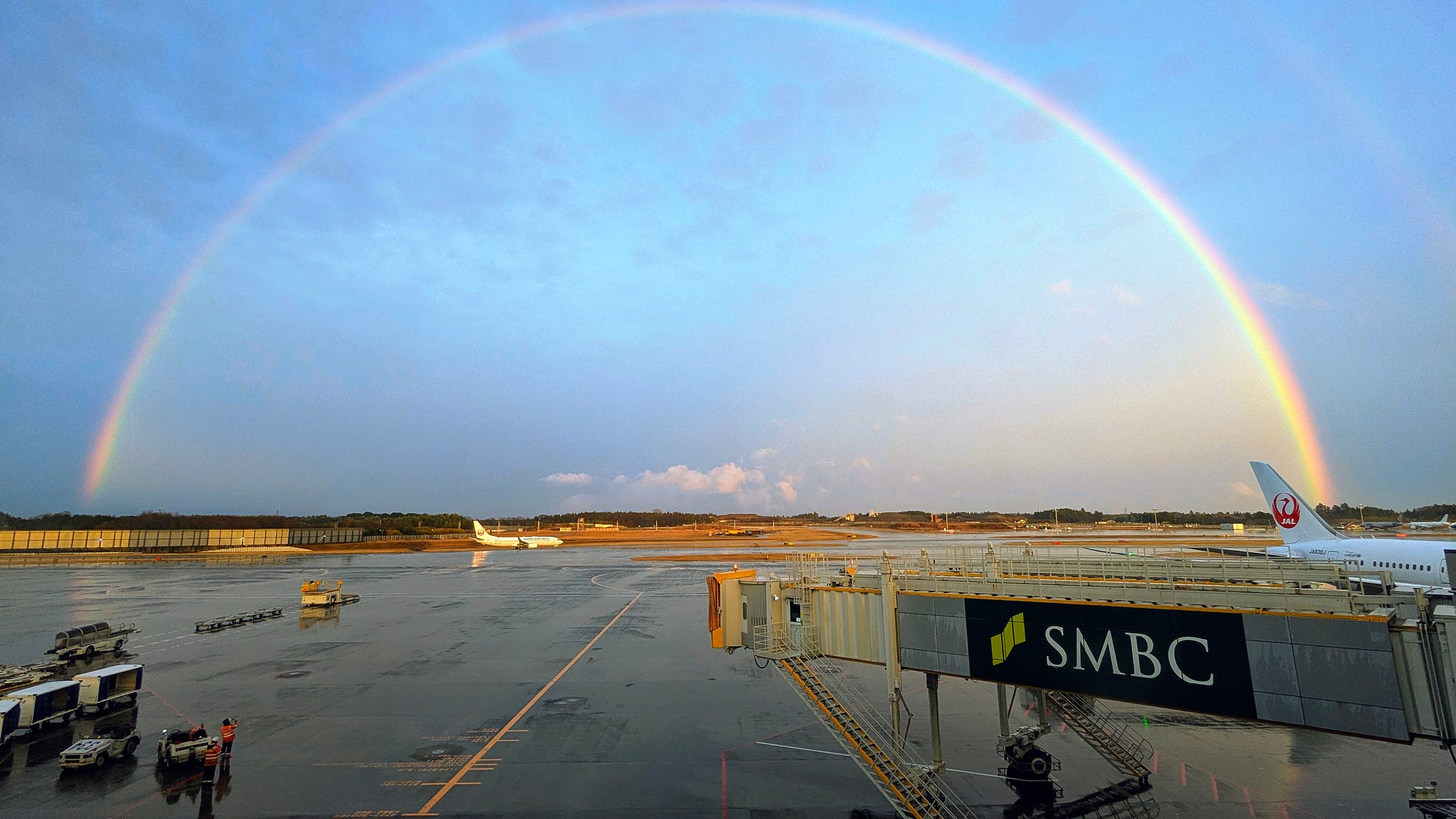
As I looked out over the airport tarmac, a perfect, full-arc rainbow appeared, stretching across the sky as if to frame my departing plane. In a journey filled with bowing deer, whispering bamboo, and sacred gates, this felt like the most direct message of all. It wasn’t just a weather phenomenon; it was Japan fondly saying, “See you again.”
I sat there in the terminal, overwhelmed with a sense of gratitude. I love this country — not just for its trains, its food, or its history, but for the way it makes you feel seen and respected. I cannot fully express the happiness this trip has brought me, but as I boarded my flight, I knew one thing for certain: “I shall return to find my heart again!”.
Thanks for reading. Have a good one!